

Best Locations for Picture Windows

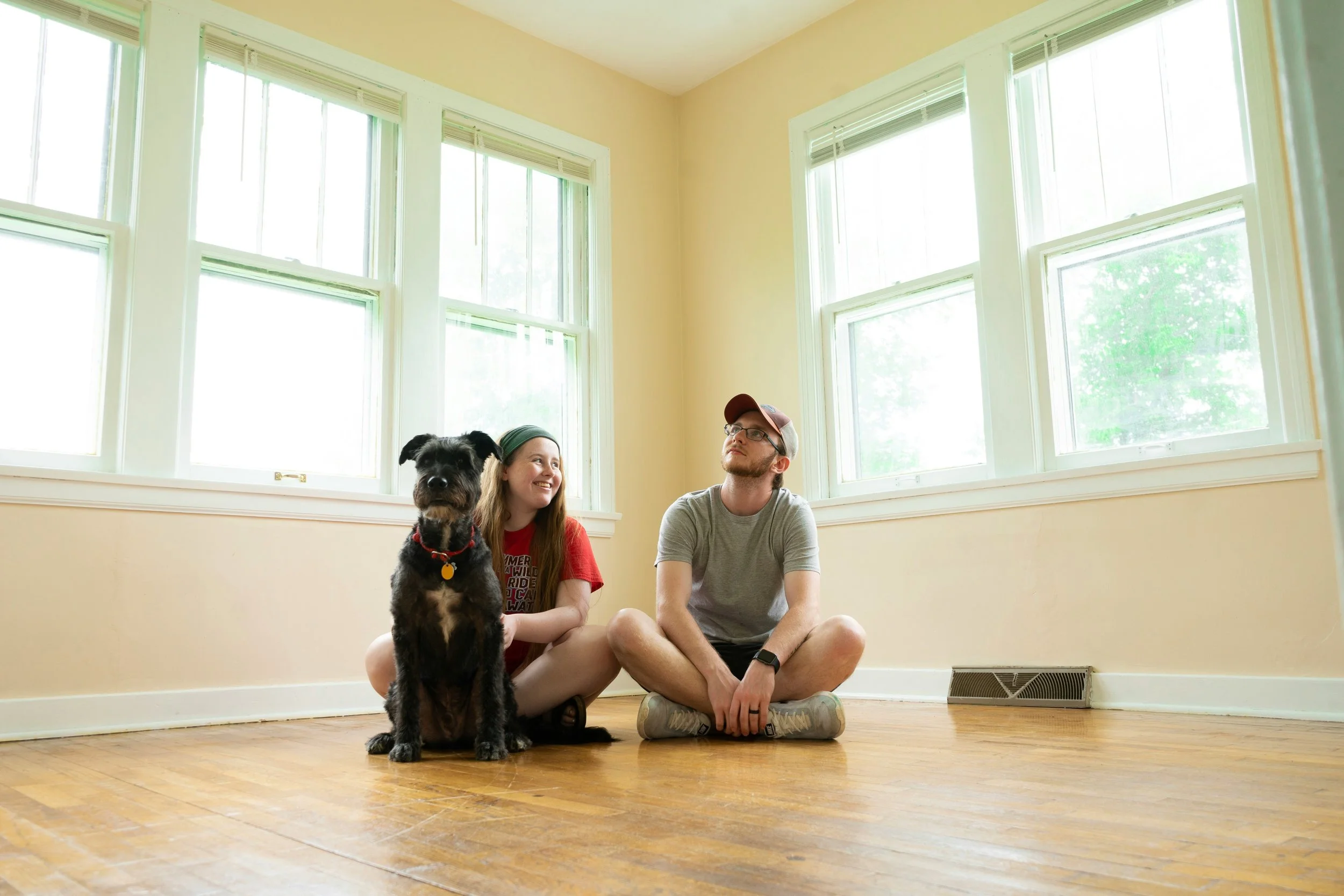
Picture windows are unique due to the fact they are a large, single pane that, unlike other windows, don’t open or close; their strengths lie in the expansive views and large views of light that they promote. Positioned in conjunction with a scenic view, picture windows offer a vast, picturesque panorama of the outside landscape. Read below for some tips to use picture windows to your advantage by positioning them in their most appropriate room. Dining Room For family dinners and other social gatherings, the right amount of natural lighting on a pleasant afternoon adds an invaluable touch. Thus, to promote outdoor light, add replacement windows into your dining room. Around dusk or late afternoon, this will be extra helpful so that you don’t have to deal with irritating artificial lighting.

Above the Kitchen Sink Placing a large picture window above the sink offers a visual escape from the kitchen’s hustle and bustle. In order to also provide opportunities for an inflow of outside air (kitchen cooking can get steamy), consider adding double-hung windows on opposing sides of the picture window. This will create a balance of an open, pleasant view while also allowing the option for ventilation with the double-hung styles.

The Office The home office is used for getting work done, so the idea of implementing a large window may sound counterintuitive. However, with the right placement, it can bring forth a revitalizing tone to brighten up the air during a long day of labor. Position it near the front of your desktop to avoid glare while also applying fitted window treatments to block light and distractions when needed.

Living Room Although picture windows are known for coming in one large, singular size, it doesn’t mean they can’t be divided up into smaller sizes for decorative purposes. One thing to be mindful of when planning out where to install them, which a Wallside contractor can assist you with while giving you an estimate (which is free, by the way), is to watch out for areas that a possible glare may occur. This goes for the television, seating, and other parts of the room that might be adversely affected by the light.

Tips to Brighten Up The Outside of Your Home

Outdoor Lighting By nightfall, all our hard work put into lawn care and decorations fall out of sight; well, only if there isn’t enough lighting to see it. Keeping a home visible after sundown - not to mention making it navigable for walking - requires a spaced-out spread of strategically placed light fixtures. We show the way to a well-lit outdoor space with the tips below.

Pathways Especially for guests that aren’t well acquainted with the exterior layout of your home, lighting the way leading to your door is top-priority. Otherwise, family or friends could fall and face injuries. For pathways, consider adding a row of mushroom landscape path lights on each end to provide safe travels; place them in rows at opposing ends for maximum spread of light. Most pathways lighting fixtures are bought in bulk because of the tiny spread that each individual one provides. Whatever style you choose, make sure these are positioned in a way that sufficiently show the way and illuminate any obstructions to watch out for.

Front Yard A large aspect driving home security is signaling to outside passersbys that your home is well-lit. Position flood lights around your front lawn so that any opportunity for questionable activity is exposed out in the open. Place an outdoor post light near the front, which acts as a savvy way to foster both a suave look and shed light on your front yard. As for the doorway, there are dozens of wall light options to comb through; for security purpose, choose those with LED bulbs that radiate extremely bright. Lastly, for those concerned about home security, another effective tip is to flick on inside lamps nearby windows; this conveys that you are indeed home and mitigates the chance of suspicious activity around your quarters.

Driveway Another main home entry-point, driveway lighting is used to communicate to others where to park and is helpful for squeezing cars in tight. For best lighting, install bright lanterns parsed out between garage doors. Dozens of fashions - ranging from traditional, industrial, to minimal, and several others - can be experimented with to highlight your home’s core characteristics.

Patio or Deck The patio and deck are prime spots for family parties or social get-togethers. For this reason, it’s vital to light all aspects of them. A fun first option is step lights, which can be installed inside the step and emit a glow to help guide the way up or down a flight of stairs. Similar to the front yard, outdoor posts are great for offering an ambiance and serving as a radiant marker amidst a dark night.

Adding ample exterior lighting to your home is no doubt important. However, at the same time it’s important to keep your energy costs down. If you decide to add new light fixtures to your outdoor home environment, be sure to research energy-efficient appliances and tips so that your bill doesn’t take an unexpected hike.

Sources: http://www.thisoldhouse.com/toh/article/0,,213652,00.html


Window Technology Throughout History

Globe As time changes, so does technology. Spanning from the dawn of civilization to modern times, window design has changed leaps and bounds in performance and style. In this post we take a a brief recap of history’s greatest breakthroughs in window design.

Native Americans Before the Europeans colonized the States, the Native Americans had their own technology and way of life. Known for utilizing the Earth's elements to their full potential, Native Americans’ makeshift version of what we consider a “window pane” was a strip of animal hide. This may not have provided the same type of insulation as low-e glass, but it nonetheless added insulation and defended against weather disturbances.

Renaissance Era By the time of the Renaissance (roughly spanning the 14-17th centuries), artists began to design windows in unseen ways. Unlike windows of the past, these employed a noticeably intricate craft that paid high attention to shape, size, and detail; a prime example of this is the now-famous French casement window which came from this era.

Byzantine Empire The Byzantines were a civilization of people scattered across countries ranging from North Africa to those along the Mediterranean sea. The Byzantines took special attention to constructing windows that were not only functional, but aesthetically pleasing as well. In addition to using actual glass to enclose their windows, the Byzantines used frames constructed out of marble, which were revolutionary for their time due to their eclectic color patterns and sharp look.

The Romans Along with signs of developed irrigation systems, Roman history sported highly-advanced technologies for its day. Among its most accomplished creations was the glazed window. At this time, glazed windows offered state-of-the-art insulation that were treasured as a luxury good amongst the wealthiest members of society.

Ancient Asia In the days of Ancient Asia, they didn’t have the mechanics of contemporary replacement windows and instead resorted to filling theirs with none other than paper.

Sources: http://www.britannica.com/technology/window

Tornado Safety Guide

  Tornado

According to the NOAA (National Oceanic and Atmospheric Administration), approximately 1,200 strike the United States each year. Whether you live in an high-activity tornado zone or not, it sure helps to know what to do if one strikes. We break down how to prepare for an incoming tornado below.

Designate a Safe Zone Before a tornado warning is signaled and you and your family have to kick it in emergency mode, it’s best to develop a strategy for what to do when one strikes. Designate a room for everyone to safely take shelter in to wait things out. The ideal space for these is the basement or lowest possible level of your house. Ensure this room has sturdy walls, a secure foundation, doesn’t have loose, dangling objects that could possibly fall and hurt someone. Overall, anything that could be easily be knocked over or moved around by strong winds is a potential danger. By creating a go-to emergency storm room and having everyone in your family know to go there in the incident of a tornado, you can face the storm with more confidence knowing that you have a plan.

Steer Clear from Windows Stay as far as possible from windows and other openings in your home. The raging storm outside could possibly destroy the windows from flying debris, which could open your home to even greater danger. As stated above, during violent, unpredictable tornado winds, the safest place to take refuge is a basement room devoid of windows or any objects that can easily topple over.

Store a Kit of Essentials Stock the room with food and beverages that can attend to everyone’s hunger. You never know how long a storm might last, so try to stock a decent amount of food that could last over a few days. Also, make sure the food you keep won’t spoil over a long period of time and to keep a collection of water bottles nearby at ground-level. Additionally, gather together a kit containing a flashlight, batteries, radio, and other essential goods you might need; the radio is key for tuning into local stations and getting updates on storm activity.

After any storm or adverse weather conditions, it’s possible for your windows to suffer damages. If your windows have undergone serious injury, speak with a professional at Wallside to learn your options for installing new replacement windows.

Tips for Dealing with Basement Floods

Basement Flood Out of any space in the house, the basement hands down stores the most belongings. So when it floods, it means a great deal of our valuables are at risk of incurring some serious damage. But before we get into cleaning up after a flood, let’s take a look at some of the leading causes of them.

Common Causes There could be any number of reasons for a basement to flood, but most of the time you can chalk it up to a set list of perpetrators. Sometimes, your home may be positioned in such a way that it predisposes it to a heavy amount of rainflow. For example, if your home is located at the bottom of a hill, it’s likely water will collect near its base (instead of away) which could in turn lead to leakage. Another frequent perpetrator is faulty sealing in the flooring and walls. The sealing is meant to serve as a defense against excessive buildup of water, but as time has proven, it doesn’t always work. Another reason could be something as simple as forgetting to close basement windows. To best avert basement flooding, speak with a professional to take maximum preventive measures.

Dangers A flooded basement can be an extremely dangerous threat to your home’s infrastructure and the safety of those living inside it. When you first spot a flood, you should not immediately rush down and inspect it. Why? There are dozens of reasons, most of which pertain to serious health dangers such as the possibility of electric shock, being infected by contaminants, damages from structure damages, and many other conceivable outcomes.

What to Do Without sufficient clean-up, a leaked basement could lead to a number of hazards. After exiting the basement upon recognizing it is flooded, call a professional who specializes in de-flooding them. If you can do so safely, turn off the electricity in your home before expert assistance heads over as a flooded basement runs increases the risk of potential electrocution. Find a service that will pump out the excess water that has collected beneath and above your floor, soaked into your walls, and any other damages incurred. After the water has been removed, take care of your belongings by washing and drying them in whatever ways you can.

Sources: http://www.utilitieskingston.com/wastewater/basementflooding/flooded