
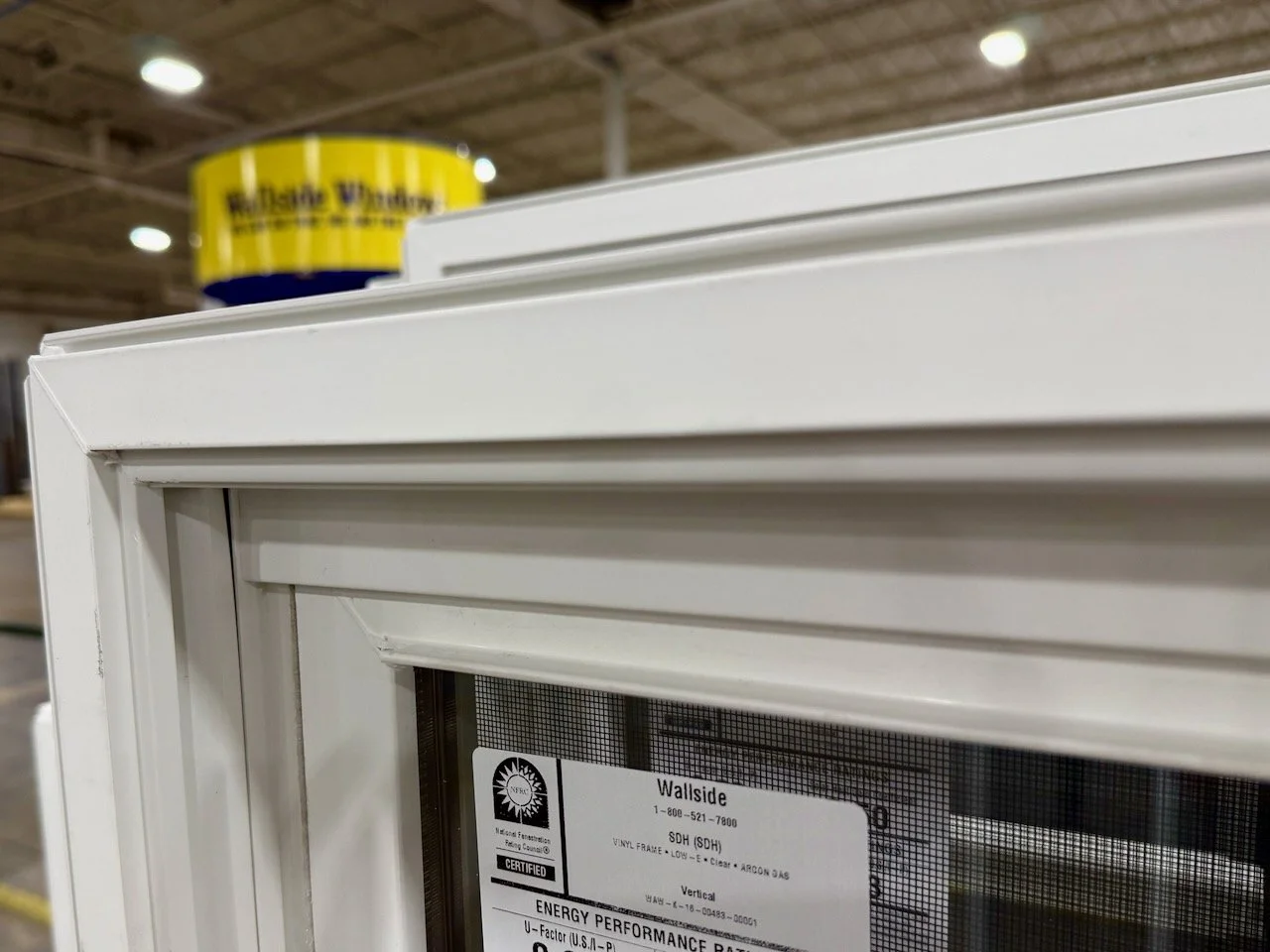
If you’re considering replacement windows, you’ve probably seen the term “Low-E glass.” But what exactly is it, and why does it matter?
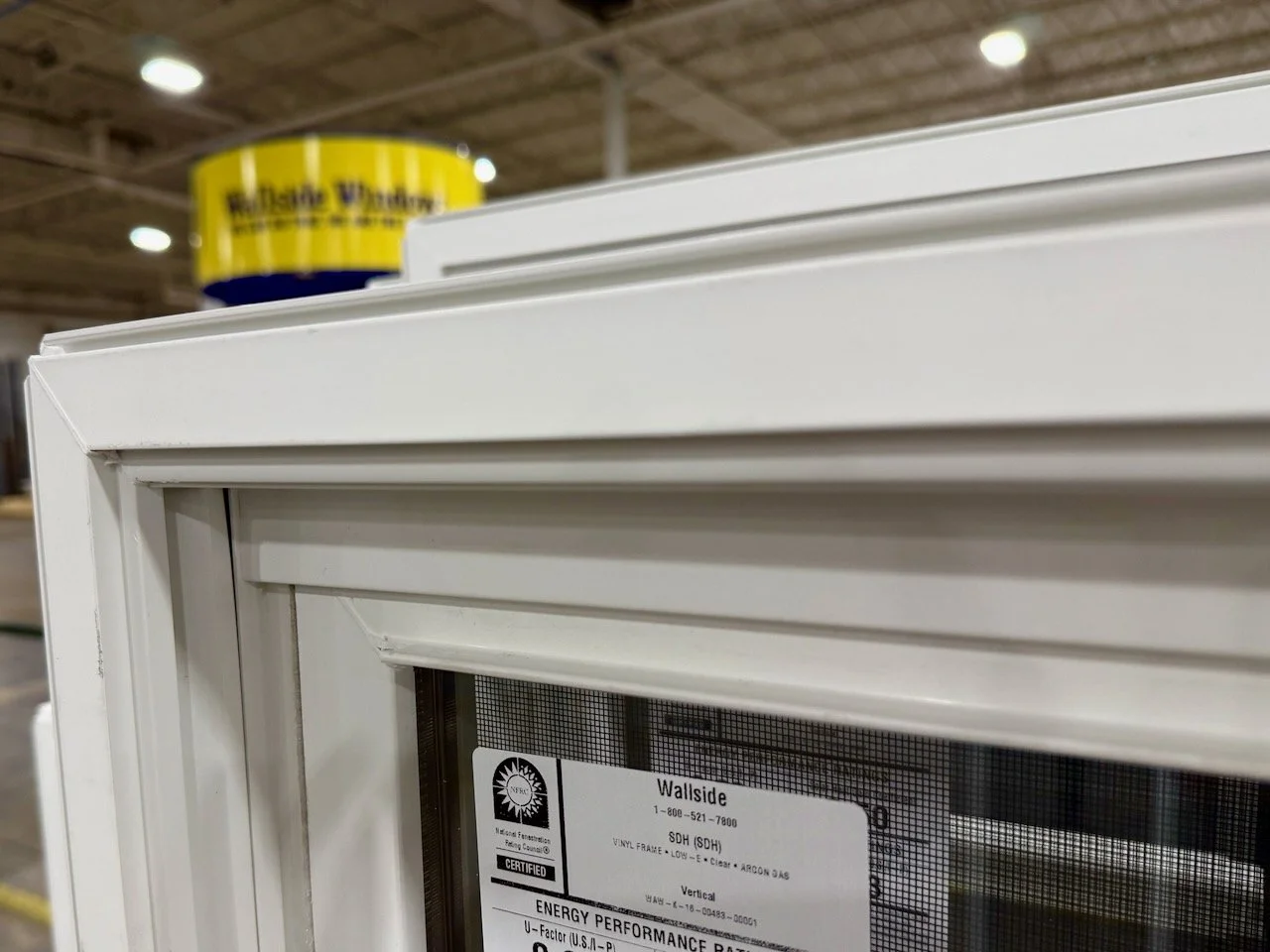
Wallside Windows offers Low-E Glass for your home.
Low-E glass is energy-efficient window glass with a thin coating designed to control how much heat moves through a window. It can reflect radiant heat, reduce solar heat gain and block ultraviolet (UV) rays while still allowing natural light into your home.
David Schmier, director of sales at Wallside Windows, says homeowners should consider Low-E glass options when replacing older windows. Combined with modern double-pane construction, it can help keep heat inside your home during winter, reduce unwanted solar heat during summer and block much of the ultraviolet (UV) radiation that can contribute to fading of furnishings in your home.
What Does “Low-E” Mean?
Low-E stands for “low emissivity,” which describes how readily a material transfers radiant heat.
A Low-E coating helps control the transfer of radiant heat through your window’s glass by reflecting much of that energy rather than allowing it to pass through.
“A material with high emissivity — like an aluminum cooking pan — readily absorbs heat from a burner and passes it through to cook food,” Schmier said. “With a low-emissivity material like Low-E glass, that radiant heat is reflected back out.”
How Does Low-E Glass Work in Winter?
During cold weather, you want to keep the heat produced by your furnace inside your home.
“Different types of Low-E glass deliver different results,” Schmier said. “Some Low-E glass is designed to let infrared heat enter the house and help keep it there. This works best in climates even colder than Michigan and Ohio – places where homeowners have an extreme need to capture sunlight that will help heat their homes.”
Combined with modern double-pane construction, Low-E glass can help improve the insulating performance of your replacement windows.
How Does Low-E Glass Work in Summer?
During warm weather, you generally want to keep unwanted solar heat outside.
Certain Low-E coatings are designed to reflect a significant amount of the sun’s infrared energy, reducing heat gain through the window. This helps keep rooms cooler and reduces the workload on air-conditioning systems.
What Are the Benefits of Low-E Glass?
Low-E glass provides several key benefits:
● Improved energy efficiency: Helps reduce unwanted radiant heat transfer through the glass.
● Greater comfort: Helps retain interior heat during cold weather and reduce unwanted solar heat during warm weather.
● UV protection: Significantly reduces UV radiation entering the home, helping protect furnishings and flooring from fading.
● Natural light: Allows visible light into the home while controlling portions of the solar spectrum.
Is All Low-E Glass the Same?
No. Different Low-E coatings offer different levels of solar heat control. Wallside’s Low-E glass is supplied by Cardinal Glass Industries, and the coatings are applied to protected interior glass surfaces to shield them from damage.
“Some Low-E glass options let in more heat, while others block nearly all the infrared heat from coming in,” Schmier said. “Tints are also available to help reduce visible light, which can be useful in a media room where ambient light can impact the vibrancy of a television screen.”
Wallside Windows offers several options based on your specific needs, including Low-E, Premium, Energy Star 7.0 and Triple Pane glass options.
Does Low-E Glass Make Windows Dark?
Not necessarily. Low-E glass is designed to control heat and UV radiation while still allowing visible light to enter the home. Of course, tinting window glass is something that can be done for specific use cases like media rooms where you want to reduce ambient glare.
How Do You Choose the Right Low-E Glass?
Choosing the right Low-E glass isn’t simply a matter of choosing the highest performance available. It’s about matching the glass to the specific sun exposure and comfort needs of each room in your home.
“At Wallside Windows, we build, install and guarantee every window we sell,” Schmier said. “During an in-home visit, one of our licensed and insured Wallside factory representatives will discuss your preferences, evaluate your home's needs, then recommend the best Low-E glass options at an affordable price.”
Low-E Glass Frequently Asked Questions
● What does Low-E stand for?
Low-E stands for low emissivity, which describes how readily a material transfers radiant heat.
● Does Low-E glass keep a house warmer?
Yes. Certain Low-E coatings help reflect interior radiant heat back toward the inside of the home, helping reduce heat loss.
● Does Low-E glass keep a house cooler?
Yes. Certain Low-E coatings reduce the amount of infrared solar energy entering the home, helping reduce unwanted heat gain.
● Does Low-E glass block UV rays?
Yes. Low-E coatings significantly reduce UV radiation, helping protect furniture, artwork, carpeting and hardwood floors from fading.
● Is all Low-E glass the same?
No. Different Low-E coatings provide different levels of solar heat control and energy performance, and should be chosen based on your home’s specific orientation and climate needs.
Ready to Learn Which Low-E Glass Is Right for Your Home?
The right Low-E glass makes a significant difference in the performance and comfort of your replacement windows.
Schedule your free Wallside Windows estimate now or call 313-292-4400 to get started on your replacement window project.
