
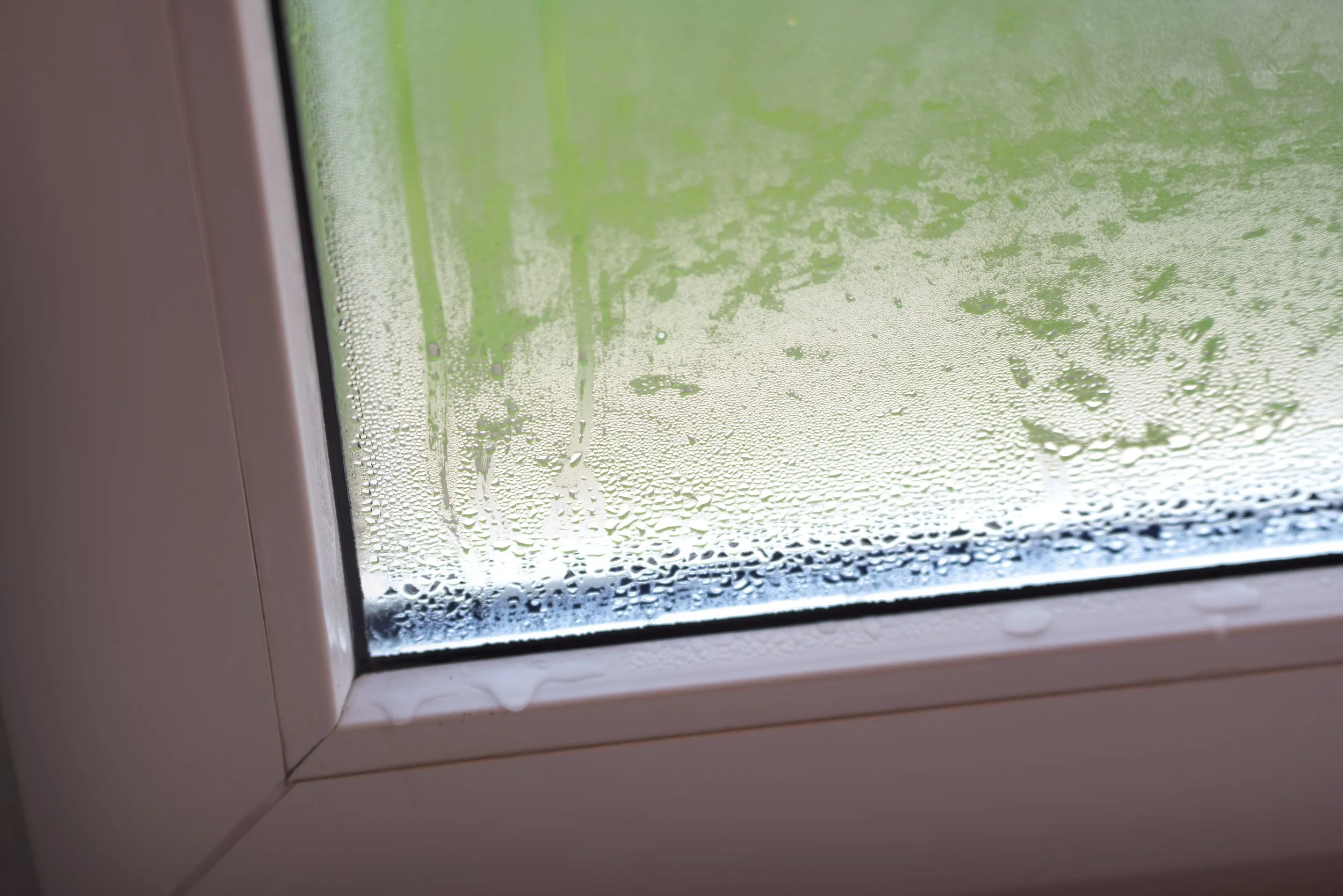
Window condensation forms when warm, humid air meets a colder glass surface. Condensation on the inside or outside of your windows is usually normal, but moisture between panes of glass can indicate a failed window seal.
Condensation is especially common during home heating season, when everyday activities such as cooking, bathing and doing laundry increase indoor humidity.
Window condensation can appear in three places:
· On the outside of the window
· On the inside of the window
· Between panes of glass
David Schmier, sales director for Wallside Windows, said where condensation appears can tell you a lot about what is causing it.
Why is there condensation on the outside of my windows?
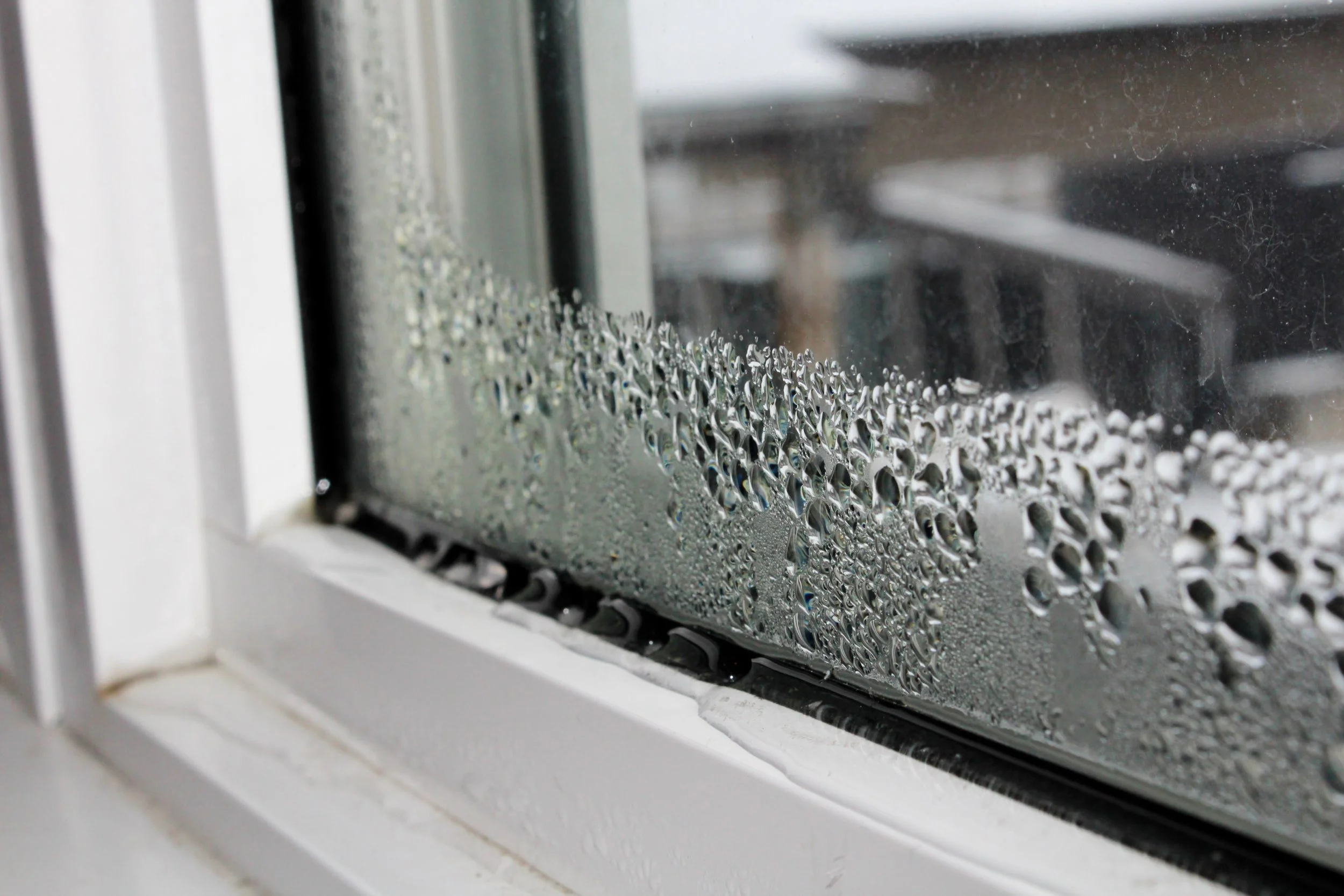
Condensation on the windows inside your home often means the windows are working properly.
Exterior window condensation is most common in spring and fall, when warm, humid daytime temperatures drop significantly overnight. Moisture in the outside air can then form droplets or streaks on cool exterior glass.
“While homeowners often express concern when they see this moisture on their newly installed windows, it’s actually a sign that their new windows are doing their job,” Schmier said. “A high-quality window that is properly installed needs to keep outside air out and warm air inside.”
Why is there condensation on the inside of my windows?
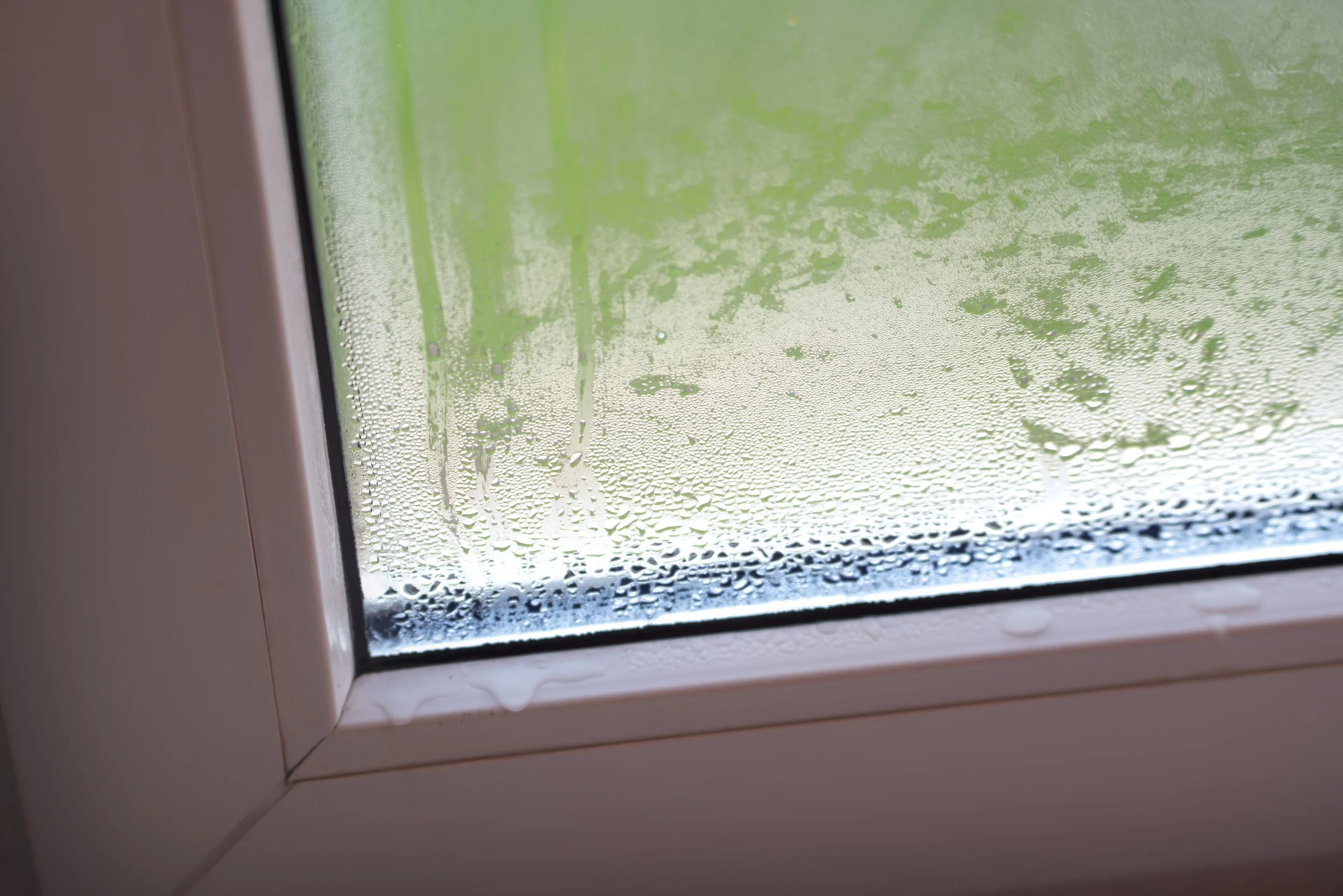
Condensation can happen outside the window too.
Interior window condensation occurs when warm, humid indoor air meets a colder glass surface. It does not necessarily mean there is a problem with your windows.
Energy-efficient glass, like Wallside Windows’ Premium 270/i89, is designed to reflect heat back into the home. Because the glass surface can remain cooler on cold days, condensation may form when indoor humidity is high.
“Because Wallside’s vinyl frames are non-porous and rot-resistant, there’s little chance of damage to the window,” Schmier said. “But if homeowners are sensitive to the appearance of moisture on the inside of their windows, they can look at the humidity levels inside the home and, if needed, adjust the humidistat on their furnace.”
Wiping away excess moisture can also help protect nearby paint and wood surfaces.
What causes condensation between window panes?

Condensation between window panes deposits minerals that impact the clarity of the glass. Photo by Unsplash.
Condensation between window panes usually indicates a failed seal in an insulated glass unit. Once the seal fails, moisture can enter the space between the panes, reducing visibility and potentially affecting the window’s energy efficiency.
Moisture may disappear as temperatures rise, but a seal failure remains. Over time, dirt and mineral deposits from condensation can build up and leave the glass cloudy or opaque.
Depending on the age and condition of the window, Schmier said, replacing the entire window may make more sense than replacing the glass unit alone.
How can I prevent condensation on my windows?
You can keep window condensation at a minimum by controlling indoor humidity and improving ventilation:
· Run exhaust fans while cooking and bathing.
· Keep indoor air moving with ceiling or portable fans.
· Make sure dryers and gas appliances vent properly outdoors.
· Wipe away excess moisture to protect nearby painted or wood surfaces.
When does window condensation mean I need new windows?
The location of window condensation is the key to understanding the cause. Moisture on the interior or exterior glass is often related to temperature and humidity and does not necessarily indicate a window problem.
Condensation between panes of glass, however, can signal window seal failure. If moisture, fogging or cloudy glass is affecting the clarity and efficiency of your windows, it may be time to have them evaluated by a professional.
Still not sure what the condensation on your windows means? Wallside Windows experts can help identify the cause and determine whether repair or replacement makes sense. Schedule your free Wallside Windows estimate or call 313-292-4400.
