
Creative Ways to Use Wallpaper Around the House

Creative Ways to Use Wallpaper Around the House For a long time, wallpaper was something homeowners dreaded dealing with. Old wallpaper can be difficult to get rid of, trying to hang new wallpaper can be a chore, and it had a reputation for looking garish and dated. But lately, wallpaper has been coming back into favor again thanks to nicer patterns and improved wallpaper quality.

One of the biggest trends when it comes to using wallpaper is to use it for things other than walls or just on sections of walls. When you have a wallpaper with bright colors or bold prints, a little bit of wallpaper can go a long way. Whether you have a little bit of wallpaper left over after a project or are just looking for some ways to add pops of color around the house, here are a few ideas for how you can make the trend work for you.

Line Drawers and Cabinets

One of the most popular uses for wallpaper (aside from decorating walls, of course) is to use it to line the inside of drawers or cabinets, adding a pop of color to an area where people don’t often expect to see it. If you’re using peel-and-stick wallpaper, all you have to do is cut the wallpaper to fit the space and stick it on. But if you don’t have peel-and-stick wallpaper, you can simply use some double-sided tape to hold the paper in place so it doesn’t shift as you move things around in the drawer or cabinet.

Line Stair Risers

Stair risers are a great opportunity to incorporate a bright color or a bold print in a way that doesn’t overwhelm a room. Since stairs do get a lot of foot traffic, just be sure to choose a vinyl wallpaper or one that has a coating on it so it won’t be permanently damaged by scuffs.

Give Furniture a Makeover

Have a piece of furniture that’s still functional, but looks a little worn down or just doesn’t suit your decor anymore? Many people have used wallpaper to cover tabletops or to cover the sides and shelves of bookcases.

Frame It

Putting a piece of wallpaper in a picture frame is a perfect way to add a little bit of contrast to a solid-colored wall. Best of all, it’s a project that involves very little effort or energy on your part! Another option is to apply a scrap of wallpaper to the wall, then use trim moulding to act as a frame for it.

Fake a Headboard

Don’t have a headboard on your bed? Wallpaper can help you create a designated space for your bed without having to spend hundreds of dollars on a real headboard. Simply take your wallpaper, use it to cover a piece of wood that’s been cut to the size you want it to be, then attach it to the wall by your bed. Apply trim moulding around the edges of your new headboard to make it look more finished.

What to Look for in Replacement Windows

What to Look for in Replacement Windows Has it been a long time since the windows in your home were replaced? Are you dealing with high energy bills or rooms that always feel colder than they ought to be? Or maybe your windows simply don’t seem to be working properly. If any of these situations sound familiar, it might be a good time to consider replacing your windows.

Although windows might seem like pretty simple things, there are actually a lot of different things you’ll have to consider when making your decision. Here are a few of the most important things to look for as you shop around for replacement windows.

Features

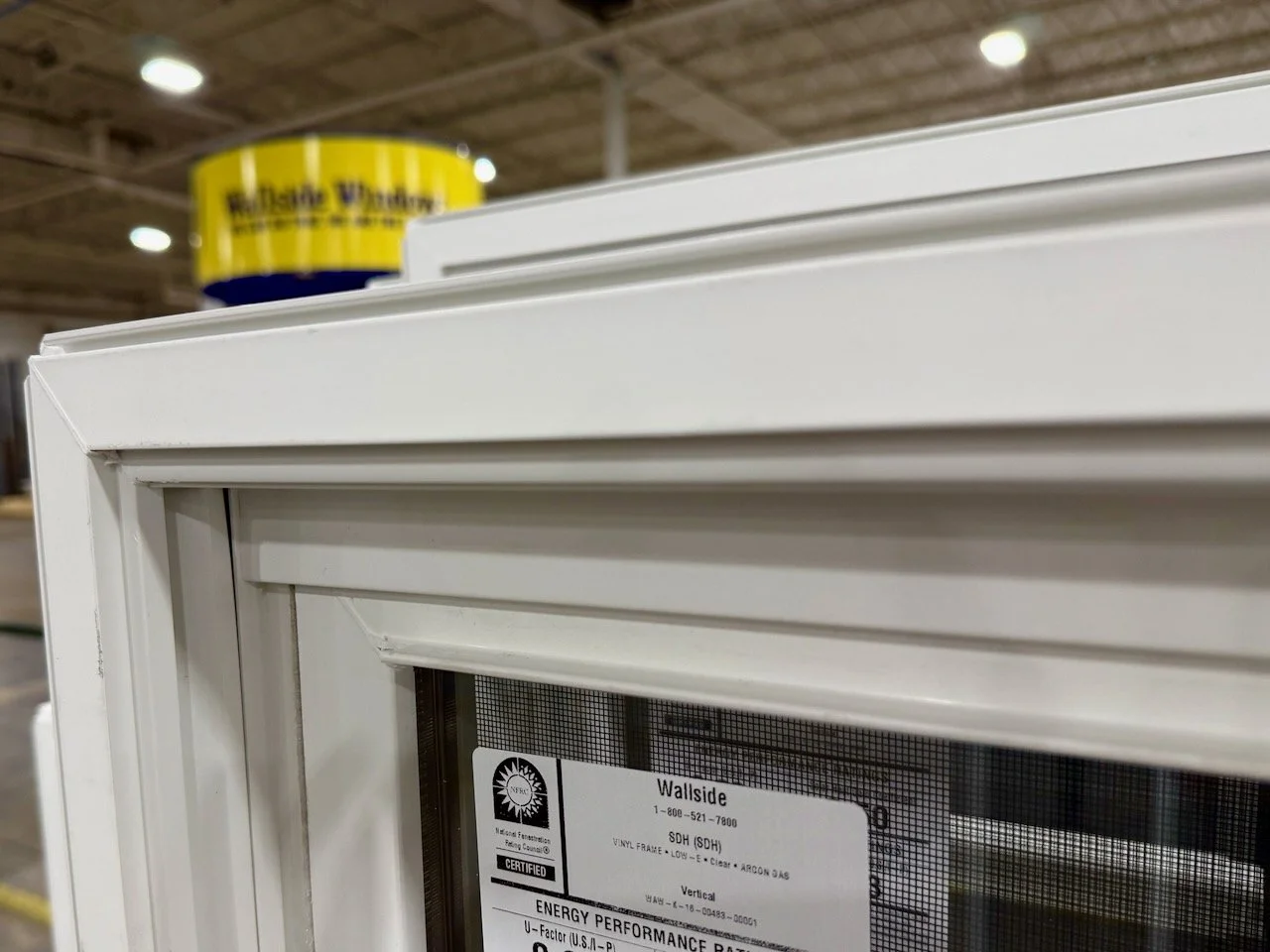
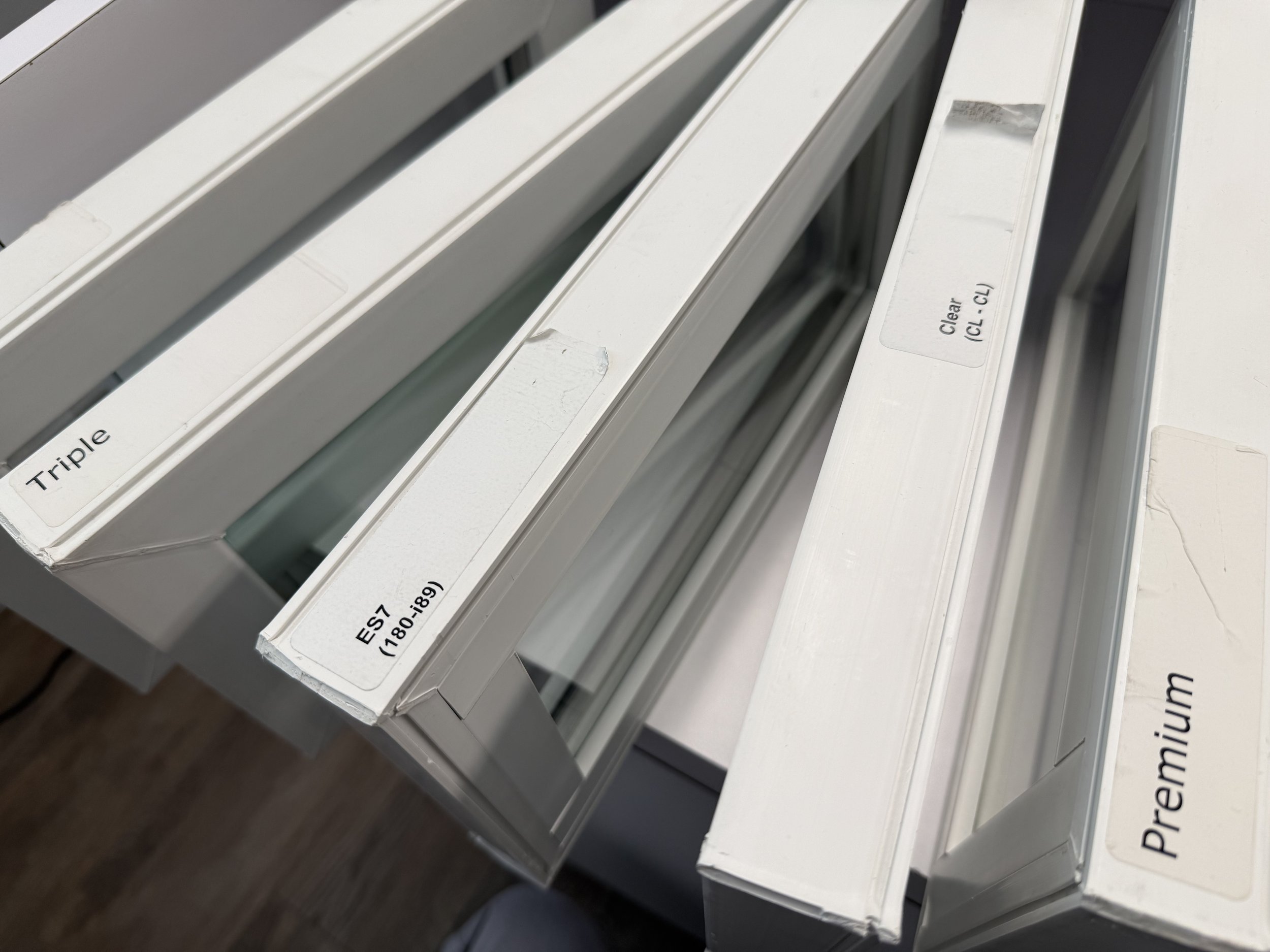
Much like cars, phones, and computers, windows are also available with different features. Which features you should look for will depend on how you want your windows to perform and if you think it will make them easier to maintain. For example, if you’re replacing windows on a second story of your home, you may want to consider getting windows that tilt inward to make it easier to clean the exterior side of the window. Or if you’re trying to make your home more energy efficient, you’ll want to look for double or triple glazed windows that are insulated with argon. If you live in a very noisy area, triple glazed windows are great for reducing noise in your house.

Materials

Replacement windows are available in many different materials and the type of material you choose will make a big difference not only on your home’s appearance, but also in how well they perform, how much effort you have to put into maintaining them, and how much they cost. For example, vinyl replacement windows are one of the most popular types of windows for many reasons. They’re more affordable and energy efficient than many other types of windows and require very little maintenance. On the other hand, many homeowners love the look of wood windows, but they are the most expensive type of replacement window and require a lot more maintenance than vinyl windows.

Style

Windows come in a wide variety of styles that can make a dramatic difference in your home’s appearance and how comfortable your home is. Double-hung windows are one of the most popular window styles and have two sashes that can be opened. Picture windows let in lots of natural light, but can’t be opened. Bay windows are an excellent way to let in more light, improve your view, and make a room feel larger and more open. Casement windows are a very popular choice. Unlike other types of windows where the panes move from side to side or up and down, casement windows are on hinges that allow them to swing open like a door. These are just a few of the most popular styles of windows, so be sure to do your research to figure out which style would work best in your home.

Energy Efficiency

One of the most common reasons why homeowners choose to replace their windows is because they’re trying to make their home more energy efficient. If this is what you’re hoping to achieve, be sure to look for windows that have glass with a low-E coating and have multiple panes that are insulated with argon. You’ll also want to look for windows with a high R-value, typically around 4-7. The R-value indicates how well a window is able to insulate, so a higher number here is definitely a good thing. But on the other hand, you’ll want windows with a low U-factor. The U-factor is the rate at which a window reflects conducts heat, so the lower the U-factor, the less heat it conducts.

Pros and Cons of Converting Your Garage Into a Living Space

Pros and Cons of Converting Your Garage Into a Living Space There are many reasons why you might need an extra room in your house. Maybe you need a home office, want to create a fun rec room for your family to enjoy, need to add more space for a family member to live, or have always wanted to have a home fitness center. Whatever your plans may be, one way to get the extra space you need without moving to a new home is by converting a non-traditional living area into a more functional space.

Basement and attic conversions have become very popular home renovation projects in recent years, as have garage conversions. Converting your garage can add a lot of enjoyment to your home, but like any major home renovation project, it has its pros and cons.

Easier and Less Expensive Than Moving or Building an Addition

One of the best things about converting your garage is that you get extra space to work with in a way that’s relatively fast, unobtrusive, and inexpensive. Properly converting a garage is hardly fast or cheap, though; having the job done right can easily cost tens of thousands of dollars and may take weeks to complete. You’ll need to do things like add insulation, make sure the garage has a way to be heated, adjust the electrical system to make sure it can handle the extra demand, add windows and doors, just to name a few, which can all add up quickly.

But the good news is that converting a garage is still faster and much less expensive than buying a new home or building an addition on your home would be. Since you’re working with an existing structure, you don’t have to do things like pour new foundation or build new walls. And converting a detached garage isn’t going to interfere with your ability to live comfortably inside your house while the work is being done. If you have an attached garage, you might be able to remove the wall between the garage and your house to create a much larger space, although that would be more disruptive to the rest of your home.

Loss of Storage

The biggest disadvantage to converting your garage is that you’ll be losing a big source of storage space. Not only will you have to find another place to park your car, you’ll need to find a place to store things like your lawn mower, yard tools, bikes, and other things you don’t typically store inside the house.

Of course, how much of a disadvantage this is depends on how much stuff you keep in your garage, whether or not you have other storage options available to you, and if you’re okay with leaving your car parked outside. If you don’t typically keep much in your garage anyway or also have a shed in your yard, this might not be too much of an issue. But if leaving your car parked outside would be a problem, maybe converting your basement or attic would be better options to look into.

Might Make Your Home Hard to Sell

Whether or not converting your garage is a good idea can depend on whether you’re planning to stay in your home or want to sell soon. If you have no plans to move anytime in the near future, converting your garage into a more livable space can certainly add a great deal of personal enjoyment to your home. But if you’re thinking of selling your home and moving within the next few years, you might want to skip this project.

Since many home buyers look for homes with garages specifically because they want a place to park their car and store things, a permanently converted garage could be a major deal breaker for many people who are interested in your home. However, if you don’t see yourself staying in your home much longer but you absolutely need the extra space, look for ways to convert the space without making permanent changes. That way, you’ll get the additional space you need and it can easily be turned back into a regular garage if need be.

5 Great Ways to Improve Your Home’s Energy Efficiency

5 Great Ways to Improve Your Home’s Energy Efficiency We hear a lot about how important it is to make your home more energy efficient. Not only does it help the environment, it can save you a considerable amount of money and make your home a much more comfortable place to be. There aren’t really any downsides to improving your home’s energy efficiency, so how can you get started? Here just a few of the best steps to take to make your home more energy efficient.

Add Insulation

If your home is a newer build, it’s probably already pretty well insulated. But if your home is a bit older, there may be some room for improvement when it comes to insulation. When your house was originally built, it was probably built with the amount of insulation that was required at the time. But insulation guidelines have improved over the years and as a result, many homes in the United States are now considered to be under insulated. Adding more insulation to your home, especially along the attic floor, is one of the most effective ways to improve your home’s energy efficiency and make it a much more comfortable place to live.

Replace and Maintain Your Doors and Windows

The doors and windows in your home are your connection to the outside world. If they’re not well maintained or have outlived their useful life, they won’t be able to protect your home as effectively as they ought to and you’ll have higher energy bills as a result. A couple of times a year, it’s a very good idea to inspect your doors and windows to look for things like worn-out weatherstripping and gaps that have formed in the caulking. Simply replacing worn weatherstripping or replacing worn-out caulk will do a lot to reduce your energy bills. If your doors or windows are simply old and worn out, you may want to consider replacing them with more energy-efficient options like steel-core doors or vinyl replacement windows.

Add Low-Flow Plumbing Fixtures

How old are the plumbing fixtures in your home? If it’s been awhile since you replaced your sink faucets and showerheads, replacing them with newer low-flow fixtures is an excellent way to cut down on your water bills. According to Energy Star, switching to low-flow plumbing fixtures can reduce your energy bills by as much as $145 per year.

Check Your Air Ducts

When you check your home for drafts, you probably start with the usual places like along windows, doors, and baseboards. But don’t forget to check your home’s air ducts. If your air ducts have gaps in them or aren’t insulated, a large percentage of your home’s heated or cooled air, some estimate as much as 30-40%, could be getting lost before it gets where it’s supposed to. Having a professional come to your home to insulate and/or seal your air ducts will cost a few hundred dollars, but it can easily pay for itself within a couple of years.

Replace Your Air Filters

Replacing the air filters in your home’s HVAC system is an extremely affordable and easy way to keep your energy bills down, improve the air quality in your home, and keep your HVAC system in good working order. When air filters aren’t replaced regularly, air has a harder time moving through the system so the HVAC system has to work harder to push the air through the dirty filter. Over time, this can put a strain on your HVAC system and result in higher energy bills and expensive repair costs.

Making the Most of Your Closet Space

Making the Most of Your Closet Space Closets are easily one of the most important spaces in our homes. We need them to store our clothes and they help block us from having to look at clutter. But closets also one of the most difficult places to keep organized. Between the fact that we reach into them at least once a day when we get dressed and the time we spend putting our laundry away each week, it’s very easy for closets to get disorganized very quickly. As if that weren’t enough, many people feel like their closets are simply never large enough. Here are a few ways you can maximize the space in your closets and help keep them organized in the long run.

Over-the-Door Shoe Racks

No list of closet organization tips would be complete without mentioning over-the-door shoe racks. They truly are one of the most helpful tools you can have when it comes to organizing a closet. By storing your shoes off the floor, you’ll be freeing up space to store other things. Plus shoe racks are a great way to keep clutter under control and prevent you from making any frantic last-minute searches for missing shoes.

Best of all, over-the-door shoe racks don’t even have to be limited to just storing shoes. Many people use vinyl pocket over-the-door shoe racks to store things like T-shirts, scarves, gloves, socks, and other accessories or smaller pieces of clothing that can don’t take up much room.

Dividers and Bins

It’s much easier to keep a closet organized when everything has a designated place to go. By using bins and putting dividers on your closet rod, it’s easy to create a specific place for everything. If you’re looking for a certain sweater, you’ll never have to go searching through your entire closet to find it, you’ll know to go straight to your sweater section.

Look for Hidden Storage Opportunities

All closets have a limited amount of space available, but sometimes, you might be able to find some hidden storage opportunities. For example, do you keep your suitcases in your closet? If so, they can double as a great storage space for things like extra blankets or out-of-season clothing when they’re not being used.

Slimline Hangers

Hangers might not seem like they take up a lot of room, but you might be surprised how much space you can free up by replacing thick plastic hangers with slimline hangers. Slimline hangers take up very little room and are covered with a velvety material that prevents pieces of clothing from sliding off. Best of all, many slimline hangers have built-in hooks so you can cascade your hangers, freeing up even more space in your closet.