
Blog

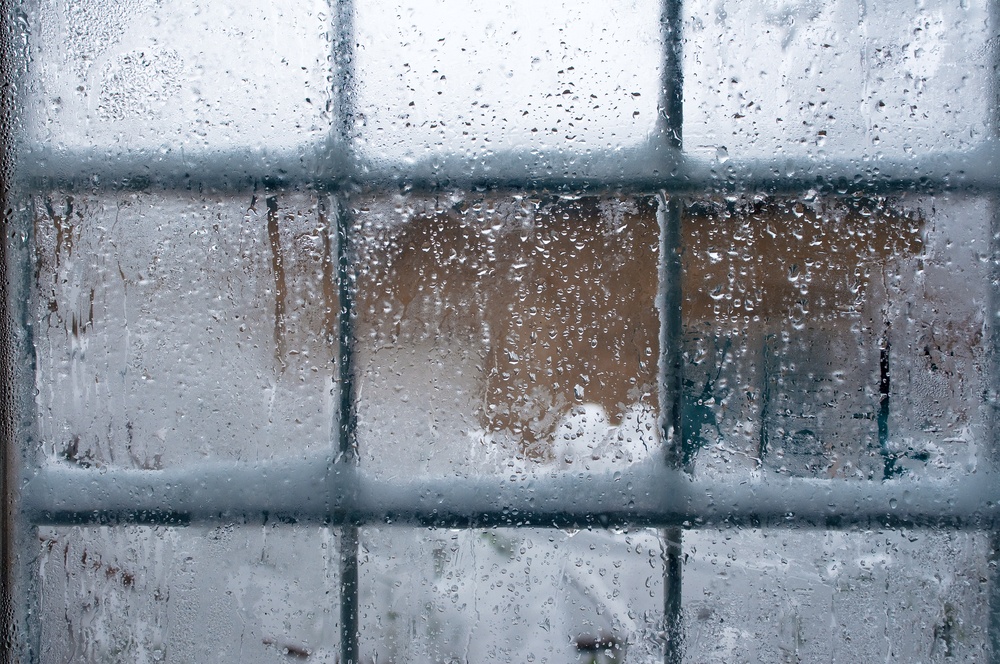
Benefits of Replacing Your Windows in Colder Weather

Benefits of Replacing Your Windows in Colder Weather Certain types of home improvement projects are best when done during specific times of the year. For example, spring is the best time of year to have a new deck installed because that’s when the ground is softest, making installation easier. On the other hand, the cold winter months are actually ideal for laying the new foundation for an addition to your home. But one project that many homeowners don’t realize can be done at any time of year is having vinyl replacement windows installed.

Spring and summer are the most popular times of year to have windows replaced, but there’s no absolutely no reason why window replacement should only be limited to those times of year. In fact, there are some great benefits to having your windows replaced during the winter or later in the fall.

Immediate Results

Sometimes, you might not realize just how drafty and inefficient your windows are until the temperature starts to drop. Once the cold weather starts rolling in, drafts suddenly become a lot more apparent. If you have windows that are so inefficient that you can tell how cold it is outside just by touching the glass, you certainly don’t want to spend all winter being uncomfortable in your own home and paying more than you should have to on your energy bills. By having your windows replaced right away, rather than waiting for next spring or summer, you’ll immediately be a lot more comfortable and you’ll see your energy bills start to go down right away.

Better Prices and Faster Installation

The fact that so many people are eager to have windows replaced during the summer can actually work in your favor. Since companies that install windows aren’t as busy during the colder months, they typically have special deals and sales during the off season. When you schedule your window replacement during the off season, you not only stand to save quite a bit of money on your new windows, you probably won’t have to wait as long for your new windows to be installed as you would if you replaced your windows during the summer.

Efficient Installation

Summertime can be a very humid time of year, which can cause the wood framing of your home to swell and expand a little bit. Waiting for the weather to cool off before having your windows replaced gives the wood framing a chance to return to its normal size, allowing for extremely efficient window installation.

Some of the most common reasons why homeowners prefer to wait for warm weather to have their windows installed is because they’re worried the job will make their whole house cold or that workers will track snow and water throughout their home. If you’re concerned about these sorts of things, ask your window company about what measures they’ll take to avoid them. A reputable company will do things like use protective floor coverings to avoid damaging your home or work with doors shut to prevent cold air from working its way elsewhere in the house.
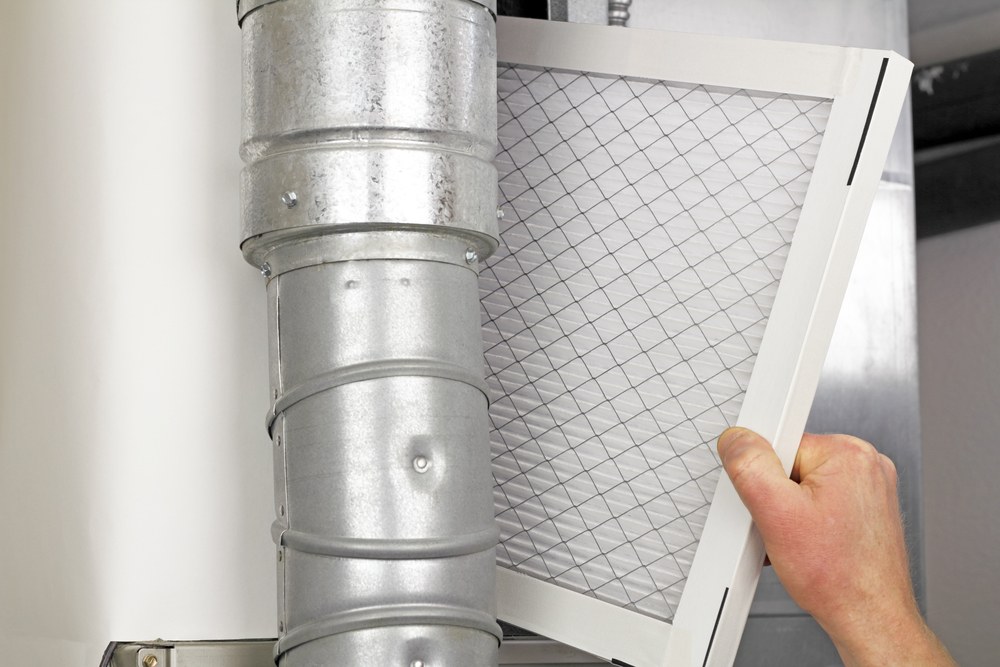
What You Need to Know About Furnace Filters

What You Need to Know About Furnace Filters If you want to keep your home’s furnace in top condition for years to come, one of the best things you can do is make sure its filters are changed regularly. Furnace filters aren’t expensive, they’re easy to change, and they play a very important role in how well your furnace runs. If a furnace filter gets too dirty, the furnace has to work harder to move the warm air throughout the house, which puts a greater strain on your furnace and drives up your energy bills. Dirty air filters can increase a furnace’s energy consumption by as much as 15% and when a furnace has to work harder just to operate, the more likely it is that you will have to deal with big repair bills.

When you have someone come out to your home to repair or inspect your furnace, there’s a good chance they’ll ask you how frequently you change its filter. Some people will say you should change your filter monthly, others will say every three or six months. So how often do you really need to change your furnace filter? It all depends on several different factors, such as whether or not you have allergies, if you have pets, if you’re a smoker, and the type of filter you use. If you have allergies, changing your furnace’s filter more frequently will help keep airborne allergens in your home under control. Smokers and pet owners may find that their furnace filters get dirty more often because of all the smoke and pet hair that makes its way into your home’s ducts.

Not all furnace filters are created equally. There are several different types of furnace filters out there and some types are more effective than others. As you’re looking for a new filter, look for filters with a higher minimum efficiency reporting value (MERV). The higher a filter’s MERV value, the more effective it is at trapping dust and other particles you don’t want circulating in your air. Filters with lower MERV values are less expensive, but they’ll typically need to be changed more frequently.

Fiberglass filters are one of the most inexpensive types of filters out there, but they do very little to improve the quality of air in your home. They usually only trap less than 10% of air pollutants in your home and will need to be replaced very frequently, sometimes as often as every month. Polyester or pleated filters are also inexpensive, but they’re much more effective than fiberglass filters at improving air quality, removing upwards of 45% of air pollutants.

To really improve the quality of air in your home, look for a filter with a MERV value of 9-12. There are filters out there with MERV values ranging as high as 16, but those are most commonly used in places like hospitals. Using a filter with too high of a MERV value can actually damage your furnace by slowing airflow down too much, but a MERV value of 9-12 is typically enough for an average household to keep allergens and debris out the air.

Not sure how often you should change your filter? Just take a look at it every month or so. If it appears to be clean, you should be able to continue using it for a bit longer. But if the filter is coated with dust and other debris, it’s time to get a new one.

Easy Ways to Stop Window Drafts

Easy Ways to Stop Window Drafts Simply put, drafts in your home are a nuisance. Windows are an extremely common source of drafts, but that doesn’t mean you have to live with drafts. The only things window drafts are good for are making your home uncomfortable and driving up your energy bills. If your windows are simply old, your best bet might be to replace them with something more energy efficient, like vinyl replacement windows. But if your windows aren’t very old, there are plenty of other things you can do to get rid of drafts without completely replacing them.

Looks for Signs of Damage

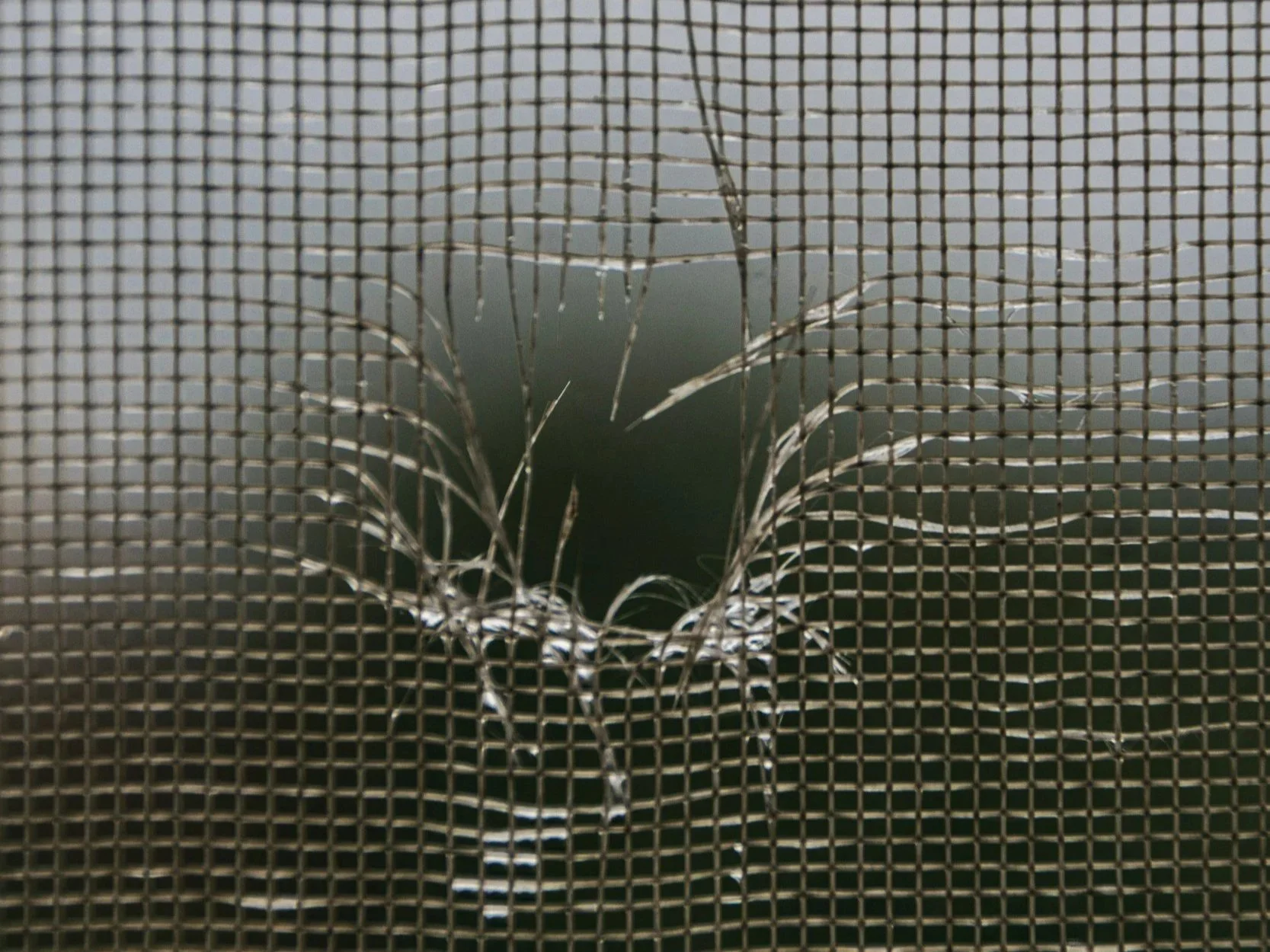
In many cases, drafts are caused by damage to the window. If your window has cracked glass or isn’t able to shut properly, having your window repaired may solve the problem.

Add Caulking

Caulk plays an important role in preventing drafts around windows, but over time, it can become brittle and fall out of place. If this seems to be the case, removing the old caulk and replacing it is a pretty easy and inexpensive task. All you need to do is remove the existing caulk, clean the area where you will be applying new caulk, and apply the caulk according to the manufacturer's instructions.

Weatherstripping

Adding weatherstripping to a window is another easy, inexpensive, but highly effective way to put an end to drafts. You can find weatherstripping at any hardware store and you’ll be able to install it in a matter of minutes. Just be sure to inspect your weatherstripping once or twice throughout the year to make sure it hasn’t gotten worn down because worn weatherstripping won’t be able to protect your home as effectively as it ought to.

Window Coverings

Window coverings don’t just help you add privacy or control the amount of natural light a room gets. Certain types of window coverings can also help keep rooms warmer. Things like honeycomb shades, insulated or quilted curtains, and other types of curtains made of heavy materials can all help shield you from drafts and keep rooms warmer.

Draft Snakes

Need a quick, temporary fix for a drafty window? If you can feel the draft along the bottom of the window, where the pane meets the window sill, a draft snake will do the trick. All you have to do is put it in front of the draft. You can buy ready-made draft snakes, or you can make your own by simply sewing a tube of fabric, filling it with uncooked rice, and sewing it shut. It won’t be a permanent solution, but it will at least help make your home more comfortable until you’re able to fix the problem for good.

Make a Decorative Statement With Ceiling Colors

Make a Decorative Statement With Ceiling Colors There’s no shortage of ways you can add color to a room. You can paint the walls, buy some colorful furniture, find an eye-catching rug, shop around for some unique accessories, or find some beautiful curtains, just to name a few. But one often overlooked way to add color to a room is by adding color to the ceiling.

Many homeowners choose to leave their ceilings painted a matte white, but there certainly aren’t any decorating rules saying that ceilings should only be white. There’s absolutely nothing wrong with white ceilings; there are plenty of good reasons why they’re so popular. But painting your ceiling another color is certainly an option worth considering. Painting a ceiling a different color can look very stylish and help give a room a completely new look. Here are a few ideas for how to use color on your ceiling.

Accent Ceiling

When people decide to redecorate a room, they’ll often paint one wall a different color to serve as an accent wall. But instead of creating an accent wall, why not have an accent ceiling? If you have pale walls, painting the ceiling a bold, vibrant color can be a great way to add visual interest to a room. You could even paint your ceiling the same color as an accent wall to create a longer stretch of color.

Adjust the Size of a Room

Painting your ceiling obviously won’t physically alter the height or size of a room, but color can be used to create the illusion of a room being larger or smaller than it actually is. One reason why white is such a popular ceiling color is because it can make rooms seem taller, but other light colors can have the same effect. Rooms with very tall ceilings can feel a bit imposing, so if you wanted to make a room feel smaller and more intimate, painting the ceiling a dark color will help make the ceiling feel lower. Painting your walls and ceiling the same color is another way to help make a large space feel a little cozier.

Use Contrasting Moulding to Add Definition

Many decorators love the idea of painting ceilings and walls the same color or painting the ceiling a couple of shades lighter or darker than the walls. This can look very stylish, but if you want to create a little bit of definition between ceilings and walls, adding some moulding along the top of the walls in a contrasting color is a perfect way to go about it.

Bring Attention to Architectural Features

If your ceiling has unique architectural features like planks beams, you could use color to help highlight them. You could paint beams and the rest of your ceiling a color that contrasts from your walls, or you could just paint the areas behind the beams so that the beams themselves can stand out.

Choosing the Right Type of Flooring for Your Home

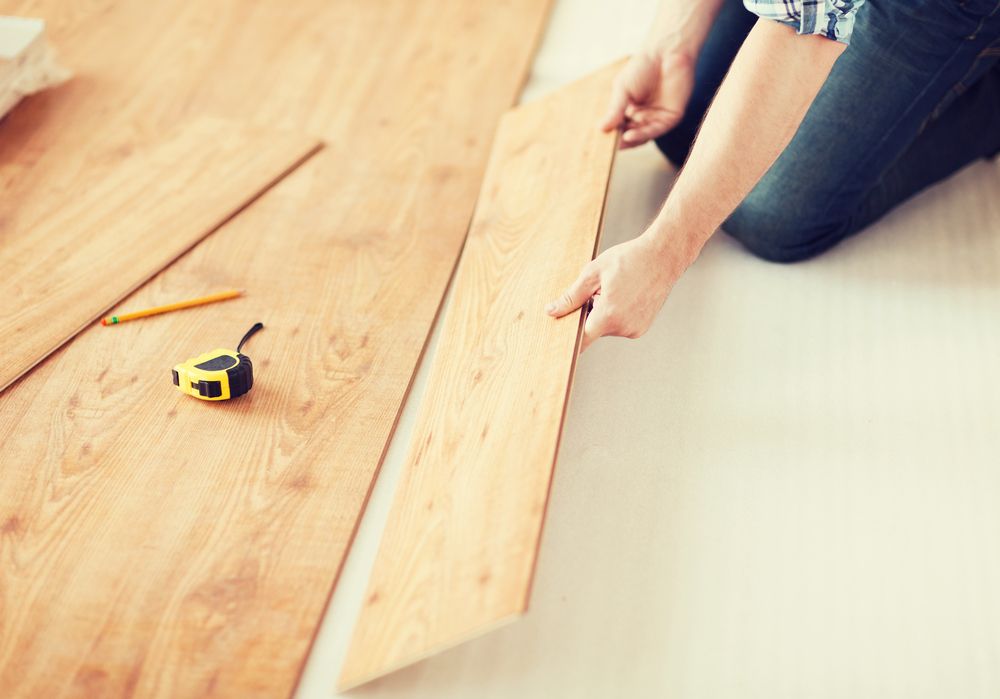
Choosing the Right Type of Flooring for Your Home Replacing the flooring in your home is a big decision. It’s a significant project that makes a big difference in your home and is something that will be part of your home for years to come, so it’s only natural to want to be completely sure you’re making the right decision. As you look around for your new flooring, you’ll have many different options to choose from, but how do you know you’re making the right choice? Here are a few of the most important things to keep in mind.

Practicality

There are a lot of excellent types of flooring out there, but not all of them may right for your room. Before you start shopping around for new flooring, consider the environment of the area; things like how much time people spend in the room and the things people do in the room. This will help you figure out which type of flooring would work best for you.

Rooms like kitchens, bathrooms, and basements can get pretty humid, so hardwood wouldn’t be the best choice for those areas since wood can warp. Flooring for rooms where people spend a lot of time needs to be durable enough to hold up well over time. If it’s a room where people tend to do a lot of standing, such as a kitchen, remember that certain types of flooring are more comfortable to stand on than others. Does your family tend to make a lot of noise? Carpeting and cork will help keep sound levels under control.

Price

Most of us don’t have unlimited amounts of money to spend on home improvement projects, so of course, it’s important to find an option that will fit your budget. Many people don’t have the budget for marble or natural hardwood flooring, but the good news is that there are many alternatives out there that are are both high quality and affordable. Love the look of hardwood floors? If 100% natural hardwood floors are out of your budget, laminate or engineered wood flooring can help you get the look for a fraction of the cost.  

Maintenance

How much time are you willing to spend taking care of your new flooring? Various types of flooring require varying levels of maintenance. If you want a truly maintenance-free option, you may want to consider a concrete floor. Cork floors can naturally heal themselves if something gets dropped on them, but should be resealed every couple of years to avoid water damage. Vinyl, linoleum, and ceramic flooring are also very easy to clean.

Environment

If you try to live an eco-friendly lifestyle, you’ll definitely want to look for an environmentally friendly flooring option. You’re in luck, because there are quite a few different green options for flooring out there. Cork, linoleum, bamboo, and sustainably-sourced natural hardwood flooring all make stylish and durable flooring options.