

Blog

Dangers of Not Replacing Old Windows

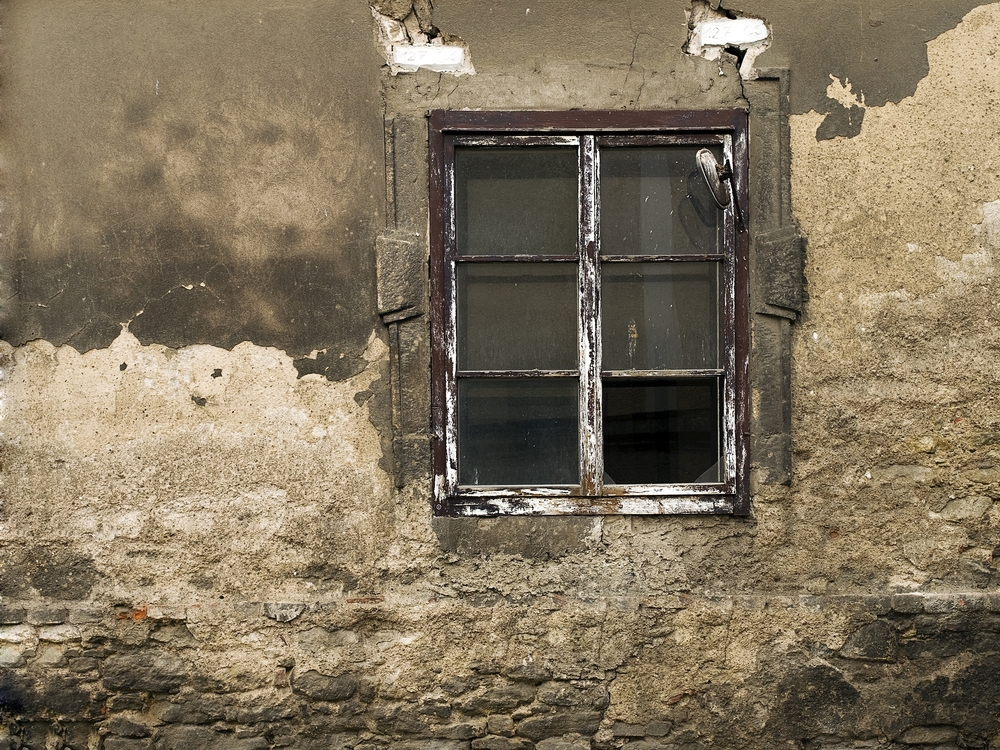
Old window on dirty building. When it comes to the well-being of your home, there are few factors more important than the quality and maintenance of its windows. For those working with windows that are past their prime, we’ve compiled a list of some of the risks your home may be up against and what you can do to mitigate them.

Avoidable Illnesses As any homeowner knows, the energy bill is directly influenced by the quality of insulation that its windows provide. When windows suffer from gaps, mangled frames, or recurrent air leakages, it leads to precious heat or air conditioning loss – which results in heaps of additional problems. Higher energy expenses aside, drafts can be a serious threat to homes with elderly family members, small children, and anyone with a weakened immune system as they are known to lead to illnesses such as colds, pneumonia, and various other ailments. Avoid these by maintain up-to date replacement windows with top quality insulation.

Mold Buildup When your windows are damaged to the point that they fail to insulate your home, immediate action must be taken; a telling example of this is repeated fog accumulation. A little fog every now and then is normal, but it signals a serious problem if it sprouts up over and over again over a short frame of time. The clashing temperatures of outdoor air mixed with a home’s leads to the creation of condensation. This condensation, also known as “fog,” creates a hospitable environment for mold and mildew formation. This is dangerous because mold spores floating in the air can infect your home food - like bread or fruit - and possibly even contaminate your respiratory system. Additionally, enough condensation can weaken the architecture of a home’s interior by dampening the wood and seeping into the walls.

Safeguard your home from mold by purchasing energy-efficient replacement windows, using dehumidifiers, and run the fan in spaces with a noticeably high amount of condensation.

Diminished Home Value or Curb Appeal Chipped paint, large cracks, creaky frames, and ugly bulbous use of caulk are automatic turn-offs for any prospective homeowner. There comes a point when a window’s visual aesthetic is so beat from year of repair that the best move is to replace it overall. Yes it requires an investment, but if you’re interested in selling your home in the near future, the windows are going to be under extreme scrutiny from eager homeowners, so you might as well make sure they’re up to snuff.

Weather Damages When a storm hits, it’s your windows that defend against vicious winds, pounding rain, and flying debris. For this reason, you’ll want to make sure the slide on your windows functions to full performance. If a storm strikes and you can’t close a window because it’s stuck, it could spell disaster for your home’s interior.

Home Security Aged windows with faulty sashes are a burglar’s paradise. Rest easy by employing a principal defense technique against home break-ins: installing strong, secure windows that can firmly shut. By following the best window security practice, you can rest easy knowing that you’ve taken proactive action toward defending your home against criminal activity such as burglary or theft.
 

Brighten Up Your Home with an Indoor Garden

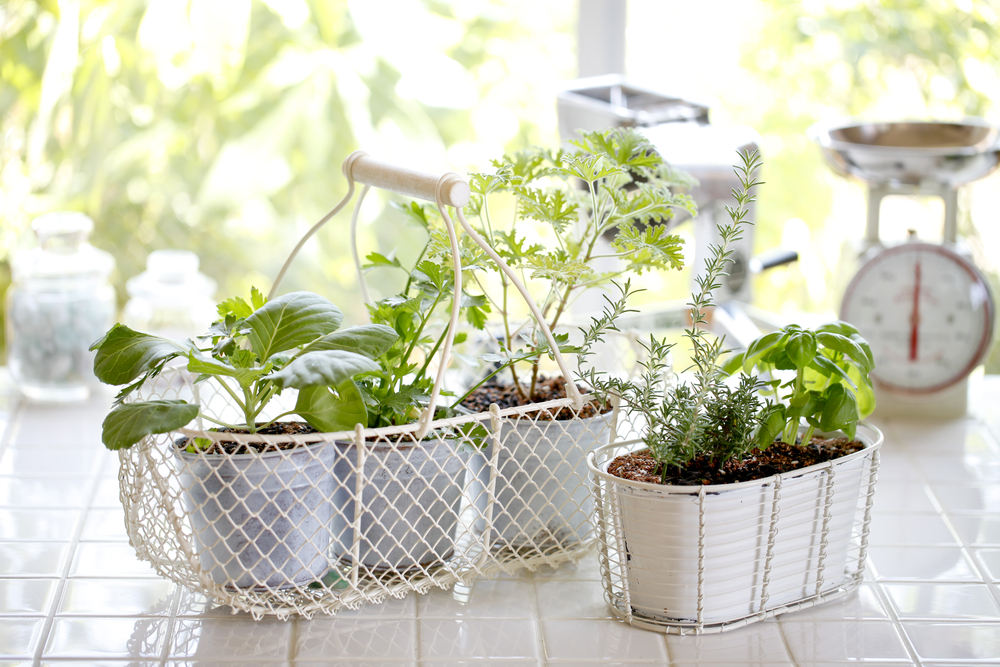
Small garden plants inside a home. Not everyone in the modern world has the time or space for a garden. Maybe you don’t have enough room on your property, maybe you can’t build or plant an outdoor garden because of homeowners’ rules, or maybe you just don’t have the time! For anyone in these situations, there is a cheap and easy alternative that will still give you the chance to enjoy fresh vegetables and beautiful plants: an indoor garden!

Indoor gardens, as true to their name, are simply a smaller garden that you can grow inside your home! Many plants still thrive indoors given the right care, and the process isn’t nearly as difficult as you might expect. Here’s a few tips to help get your indoor garden started!

Pick the Right Plants The first step should be deciding on what you want to grow. Are you growing vegetables and herbs to include with dinner, or are you just looking to liven up your house with some flowers? Plenty of popular plants can be safely grown indoors, from edibles like avocados and carrots to beautiful flowers like hibiscus and peace lilies, and they can be easily grown with a minimum of effort.

Find the Right Area Once you’ve decided on what you want to grow, next comes figuring out where to grow it! Depending on the type of plant (or plants) you’ll be growing, you’ll want to check out what circumstances they grow best in. If a plant needs a lot of direct light (which means six or more hours of bright sunshine per day) then you’ll want to keep it in a garden window, preferably facing south to gather the maximum amount of sunlight per day. If you’re growing something like a fern that loves moisture and mists, consider growing it in your bathroom to catch run-off moisture in the atmosphere from baths and showers. Knowing where to best grow your chosen plants is a crucial to healthy plants!

Accommodate for the Plants’ Needs Much like bringing a new pet home, plants will require some minor re-organizing of your home to accommodate for their need for sunlight, warm air, and so on. Try to avoid keeping them near drafts, such as heat ducts or right next to an air conditioner. If possible, provide things like pipes or lattice to help plants with creeping vines such as ivy or tomatoes. This step should be a lot easier once you’ve completed the first two, but is still an important thing to consider.

Hopefully this has given you the inspiration you need to work on your own indoor garden! Whatever plants you choose to grow, follow our tips and hopefully they’ll beautify your home, garnish your plates, or both, for years to come!

Making the Most of Natural Lighting

Sunlight peeking through windows. People these days tend to give a lot of thought to the best sort of lights to install in their homes. And why wouldn’t they? Nobody likes sitting in the dark (well, not all the time) and there’s plenty of lighting options to choose from.

But this reliance on electrical lighting tends to distract people from considering natural light, and that’s a shame! Natural light is cheaper, better for the environment, and more...well, natural! We know it’s not always practical to have total sunlight in your house, but we’ve found these ways to maximize the amount of natural light coming into your home without a ton of effort or major remodeling!

Careful Placement of Decorations While this one is easy to overdo (and you don’t want to shine light right in people’s eyes, do you?), the tasteful and strategic placement of mirrors and shined metal decorations can do a lot to increase the amount of light reflected through a room. Place a mirror directly opposite your most south-facing window and keep a lot of polished brass, gold, and silver decorations around the window to increase the sunlight being bounced around. You’d be surprised what a difference it can make!

More - and Newer - Windows Now, we’re not saying your entire house needs to be covered in windows, but newer windows make a big difference. New windows without years of dirt and scratches will let more light in, and the energy efficient design of many modern vinyl replacement windows will trap more natural heat from the sun, helping to reduce your energy bills. If you can get a door with windows on it (especially ones with a thinner-mesh screen), that will help bring the light in too! Speaking of windows…

Thinner Window Treatments If you don’t want to replace your windows, you might want to consider at least replacing your curtains. Home, budget, and security preferences will all come into play here, but if you want a cheap way to increase the natural light in any given room you should consider thinner curtains or shades. Lighter fabrics will let more light in, even if the curtains are still drawn. If privacy is still a concern, you could consider shutters instead.

Keep Your House Clean and Shiny This ties in with the first two tips, but it’s worth re-iterating. Even if you can’t install new windows, even if you can’t get new mirrors into your rooms, just try to keep everything clean, polished, and shining. Something as simple as a bright white countertop will reflect enough sun to make a difference so long as you give it a good wash.

These are just a few of our tips, and we hope they help brighten your day - literally! And if you’d like some more information about vinyl replacement windows, contact Wallside Windows today!

Five Things Home Buyers Want Most

  With the inconsistencies in the housing market these days, anyone looking to sell their home needs any advantage they can get. While the ever-changing needs and wants of home buyers seem to change by the day, there’s a few things you can include to entice any potential buyer who comes by to look at your property.

Dedicated Media/Hangout Room Call it a movie room, call it a “man cave”, call it what you will, but there’s a huge appeal to having a room in your home devoted to hanging out and entertaining guests. Any specially designed room that can accommodate things like a home theater setup, tons of video game systems, or even a built-in bar will attract a ton of attention. And if you can include the needed equipment (TV, speakers, etc) with the house, even better!

Exterior Lights Not only will exterior lighting help grab buyers’ attention, they’ve actually been shown to raise the perceived value of a home. Exterior lighting has been cited in studies to be the most-wanted outdoor feature on a home, even more than ornate doors or lavish landscaping. So if you’ve got any good exterior lighting to show off, make it stand out - it could get more buyers to check your house out!

Energy Efficient Windows Everyone wants to save money where they can, and new energy efficient windows are one of the best ways to reduce a home’s energy bills. Buyers tend to be impressed with home options that can save them money without limiting their comfort or becoming inconvenient, and energy-efficient replacement windows are the perfect solution. If you’re considering selling your home, installing a set of brand-new vinyl replacement windows might just be the thing that gets your home sold!

Closet and Storage Space While not every home is going to have walk-in closets in every room, storage space is still key when buyers are looking for a home. If you have a storage shed, garage, or large closets, try to keep them free of debris when buyers are walking through your property to illustrate how much room they’ll have for all of their stuff - and if your house has any unique or unusual storage areas, show them off!

Home Offices More and more companies encourage their employees to work from home, and even when it isn’t normal business hours people are always checking email and catching up on things. While not all buyers will want a dedicated home office, those that do will place a high value on a room they can dedicate to their computers, printers, and so on. If you’re looking to court young professional buyers, a room loaded with built-in desks and shelving could be just what they’re looking for.

REFERENCES: http://www.kiplinger.com/slideshow/real-estate/T010-S001-7-features-home-buyers-want-most/index.html

Simple Tips for Cleaning Your Home - on the Outside!

Outside cleaning It’s easy to find advice on home cleaning - the internet is chock full of helpful tips and guides for arranging the clutter in your home, and you’ll have plenty of neighbors and relatives who would be more than happy to give their two cents on how you should go about it (even if you haven’t exactly asked them). But there’s one important side of your home you don’t hear discussed too often - the outside! A good clean outside will improve the appearance and value (with some appraisers saying a clean exterior adds 5%-10% to your home’s value!) of any home, no matter how old.

The best place to start is with your home’s siding - and it isn’t as daunting as you might expect! First, try to remove any obstructions or exterior decorations if you can to free up some room. For the next step - the actual cleaning - you should start with simple mixture of warm soapy water with a dash of white vinegar to handle any debris on the outside. This mixture should be safe for both wood and vinyl siding, and the only other thing you should need is a long brush for those hard-to-reach places. If your home has more brightly-colored vinyl siding, you can substitute bleach instead of vinegar - just be careful not to get any on your clothes! This mixture can be rinsed off with your average garden hose when you’re done scrubbing. If the vinegar and water isn’t cutting it, you might want to employ something stronger like Simple Green or Moldex.

Next, you should move on to your front door and deck (or porch, or whatever you might have). Most doors can be cleaned by mixing water and laundry detergent - if you’ve got older, more ornate wooden doors, you might want to consider Murphy’s Oil Soap instead. Wipe the doors top to bottom with a rag or a brush (make sure it’s non-abrasive!) and rinse it gently with your hose. The same process can work for porches, but you might need a slightly longer brush.

If you’re still feeling motivated after all that, you can move on to lights and windows! Remove any bulbs from the lights and turn them off before cleaning. Depending on what the lamps are made of, you can use anything from soap and water to brass polish. Windows shouldn’t be hard either - rainfall usually does the cleaning for you, but if you really want to show off your nice vinyl windows you could try glass and/or household cleaner.

After this, the outside of your house should be as good as new! You might want to repeat this a few times through the summer, depending on the local weather and conditions. Now all you have to worry about is the inside...