



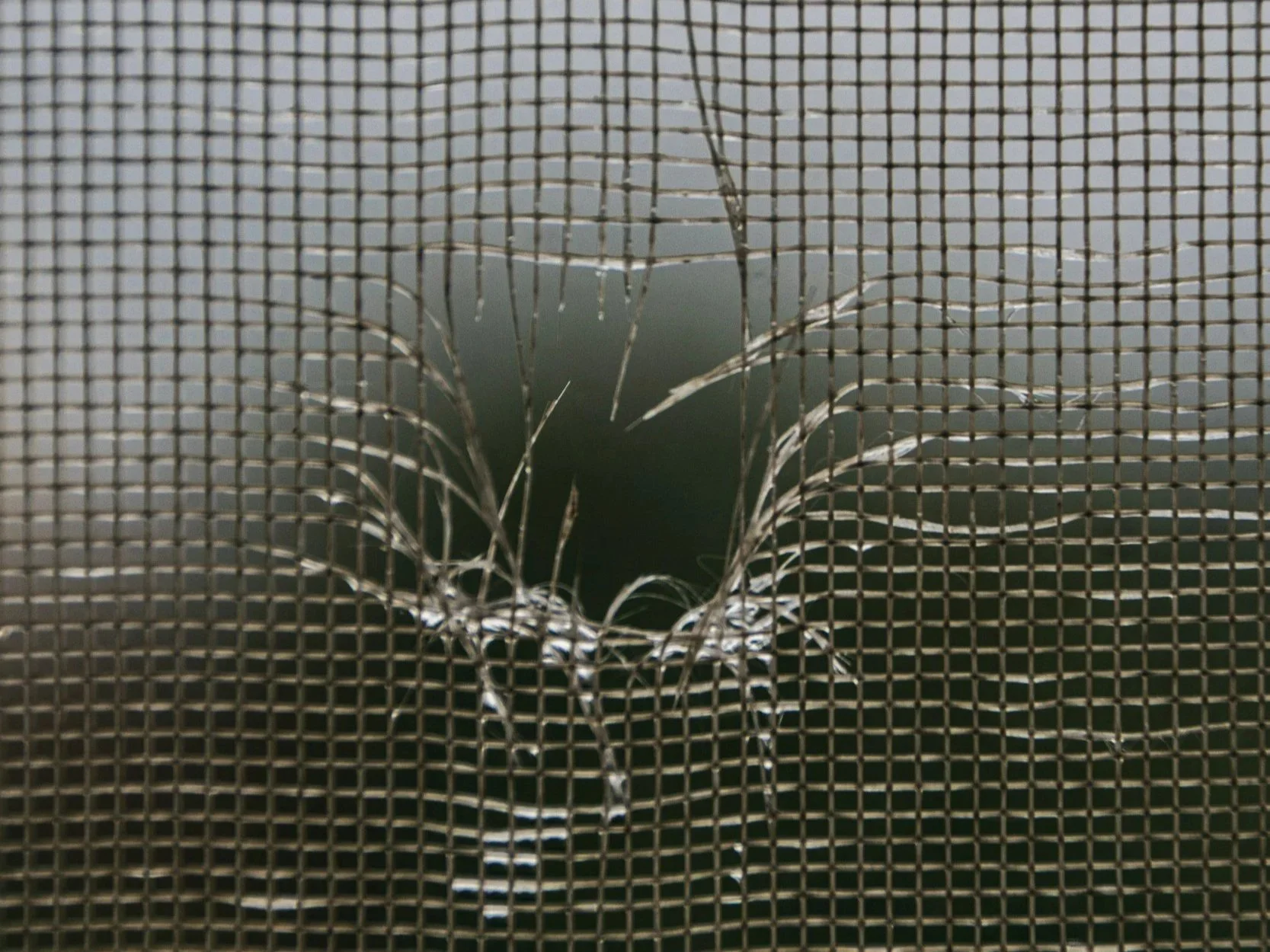

 Whatever style of home windows you have, fog is bound to accumulate around them. Here's what you need to know about why fog so commonly accumulates on windows and what you can do to lessen the frequency of it.
What Produces Fog When warm and cool air mix, it creates condensation (fog). Indoor activities—such as cooking or showering—are producers of ordinary fog creation due to the condensation from the warm water they use. Although fog is normal, there are circumstances when it can be a serious detriment to your home—especially when build up becomes excessive and recurring. Another common instance of fog is when the seasons change—a swift clash of dissimilar temperatures.
Symptoms of Dangerous Fog Buildup The presence of home fog can usually be attributed to gaps or cracks in window frame, broken weatherstripping, or shoddy window seals. These allow intrusive airflow that, when mixed with the home’s air, becomes condensation. For example, when warm summer air enters a cool, air-conditioned living space and mixes with the cool air generated throughout the interior, it creates fog. When the windows contain a significant amount of fog, it’s a sign other areas of the house may bear moisture buildup; check the ceilings, walls, and attic as these are main points this humidity collects.
Why It Should be Taken Care of Immediately Health hazards such as moisture and mildew are known to accompany the presence of fog, so it's imperative you take care of any noticeably high collections of condensation or humidity as soon as possible. Also, with enough moisture build up, your home's infrastructure can suffer adverse effects to areas such as its roof and furniture.
Ways to Defog Home Windows: As mentioned above, there are a number of culprits that could point to your home's fog accumulation. Look below for some of the most effective methods:
1. As discussed above, windows are your primary defense against moisture-packed air from infiltrating your home; check for air leakages, gaps, or poor sealing and take appropriate action to repair them.
2. To reduce humidity, use a dehumidifier in rooms with noticeably high instances of condensation.
3. Install double-pane replacement windows, which are supreme insulators against cold weather and moisture alike.
4. Ventilate humidity-concentrated areas with fans.
5. In general, do less activities that use hot water in order to mitigate humidity.
 As most first-time homeowners know, the bills have a knack for surprising us from time to time. We’ve put together a list of some of the most common perpetrators of monthly fees that seem to come out of nowhere.
 The luxury of an air conditioning system—especially during the arid summer season—goes without saying. But when money's tight, you may have to ration AC usage for a few hours in order to save your hard-earned cash. Here's how to keep your house at a tolerable temperature without AC:
 There's no better time than summer to finally tackle those household repairs you've been meaning to get around to. Things add up over the busy spring and winter seasons when the weather conditions prevent us from conducting proper upkeep - both indoor and outdoor. Get into the swing of summer by checking out our home fix-it list we’ve compiled for anyone with a home to utilize.
 Re-grout Bathroom Tile
Due to the moisture-filled air that constantly fills a bathroom’s space, its tile is susceptible to mildew and weathering. Long-term damage can be avoided by regularly grouting the tile. For those who don’t know, grout is the material used to seal tile floors; it’s basically the glue that keeps it firmly structured together. To re-grout your bathroom, you will need to purchase grout material based on the type of tile you have; ask a trusted store clerk if unsure of the type you should buy.
Re-grout Bathroom Tile
Due to the moisture-filled air that constantly fills a bathroom’s space, its tile is susceptible to mildew and weathering. Long-term damage can be avoided by regularly grouting the tile. For those who don’t know, grout is the material used to seal tile floors; it’s basically the glue that keeps it firmly structured together. To re-grout your bathroom, you will need to purchase grout material based on the type of tile you have; ask a trusted store clerk if unsure of the type you should buy.