
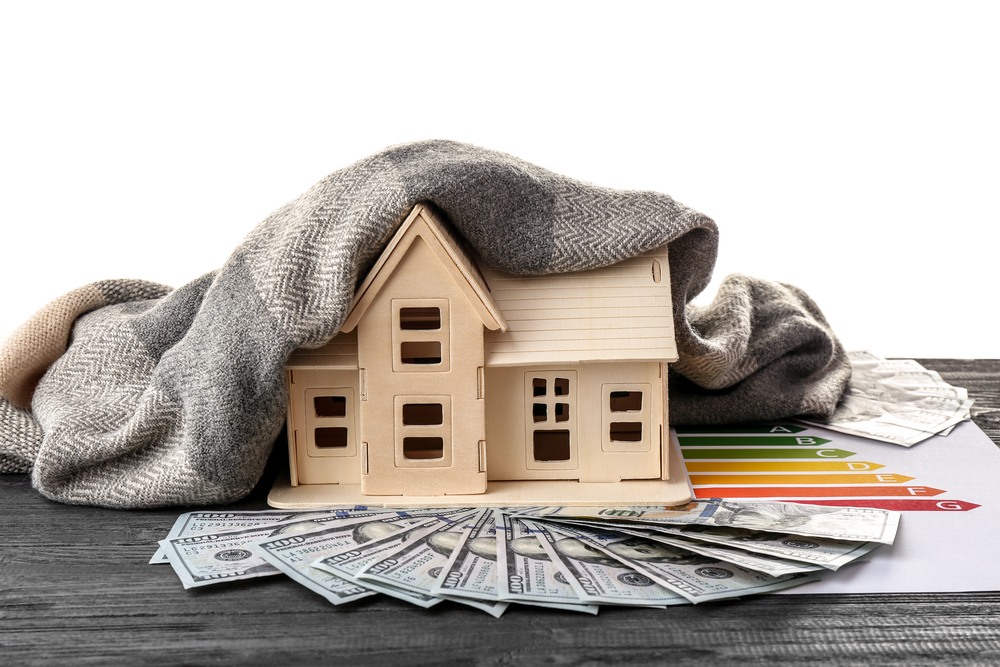
Stay Warm Without Turning Up the Heat

home with blanket, heating bills, and money Stay Warm Without Turning Up the Heat

Once the temperature outside starts getting cold, keeping your home warm can get very expensive. On average, the costs of heating and cooling a home accounts for over half of a homeowner’s total utility bills. Of course, you want to stay warm and comfortable in your own home, but keeping the thermostat up nice and high costs a pretty penny and constantly wrapping yourself up in blankets at home can be annoying. So, what can you do to stay warm without relying on your furnace so much?

Check for Drafts

Drafts along windows and doors are a major source of heat loss in homes. If your heating bills are higher than you’d like them to be, spending a few minutes checking all your windows and exterior doors for drafts could be extremely worthwhile. Make sure all your doors and windows have weatherstripping on them and that there aren’t any gaps in the caulking around them. It’s very common for caulk to become brittle and fall out of place as it ages, so it’s entirely possible that your caulk might need a little touching up. Although windows and doors are some of the most common places drafts form, they can occur anyplace where openings have been cut into walls, such as around electrical outlets and areas where cables are being run into the house, so don’t forget to check them, too.

Change the Direction of Your Ceiling Fans

Many homeowners think their ceiling fans are only being useful during the hot summer months, but they’re actually extremely helpful all year long. When winter arrives, change the direction of the blade rotation so that they turn clockwise.  When fans turn counterclockwise, they help cool air circulate throughout the room. But since heat rises, setting the fan to turn clockwise will help push that warm air down where you can feel it.

Turn Up Your Humidifier

If you have a humidifier in your home, winter is the best time of year to use it. Air has an easier time holding onto heat when humidity levels are higher, so by using your humidifier, you’ll be able to feel more comfortable even with the thermostat set a few degrees cooler. Since furnaces tend to make air very dry, running a humidifier will also help eliminate problems like dry skin and annoying static cling.

Make the Most of Your Windows

Although drafts along windows are a common source of heat loss, your windows can be very helpful in keeping your home nice and warm. The days may be shorter during the winter, but make the most of the daylight we do get and keep your curtains open during the day to let the heat from the sun help heat your home. But once the sun sets for the day, closing your curtains will help keep drafts out and heat in. Make sure you have curtains made of a thick, heavy material on your windows for best results. However, if your windows are old and worn, you may want consider replacing them with a more energy efficient option like vinyl replacement windows.

Add Insulation

The older your home is, the more likely it is that your home could benefit from some added insulation. Not only will this help your home stay warm in the winter, it will help your house stay cool in the summer, providing you with year-round energy savings.
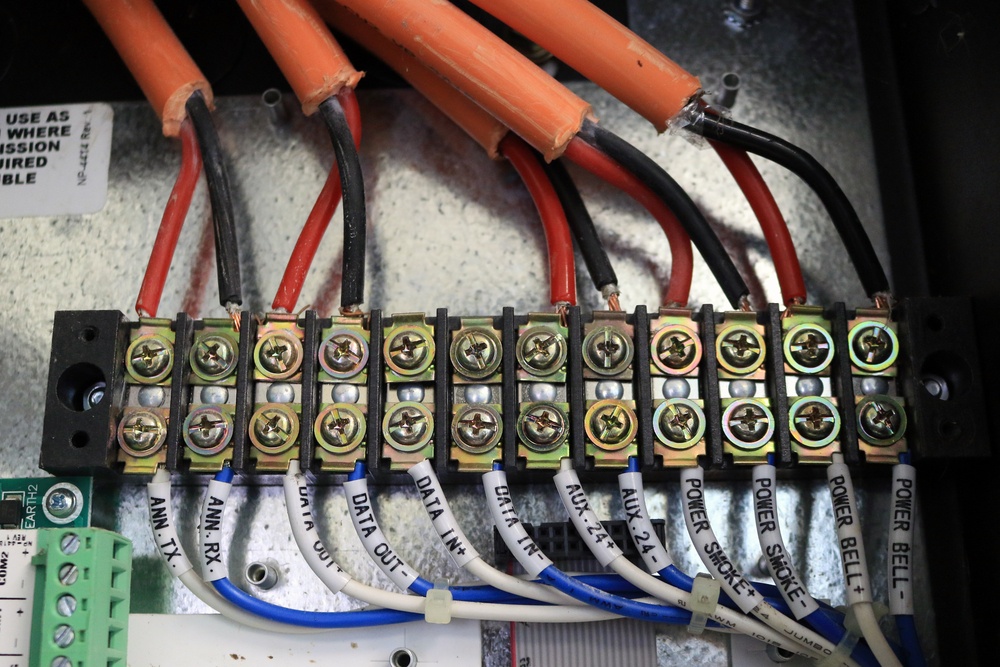
Top Warning Signs of Electrical Wiring Problems

Top Warning Signs of Electrical Wiring Problems Some types of problems in the home are easier to spot than others. It’s easy to notice things like broken windows, a faucet that won’t stop dripping, or a furnace that suddenly stops working. But when part of your home is something that’s typically hidden behind walls, like your electrical wiring, it’s a lot harder to know when there’s a problem. But if there’s a problem with your home’s electrical wiring that doesn’t get taken care of, it can potentially cause a fire. So, how can you tell if there’s something wrong with your electrical wiring?

Lots of Tripped Breakers or Blown Fuses

Making an occasional trip to the circuit breaker or fuse box to replace a blown fuse or fix a tripped circuit is not a big deal. This just means your circuit breaker/fuse box is doing its job in preventing your electrical circuits from being overloaded. But if your circuit breaker trips frequently or you’re blowing several fuses per month, that’s a big red flag. This could be a sign that your home’s electrical system isn’t designed to handle the amount of electricity you need, that there’s a short somewhere in your wiring, or that your circuit breaker/fuse box is getting old and worn out.

Flickering Lights

Have you noticed that your lights flicker or get dimmer while you’re running another appliance, like the washing machine or dishwasher? Electrical lights tend to use relatively little power compared to most other appliances, so if you notice that your lights flicker or dim when you’re using other appliances, it might indicate that there’s a lot of stress being placed on that circuit. It might also be a sign that a wiring connection to your light fixture has come loose. In either case, calling an electrician can help solve the problem.

Do You Hear Something?

When electrical wiring is in good working order, it won’t make any noise when it’s being used. But if you hear a buzzing, popping, or crackling noise coming from an electrical outlet, stop using it immediately, turn off the power to that circuit, and call an electrician right away. If you’re actually seeing sparks coming from an outlet or circuit breaker/fuse box, you definitely need to call an electrician immediately.

Hot Outlets and Switches

If you touch an electrical outlet or switch with your hand, does it feel warm or hot? Some types of electronics or appliances will get warm if they’ve been plugged in for a while, but light switches and electrical outlets themselves should not. An electrical outlet should also never look burnt or scorched. If you’ve noticed this, give an electrician a call so they can come out and see what’s causing the problem.

The Smell of Burnt Plastic

Burning plastic has a very distinctive smell. If you’ve noticed this smell around your house, but aren’t sure where it’s coming from, there’s a good chance it might be coming from your electrical wiring and you should call an electrician.

These are just a few of the biggest warning signs to watch out for. Of course, if you’re able to see frayed or damaged wiring, that’s another big sign you need to have an electrician come out to your home. But if you live in an older home, you may want to consider having an electrician come out to evaluate your system. Even if you haven’t noticed a problem, there may be things that could be done to make your system safer and more in line with modern code standards.

Enhancing Your Windows With Shutters

Enhancing Your Windows With Shutters Looking for new window treatments for your vinyl replacement windows? Remember, you aren’t just limited to curtains and blinds. Window shutters are another great type of window treatment. Just like blinds and curtains, shutters are available in many different styles and colors and are made of many different materials. But no matter which type of shutter you choose, they can provide a lot of benefits for your home.

Shutters are available in many different styles, but there are two main types of shutters you can choose from: interior and exterior. If you live in an area that tends to get a lot of storms, exterior window shutters are a way to help protect your windows from being damaged. All you have to do is close your shutters and your windows will have an extra layer of protection from things like strong winds, hail, and other debris. When exterior shutters aren’t closed to protect your windows, they can add a very charming touch to your home’s exterior. In fact, many homeowners place non-functional shutters on the exterior side of their windows because they’re such a great way to improve curb appeal.

Regardless if you choose interior or exterior shutters, window shutters can help make your windows more energy efficient. Since they create an extra layer between your window and the rest of your home, closed shutters can help keep cold air out during the winter and heat from the sun out of your home during the summer so you don’t have to keep your furnace or air conditioner running so much. You’ll be able to save money and live more comfortably at the same time!

Interior shutters can add a very stylish touch to the rooms in your home, but they can also make it very easy to control the amount of light and privacy you get in a room. Opening the louvers of your shutters at an upward angle will help let just a little bit of natural light in and angling the louvers at a downward angle will let fresh air in without sacrificing privacy.

Have asthma or allergies? Window shutters can be easier to clean than blinds or curtains. Typically, all you need to clean window shutters is a dry cloth. Blinds can definitely be a challenge to clean and it’s very easy for curtains to accumulate dust that can irritate your allergies.

Unlike other types of window treatments, shutters have a very unique benefit: they’re the only type of window treatment that can help improve your home’s value. Unlike curtains or blinds, shutters are permanent fixtures in a home so if you were to sell your home, they’d be included as part of the deal. With all the benefits shutters offer, it’s no wonder so many home buyers are willing to spend a little bit more on a home that has them!

Best of all, window shutters can easily be custom made to fit virtually any size or shape of window. With so many different styles of shutters out there, they can easily make a great addition to any home.

Want to Improve Energy Efficiency? Don’t Forget Your Attic!

Want to Improve Energy Efficiency? Don’t Forget Your Attic! When you think of the rooms of your house you spend the most time in, odds are that your attic isn’t at the top of that list. Attics are often a very overlooked part of the home and unless you’ve converted your attic into a living area, you probably only go into to your attic if you need a place to store something or if you need to check for signs of roof damage. But if you’re trying to make your home more energy efficient, your attic is one of the most important places to check.

Attics are often full of opportunities to boost your home’s energy efficiency. It’s believed that as much 85% of a home’s heat is lost through the attic, so your attic should be at the top of your list of places to look when you’re trying to make your home more comfortable and lower your energy bills. So, what sorts of things should you do to improve your attic?

Check for Drafts

Just like how you routinely check your doors and vinyl replacement windows for drafts, you’ll want to check your attic for drafts, too. Drafts most commonly occur in places where openings have been cut to create space for something else, like pipes, air ducts, or electrical wiring. If you find any drafts, seal them up ASAP. Caulk works well for sealing smaller gaps while a low-expansion foam tends to work well for larger openings. If you’ve found a draft around your chimney, use a piece of aluminum flashing and a silicone caulk designed to withstand high temperatures to fix it.

Add Insulation

The vast majority of American homes do not meet the current minimum standards for insulation. In many cases, homes were built to meet or exceed the standards for wall insulation at the time the house was built, but attics didn’t receive as much attention. Adequate attic insulation will do a lot to help keep your home warm in the winter and cool in the summer, so adding attic insulation is an excellent investment in your home. If you look in your attic and are able to see your floor joists, you could benefit from more insulation.

In addition to helping lower your energy bills, adding insulation can help your roof last longer. Ice dams commonly form on roofs when the attic gets warm enough to cause snow and ice on the roof to melt, but the temperature outside is cold enough for the water to refreeze. Ice dams can be very damaging to roofs, so anything that will help prevent that is beneficial.

Don’t Forget Weatherstripping

If you’ve been replacing the weatherstripping on your windows and doors, don’t forget to use some on the entrance to your attic. This will help keep the heat from your furnace from leaving the main part of your house so it will stay where it will do the most good.

5 Home Decorating Trends to Watch for in 2017

5 Home Decorating Trends to Watch for in 2017 With the new year just around the corner, many homeowners are planning ahead for projects they’d like to do around the house in 2017. Whether you’re planning a major project like renovating your kitchen or something a little simpler like painting some rooms and getting new furniture, nobody wants to go through all that work only to find out their home already looks out of date. So if you’re planning to make some updates to your home in the coming year, here are a few of the biggest trends designers are expecting to see in 2017.

Jewel Tones

Pantone’s colors of the year for 2016 were both pastels and now many people are longing for some deeper, richer colors. Bold, vibrant jewel tones like emerald green, amethyst purple, and sapphire blue add a bit of drama and a luxurious feel to your home.

Cork

Thanks to the durable and environmentally friendly nature of cork, cork floors have become increasingly popular over the past few years. Cork floors aren’t going anywhere, but more and more homeowners are now looking for other ways to use cork around the house. One idea that’s been gaining some momentum lately is cork walls. Not only can cork be a very attractive wall covering, it helps keep noise levels under control. And if it’s used in an area like a home office, you’ll have a very convenient place to pin all your important notes and messages.

Earthy Pastels

Although jewel toned colors are definitely shaping up to be one of the hottest home decor trends in the new year, pastels will absolutely still be on the radar. In 2017, the most popular pastel shades will be pastel shades of very natural colors like blue and green.

Metallics

Copper and rose gold have been hugely popular over the past couple of years, but it looks like gold and brass finishes are well on their way to becoming the next big things. Speaking of metallic finishes, don’t be afraid to mix metals. Mixed metals are expected to be a very on-trend look in 2017.

If you’re planning to look for new appliances in the upcoming year, you may be seeing a lot of black and matte finish appliances in stores. Stainless steel appliances and brushed metal finishes have been around for a while, but a lot of people are starting to crave something a little different.

Marble

Marble was a very popular choice for home decor in 2016 and many designers expect it will continue to be in demand in 2017. Whether you’re looking for new countertops, flooring, or tabletops on accent tables, marble is a great way to add a touch of luxury to a home.