
All About Attic Fans

All About Attic Fans Trying to find ways to cool your home without relying so much on an air conditioner can be a challenge. While there are lots of ways to help keep cool air inside your home, such as checking the weatherstripping and seals around your doors and vinyl replacement windows, sometimes you need a little more help. Planting trees in your yard is another great way to naturally cool your home, but it can take years for trees to fully mature and provide the most benefits. If you don’t already have an air conditioner or just want to use it less often, an option you may want to consider is an attic fan.

Types of Attic Fans

There are two main types of attic fans: whole-house fans and powered attic ventilators. If you’re considering an attic fan for your home, the type you’ll want to look for is a whole-house fan. Whole-house fans work by drawing cooler air from outside and pushing hot air out through vents in the attic. You can open the windows and let it run it at night to let cool air in, then turn it off and close your windows in the morning to enjoy a cooler house throughout the day. Unlike ordinary ceiling fans, which don’t actually lower a room’s temperature but make you feel more comfortable by improving air circulation, whole-house fans actually do work to lower the temperature in your home.

Powered attic ventilators, on the other hand, are generally considered a waste of money. Unless the floor in your attic just happens to be perfectly sealed and airtight, which very few are, a powered attic ventilator will draw cool air from your air conditioner into your attic, so you’re basically using more electricity for the sake of air conditioning your attic, which hasn’t been proven to be an effective way to make the rest of your home feel cooler. Meanwhile, warmer air will be drawn in from the outside through cracks and gaps elsewhere in your home, which will put more strain on your air conditioner and use more energy. Even if you don’t have an air conditioner, powered attic ventilators can cause moisture-related problems by drawing humid air into your home.

Benefits of a Whole-House Fan

Whole-house fans use much less electricity than a central air conditioner, so using one can help keep your home cool while keeping your electrical bills down at the same time. Not only can whole-house fans help save you money, they work to cool your home very quickly. They can lower the temperature in lower levels of a home by as much as 10 degrees sometimes in an hour or less.

Who Can Benefit from Whole-House Fans?

Whole-house attic fans are best for homes in areas that typically get cool at night or don’t already

have air conditioning. While attic fans can be very helpful in many homes, they’re not necessarily a good solution for everyone. Since you need to have windows open while you run a whole-house fan, they’re best for homes in areas that don’t get exceptionally humid. When you live in a very humid area, opening the window to run the attic fan will have the opposite of its intended effect and make your home feel warmer.

The fact that your windows have to be open to run a whole-house fan also means they’re not recommended for homes in neighborhoods with a high crime rate. You certainly don’t want to put your own personal safety and the safety of your family on the line for the sake of keeping your home cool.

If you suffer from allergies or live in an area that has high levels of pollution or dust in the air, an attic fan might not be right for you. As the attic fan works, it may bring allergens and other undesirable, airborne matter into your home. Depending on the type of allergies you have, you may not be able to run a whole-house fan at certain times of the year.

If you decide to get a whole-house fan, remember it’s extremely important to remember to open as many windows as possible when you run it. These fans, as well as powered attic ventilators, can depressurize a home and cause things like gas-powered water heaters and furnaces to backdraft and cause carbon monoxide to build up in the home. Having the windows open helps reduce that risk.

Smart Ways to Spend Money on Your Home

Smart Ways to Spend Money on Your Home From the minute you decide to buy your first home, one thing you’ll inevitably be told a lot is that you’re making such an important investment. It’s true -- buying a home is one of the biggest and most important purchases a person makes during their lifetime. Ideally, over the time you own your home, you’ll be able to improve your home and help your investment grow.

Although making improvements to a home often helps add to its value, not all types of home improvements are necessarily wise investments. Some types of projects not only have a fairly low return on investment, they don’t even do much to add enjoyment to your home. The best projects you can take on are ones that will not only help add value to your home, but also help make a big long-term difference in some way. Those are the types of improvements that are perfect for any homeowner to take on, regardless if you’re getting ready to sell your home or plan to stay put for a while.

Energy Efficient Improvements

Anything that is going to help make your home more energy efficient is well worth spending money on. Whether it’s improving attic insulation, having vinyl replacement windows installed, or getting new Energy Star appliances, these are the sorts of things that will help save you money in the long run by reducing your energy bills. Not only will you have lower energy bills, projects like replacing your windows and adding more insulation will help make your home a more comfortable place to be.

Trees

In terms of home value, landscaping can be a difficult area. Potential buyers like to see homes with a yard that looks neat and well cared for, but landscaping doesn’t always add value and overly elaborate landscaping can be a turnoff to people who don’t want to deal with that kind of maintenance. Trees, however, are one part of landscaping that definitely can give your property value an extra boost. Mature trees can add between $1,000 and $10,000 to a home’s value.

When properly placed, mature trees can also help significantly reduce your energy bills, often by over $100 per year, since they provide shade so you won’t have to rely so much on your air conditioner. Trees can also help shield your home from cold winds in the winter, making it easier for your home to stay warmer in the winter.

Kitchens and Bathroom Improvements

Since everyone spends time in kitchens and bathrooms, it makes sense that making upgrades to these rooms would typically have a great return on investment. Even if you aren’t planning to sell your home, improvements in these rooms can do a lot to make your home more enjoyable. Best of all, you don’t necessarily even have to make huge changes to see a big difference. Even making fairly small, simple changes can have a big impact.

New Front Door

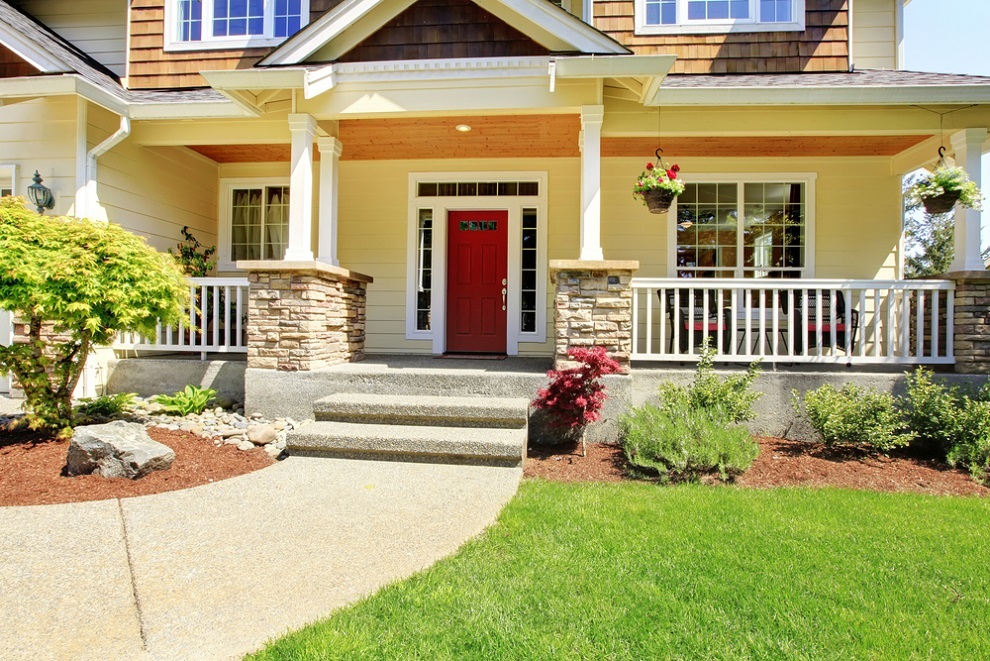
You might not think about it very often, but your front door is a hugely important part of your home. It plays a central role in your home’s exterior appearance, helps protect you from the elements, and keeps your home secure. If it’s been a long time since you’ve replaced your home’s exterior doors, particularly your front door, looking into getting a new steel door would be a great idea. Older doors often aren’t as energy efficient as newer ones, so you might be losing a lot of money on energy bills that are higher than they need to be. A new front door will give your home’s curb appeal an added boost and can even help make your home more secure.

Tips for Washing Second Story Windows

Tips for Washing Second Story Windows Washing windows is a chore many people have a hard time with. Many homeowners struggle to get the panes of their vinyl replacement windows looking crystal clear and streak free, even when the windows are easy to reach. Trying to wash the windows on the second story of a home from the outside is even more challenging. If you’re lucky, you might have windows that tilt inward or can easily be removed from the frame, making it no problem to clean those windows without having to get the ladder out. But if you aren’t able to wash your windows in those ways, here are a few ways to make your job a little bit easier.

First of all, don’t just choose any day to wash your windows from the outside, particularly second-story windows. Try to choose a day that’s either cloudy or overcast. When you try washing windows on a sunny day, the heat from the sun can cause your cleaning solution to dry before you have a chance to properly rinse and dry them, which can create streaks on the window. When you’re dealing with second-story windows, the last thing you want is to go through all that effort and not end up with the results you want.

Before you try to start washing your windows from the outside, clean your windows from the inside first. Sometimes it can be hard to tell which side of the pane of glass a spot is on so it’s best to start by washing the side of the window that’s easiest to clean. That way, if you encounter any stubborn spots or streaks when you try washing the window from the outside, you’ll know which side it’s on.

Since the exterior side of your windows are obviously going to be exposed to a lot of dirt, grime, and cobwebs, getting rid of these things first will help make your job much easier. Trying to wash your windows without doing this can cause the dirt to just get smeared around your window, creating more work for you. All you have to do is take a broom or soft brush and use it to brush off any loose dirt and debris that may be stuck to your window.

Now that you’ve done all your prep work, it’s time to really start washing those windows. Since you’re dealing with second-story windows, of course, you’ll need to be able to reach them. Climbing on ladders can be dangerous if not done properly, so if it’s possible for you to reach your windows using things like an extension wand for your squeegee, that’s definitely the safest option. There are also window cleaning solutions available that can be attached to your garden hose, so that’s another way to reach those higher windows without using a ladder.

If using a ladder is absolutely necessary, be very careful to use it safely. Make sure the ladder is placed on solid, level ground. If your ladder is still just a little bit too short, never try to place it on anything like cinder blocks or boxes to get the extra height you need. Before you get on the ladder, check to make sure the locks on the ladder are secured. Also, don’t try doing this chore alone. Make sure you have someone to help you with things like holding the ladder steady and handing you supplies as you need them.

Steps to Take Before Finishing Your Basement

Steps to Take Before Finishing Your Basement When you need some extra space around the house, moving isn’t always an option so you need to find ways to make the most of the space you already have. When homeowners run into this predicament, one of the most popular ways they decide to maximize their space is by finishing their basement, transforming it from a drab, utilitarian space into a stylish, functional living area.

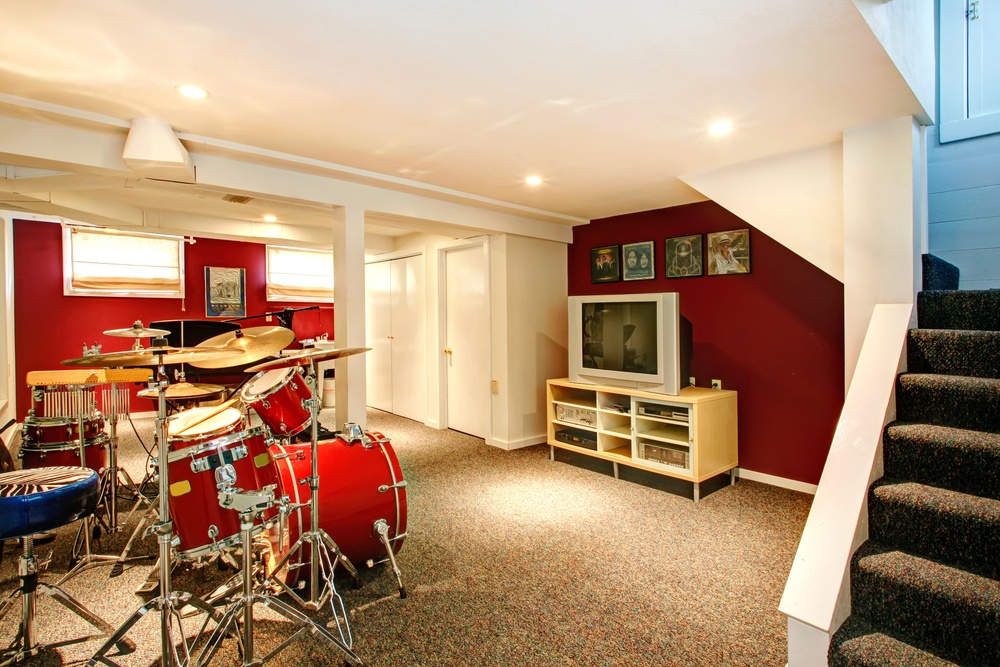
There are endless possibilities for how you could potentially use a finished basement: a rec room, a media room, a fun playroom for the kids, a home office, a second living room, a fitness room, or another bedroom, just to name a few. With so many different ways to use a finished basement, it’s easy to see why finishing a basement is such a popular project. But just like any other type of home improvement project, it’s easy to run into problems when you’re trying to finish a basement. Before you get started, here are a few steps to take to successfully plan your project.

Decide How to Use Your Basement

It may seem obvious, but the first step in deciding whether or not you should finish your basement is to decide how you want to use the space. Finished basements can be used for so many different purposes, but all of them are going to have special design considerations you’ll need to keep in mind during planning. For example, if you want to turn your basement into a really nice media room or a space to practice music in, you’ll want to include soundproofing in your plans so you can keep the rest of the house quiet. If you want to put something like a pool table in your basement, you’ll need to make sure you’ll have enough space on all sides of the table to be able to play comfortably.

Evaluate Your Basement

Once you have an idea for how to use your basement space, take a look at your basement for any problems you might run into. Remember that basements need to meet certain building code standards in order to be used as a living space. For example, many building codes require rooms to have a minimum floor-to-ceiling height of around 7 feet and having your floor excavated to lower it can be expensive. If you want to add an extra bedroom in the basement, you’ll need to make sure you have appropriate egress windows and window wells to provide a way out in case of emergency.

Take Care of Problems With Moisture

Basements have a reputation for being prone to flooding. Water damage can be very expensive, especially when you have things like furniture, carpeting, TVs, toys, or fitness equipment in it. The last thing you’ll want is to go through the process of finishing your basement, only to have all that hard work get damaged the next time there’s a heavy rainfall. If your basement has a tendency to flood, call a contractor to see about what can be done to waterproof your basement before you do anything else.

If your basement doesn’t tend to flood, you might still have problems with humidity. If this is the case, install a dehumidifier in your basement. Even if you have a waterproofed basement with no humidity problems, you’ll still want to choose materials that handle moisture well, just in case. Instead of using regular drywall, use a type of drywall that’s designed to prevent mold growth. When deciding on a type of flooring, things like engineered wood, linoleum, many types of cork, and ceramic tiles are all pretty moisture tolerant.

Don’t Forget the Ceiling!

No matter what you’re planning to use your basement for, finishing your basement ceiling can make a huge difference in making a basement feel more like a regular room in your house. But since basement ceilings often have things like pipes, ductwork, and wiring running close to them, it’s important that you’ll still be able to access those things as needed. Although some people like to use drywall to finish their basement ceilings, drop ceilings are popular because they make it so easy to access those sorts of things. If you’re worried about a drop ceiling not being very stylish, rest assured that there are many more decorative styles of ceiling tiles available nowadays.

Benefits of Bay Windows

Benefits of Bay Windows It’s no secret that replacing your windows can have a dramatic impact on your home’s appearance. Replacing old, worn-out windows with new vinyl replacement windows will help make your home look great both inside and out. If replacing a regular picture window can make such a big difference in your home, imagine the difference getting a different style of window would make.

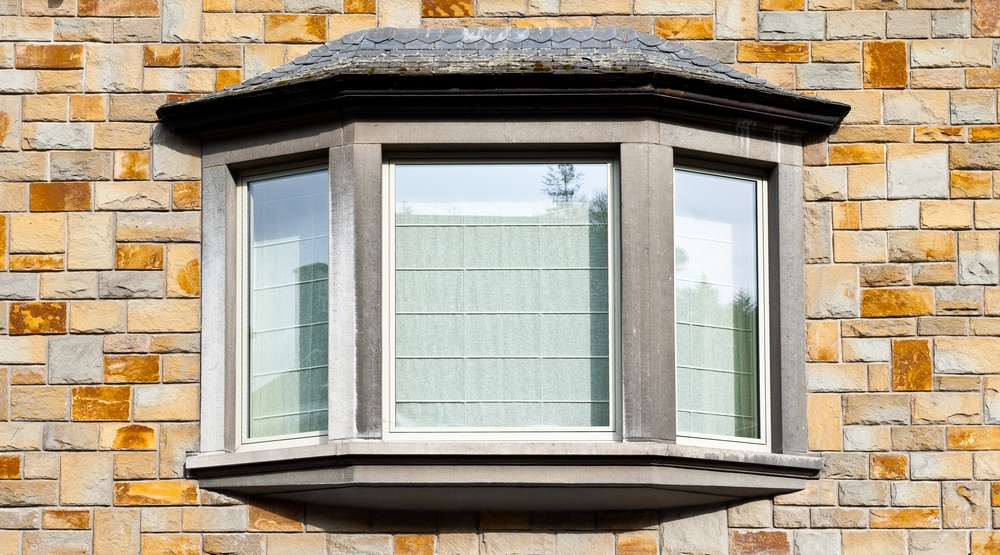
When you’re looking to make a really big difference in how a room looks, one option you might want to consider is replacing a picture window with a bay window. Bay windows can have a lot of great benefits to offer, such as:

Versatile Style

Since bay windows have a very classic look, they can fit very nicely into homes of any age. Whether your home is 100 years old or a more modern build, a bay window will look great with all sorts of different architectural styles and styles of decor. They also look great in many different rooms of the house, including living rooms, dining rooms, hallways, and bedrooms.

Improved View

While a nice, big picture window can absolutely provide you with a nice view of your yard, imagine what a great view you’d get with more than one window pane. Since bay windows typically have at least two sections of windows on either side of the center section, they give you the chance to enjoy a more panoramic view of the outdoors.

They Make a Room Feel More Open

When you have a room that feels small and closed in, a bay window can work wonders in making that space seem larger and more open. Since bay windows protrude outward, they create the illusion of a room being bigger than it actually is. Not to mention that all the extra light they let in will work wonders in helping make even the smallest, most cramped room in the house feel brand new.

Can Add Functional Space

Bay windows don’t simply make a room feel more open, they can help add some very functional space to your room, too. Many people like to turn the ledge area next to a bay window into a nice window seat, creating a comfortable place to rest, relax, enjoy the view, or read a book. If you could use a little extra storage space, you could potentially build a window seat that doubles as a storage compartment. Of course, you can always just keep your bay window as it is and use the ledge to display things like plants and pictures. No matter how you decide to use the space by your bay window, you’re putting it to a good use.