


Common Security Mistakes Made by Homeowners

Home Security No matter how safe the neighborhood or city is you live in, the threat of burglary is one that will never go away. In 2010, there were over two million burglaries that transpired in the U.S. alone. Although we may feel that our homes are safe because they have not been broken into, break-ins - as previously mentioned - happen more often than you might think. Below, we take a look at some of the most common security blunders made by homeowners.

Not Locking Your Doors Locking the doors should be easy, right? When juggling work, errands, family functions, trying to keep the home clean, while also trying to squeeze in some free time, it’s not surprising how often locking up slips people's’ minds. To remember, try to instill a routine of checking the doors before bed, work, or whenever you leave the house. Also, only keep the garage open when it needs to be. Even during the day, it’s not uncommon for people to raid garages of high-priced goods like lawnmowers, snowblowers, or other valuable commodities.

Ladder Left Outside Leaving a ladder outside your house - or worse, near your windows - is like sending an open invitation for criminals to come climb through your windows; which brings us to our next mistake…

Unlocked Windows Letting in a nice breeze on a mild summer afternoon is great, but leaving windows open when you’re not home - especially the ground-level ones - could very well lead to a break-in. Given the chance of someone attempting to break into your window, you will want to inspect the sash, locks, and overall durability of them at least twice a year. If you’re unsure of the security of your windows, message Wallside Windows for professional advice.

Publicly Announcing Vacations Although you may be excited for your trip, announcing your eagerness to friends, co-workers, or via social media, or people at work that you may not know too well is a definite no-no. It’s possible someone catches wind of you leaving may have ill-intentions and use this information as an opportunity to sneak into your home and steal your possessions.

Source: https://www.fbi.gov/about-us/cjis/ucr/crime-in-the-u.s/2010/crime-in-the-u.s.-2010/property-crime/burglarymain
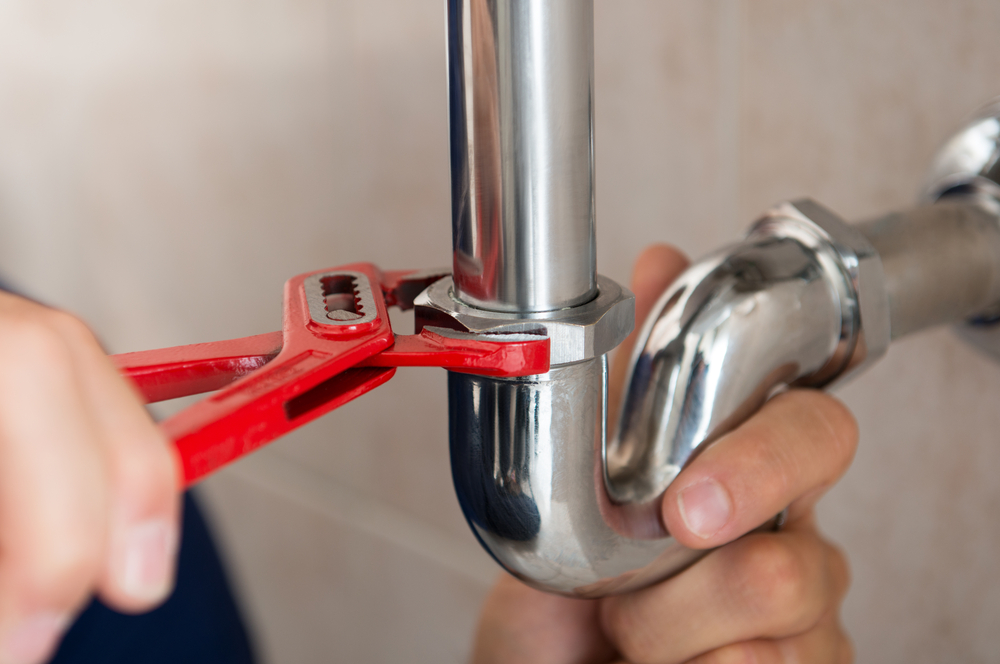
Five Common Plumbing Problems Homeowners Run Into

Leaky pipes There are some aspects of home ownership that are pretty much universal; installing new windows, purchasing a new laundry machine, or replacing the roofing. Other times, however, there are plumbing issues. Listed below are some plumbing mishaps you’re likely to, at some time or another, run into.

Leaky Faucets We’ve all experienced it before. The sound of that inconsistent drip of water that drops over and over again. The cause for the leak could be for a number reasons, so your first plan of action should be to determine the spot that is causing the leak and figure out if the problem is rooted in the sink’s structure (such as old washers that need to be repaired) or faulty pipes beneath the sink. Although a leaky faucet may not seem like something that needs to be handled immediately, they can eventually lead to a higher water bill and liquid damage thus should be dealt with as soon as they’re spotted.

Blocked Drains For both the kitchen and shower, random materials slowly build up in the drain over time. After a while, the drain becomes clogged and in turn disallows the passage of water through the pipes. When this happens, it’s important to clear out the trapped gunk in order to keep your sinks and showers from being backed up with a heap of rank-smelling debris. To unclog your drain, choose from using either a sewer snake, store-bought mixture, or vinegar-based mix.

Running Toilet Often times, the solution to a running toilet is a quick-fix found in the toilet’s tank such an old flapper that needs to be replaced; this is a part of a toilet that allows the water to flow in and out of the tank. For a further explanation of how to fix a running toilet, watch the video below.

https://youtu.be/DoqzGyC92GQ

Uncomfortable Shower Pressure (Too High or Low) If your shower spouts water at an uncomfortable force, the issue can be solved simply by purchasing a new shower head that you can use to regulate the pressure with. Another solution is to alter the rate of your home’s water pressure; however, it should be noted that this will influence the flow of water not only from your shower, but also all other appliances in your home that use water.

Burst Pipes During the Winter season, it’s possible for pipes to freeze and, as a result, burst; this can result in seriously expensive damages if not dealt with in a timely manner. If your pipes have burst, turn off the water, clear your home goods that are at risk of water damage, and do what you can to seal all leaks. To fully take care of leakage from burst pipes, you may want to hire further assistance from a plumber who has dealt with this issue before.

Turn Your Bedroom Into a Sleep Sanctuary

Bedroom Clocking a full seven-to-nine hours is highly beneficial to mental and physical health. Without it, there can be seriously harmful effects such as an increased risk for diabetes, faster rates of aging, and a less sharp memory. According to a recent poll, roughly 40% of Americans receive less than seven hours of sleep per night. Though the causes for these alarmingly high rates are widespread and vary on an individual level, there are universal strategies that everyone can use to win back their much-deserved rest. The first steps to this start in regulating the environment we sleep in: the bedroom. Read below to learn more.

Control Light with Window Treatments There’s nothing worse than having your sleep interrupted by morning sunlight. Prevent this from happening by investing in a set of window treatments that completely block out the sun. There are numerous types of window treatments; each kind is differentiated by fabric, aesthetic, and ability to block out light. The most popular types include blinds, curtains drapes, and shades - all of which come in varying fabrics, colors, and styles.

Reduce Technology Use Studies have shown that nestling up in bed with our favorite technology is actually a detriment to our quality of sleep. If possible, keep your laptop at a desk and try to use it no sooner than an hour before bed. Likewise, use phones sparingly before bed and find a charging spot in the room that isn’t bedside so that you aren’t tempted to browse through it before you head to sleep.

Set a Comfortable Temperature There’s nothing more frustrating than tossing or turning, fighting to find a comfy amount of blanket coverage. Avoid this altogether by taking a moment before bed to adjust the temperature to an agreeable level. If you live in a warmer climate and lack a window, you want to consider adding new windows to control ventilation and bring forth cool breezes.

Colors Matter Choose calm, neutral colors that give off a relaxed tone. There’s technically no bad color to use, but it’s best to shy away from hues that are too exciting as these don’t facilitate an atmosphere you would want to sleep in. Ultimately, the most effective results as far as sleep and relaxation go is to use colors that bring you the most comfort.

Limit Activities in Bed Studies have shown that when the bed is used solely for sleeping, it trains the brain to a have a stronger connection to it with rest. By forgoing television and other non-sleep related habits while in bed, a smoother transition from wakefulness to the beginning stages of light sleep is had.

Secrets to a Spiffy Home Office

modern home office The home office is a centralized space used to serve all business doings. In order to properly get things done, it needs to be organized and furnished in the right way. Transforming a workspace into a personal dojo is no easy feat - but it is worth it in the long run. We examine why this is and lay down some key steps to re-purposing your office into a prosperous work environment.

Let There Be Light Nobody likes a cramped, stuffy room; bottom line, it’s uncomfortable. Unless you’re content with the cramped quarters of a basement, choose a room with windows to promote natural light and air flow. If you already have an established home office, but it lacks ventilation or enough sunlight, reach out to Wallside Windows to get a free in-home estimate and learn how we can help install custom-designed replacement windows in your office.

Privacy Is Key Have you ever tried reading in a room full of people talking? Re-reading the same sentence, getting interrupted every few paragraphs, and that dreaded feeling that you’re ultimately not getting anything done - it’s not exactly a good feeling. Mitigate the chance of noise disturbances by selecting an area of your home that is away from chatter and in a spot that you’re unlikely to be interrupted.

Gear Up Equip yourself with the tools, furniture, and technology you need to effectively do your work. The best bet for a desk is going with one on the larger size (that is if you can make it fit). With a larger surface space, you can space out your computer, important documents, and use a desk calendar so that all of your plans can be easily inputted and seen right in front of you. Additionally, you may want to consider a desk with drawers; this will allow easy, organized accessed all in one place. Lastly, outfitting the office with a comfortable reclining chair to occasionally read and take breaks is excellent for clearing your head.

The Subtle Yet Impactful Role of Atmosphere Atmosphere plays a subtle yet effective role in determining the feel of a room. Rooms painted with bright and vibrant colors, for instance, exude an exciting aesthetic. Conversely, those with earthy tones like neutral hues of green and beige facilitate a calmer tone. For your office, choose a color that naturally makes you comfortable and confident. Other types of decor like pictures, plants, and other visual elements of decor spur motivation and enthusiasm.

Space It Out It’s counterproductive to your well-being and productivity to be cooped up in a corner for long hours at a time. To avoid this, position your desk, furniture, and storage units in a layout that allows you to walk around and stretch out without having to leave the office.

Three Advantages of Allowing More Sunlight Into Your Home

Sunlight entering room Although many people love the sun simply for basking in its warm rays, there are many other advantages beyond the simple comfort of tanning. Listed below are three major benefits from incorporating the sun’s natural light into your home.

Enhanced Quality of Sleep Instead of opting for over-the-counter sleep medication and all its potentially risky side effects, there’s a natural, arguably just-as-effective alternative that’s right outside your window - the sun! Numerous studies have discovered that by exposing one’s self to natural light for roughly fifteen minutes to an hour (this varies on an individual basis), it realigns our natural circadian rhythms; this is related to our internal biological clock, which controls when it is time for our bodies to go to sleep. If we receive an insufficient amount of sunlight, the circadian rhythm could be altered and in turn disrupt our sleep cycles.

Heightened Mood Contact with sunlight naturally produces serotonin, which is a chemical in the brain that balances mood. A lack of serotonin may cause a slip into depression, mood swings, and reduced hunger. Stimulate the intake of serotonin in your home by installing new windows in places where people eat, converse, or lounge so that they can soak up that quality sun as often as possible.

Absorption of Vitamin D Within the sun’s rays exists rich amount of Vitamin D. Once its light meets human skin, the rich Vitamin D soaks into our system. By being exposed to sunlight and in turn receiving Vitamin D, the immune system grows stronger which in turn reduces the risk of many ailments. In addition, exposure to sunlight has been linked to decreased rates of melanoma, various cancers, and many other maladies while also pointing to increases in bone health and many other positive physiological effects.

Lower Blood Pressure Recent studies have found that increased exposure to sunlight leads to lower blood pressure. It is said that the increased intake of nitric oxide delivered from sunlight exposure subsequently lowers blood pressure. Though the research is hopeful, it’s still in its early stages and thus not totally confirmed in the medical field.

Sources: http://www.prevention.com/health/health-concerns/how-sun-lowers-blood-pressure