

Key Features of Home Replacement Windows

Open windows When home replacement windows are brought up in conversation, two main factors are usually mentioned: the price and energy efficiency. Though these are chief indicators of their performance, they’re not the only features to take into consideration when considering the prospect of new windows. Scroll below to read about other factors that determine a window’s quality.

Grade of Glass Beyond the frame, glass is a critical component to the functionality and performance of a window. The glass influences the U-factor, which is a measurement used to assess the amount of heat that a window loses; thus, the lower the U-factor, the better of an insulator it is. Wallside uses low-e coating to insulate either heating or cool air, depending on the current climate.

Type of Frame There is a lot to consider when deciding on the type of window frame to use for your windows. Between each type of frame there’s a large disparity in cost, frequency of upkeep, painting, and general aesthetic. Wallside produces vinyl windows due to their great prices, durable structure, protection against the weather, and various other compelling benefits.

Quality of Sealant Although the sealant technically isn’t an actual part of the window, it’s an indispensable step to insulating them. Properly sealing gaps prevents drafts, fog accumulation, mould, and harsh weather conditions. If you are unsure how to seal your windows, talk to an experienced member of Wallside’s team for advice.

Amount of Window Panes Double and triple pane glass windows are greater at conserving energy than one singular pane. The additional layers are used as extra protection so that less energy is expended and more is kept within the home. Additionally, argon gas is kept between panes to enhance thermal performance. These additional features lead to a smaller energy bill and greater control over your home’s climate.

Insulation Technology Beyond using multiple panes of glass and coating, windows can be imbued with additional types of energy-conserving technologies. For instance, warm-edge spacers are popular for their benefits of bolstering the insulation between panes of glass. They also reduce moisture collection while simultaneously keeping argon in. Wallside includes warm edge stainless steel spacers into each of its windows for maximum energy efficiency.
How to Promote Healthy Indoor Air Quality

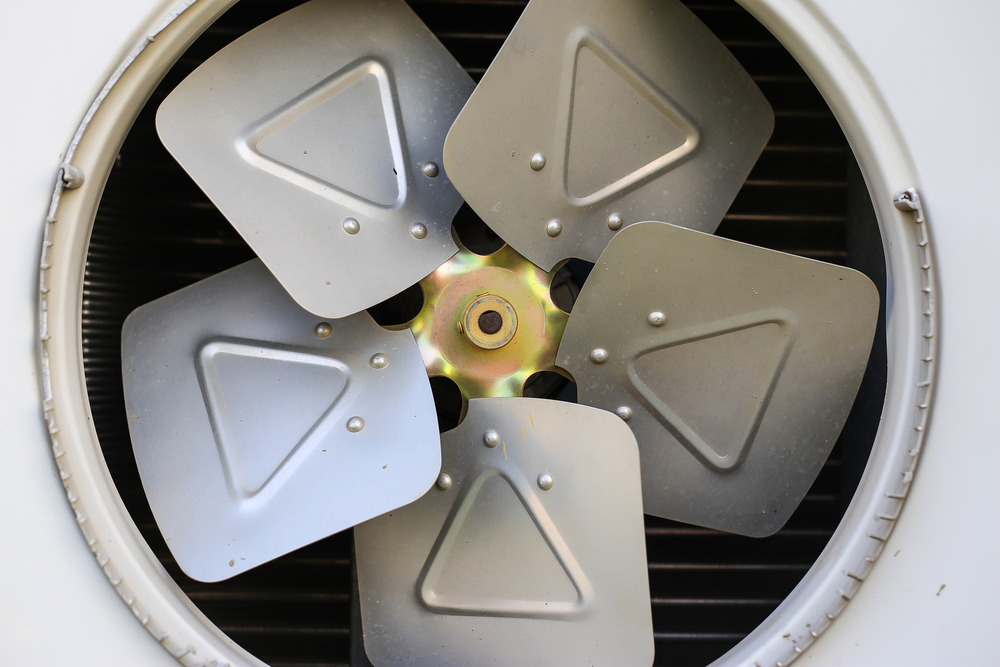
Air Conditioner There’s a reason why stepping outside to “get some air” is such a widely used phrase. Although it may not be visible to the naked eye, it’s fairly common for indoor air to be polluted with a plethora of different pollutants. According to a startling figure provided by the Greenguard UL Environment, the air we breathe indoor is two to five times more polluted than outdoor air. This is generated by a collection of contributing factors such as molds, gaseous substances from cooking, secondhand smoke, and an overall poor stream of airflow throughout the home. To counteract the composite of indoor pollutants, follow these tips for an overall healthier home environment.

Clean Away The importance of maintaining a clean household at all times cannot be stressed enough. Amongst many other worthwhile reasons, living spaces should be kept tidy in order to keep allergens, dust particles, and multiple other types of grime at bay. Thoroughly vacuum, mop, and dry your carpet in order to most efficiently purge these contaminants. Use a duster to eliminate dirt from other surfaces that these substances may be found atop such as cabinets and other hard-to-reach places.

Incorporate Plants as Air Filters Plants have a built-in biological air filtration system that can be utilized to purify our home’s air. This doesn’t go for all plants, though. The filtration capacities varies with each plant based off of size and species. Position these plants by a garden window that casts a large spread of sunlight so that your plants are healthy and can fully perform their air filtration abilities.

Enact Strict No-Smoke Policy The effects of smoking go beyond impacting just the smoker - it impacts their surrounding environment, too. The secondhand smoke sticks to furniture, clothes, and other areas of the home. Lay down a no-smoke law in the house to foster cleaner air.

Encourage Air Circulation This may be common sense, but the importance of it cannot be understated. Quality outdoor air works wonders for refining and freshening up a room. Likewise, it works great for clearing out congested smells or revitalizing a room with stagnant air.

Sources: http://wellnessmama.com/12209/improve-indoor-air-quality/ http://greenguard.org/en/consumers/consumers_iaq.aspx http://www.mnn.com/health/healthy-spaces/stories/best-air-filtering-houseplants-according-to-nasa

Best Locations for Picture Windows

Picture windows are unique due to the fact they are a large, single pane that, unlike other windows, don’t open or close; their strengths lie in the expansive views and large views of light that they promote. Positioned in conjunction with a scenic view, picture windows offer a vast, picturesque panorama of the outside landscape. Read below for some tips to use picture windows to your advantage by positioning them in their most appropriate room. Dining Room For family dinners and other social gatherings, the right amount of natural lighting on a pleasant afternoon adds an invaluable touch. Thus, to promote outdoor light, add replacement windows into your dining room. Around dusk or late afternoon, this will be extra helpful so that you don’t have to deal with irritating artificial lighting.

Above the Kitchen Sink Placing a large picture window above the sink offers a visual escape from the kitchen’s hustle and bustle. In order to also provide opportunities for an inflow of outside air (kitchen cooking can get steamy), consider adding double-hung windows on opposing sides of the picture window. This will create a balance of an open, pleasant view while also allowing the option for ventilation with the double-hung styles.

The Office The home office is used for getting work done, so the idea of implementing a large window may sound counterintuitive. However, with the right placement, it can bring forth a revitalizing tone to brighten up the air during a long day of labor. Position it near the front of your desktop to avoid glare while also applying fitted window treatments to block light and distractions when needed.

Living Room Although picture windows are known for coming in one large, singular size, it doesn’t mean they can’t be divided up into smaller sizes for decorative purposes. One thing to be mindful of when planning out where to install them, which a Wallside contractor can assist you with while giving you an estimate (which is free, by the way), is to watch out for areas that a possible glare may occur. This goes for the television, seating, and other parts of the room that might be adversely affected by the light.

Tips to Brighten Up The Outside of Your Home

Outdoor Lighting By nightfall, all our hard work put into lawn care and decorations fall out of sight; well, only if there isn’t enough lighting to see it. Keeping a home visible after sundown - not to mention making it navigable for walking - requires a spaced-out spread of strategically placed light fixtures. We show the way to a well-lit outdoor space with the tips below.

Pathways Especially for guests that aren’t well acquainted with the exterior layout of your home, lighting the way leading to your door is top-priority. Otherwise, family or friends could fall and face injuries. For pathways, consider adding a row of mushroom landscape path lights on each end to provide safe travels; place them in rows at opposing ends for maximum spread of light. Most pathways lighting fixtures are bought in bulk because of the tiny spread that each individual one provides. Whatever style you choose, make sure these are positioned in a way that sufficiently show the way and illuminate any obstructions to watch out for.

Front Yard A large aspect driving home security is signaling to outside passersbys that your home is well-lit. Position flood lights around your front lawn so that any opportunity for questionable activity is exposed out in the open. Place an outdoor post light near the front, which acts as a savvy way to foster both a suave look and shed light on your front yard. As for the doorway, there are dozens of wall light options to comb through; for security purpose, choose those with LED bulbs that radiate extremely bright. Lastly, for those concerned about home security, another effective tip is to flick on inside lamps nearby windows; this conveys that you are indeed home and mitigates the chance of suspicious activity around your quarters.

Driveway Another main home entry-point, driveway lighting is used to communicate to others where to park and is helpful for squeezing cars in tight. For best lighting, install bright lanterns parsed out between garage doors. Dozens of fashions - ranging from traditional, industrial, to minimal, and several others - can be experimented with to highlight your home’s core characteristics.

Patio or Deck The patio and deck are prime spots for family parties or social get-togethers. For this reason, it’s vital to light all aspects of them. A fun first option is step lights, which can be installed inside the step and emit a glow to help guide the way up or down a flight of stairs. Similar to the front yard, outdoor posts are great for offering an ambiance and serving as a radiant marker amidst a dark night.

Adding ample exterior lighting to your home is no doubt important. However, at the same time it’s important to keep your energy costs down. If you decide to add new light fixtures to your outdoor home environment, be sure to research energy-efficient appliances and tips so that your bill doesn’t take an unexpected hike.

Sources: http://www.thisoldhouse.com/toh/article/0,,213652,00.html


Window Technology Throughout History

Globe As time changes, so does technology. Spanning from the dawn of civilization to modern times, window design has changed leaps and bounds in performance and style. In this post we take a a brief recap of history’s greatest breakthroughs in window design.

Native Americans Before the Europeans colonized the States, the Native Americans had their own technology and way of life. Known for utilizing the Earth's elements to their full potential, Native Americans’ makeshift version of what we consider a “window pane” was a strip of animal hide. This may not have provided the same type of insulation as low-e glass, but it nonetheless added insulation and defended against weather disturbances.

Renaissance Era By the time of the Renaissance (roughly spanning the 14-17th centuries), artists began to design windows in unseen ways. Unlike windows of the past, these employed a noticeably intricate craft that paid high attention to shape, size, and detail; a prime example of this is the now-famous French casement window which came from this era.

Byzantine Empire The Byzantines were a civilization of people scattered across countries ranging from North Africa to those along the Mediterranean sea. The Byzantines took special attention to constructing windows that were not only functional, but aesthetically pleasing as well. In addition to using actual glass to enclose their windows, the Byzantines used frames constructed out of marble, which were revolutionary for their time due to their eclectic color patterns and sharp look.

The Romans Along with signs of developed irrigation systems, Roman history sported highly-advanced technologies for its day. Among its most accomplished creations was the glazed window. At this time, glazed windows offered state-of-the-art insulation that were treasured as a luxury good amongst the wealthiest members of society.

Ancient Asia In the days of Ancient Asia, they didn’t have the mechanics of contemporary replacement windows and instead resorted to filling theirs with none other than paper.

Sources: http://www.britannica.com/technology/window