
Investing in Energy Efficient Windows

shutterstock_175988183 Do you want replacement windows that will cut your energy costs? The following are some key things to consider when looking for windows that deliver maximum energy efficiency.

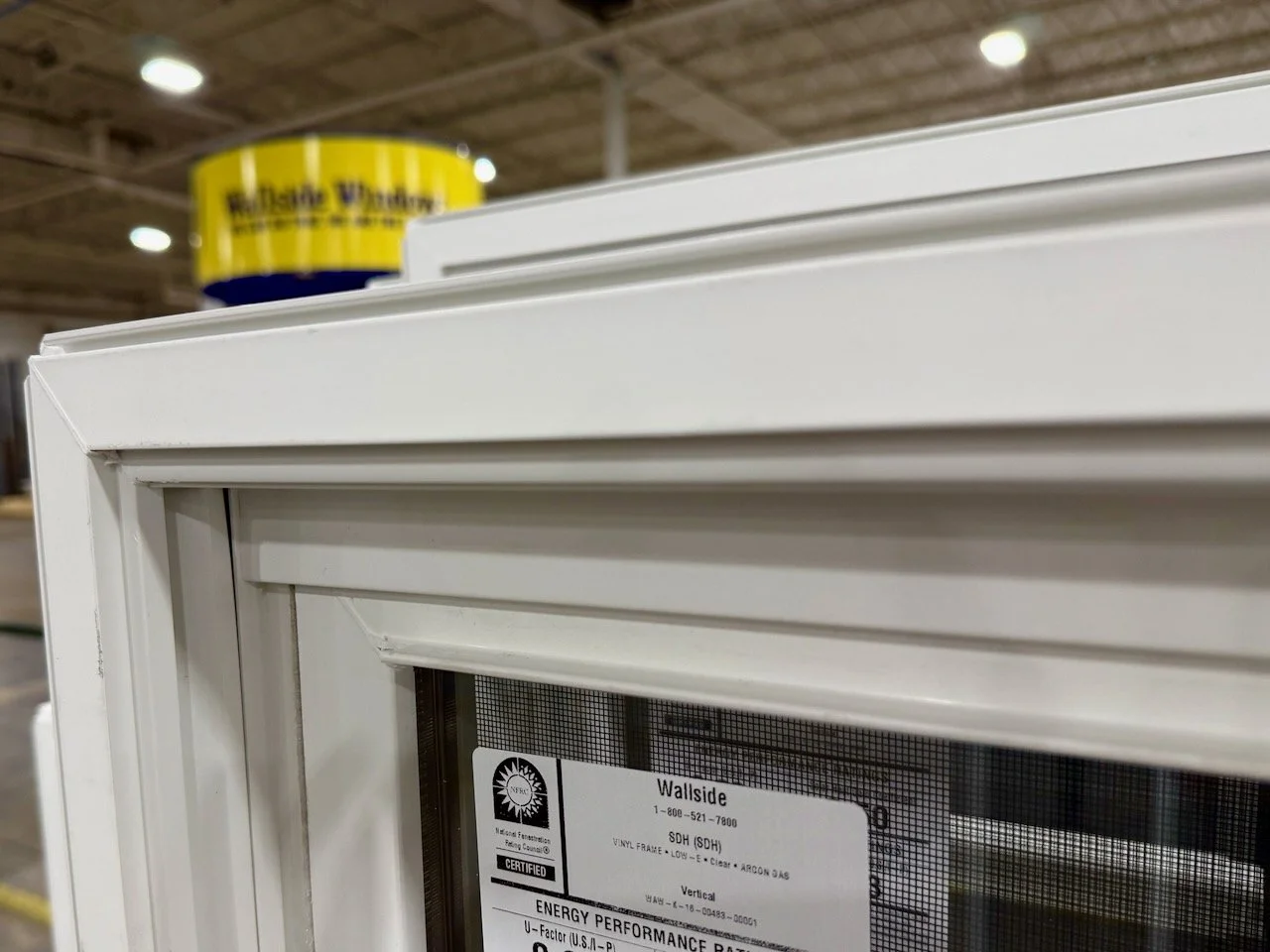
Solar protection Low-emissivity, or low-e glass, is an energy-efficient glass that prevents the passage of heat in and out of your home. Low-e glass blocks natural sunlight in summer, and helps stop indoor heat from escaping during winter months. At Wallside Windows, our dual-pane windows are custom-designed using low-e glass, making them an excellent year-round investment. We can also apply an additional UV coating to your windows, to further reflect interior heat and/or external sunlight.

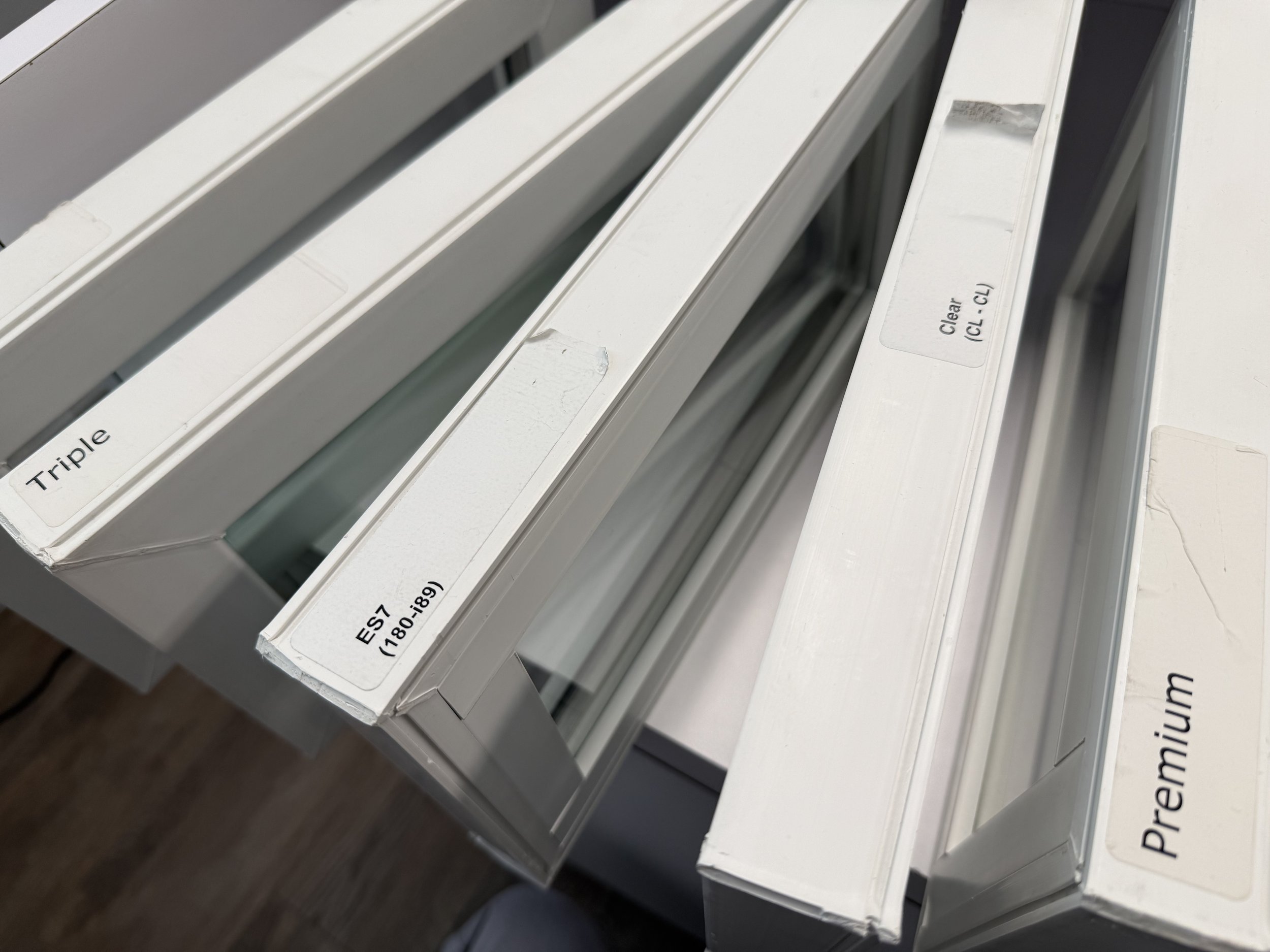
Insulation Insulation is one of the simplest ways that we can make our homes more energy efficient. Which is why Wallside Windows offer dual-pane windows with argon gas between the two panes for more insulation. Our innovative design keeps heat in during winter and sunshine out during summer, making them up to 50 percent more efficient than their single-pane counterparts.

Energy-efficient treatments You can extend the energy-saving benefits of your windows even further with treatments such as awnings, interior blinds, and window draperies. Install window awnings for extra UV protection during summer, and as a defense against damaging wild winter weather. With energy-efficient interior blinds, you can control the amount of light and heat entering through the windows, simply by raising, lowering, or opening the blinds. Choose medium weight window draperies in a darker shade, and hang them very closely to your window surface for optimum energy efficiency.

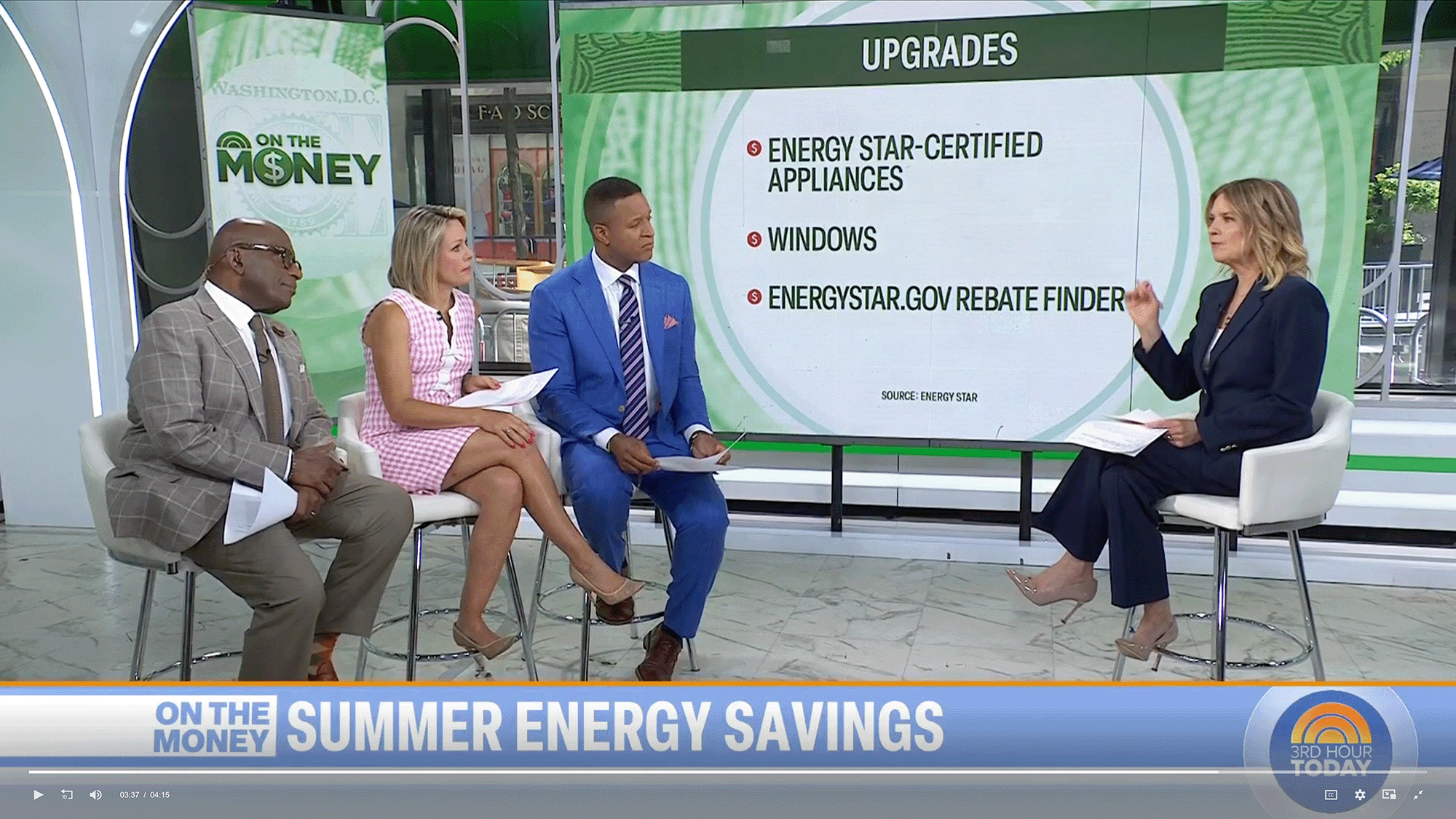
Tax credits Homeowners can receive cash rebates on qualifying energy-efficient improvements, including replacement windows. Visit the government’s Energy Star website to learn more about energy-efficient rebates.

Installation Installation is crucial to ensuring your energy-efficient windows perform as they should. Windows should be installed in line with the manufacturer’s recommendations and be properly air sealed, which involves caulking the frame and weatherstripping the components. It’s best to have a professional install your windows – so don’t hesitate to call the team at Wallside Windows for an energy-efficient window installation you can trust.

To learn more about energy-efficient windows and treatments, contact the team at Wallside Windows of Detroit at (313) 908-5243. Our home window replacement experts can help you design energy-efficient windows that are perfect for your home.

A Quick Guide to the Home Buying Process

shutterstock_171921824  

Have you found your dream home? The following is a guide to help you navigate through the various steps of the buying process.


Naming your price Deciding on how much to offer is probably the most crucial step in the negotiation process. This is where your real estate agent can be your real estate angel. They’ll help you name your offer figure, as well as the conditions you want to request, such as having the buyer take care of your closing costs. Your agent will present the offer to the seller's agent, who will then either accept or issue a counter-offer on behalf of the seller. If you’re not happy with the counter-offer, you’ll keep negotiating until you reach an agreement.


Moving into ‘escrow’ Once you and the seller have agreed on a figure, you'll make a good-faith deposit and the seller initiates escrow. Escrow is a the part of the process – usually a 30 day period – where the seller takes the house off the market on the contractual understanding that you are the buyer. Keep in mind that you can renege on this commitment if you find the home has substantial structural or other flaws when you professionally inspect it.


Inspecting your new home Sure, your new home looks like perfection and all you can think about is taking up residence within its neutral-toned walls. However, it’s not unusual for a property that looks great on the surface to conceal serious underlying problems. This is why you need a trained professional to thoroughly assess the quality, safety and overall condition of your desired new home. If the property turns out to have substantial issues that the seller didn’t warn you about, then in most cases you can withdraw your offer and have your deposit returned. Alternatively, you can negotiate to reduce the selling price, or get the seller to pay for any necessary repairs.

  Sealing the deal If the property passed the inspection with flying colors, or if you’ve agreed on a deal to address any issues with the seller, then you're ready to close. Take heart that a successful outcome is near. But also keep in mind that closing can be a stressful time, as it involves reams of paperwork and lots of crossing your fingers to ensure there are no last-minute setbacks. In this final stage, things you may need to organize and pay for include: -a home appraisal for your mortgage company -a title search to ensure that no one apart from the seller has a claim to the property -securing mortgage insurance or a piggyback loan if your down payment is less than 20%

Top Five Tips for Selling Your House

shutterstock_187166876  

Are you gearing up to sell your home? Here are some insider tips to help you get the best possible price when your house hits the market.


Make a stellar first impression Anyone in the real estate business knows the truth of the old adage that you only get one chance to make a good first impression. Buying a home is an emotional, high-stakes decision, which is why you need to woo buyers before they even walk in the door. Enhance your home’s exterior appeal with low-cost greenery and vibrant flowers. Tidy up your curb and consider paying a professional to wash your house with a high-pressure hose. Steam clean your carpets and say ‘Buy Me!’ with fresh flowers in a clutter-free entryway.


  Pretend you don’t live there When potential buyers enter you home, they don’t want to see your treasured family photos or the sagging sofa you inherited from your brother. They want to see a space they can imagine transforming into their own. Move a third of your stuff into storage, including all photos, memorabilia and personal keepsakes. You might also want to hire a home stager to help you best showcase your home’s layout and potential.


  Start with a seller's price It can be scary kicking off your auction with an asking price that is less than your home is worth. But this classic sales technique ensures a rush of buyers and bids even in the worst of markets. With more buyers competing, your sale price can be driven even higher than your home’s worth. Consider starting at 15- 20% less than what your home is valued at.


  Focus on the kitchen When it comes to enhancing your home’s resale value, the kitchen is your top priority. Experts say you can get back around 85% of the money you invest in kitchen overhaul. The cheapest and easiest kitchen renovations include painting (choose a neutral color) and new cabinet hardware. New countertops will also add much more to you home’s value than they actually cost. Another trick is to buy one high-end stainless steel appliance, to lends an aura of affluence to your entire kitchen.


  Do small fixes In the rest of the house, you’ll reap more money with quick repairs and updates than with major overhauls. Paint the walls and update your windows with inexpensive new blinds or curtains. Fix leaking plumbing and wobbly door handles, clean out mold and grout and replace cabinet hardware.


Five Questions for First-Time Home Buyers

shutterstock_246334408 Buying your first home is a huge, exciting, and often daunting experience. Here are five important questions to ask yourself before you start the house hunting process.

1. What home and area will best suit my needs? Having a clear idea of what and where you want to buy is an essential first step. Are you looking for a family home with enough bedrooms to accommodate in-laws or more kids down the track? Perhaps you love the idea of buying a budget ‘fixer-upper’ and transforming it into your dream home. Or do you want a modern townhouse or condo that is ready for you to move in? It’s also important to think about where you want to live. Draw up a list of what is important to you – i.e. schools, amenities, parks, public transport, a friendly community or accessibility to your workplace – and hone in on areas that fit your criteria.

2. What features am I looking for in a home? Your first property is probably the biggest purchase you’ll ever make, so it’s important that you hold out for a place that is right for you. You can divide your list into ‘must-haves’ and ‘nice-to-haves’ but don’t leave anything off. Think again about basic wants, such as how big and modern your home must be, as well as smaller details like garage space, living room layout and kitchen appliances.

3. How much can I borrow? Before you hit the auctions and home inspections, it’s essential that you know how much you can actually spend. Visit a few lenders to get an idea of how much you can borrow. There are a number of different loans – including federally-backed programs – designed for first-time homebuyers and those who don't have the standard 20% minimum down payment. Shop around for the best mortgage interest rate, as this will make a big difference in how much you actually pay. Also realistically assess what you can afford in monthly repayments, and don’t be tempted to over-extend yourself for your dream home.

4. What are the other costs? As well as thinking about your monthly repayments, consider what you can afford for a down payment, the cost of insurance and property taxes, your closing costs, and how much you will need to spend on renovation and maintenance.

5. Who can help me find and purchase a home? A good, ethical real estate agent can be your best friend during the home hunting process. These are the professionals who know first when a home hits the market, and who will find those that match your criteria. You should also search through online listings, look out for sale signs in the neighborhoods you want to live in, and ask friends, family and colleagues to keep an eye out. When you’re ready to buy, an estate agent can guide you through the purchase process – from getting a loan to negotiating a contract.

Energy Saving Tips for Your Living Room

A living room with light shining through the windows' drapes and blinds. Want to save money on your energy bill this year? The living room is a great place to start your energy audit, as it’s where we spend a lot of time and use a lot of power-hungry appliances. Following are some tips to help you reduce energy use in your living room. - Lower your heating and cooling bills by replacing your single pane windows with energy efficient windows. All of Wallside’s windows feature the energy-saving INTERCEPT Spacer system and dual-pane insulated glass.


- Consider insulated drapes or blinds on your windows to keep warm air inside during winter, and summer heat out. Tinted window film can also help insulate against solar heat during the summer and keep furniture and carpets from fading. Contact our expert team at Wallside Windows of Detroit at (313) 908-5243 to learn more about the different energy-efficient treatments you can pair with your windows.


- Caulk around window leaks or install low-cost, clear plastic window sheeting over leaking windows to keep cold air out. The plastic must be sealed tightly to the frame to help reduce infiltration. - Switch over to ENERGY STAR® qualified lighting fixtures or bulbs to save about $6 per bulb or about $14 a fixture annually on your energy bill. ENERGY STAR® certified compact fluorescent lights (CFLs) and light emitting diodes (LEDs) use 75 percent less energy than comparable incandescent light bulbs and last about 10 to 50 times longer.


- Plug your TV, DVD and other home electronics into power strips, and turn the power strips off when the equipment isn’t in use. Even in standby mode, TVs and DVDs still use several watts of power. Gaming systems are especially power hungry, with some consoles using almost as much power as your TV. To be safe, unplug your gaming console when you’re done.


- Avoid placing heat-emitting appliances such as TVs or lamps near a thermostat.


- Turn off the lights in any room you’re not using and consider installing timers or sensors to help reduce the amount of time your lights are on. - To prevent cold air creeping in through the fireplace, keep the damper tightly closed whenever the fireplace isn’t in use. You can also install a tight-fitting fireplace door, or even better, a blower motor.