

Blog

Making the Most of Your Closet Space

Making the Most of Your Closet Space Closets are easily one of the most important spaces in our homes. We need them to store our clothes and they help block us from having to look at clutter. But closets also one of the most difficult places to keep organized. Between the fact that we reach into them at least once a day when we get dressed and the time we spend putting our laundry away each week, it’s very easy for closets to get disorganized very quickly. As if that weren’t enough, many people feel like their closets are simply never large enough. Here are a few ways you can maximize the space in your closets and help keep them organized in the long run.

Over-the-Door Shoe Racks

No list of closet organization tips would be complete without mentioning over-the-door shoe racks. They truly are one of the most helpful tools you can have when it comes to organizing a closet. By storing your shoes off the floor, you’ll be freeing up space to store other things. Plus shoe racks are a great way to keep clutter under control and prevent you from making any frantic last-minute searches for missing shoes.

Best of all, over-the-door shoe racks don’t even have to be limited to just storing shoes. Many people use vinyl pocket over-the-door shoe racks to store things like T-shirts, scarves, gloves, socks, and other accessories or smaller pieces of clothing that can don’t take up much room.

Dividers and Bins

It’s much easier to keep a closet organized when everything has a designated place to go. By using bins and putting dividers on your closet rod, it’s easy to create a specific place for everything. If you’re looking for a certain sweater, you’ll never have to go searching through your entire closet to find it, you’ll know to go straight to your sweater section.

Look for Hidden Storage Opportunities

All closets have a limited amount of space available, but sometimes, you might be able to find some hidden storage opportunities. For example, do you keep your suitcases in your closet? If so, they can double as a great storage space for things like extra blankets or out-of-season clothing when they’re not being used.

Slimline Hangers

Hangers might not seem like they take up a lot of room, but you might be surprised how much space you can free up by replacing thick plastic hangers with slimline hangers. Slimline hangers take up very little room and are covered with a velvety material that prevents pieces of clothing from sliding off. Best of all, many slimline hangers have built-in hooks so you can cascade your hangers, freeing up even more space in your closet.
Easy Fixes for Common Window Problems

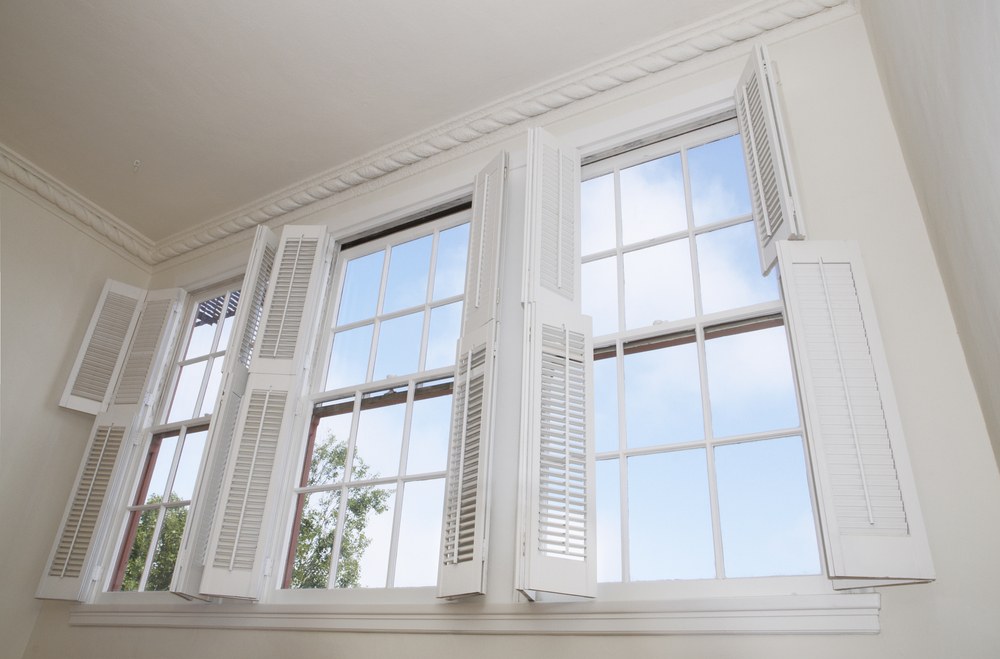
Easy Fixes for Window Problems Vinyl replacement windows make a wonderful addition to any home. Not only are they more affordable than other types of windows, they are very low maintenance and can easily last for decades. But no matter what type of windows you have in your home, there are some problems you might encounter from time to time. Fortunately, many of the most common window-related problems homeowners have are fairly easy to fix.

Torn Screens

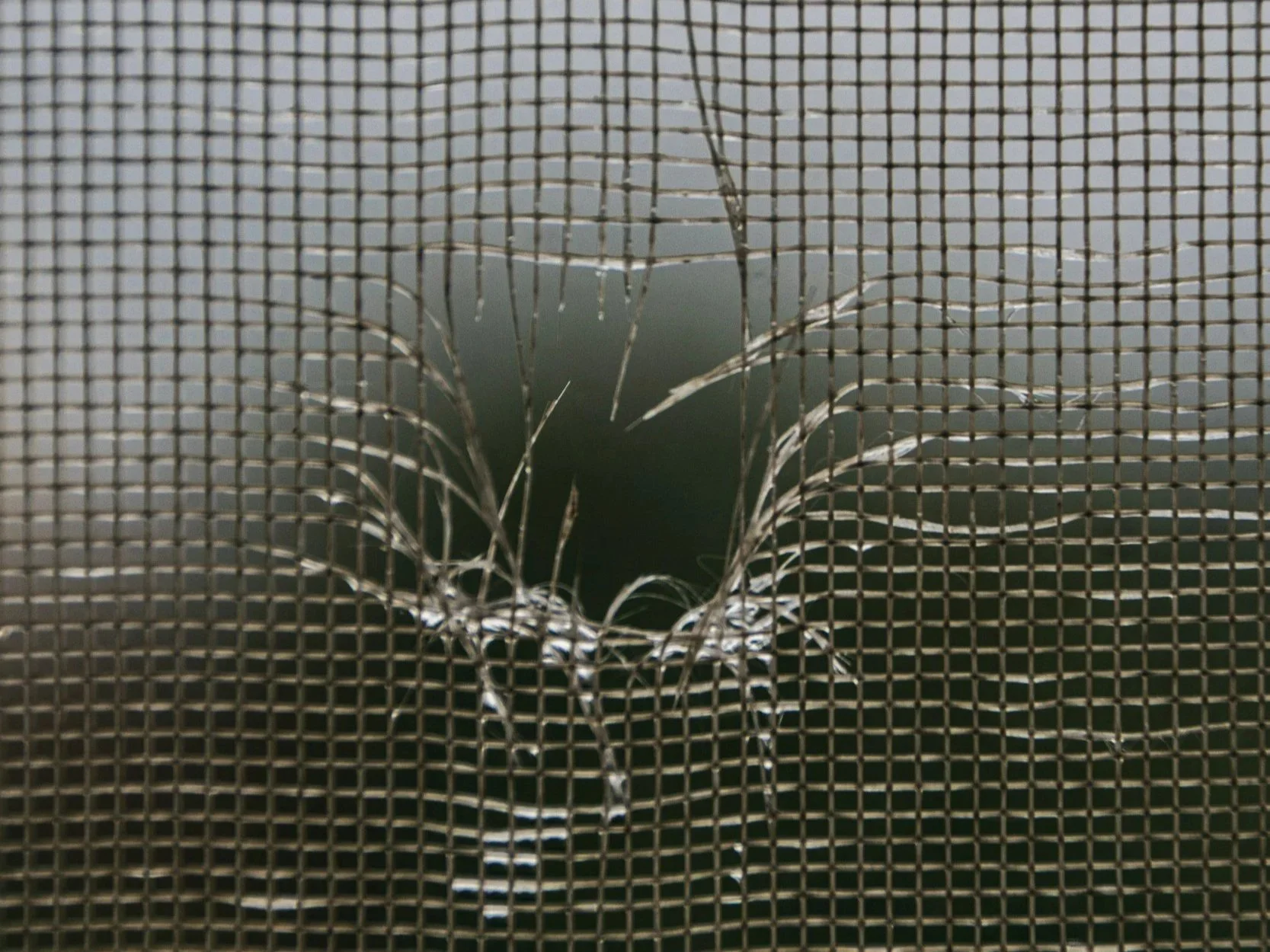
If you have a torn window screen, the good news is that this is a very simple problem to fix and you might not even have to go out and buy a completely new screen. If it’s a small tear, you may be able to patch it up with glue, clear nail polish, or epoxy. Hardware stores also commonly sell window screen patching kits, which would have all the tools you need.

If you’re dealing with a larger tear in the screen but the frame is undamaged, you can simply remove the old screen and get new screen mesh from the hardware store. Make sure the mesh is has about 2 inches of border on all sides, which will be trimmed off when you’re done. While you’re at the store, you’ll also want to get some new spline, which is that thin plastic cording that runs along the the edge of a screen to hold it in place, and a rolling tool to help put the spline in. Even if you have go this route, the process of fixing your screen will probably only take about an hour or less.

Broken Glass

Cracked or broken windows are never a good thing, but when a window is damaged or broken, having the pane replaced immediately might not be a possibility. A window with a large hole in it will need to be replaced, so while you wait for someone to come take care of that for you, attach something like a piece of wood or a plastic tarp to the window to cover the hole. But if you have a smaller crack or chip in your window, it’s important to prevent it from getting any bigger. Try using something like a clear epoxy, superglue, or clear nail polish to fill it in. Just be sure to apply them in thin layers, not one big, thick layer. If you’re lucky, this can solve the problem successfully enough that it will be easy to forget there was ever a problem.

Avoiding Streaks

Clean windows are a wonderful thing, but getting perfectly clear, streak-free windows is a challenge for many homeowners. One of the best tips for avoiding getting streaky windows is to only wash your windows on cloudy or overcast days. If you try washing windows on a bright, sunny day, the heat from the sun can cause your cleaning solution to dry on the window before you have a chance to rinse it off, which can cause streaking. Before you start windows, be sure to sort of pre-clean your windows to get rid of any larger pieces of dirt and debris. That way, they won’t get spread around your window and make your job more difficult.

Condensation Between Panes of Glass

If you have double or triple pane windows, you might see condensation form in between the panes of glass. This can be an extremely frustrating since there’s nothing you can do to get rid of it. Unfortunately, there isn’t anything you, as a homeowner, can do to solve the problem except call a professional to come look at your window. This typically happens when the seals on the panes fail. In this case, a professional may simply be able to replace the glass in your windows for you. But if they think the window seal failed for a bigger reason, like your house has shifted and thrown your window out of alignment, you may need to replace your window.

5 Essential Home Maintenance Tasks for Fall

5 Essential Home Maintenance Tasks for Fall No matter what time of year it is, there are special things you need to do to take care of your home. Fall is definitely no exception. Although the weather is more moderate than the summer or winter, fall is the best time of year to start making sure your home is ready for the colder months ahead. Here are a few of the most important home maintenance chores you should do before the weather gets too cold.

Check Your Outdoor Handrails

Snow and ice might not be here yet, but they will be soon enough. Before the first major snowfall of the winter, take a few minutes to check the handrails on any stairs that lead to your home to see what condition they’re in. If your stairs are slippery or snowy, handrails are an important way to help you get in or out of your house safely. They need to be properly secured and sturdy enough to support the weight of a person. If a person slips and grabs onto a handrail that isn’t very sturdy, it could make an already bad situation even worse.

Clean and Inspect Gutters

With all those leaves falling off trees, it’s inevitable that a lot of them will end up in your gutters so it’s very important to have your gutters cleaned. If too many leaves get in in your gutters, water can accumulate in your gutters and cause damage to your roof or siding. While you’re taking a close look at your gutters, make sure they haven’t been damaged and are still securely attached to your house.

Inspect Your Roof and Siding

Harsh winter weather can really wreak havoc on your roof and siding, so fall is a good time of year to take a look at them to make sure there aren’t any obvious signs of wear and tear that need to be addressed. If your roof has shingles that are missing or damaged, your roof is more prone to damage from snow or ice, which can lead to expensive water damage elsewhere in your home. The same can be said for your siding, so check to make sure there aren’t any pieces of siding that have come loose.

Look for Areas Where Pests Could Enter

Rodents and other critters that live outside don’t like cold weather any more than you do. As the weather cools off, they may start looking for warmer places to live, which could potentially be your house. Before they have a chance to move in, look around outside your home for gaps and openings that would be easy for an unwanted guest to get in through and seal them up. Remember, many rodents can get in through very tiny openings. If you find a gap that seems like it would be too small for anything to fit through, taking the time to fill it in could be very worthwhile.

Cover or Remove Your Air Conditioner

Once the weather cools off enough for you to no longer need your air conditioner, it’s time to either put it away or cover it. If you have central air, you’ll want to put a plastic cover on the unit outside your home to prevent any of its parts from rusting over the winter. If you have window air conditioning units, removing them and putting them in storage will give them the most protection and help keep your home warmer. If you aren’t able to remove a window air conditioner, it should be covered with a plastic cover to protect it from being damaged over the winter.

Questions to Ask Yourself Before a Starting a Home Improvement Project

Questions to Ask Yourself Before a Starting a Home Improvement Project Home improvement projects can be a very big job. Larger projects can take a long time to plan out and save money for. But before you even get to the point of adjusting your budget to save more money for your home improvement needs, you’ll have to decide whether or not the project is a good investment for your home. Depending on what your plans are for the immediate future, certain types of improvements may be more worthwhile than others.

Are You Staying or Leaving?

Are you getting ready to sell your home and want to give your home’s value a boost and make it easier to sell? If so, you’re not alone; this is a very common reason why homeowners decide to do renovations and other improvement projects. But if you’re getting ready to sell your home, just remember that not all projects are guaranteed to add a lot of value. Before you get started, take some time to do some research to get an idea of approximate return on investment for a project is. The annual Remodeling Cost vs. Value Report is a great place to start.

When you’re getting ready to sell a home, you might not even have to take on a large-scale renovation to make a big difference. Spending money on projects that will improve your home’s curb appeal or fix existing problems in your home might actually give you the biggest boost. Things like replacing worn-out siding, refinishing hardwood flooring, repairing or replacing a roof, replacing a garage door, and making smaller improvements to a kitchen or bathroom can do a lot to impress a potential buyer.

What Are Your Neighbors’ Homes Like?

If you’re thinking of starting a larger home renovation, you may want to consider what the other homes in your neighborhood are like, particularly if you’re planning to sell soon. If you over-improve your home and end up making it significantly more expensive than other homes in your neighborhood, your home might actually become more difficult to sell. For example, if your home is in a pretty solidly middle class neighborhood, you’ll be attracting middle class buyers who might not be willing to pay more for a kitchen with marble countertops and a professional-grade stove and will be more likely to buy another home in your neighborhood instead.

Will It Make You Happy?

Just because a home renovation project doesn’t have the best return on investment, that doesn’t necessarily mean it’s not worth doing at all. If you have no plans to sell your home anytime soon, it’s very important that you feel comfortable and happy in your home. Many types of home renovation projects don’t have a particularly great return on investment, but the people who do those projects are often extremely happy with the end result. Things like adding an extra bathroom or adding a master suite often don’t have the best return on investment, but they can do a lot to make a home more comfortable and more enjoyable.

Will It Improve Your Energy Efficiency?

It’s hard to go wrong with any home project that will improve your energy efficiency. Regardless if you’re planning to sell or planning to stay put, you can easily benefit from these sorts of improvements. Many home buyers are looking for energy efficient features, so having things like new vinyl replacement windows, extra insulation, and new exterior doors will be very attractive to potential buyers. And if you’re staying in your home for the foreseeable future, you’ll be able to personally enjoy the benefits of the added comfort and lower energy bills.

Pros and Cons of an Open Floor Plan

Pros and Cons of an Open Floor Plan Like all things related to home design, certain types of floor plans come and go in trends. Right now, open floor plans are a highly desirable home feature. Open floor plans feature fewer walls so rooms naturally blend right into each other. This trend has become so popular that most new construction homes are built with an open floor plan. But many owners of older homes like this trend so much, they’ve had walls removed to create an open floor plan for their home.

Open floor plans can have a huge impact on a home. Not only does it make a dramatic difference in the way your home looks, it can affect the way you use your home. All home design choices have their advantages and disadvantages and open floor plans are no exception. Whether you’re thinking of knocking down some walls to create an open floor plan or are considering buying a home that already has an open floor plan, here are some pros and cons to keep in mind.

Who Can Benefit from Open Floor Plans?

People with all sorts of lifestyles have found benefits in open floor plans. Many parents with young children love open floor plans since they make it easier to keep an eye on the kids. But on the other hand, some people feel like open floor plans are better suited for single people or couples without children since they don’t have to worry about finding ways to hide toys and don’t have to worry about controlling the noise from playing children. If you like to host lots of parties at your house, an open floor plan could improve the traffic flow in your home and allow you to feel more connected to your guests.

Open Floor Plans Pose Decorating and Storage Challenges

When people make the decision to remove a wall to open up their floor plan, they often don’t consider how it will affect their available storage space or possible decorating options. Without walls, there are fewer places to put cabinets and shelving. As a result, you may either have to get rid of some of your belongings, find some creative storage solutions, or add storage elsewhere in the house, such as in the garage or basement, to make up for the storage space you lost. If you like to decorate by hanging pictures or artwork on your walls, the loss of wall space means you may have more limited decorating options. Losing wall space may also make it difficult to find places to put certain pieces of furniture.

With fewer walls in your house, you’ll also need to be very committed to keeping things organized. If your kitchen is visible from the living room, you don’t have the option of just shutting a door to hide a sink full of dirty dishes when a neighbor drops by unexpectedly.

Let There Be Light!

One of the biggest advantages to open floor plans is that they can allow more natural light into a room. When you have more natural light in a room, you won’t have to rely on electric lights as much and your electric bills will go down. If you’re thinking about opening up your floor plan, consider the placement of your vinyl replacement windows, sliding glass doors, and skylights and think about how you can use them to your advantage.

Removing Walls May Be Easier Said Than Done

Knocking down a wall or two to open up your home’s floor plan probably sounds pretty easy, right? It’s actually more complicated (and possibly more expensive) than you might think. You’ll need a professional to come out and check to make sure a wall isn’t load bearing. Load-bearing walls can be removed, but it’s more difficult and, in turn, is more expensive to have done. Walls also often hide plumbing pipes or electrical wiring. If this is the case for you, you’ll also need to get advice from a professional about what can be done about them.

Make Your Home Feel Larger Without Actually Expanding

If your home is starting to feel cramped and crowded, moving to a new house or having an addition built on your home might not be feasible options. Since open floor plans look so much larger and feel more open, taking a few walls down might help you feel a less confined and claustrophobic without having to move or spend a fortune on an addition.

How Noisy Is Your Home?

One thing many people don’t realize about open floor plans is that they can make it more difficult to get some peace and quiet. Since walls help control noise, an open floor plan means the sounds of people talking, kids playing, and the TV will carry much farther than they would in a home with a closed floor plan. If you like a lot of peace and quiet in your home, an open floor plan might not be right for you.