





Blog

Back-to-School Home Renovations

School supplies As summer inches towards its final days, we grow closer to the upcoming school year. Adjust to the approaching school year with ease by trying these ideas to your home.

Buy a Dry-Erase Board Whether you still help your children with studying or not, it’s beneficial to surround them with pro-studying utensils. Facilitate greater studying by adding a dry-erase board or chalkboard for them to practice math equations, work on spelling, or do homework with friends.

Check Computer Performance In both the office and classroom, computers are becoming a staple tool. With the school year around the corner, you will want to make sure yours is functioning to full capacity so that your kids are able to sufficiently accomplish their homework. Another important area to inspect is to make sure your printer is working properly and to evaluate the level of ink in cartridges; this is especially important for school assignments such as take-home essays and other similarly-themed projects. Lastly, if your home internet signal has been unreliable in recent days and you think it might need to be updated, consider relocating your router to a spot with better reception or even replacing it.

Get Organized We’ve all seen it before. A backpack overflowing with papers, folders, books, and random other school materials. Purchase a set of folders from the store, label them based by subject, and instruct your children to organize their take-home assignments and other important papers in these. Also, maintain a designated spot for backpacks and a bookcase to store their textbooks.

Designate a Study Room Maintaining a quiet, spacious living space in your home can work wonders for catering to your children’s study habits. If you don’t have one, find a room away from the home’s main area of traffic and furnish it with ample study materials. You may want to consider adding a window so that there’s ample lighting and ventilation. Likewise, include these supplies listed below so that work can be done without having to be interrupted by searching for a certain item:

  • Desk(s)
  • Ruler
  • Calculator
  • Graph paper
  • Notebooks
  • Pencils and pens
  • Geography Map
  • Resource books

Build a Mini Pond in Your Backyard

Backyard Pond Among the many types of DIY projects involved in beautifying one’s backyard, constructing a mini pond is one of the most popular. Due to the tranquil atmosphere and lush visual appeal provided by them, mini ponds have become an extremely popular addition to backyards; read below to learn how to install one in yours.

Find the Right Spot Allocate a place that will be best to see and enjoy your pond. Try to use an area that isn’t under a large tree where leaves and other debris are likely to fill it; if this is ever an issue, there are nets or screens to apply over the pond to protect it. Also, make sure that there are no cables or wires underneath the ground that you choose to use. Lastly, to be safe, contact your local government to ensure there are no specific precautions you should take before digging in your backyard.

Decide Size, Volume, and Depth Estimate how large of a pond you want. Once this is decided, you will want to find pond liner that will be able to cover the size you have set on. Just as important as the liner, though, is the underlayment; this will be used beneath the pond liner and help defend the liner against wear. Next, acquire a pump to keep the pond water fresh and flowing. The model of pump you use will be determined by the volume of your pond; read this guide for choosing the proper pond pump for a better idea of the specs that you will need.

Get Digging Now that you have a visualized plan of how you want it to look, it’s time to mark the blueprint of the pond. This can be done with spray paint or whatever tool works best for you. Next, get digging until you have created enough space and have the correct dimensions that you had in mind. Smooth out the bottom and walls; dislodge any sharp or jagged rocks.

Apply Underlayment and Liner Once measured to the size needed, ready your underlayment and liner. First, apply the underlay evenly throughout the surface of the hollowed out ground. Afterward, do the same with the liner by securely spreading it atop the underlay. Before moving onto the next step, make sure that your pump is set up and ready to go. If unsure how to install a pond pump, give this quick guide a look to learn.

Outfit the Perimeter Once completed, surround the perimeter of the pond with rocks, stones, and plants. These should offer a natural touch while also matting down the previously-set liner.

Add Water Now that the foundation of your pond is ready and everything is in place, it’s time to fill it up. As you add water, be sure to not fill the pond with too much at a time; observe the liner and rocks to make sure they stay in place. Lastly, turn on your pump and you’re ready to go!

Common Security Mistakes Made by Homeowners

Home Security No matter how safe the neighborhood or city is you live in, the threat of burglary is one that will never go away. In 2010, there were over two million burglaries that transpired in the U.S. alone. Although we may feel that our homes are safe because they have not been broken into, break-ins - as previously mentioned - happen more often than you might think. Below, we take a look at some of the most common security blunders made by homeowners.
Not Locking Your Doors Locking the doors should be easy, right? When juggling work, errands, family functions, trying to keep the home clean, while also trying to squeeze in some free time, it’s not surprising how often locking up slips people's’ minds. To remember, try to instill a routine of checking the doors before bed, work, or whenever you leave the house. Also, only keep the garage open when it needs to be. Even during the day, it’s not uncommon for people to raid garages of high-priced goods like lawnmowers, snowblowers, or other valuable commodities.

Ladder Left Outside Leaving a ladder outside your house - or worse, near your windows - is like sending an open invitation for criminals to come climb through your windows; which brings us to our next mistake…

Unlocked Windows Letting in a nice breeze on a mild summer afternoon is great, but leaving windows open when you’re not home - especially the ground-level ones - could very well lead to a break-in. Given the chance of someone attempting to break into your window, you will want to inspect the sash, locks, and overall durability of them at least twice a year. If you’re unsure of the security of your windows, message Wallside Windows for professional advice.

Publicly Announcing Vacations Although you may be excited for your trip, announcing your eagerness to friends, co-workers, or via social media, or people at work that you may not know too well is a definite no-no. It’s possible someone catches wind of you leaving may have ill-intentions and use this information as an opportunity to sneak into your home and steal your possessions.

Source: https://www.fbi.gov/about-us/cjis/ucr/crime-in-the-u.s/2010/crime-in-the-u.s.-2010/property-crime/burglarymain

Five Common Plumbing Problems Homeowners Run Into

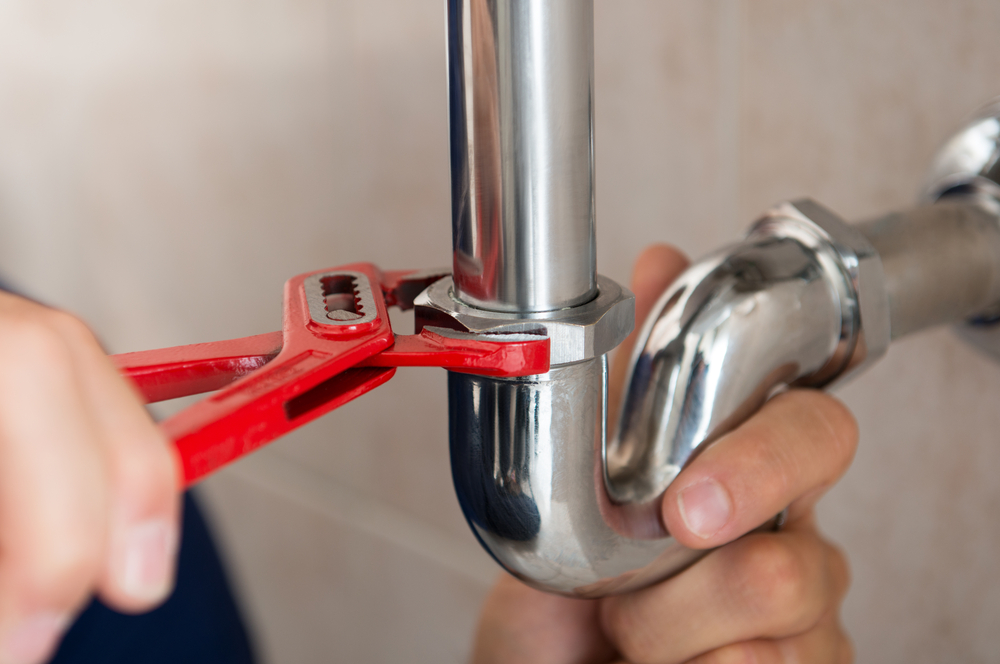
Leaky pipes There are some aspects of home ownership that are pretty much universal; installing new windows, purchasing a new laundry machine, or replacing the roofing. Other times, however, there are plumbing issues. Listed below are some plumbing mishaps you’re likely to, at some time or another, run into.

Leaky Faucets We’ve all experienced it before. The sound of that inconsistent drip of water that drops over and over again. The cause for the leak could be for a number reasons, so your first plan of action should be to determine the spot that is causing the leak and figure out if the problem is rooted in the sink’s structure (such as old washers that need to be repaired) or faulty pipes beneath the sink. Although a leaky faucet may not seem like something that needs to be handled immediately, they can eventually lead to a higher water bill and liquid damage thus should be dealt with as soon as they’re spotted.

Blocked Drains For both the kitchen and shower, random materials slowly build up in the drain over time. After a while, the drain becomes clogged and in turn disallows the passage of water through the pipes. When this happens, it’s important to clear out the trapped gunk in order to keep your sinks and showers from being backed up with a heap of rank-smelling debris. To unclog your drain, choose from using either a sewer snake, store-bought mixture, or vinegar-based mix.

Running Toilet Often times, the solution to a running toilet is a quick-fix found in the toilet’s tank such an old flapper that needs to be replaced; this is a part of a toilet that allows the water to flow in and out of the tank. For a further explanation of how to fix a running toilet, watch the video below.

https://youtu.be/DoqzGyC92GQ

Uncomfortable Shower Pressure (Too High or Low) If your shower spouts water at an uncomfortable force, the issue can be solved simply by purchasing a new shower head that you can use to regulate the pressure with. Another solution is to alter the rate of your home’s water pressure; however, it should be noted that this will influence the flow of water not only from your shower, but also all other appliances in your home that use water.

Burst Pipes During the Winter season, it’s possible for pipes to freeze and, as a result, burst; this can result in seriously expensive damages if not dealt with in a timely manner. If your pipes have burst, turn off the water, clear your home goods that are at risk of water damage, and do what you can to seal all leaks. To fully take care of leakage from burst pipes, you may want to hire further assistance from a plumber who has dealt with this issue before.

Turn Your Bedroom Into a Sleep Sanctuary

Bedroom Clocking a full seven-to-nine hours is highly beneficial to mental and physical health. Without it, there can be seriously harmful effects such as an increased risk for diabetes, faster rates of aging, and a less sharp memory. According to a recent poll, roughly 40% of Americans receive less than seven hours of sleep per night. Though the causes for these alarmingly high rates are widespread and vary on an individual level, there are universal strategies that everyone can use to win back their much-deserved rest. The first steps to this start in regulating the environment we sleep in: the bedroom. Read below to learn more.

Control Light with Window Treatments There’s nothing worse than having your sleep interrupted by morning sunlight. Prevent this from happening by investing in a set of window treatments that completely block out the sun. There are numerous types of window treatments; each kind is differentiated by fabric, aesthetic, and ability to block out light. The most popular types include blinds, curtains drapes, and shades - all of which come in varying fabrics, colors, and styles.

Reduce Technology Use Studies have shown that nestling up in bed with our favorite technology is actually a detriment to our quality of sleep. If possible, keep your laptop at a desk and try to use it no sooner than an hour before bed. Likewise, use phones sparingly before bed and find a charging spot in the room that isn’t bedside so that you aren’t tempted to browse through it before you head to sleep.

Set a Comfortable Temperature There’s nothing more frustrating than tossing or turning, fighting to find a comfy amount of blanket coverage. Avoid this altogether by taking a moment before bed to adjust the temperature to an agreeable level. If you live in a warmer climate and lack a window, you want to consider adding new windows to control ventilation and bring forth cool breezes.

Colors Matter Choose calm, neutral colors that give off a relaxed tone. There’s technically no bad color to use, but it’s best to shy away from hues that are too exciting as these don’t facilitate an atmosphere you would want to sleep in. Ultimately, the most effective results as far as sleep and relaxation go is to use colors that bring you the most comfort.

Limit Activities in Bed Studies have shown that when the bed is used solely for sleeping, it trains the brain to a have a stronger connection to it with rest. By forgoing television and other non-sleep related habits while in bed, a smoother transition from wakefulness to the beginning stages of light sleep is had.