
Surprising Benefits of an Organized Home

Benefits of an Organized Home When we see pictures of perfectly organized homes on blogs and in magazines, it’s easy to dream of having our own homes be that neat and tidy. But when we think of the time it would take to make our homes that organized, it’s easy to get overwhelmed. However, taking the time to really organize your home can be very worthwhile and benefit your life in more ways than you ever imagined! Of course, organizing your home makes it easier to find the things you’re looking for and generally makes your home look nicer. But how else can organizing your home benefit your life?

You Can Save Money

One thing a lot of people don’t realize about clutter is that it can actually cost you money. Have you ever had to pay a late fee because you misplaced a bill, accidentally bought a duplicate of something you forgot you had because it got lost in the clutter, or had food expire because it pushed to the back of a crowded pantry or cabinet? If clutter blocks vents, it can drive up the cost of your energy bills by making your HVAC system work harder. If you have some extra stuff to get rid of, selling it can help you earn a little extra money. Once you take the time to truly organize your home, you might be surprised by how much money you end up keeping in your pocket.

You’ll Have Less Stress

We all know it can be stressful when you end up running late because you can’t find something you need. But did you know that simply being around clutter can make your life more stressful? Studies have found a connection between being around clutter and higher levels of cortisol, a stress hormone, in women.

You’ll Save Time

Getting organized doesn’t just make your life more efficient by making it easier to find things. Other studies have shown that working in cluttered areas can make it more difficult to concentrate and get things done. Having so many things to look at overloads your brain’s visual cortex, making it harder to process new information. By clearing the clutter, you’ll be better able to focus and concentrate so you can get things done faster, creating less frustration and giving you more time to spend doing things you enjoy.

It Can Help You Start a Healthier, Happier Lifestyle

Believe it or not, getting your home organized can be a stepping stone toward a naturally happier, healthier lifestyle. Not only will your nicely organized home cut down on your stress levels, the habits you develop to maintain your organized home can serve you well in other ways. For example, you may start taking more time to plan out and prep healthy meals in advance, making it less likely for you to be tempted to order pizza or pick up fast food for dinner. Setting short-term goals to get your home organized also make it more likely that you will become the type of person who can establish a regular workout routine and stick to it.

Since having too much stuff around the house can cause stress, that can lead to conflicts with the people you live with. Getting rid of the clutter won’t necessarily save a marriage with deeper issues, but it can help minimize some of the little arguments you get into with your spouse.

Having a nice, clean home can also make it more likely you’ll want to invite your friends and family over more often for dinners and other get-togethers. Wouldn’t it be nice to be able to have fun without having to even leave the house?

You’ll Spend Less Time Cleaning

Aren’t there other things you’d rather be doing than cleaning your house? Getting your home in order may take a bit of your time up front, but a nicely-organized home can actually help cut down on the amount of time you spend cleaning in the long run. When you have fewer items in your home, you’ll have fewer things to deal with dusting and to keep organized. Once you’re in the habit of keeping everything in order, it will be much easier to stay on top of it by organizing and cleaning up as you go.

You’ll Be Able to Use More of Your Home

When spaces around your home are too full of clutter, it can be hard to use them for their intended purposes. For example, many people overlook their garage as a part of their home organization plans. As a result, 25% of people who have two-car garages say they’re unable to park cars in the garage at all because they have too much other stuff in there. 32% of two-car garage owners also said they only had enough room to park one of their cars. By getting rid of some of your excess stuff and organizing your home, you’ll be able to reclaim all those spaces you weren’t able to take full advantage of because they were simply too cluttered.


Important Things to Be Aware of Before Remodeling an Older Home

Important Things to Be Aware of Before Remodeling an Older Home Although many people love modern, newly-built homes, some homeowners can’t resist the unique charm of an older home. Older homes often have lots of decorative touches that just aren’t found in more modern homes. But owning an older home can definitely have its challenges. Just like any other type of home, an older home is going to need maintenance every now and then and you may want to make some other renovations to turn it into the home of your dreams. But renovating and making improvements to an older home often isn’t quite as easy as it is with newer homes. Before you start planning your next home improvement project, here are a few very important things you should keep in mind.

Potential Hazards

While things like lead paint and asbestos have been banned from being used in homes for decades, if your home was built before 1978, there’s a very good chance these things could still be present in your home. According to the EPA, 87% of homes made before 1940 have lead paint present, while 69% of homes built between 1940 and 1959 still have lead paint in them. Before 1977, asbestos was used in a multitude of common household items, including insulation, some types of flooring, textured paint, and roofing and siding materials.

If you’re planning a renovation that would disturb things made with these materials, you’re going to need to find a professional who knows how to safely work with them. For example, demolishing a wall that was painted with lead paint will send dust from the lead paint into the home, which can cause health problems, particularly in children under the age of six. Asbestos abatement will require special training since particles of asbestos that get released into the air can cause lung cancer.

If you’re unsure if you have lead paint or asbestos in your home that could be impacted by a project, it’s best to have testing done before starting your project.

Outdated Plumbing and Wiring

Having signs of older building methods in your home isn’t always a bad thing. After all, many people love older homes specifically because they have high quality craftsmanship and unique architectural touches. However, it’s very common for older homes to have electrical wiring and plumbing that does not meet current code standards. For example, outdoor electrical outlets and outlets in kitchens, bathrooms  are now required to have three-pronged outlets to ground the circuit, but many older homes only have two-pronged outlets in these areas.

If you’re planning a project that involves opening up a wall, be aware that your contractor might discover some problems with your electrical or plumbing systems. If there are things that need to be corrected to bring them up to code, this will increase the total cost of your project, so you might want to leave some extra money in your budget to work with.

Your Local Historical Society

In many cases, neighborhoods full of older homes have a historical society that works to protect the character of the homes in the area. If your home is covered by one of these historical societies, you might be required to run your renovation plans by them before work can begin. Talking to your local historical society might not necessarily be a bad thing, though. They may be able to recommend some contractors to you who have lots of experience working on older homes.

All About Window Films

All About Window Films It’s no secret that windows can have a very drastic impact on the way a room looks. Simply replacing old, worn out windows with new ones can instantly give a room a whole new look. If getting new regular windows makes a huge difference, imagine the kind of impact windows with a specialized type of glass, like stained glass or frosted glass, would make!

The good news is that there is a way to change the look of the glass in your windows without having to get entirely new windows. Window films are very thin sheets of vinyl that can be applied directly to the window pane and can be purchased at many hardware stores. These window films come in many different styles and can offer some great benefits without having to spend a lot of money.

Easily Change a Room’s Decor

Do you like the idea of having stained glass windows in a room in your house, but don’t want to have to pay to have the real deal installed? Window films can give you the look you want, but for a fraction of the price. Best of all, if you decide to redecorate the room or you move out and the next homeowner wants to change them, window films can easily be removed without damaging the window or causing any extra expense.

Added Privacy

Want to create a little more privacy in a room? Many window films mimic the look of etched, frosted, and textured glass, which can make it more difficult to see into a room from the outside while saving you the expense of getting new glass for your windows or having to get blinds or curtains. While you may want privacy in a room, that doesn’t necessarily mean you want to drastically cut down on the amount of natural light the room gets. While these types of window films might reduce the amount of sunlight that comes in, they’ll still let in quite a bit of light while still giving you the privacy you need.

Reduce Solar Heat and UV Rays

If you’d like to cut down on how much time you spend running your air conditioner during the summer, many window films are designed to reduce the amount of heat from the sun that enters your home and filter out UV rays. Not only will these types of window films help make your home more comfortable, the UV filtering properties can prevent the colors in your carpet, furniture, and paint from fading.

Although window films do have their benefits, it’s important to understand they won’t fix larger problems with the window itself. If your heating and cooling bills are higher than you’d like them to be, a solar heat-filtering window film will only do so much. There may be a draft around your window or elsewhere in your home that needs to be addressed. Or if you have an older type of window, upgrading to vinyl replacement windows would be a more effective long-term solution because of their more energy efficient nature. It’s also important to note that window films that reflect heat shouldn’t be used on dual or triple pane windows since these films can cause heat to build up between the panes of glass and cause condensation to form.

How to Organize Your Pantry -- And Keep it Organized!

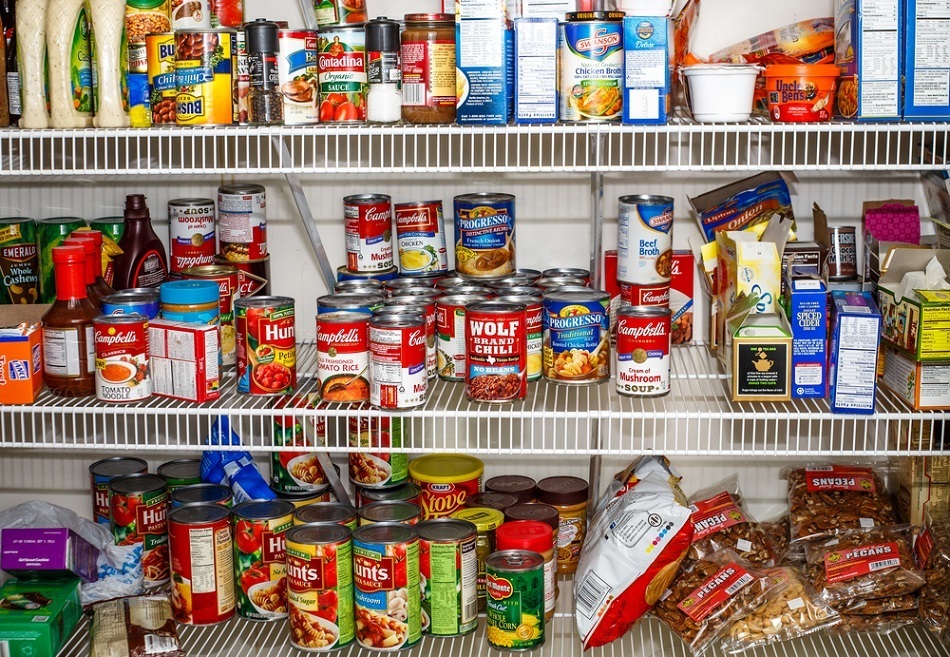
Tips for Organizing a Kitchen Pantry -- Credit Darryl Brooks Shutterstock Image Credit: Darryl Brooks / Shutterstock.com

Pantries can be a pretty challenging area of the home to organize. Things get moved around in there so often and since pantries hold so many small items, it can be hard to get everything in order and keep it that way. The good news is that with a few simple organization methods, you can get your pantry nice and organized in no time and make it easy for you to keep it that way.

Start By Clearing Out Your Inventory

The best way to start getting your pantry in order is to start by taking everything out and getting rid of things you no longer need. Toss any food that’s past its expiration date. If you have food that’s still good, but you have more than you really need or you just don’t see yourself using before it expires, go ahead and donate some of it to a food drive or food bank. Once you get rid of the things you either don’t need or can’t use, you’ll have a much easier time organizing the things you do need.

Consider How Often You Use Things

One of the most important things to consider when organizing your pantry is how often you use certain things. Things that get that get used all the time should be kept within easy reach while things that aren’t used as frequently can be placed on the higher shelves. Larger, heavier items like bottles of cooking oil or big bags of flour should be kept at lower levels so that nobody hurts themselves trying to reach them.

Group Related Items Together

When you’re trying to get ready to make a meal, the last thing you want to do is spend a long time searching your pantry for the ingredients you need. By grouping related items together -- baking items, soups, snack foods, canned fruits and vegetables, drinks, etc. -- you’ll have no problem finding what you need and it’s easy to help keep your pantry organized when everyone has a general idea of where everything should go.

Maximize Your Available Shelf Space

Pantries are often full of small bottles, jars, and cans that don’t take up the whole height of the shelf in your pantry, leaving you with wasted space above those items. To make the most of your shelf space, you might want to consider getting small individual wire shelves to place on your existing shelves. That way, you’ll maximize your shelving space and make it easier to keep those smaller pantry items in order.

Use Trays and Baskets

Baskets and plastic trays can be extremely helpful in keeping your pantry organized. If you keep a supply of chips and pretzels in your pantry, trays and baskets can help prevent them from being crushed by heavier items. If you have kids who like having pre-packaged snacks in their lunches or for after-school snacks, keeping them all in a basket or tray makes it easy to grab them as needed. They can also be very helpful in keeping related items grouped together.

Put New Things in the Back

We’ve all had those moments where we’ve been cleaning out a closet and we find something we totally forgot we had because it got pushed all the way to the back. To prevent this from happening in your pantry, try to place newer items in the back and keep older items in the front. That way, the older items will be more likely to used first, before they expire, and newer items can be rotated forward as needed.


Vinyl Windows vs. Aluminum Windows

Vinyl Windows vs. Aluminum Windows Making sure you have good, high quality windows is one of the best investments you can make in your home. Good windows will protect your home from the elements, keep your home comfortable, and help keep your heating and cooling bills to a minimum. There are lots of different types of windows available -- vinyl, wood, aluminum, fiberglass -- and not all windows perform equally. When the time comes for you to replace the windows in your home, you’ll want to make sure you’re choosing the right type. But which windows are the best type for you?

Since most people do not have unlimited budgets to work with for their home improvement projects, affordability is a big factor homeowners have to consider when looking for new windows. It’s very important to get the best quality for the most affordable price. Vinyl replacement windows and aluminum windows are both known for being some of the more budget-friendly window options on the market, but how do they compare?

Energy Efficiency

In terms of energy efficiency, vinyl windows definitely have the edge over aluminum windows. Since aluminum is a type of metal, it conducts heat better than vinyl does. Not only does this make them less energy efficient, it also makes them more prone to causing condensation to form on and around your windows. Aluminum windows can come with thermal breaks to help make them more energy efficient, but these can drive up the cost of the windows.

Maintenance

Both vinyl and aluminum windows are very low maintenance when compared to wood windows, but vinyl windows still come out ahead when compared to aluminum. If you live in a very humid area, near a body of water, or are planning to put the window in a room that typically has a lot of moisture in the air, such as a kitchen or bathroom, you won’t have to worry about a vinyl window starting to rust. Aluminum windows can be painted with an anti-corrosion paint, but vinyl windows don’t need to be painted at all. If the paint becomes chipped on an aluminum window, the metal will be visible and the paint will need to be touched up. Aluminum windows also occasionally need to be treated with a lubricant to make sure they stay easy to open.

Appearance

Many homeowners prefer the look of vinyl windows because they feel like aluminum windows can look a little too utilitarian for the home. Aluminum windows can be painted to any color you like, but vinyl windows also come in a variety of colors, including wood finishes. Although aluminum windows can have a treatment applied to them to emulate the look of wood, many people believe the faux wood finishes available for vinyl windows have a more convincing look.

Overall Value

Vinyl and aluminum windows are both known for their affordability, but vinyl windows tend to offer the best value in the long term. Since vinyl is a better insulator than aluminum, vinyl replacement windows will help you save more money on your heating and cooling bills. Any added features that would help make an aluminum window more energy efficient will also make the window more expensive overall.