
Blog

5 Important Things to Consider Before Getting a Pool

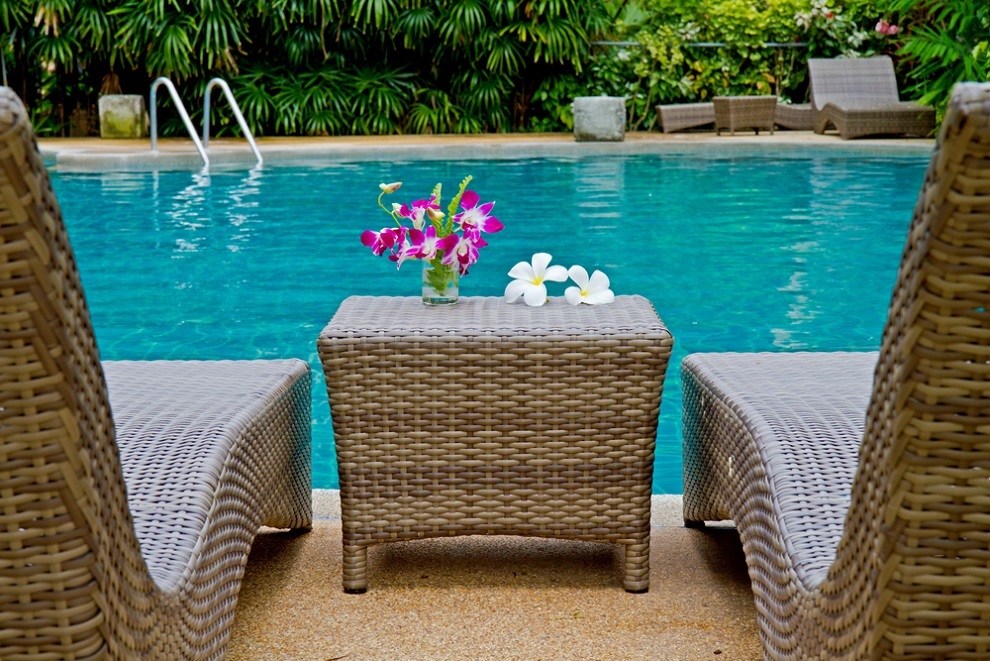
5 Important Things to Consider Before Getting a Pool With summer just around the corner, many people are already thinking ahead to the things they can do to enjoy the warmer weather. While some people like to travel and others like to get out and ride their bikes, others love the idea of spending hot summer days by the pool. If you’re an avid swimmer, having a pool of your own probably sounds like an absolute dream. But having a pool installed at home can be very expensive and requires a lot of upkeep. If you’re thinking of adding a pool to your property, here are a few very important things you should think about first.

Budget

It’s no secret that pools can be very expensive. Many different factors play into the total cost of a pool, but before you get too far into planning the pool of your dreams, it’s best to figure out exactly how much you can afford to spend. Once you know your budget, you’ll have a better idea of what your options are. You don’t want to get your heart set on an in-ground pool when your budget only allows for an above-ground pool. And don’t forget to plan for the costs beyond having the pool built! Pools require a lot of ongoing maintenance and repairs, so you’ll need to get an idea of how much you can expect those to be. Don’t forget the cost of any pool-related accessories you might want to have!

Why You Want a Pool

This may seem like an obvious point to make, but many homeowners don’t stop to think about what exactly it is they want to get out of their pool. It’s very important to think about this because it will help you better plan your design. For example, are you planning to use your pool more for exercise or more for recreation? If you want to be able to swim laps for exercise every day, a rectangular pool would be a better choice for you. But if you just want to be able to have fun with your family, you can get more creative about what shape your pool is.

Local Zoning Rules

Before you get too caught up in the planning process, check with your city to see if there are any particular zoning rules about pools on residential properties you need to be aware of. Local zoning regulations can potentially make a big impact on your pool’s design. Depending on what your city’s rules are, you might have to deal with restrictions like how closely pools can be placed to your property line, requirements for fences around a pool, or how deep pools can be.

Insurance and Safety Measures

While pools can be very fun, they can also be very dangerous if proper precautions aren’t taken. You’ll need to let your homeowner’s insurance provider know that you’re adding a pool to your property, which could mean higher premiums, so that’s another cost you’ll need to plan for. Protective fences are very often mandatory. If you have young kids, you may want to consider other safety measures like water alarms and covers for extra protection.

Location

Before you start work on having a pool constructed in your yard, outline exactly how large it will be and where it will be placed. Leave that outline in place for a couple of days. This will help give you a better idea of the kind of impact the pool will have in your yard. Maybe you thought your pool would be a comfortable size, but once you really see how much space it would occupy in your yard, you may want to reconsider your plans. Also, be sure to look for other factors that could impact how much enjoyment you get out of your pool, like overhanging trees that could force you to spend a lot of time skimming leaves out of the water.

Keep Pests Away Naturally With These Plants

Keep Pests Away Naturally With These Plants With spring and summer just around the corner, it’s easy to start daydreaming about how nice it will be to get outside more often again and have fun right in your own backyard. But while we often remember the nice aspects of spending time outside, it’s easy to forget about the not-so-pleasant things like annoying insects.

If you’ve had problems with mosquitoes and other bugs in your yard, spring is actually a good time of year to do something about it. While you’re thinking of things you want to do with your yard and garden this year, remember that many plants and flowers naturally repel insects. By choosing the right plants, you’d have a way to add beauty to your yard while naturally keeping annoying insects away at the same time. Like this idea? Here are a few plants to look for.

Petunias

Not only do petunias come in a wide variety of beautiful colors, they’re actually classified as a type of carnivorous plant. While petunias are much more attractive than a Venus flytrap, they actually have small hairs on them that help them trap bugs like aphids, leafhoppers, asparagus bugs, and more. Best of all, petunias work equally well when planted into the ground or in containers and hanging baskets, so you can easily place them anywhere you need them to be, as long as they’ll be able to get plenty of sunlight.

Basil

Want to keep mosquitoes and house flies under control? Maybe getting some basil plants would do the trick. While basil isn’t the only herb to drive bugs away, it’s one of the few herbs that don’t need to be crushed up to be effective. You can grow it by planting it in the ground or keep it in smaller containers to be placed where they’d do the most good. Best of all, you can always use some of the leaves for cooking and add some extra flavor to your meals.

Lavender

Lavender is certainly an herb with a lot of benefits. While many humans love the smell of lavender and love the calming benefits it offers, bugs like mosquitoes, flies, fleas, and moths don’t feel the same way. In fact, you can even use a lavender extract to make a mosquito natural repellent to spray on your skin.

Mums and Marigolds

Mums and marigolds have a reputation for being fall flowers, but it’s best to start planting them in the spring for best results. They’ll look great all summer long and will thrive into the fall months, but in the meantime, marigolds will drive away aphids and mosquitoes and mums will repel roaches, ants, silverfish, fleas, and more.

Rosemary

Rosemary is another herb that’s delicious, but repellant to insects. If you have a vegetable garden and want to avoid problems with bugs, try keeping rosemary planted nearby.

Planning to Replace Windows in Garages

What You Should Know Before Adding or Replacing Windows in Garages Just like with any other part of your home, windows are a very important factor in how your garage looks. Choosing the right windows for your garage can create a more cohesive appearance between your garage and the rest of your home. If your home has an attached garage, your garage windows can help boost your curb appeal by making your garage look like a more natural extension of the rest of your home.

Beyond the garage’s exterior appearance, windows in a garage can add options for ventilation, which are very important to have when you’re working with things like paint or engines. The extra natural light can be nice to have if you spend a lot of time working in your garage since you won’t have to rely on electrical lights so much. But whether you’re thinking of adding brand new windows to your garage or replacing existing ones, there are a few things  you’ll need to keep in mind.

Material

While homeowners often spend a lot of time taking care of the main part of your house, they often focus less on their garages. So if you need to replace windows in your garage, you’ll probably want to look for a type of window that doesn’t require a lot of maintenance. Vinyl windows are a great option for garages since they don’t need to be painted, sanded, or stained the way wood windows do, so you’ll have more time to spend working in your garage, not working on it.

Security

Since garages are typically used to store things like cars and expensive tools, they’re a very common point of entry for burglars. When choosing windows for a garage, choose windows with frosted, tinted, or otherwise obscured panes of glass to prevent people from being able to see inside.

Another way to improve your security is with window films. Some window films tint windows or emulate the look of frosted glass to make it hard to see inside. There are also shatter resistant window films, which don’t obscure the view, but they do make it harder for burglars to break a window to get in.

If you’re considering having brand new windows added to a garage, one way you can improve security is by placing them higher up on walls so it’s not so easy for anyone to get in through.

Windows on Garage Doors

Windows are a very popular way to enhance garage doors. While they don’t offer ventilation the way other windows would, they are still very decorative and can add a lot of character. If you have a garage door which doesn’t have windows, you might not even have to buy a whole new garage door. Garage door companies are often able to add windows to existing garage doors rather than replacing the entire door. However, this isn’t always possible so it’s best to consult a garage door professional about this idea. If it’s possible to add windows to your existing garage door, the professionals will need to make sure the windows wouldn’t interfere with the balance of the springs in your garage door’s system.

Getting Your Yard Ready for Spring

Getting Your Yard Ready for Spring While it’s still a bit early to actually start planting things in your garden, it’s not too soon to start planning ahead and taking early steps to get your lawn and garden ready for the warmer weather that’s just around the corner. Winter can be a very harsh time of year for your lawn, so taking the time to get your yard back into good condition can be very beneficial for the rest of the year.

On a day when there isn’t any snow on your lawn, start by looking for any obvious lawn problems that need to be taken care of. Are there any patches of grass that don’t seem to be growing in? Do you see signs of snow mold? Does the soil seem compacted? Are there any parts of your lawn that look like they’ve been damaged by rock salt? Once you’ve got a better idea of what condition your lawn is in, you’ll be able to form a better plan of attack.

While you’re out in the yard, start cleaning up debris like leaves and branches. Although you most likely raked the fallen leaves back in your yard back in the fall, it’s still smart to go through and get rid of any leaves you may have missed. Leaves that are left on your lawn can trap moisture underneath and cause problems like mold or fungus growth, so it’s very important to keep your lawn as leaf-free as possible. Keeping your lawn free of debris also helps improve airflow to your lawn and help it get more sunlight so that it can grow better.

Even if you don’t have leaves to get rid of, remember that raking isn’t necessarily something you should only do during the fall. Raking your lawn during the spring helps wake your lawn up again by clearing up any areas where the grass has gotten matted down. Raking also helps to get rid of existing thatch and blades of grass that died off over the winter. Getting rid of those things will also help air and sunlight better reach your lawn and help it grow.

Do you have problems with crabgrass? Now is the time to take action to get rid of it. To effectively get rid of crabgrass, you’ll need to start applying crabgrass control products to your lawn once the temperatures start consistently getting into the 50s so that you get rid of it before it starts growing again.

If you have a lot of foot traffic in your yard, it’s very common for soil to become compacted over time, which can make it hard for your lawn to grow as well as it ought to. Although many gardening experts advise saving lawn aeration for the fall, it’s certainly something you can do during the spring if you’ve just noticed it’s a problem.

Last, but certainly not least, don’t forget to see what shape your gardening tools are in. Is your lawn mower still in good working order? Do your hedge trimmers need to be sharpened or replaced? Now is a great time to make sure you have all the tools you’ll need to make your yard look fantastic once the weather gets a bit warmer.

Getting Year-Round Use from Your Screened-In Porch

Getting Year-Round Use from Your Screened-In Porch On a summer night, there isn’t anything better than enjoying the breeze while avoiding the mosquitoes from the comfort of a screened-in porch or a three-season room. Unfortunately, these types of rooms often go unused during the cold weather months.  If you live somewhere where cold weather lasts at least 3 months, you may want to consider converting your three-season room or screened-in porch into a fully-functional room that can be used all year long. Here are a few ways you and your family can appreciate that space year-round:

Climate Control

For the hot months, a ceiling fan or two, depending on how big of a room it is, makes a great addition. But for the colder months, there are few options for making the room warm and cozy. No matter which climate control method you employ, you should make sure to insulate the room as much as possible.

First, extend the forced air into the room if it is possible. This may be something that you would hire a professional to do and may cost a bit. It is not a bad idea to consider getting a couple quotes from HVAC companies to see if you can get one that will work for your budget.

Second, an electric radiant heater is another great option. There are many on the market that are very energy efficient and affordable. A few things to remember about installing one of these units:

  • Normally, these units are hardwired into the electric for the house and require their own circuit.
  • You must leave a designated area free of furniture along one of the walls where the unit will fit and not be obstructed.
  • Modern radiant heat units don’t tend to be hot to the touch, but if there are kids present, you may want to consider an alternate way of heating the room for safety purposes.

Third, another way to regulate the temperature is to use space heaters. These are not particularly energy efficient or safe, but in the presence of most adults, should suffice for colder temperatures so you can curl up with a good book and cocoa.

Flooring

If you are converting a front porch into a screened-in porch, then you may want to consider upgrading the flooring. A couple of things to consider when selecting flooring for a space like this:

  • Make sure it is all-weather material, something that can withstand both cold and warm conditions without being damaged.
  • Also, select flooring that cleans easily and can withstand moisture and other unfavorable conditions.

A couple of affordable options are laminate flooring, marmoleum (a more eco-conscious alternative to linoleum), indoor / outdoor carpet, or porcelain tile. All the above flooring options can handle the conditions that they will be subjected to.

Windows

Usually one of the main features of three-season rooms are the windows. In these types of rooms, it is important that the windows do an exceptional job. Most screened-in porches are full of screen windows, sometimes with glass panes that can replace the screens during the colder months. Sometimes these glass panes do a good job of keeping out the cold, especially if you weatherize your windows with plastic. On older houses, it is difficult to switch out the panes due to settling of the house and how it stresses the window frames. If this is the case for you and it is within your budget, it may be a good idea to switch out those windows for vinyl windows. They will add the versatility to the room to allow to celebrate the breeze when the weather is warm, but also, they will efficiently keep out the weather and retain heat in the house in the colder weather.

With a few modifications, you can add more livable square footage to your house which will help with resale value or give you and your family more space to enjoy.