
Blog

Know Your Styles of Windows

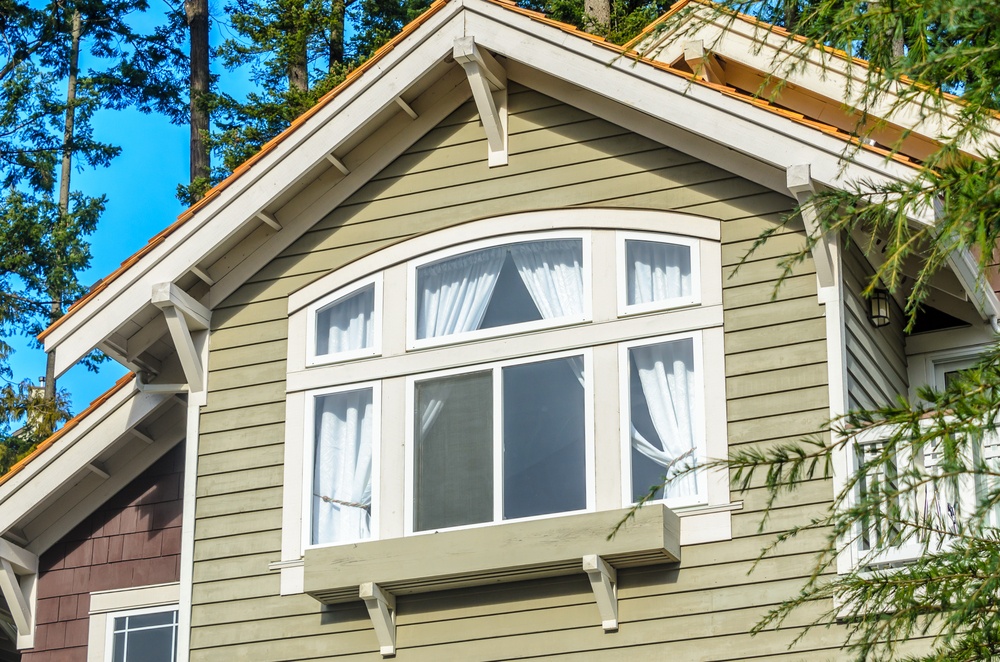
Picture window in upper level of house Well-maintained, high quality windows can easily last for decades, but sooner or later, the time will come for you to think about replacing them. Regardless if it’s been a long time since you last got new windows for your home or if this is a first time project for you, it can be easy to feel a little overwhelmed by all the styles of vinyl replacement windows out there. Don’t worry! Here’s what you need to know about some of the most common styles of windows.

Double-Hung Windows

Double-hung windows are one of the most popular styles of window on the market right now. Unlike single-hung windows where only one half of the window can be opened, both sashes of double-hung windows are operable, giving you a lot of control over the ventilation in your home. Many double-hung windows are designed to tilt inward, making it very easy to clean both sides of the glass.

Picture/Fixed Windows

Picture windows are perfect for any room of the house where you want to let natural light in and enjoy the view. Unlike other types of windows, picture windows do not open, which is why you might also hear them referred to as “fixed windows.” Since picture windows don’t open, they’re very low maintenance since you don’t have to worry about moving parts breaking. The fact that they don’t open also means they’re the most energy efficient style of window.

Picture windows look great by themselves, but many homeowners like to use picture smaller  picture windows to enhance other windows, such as by placing a half-circle shaped picture window over a rectangular window which opens.

Bay and Bow Windows

Bay and bow windows are very similar, but not exactly the same. Both styles of windows extend outward, allowing more light to enter the room and help make a room feel larger and more open. Bay windows typically consist of three main panes of glass and the panes on either side of the center window placed at a defined angle. Bow windows, on the other hand, have more window panes, but form a more softly-curved shape than bay windows.

Bay and bow windows both can create space for a window seat, but since bay windows consist of fewer window panes, they offer a more unobstructed view. Regardless of which style you prefer, both styles suit many different types of architectural styles and help improve your home’s curb appeal.

Casement Windows

If you like to get lots of fresh air in your home, you might be a big fan of casement windows. While many other styles of windows open either vertically or horizontally, casement windows have hinges on the side and open outward like a door, allowing you to let lots of air in. Because of the unique way they open, casement windows are a very energy efficient option since the window sash is pressed flat against the window frame when closed, forming a nice, tight seal. Casement windows are also a very secure style of window because their locks are placed in a way that makes it very difficult for burglars to break into them.

Garden Windows

Do you like to keep plants around your house? If so, a garden window would make a perfect addition to your home. Garden windows are similar to bay windows, but they tend to be smaller in size, have side panes that meet the center pane at a 90 degree angle, and have a top pane which angles downward toward the center pane. The side panes can be opened outward like casement windows to let in fresh air. Since garden windows extend outward, they create a nice shelf on the inside of a room to place plants. Garden windows can be installed anywhere in the home, but are most commonly placed in kitchens above sinks.

Hopper and Awning Windows

Like casement windows, hopper and awning windows are both types of windows that open by moving outward. But while casement windows have hinges on the vertical sides of the windows, hopper and awning windows have hinges on the horizontal sides. Hopper windows have hinges on the bottom of the window while awning windows are hinged at the top.
Dealing With Frozen Pipes

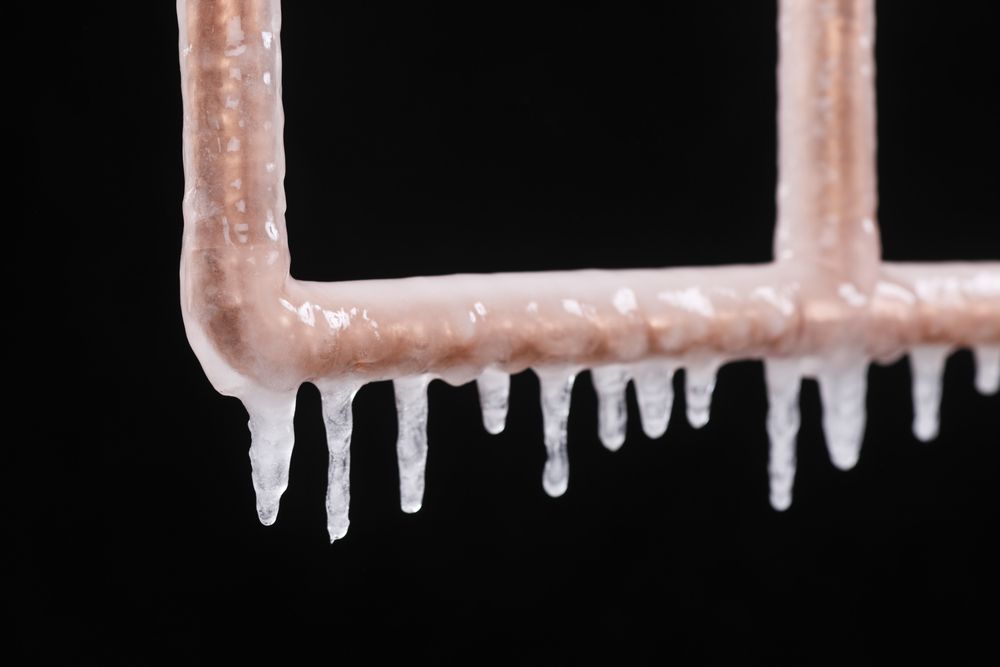
Frozen pipes with icicles hanging off When you wake up on a cold, snowy day, the last thing you want to discover is that you have a frozen pipe. Not only are frozen pipes a huge inconvenience, they can potentially burst and cause thousands of dollars worth of water damage to your home. But if you live in a colder climate, odds are that you’ll have to deal with a frozen pipe at some point in your life. So, what can you do about them?

Thawing a Frozen Pipe

When you realize a pipe has frozen, the first thing you need to do is turn off the water supply to the pipe, but leave the faucet open so that the frozen water will have a place to go when it melts. Now it’s time to start thawing out that pipe. Never use anything like a torch, kerosene or propane heater, or or anything with an open flame to thaw a frozen pipe. Instead, use things like a hair dryer, a space heater, or an electric heating pad to warm the pipe up. Keep applying heat to the area until water is able to move through again and turn the main water supply back on.

In many cases, frozen pipes can be dealt with without having to call a professional to take care of them. But if you’ve tried thawing the pipe out and it still won’t work or you think a pipe located behind a wall has frozen, calling a plumber may be the best solution. If a pipe has burst after freezing, turn off the water supply and call a plumber to help.

Preventing Frozen Pipes

If the weather forecast is predicting very cold temperatures and you’ve had problems with your pipes freezing before, one of the best things you can do is turn the faucet on so just a trickle of water is running through. Having just a small amount of water moving through the pipes will help prevent them from freezing. If the pipes that freeze tend to be in the kitchen or bathroom, keep the thermostat turned up at night and open up your cupboards to allow the warmer air to reach the pipes.

When pipes freeze, they’re most commonly pipes located along exterior walls, in unheated areas like crawl spaces, or where the water line comes into your home through the foundation. Adding insulation in these areas can help prevent freezing, but you may also want to consider applying heating cable or tape to these pipes for a more effective way to keep them working properly. Are you planning on taking a vacation this winter? Make sure you keep your thermostat set to at least 55℉ while you’re gone and leave the cabinet doors open so your pipes (hopefully) won’t freeze while you’re away. If you’re planning on being away for a more extended amount of time, you may want to shut off your home’s water supply just to play it safe.

Taking Care of the Most Common Home Security Vulnerabilities

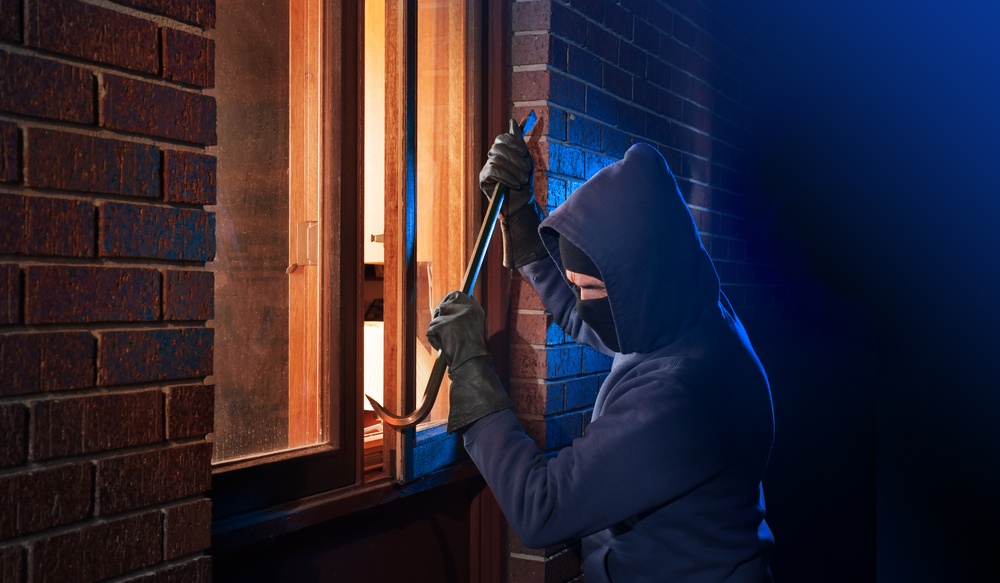
Burglar opening window to home If an experienced burglar targets your home for a robbery, all they need is a few seconds to gain access to your home. There are many different ways for an uninvited visitor to get into your home and all experienced burglars have their “tricks of the trade” for breaking in. But no matter how good you are about doing things like keeping your doors locked and keeping valuables out of plain sight, some parts of the home simply are more vulnerable to burglars than others.

Windows

Even if you’re very diligent about locking your windows and use brackets to prevent them from being opened all the way, the glass panes can still be very easy to break. Shatter-resistant security window films can help make it harder to break the glass on your vinyl replacement windows. These types of window films are inexpensive and won’t block your view or limit the amount of light that comes in, but they can do a great job of making it more difficult for someone to get in by breaking the glass.

“Hidden” Spare Keys

Not everybody is good about remembering to bring their keys with them when they leave the house, so many people decide to leave spare keys hidden in places like flower pots, under doormats, and on top of doorframes. While this might spare you the expense of calling a locksmith anytime you get locked out, you’re making it very easy for burglars to get into your home. Experienced burglars are wise to all the places people think to hide spare keys, so play it safe and leave a spare key with a trustworthy neighbor or friend who lives nearby instead.

Pet Doors

If you have dogs, they need to be able to get in and out throughout the day. But a pet door is extremely easy point of entry for a burglar if it hasn’t been installed properly. If a pet door is truly a must-have for your home, make sure you choose a very high quality door and have it professionally installed. Ideally, you should look for a pet door with a locking mechanism or one that is opened with an electronic sensor on your pet’s collar.

Landscaping

Trees and shrubs make wonderful additions to your yard, but if they get overgrown, they can create a great place for burglars to hide. Make sure any trees in your yard aren’t significantly blocking the view of your house from the street and keep bushes trimmed so that they’re no taller than three feet high. If you’re planning some new landscaping for your yard, make sure you choose bushes that are either full of thorns or difficult to climb.

Garages

Does your home have an attached garage? If so, don’t forget to lock the door that leads into the garage from your house. Since this isn’t technically an exterior door, many homeowners forget to lock it. But if a burglar is able to get into the garage, they’ll have no problem getting into the rest of your home. Even if you don’t have an attached garage, it’s still important to protect it from burglars. If you have windows in your garage, make sure to use curtains, blinds, or window films to make it harder for a burglar to take inventory of your belongings from the outside.

Stay Warm Without Turning Up the Heat

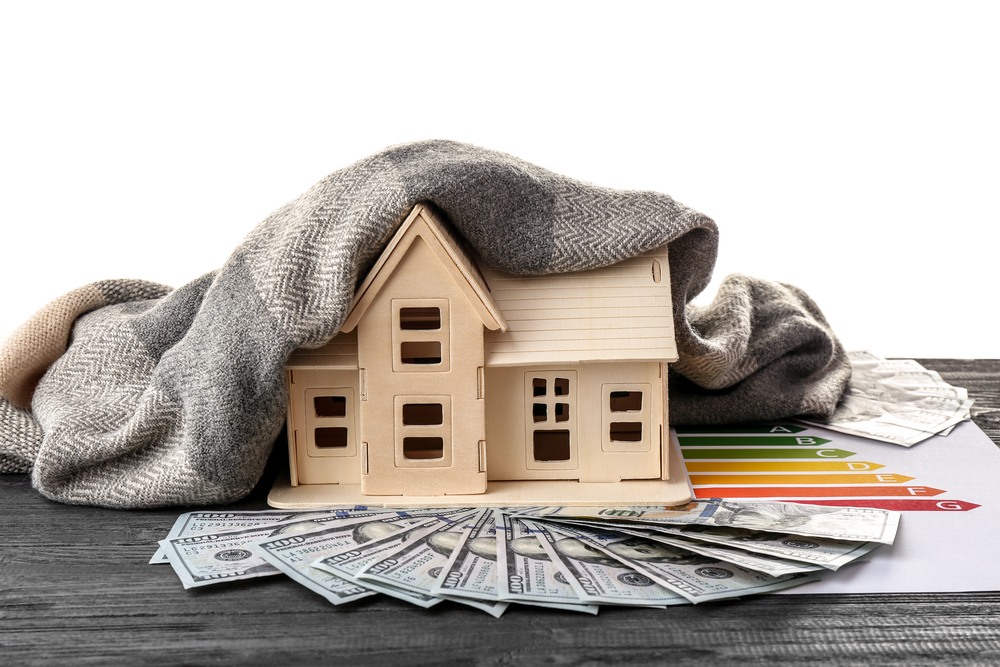
home with blanket, heating bills, and money Stay Warm Without Turning Up the Heat

Once the temperature outside starts getting cold, keeping your home warm can get very expensive. On average, the costs of heating and cooling a home accounts for over half of a homeowner’s total utility bills. Of course, you want to stay warm and comfortable in your own home, but keeping the thermostat up nice and high costs a pretty penny and constantly wrapping yourself up in blankets at home can be annoying. So, what can you do to stay warm without relying on your furnace so much?

Check for Drafts

Drafts along windows and doors are a major source of heat loss in homes. If your heating bills are higher than you’d like them to be, spending a few minutes checking all your windows and exterior doors for drafts could be extremely worthwhile. Make sure all your doors and windows have weatherstripping on them and that there aren’t any gaps in the caulking around them. It’s very common for caulk to become brittle and fall out of place as it ages, so it’s entirely possible that your caulk might need a little touching up. Although windows and doors are some of the most common places drafts form, they can occur anyplace where openings have been cut into walls, such as around electrical outlets and areas where cables are being run into the house, so don’t forget to check them, too.

Change the Direction of Your Ceiling Fans

Many homeowners think their ceiling fans are only being useful during the hot summer months, but they’re actually extremely helpful all year long. When winter arrives, change the direction of the blade rotation so that they turn clockwise.  When fans turn counterclockwise, they help cool air circulate throughout the room. But since heat rises, setting the fan to turn clockwise will help push that warm air down where you can feel it.

Turn Up Your Humidifier

If you have a humidifier in your home, winter is the best time of year to use it. Air has an easier time holding onto heat when humidity levels are higher, so by using your humidifier, you’ll be able to feel more comfortable even with the thermostat set a few degrees cooler. Since furnaces tend to make air very dry, running a humidifier will also help eliminate problems like dry skin and annoying static cling.

Make the Most of Your Windows

Although drafts along windows are a common source of heat loss, your windows can be very helpful in keeping your home nice and warm. The days may be shorter during the winter, but make the most of the daylight we do get and keep your curtains open during the day to let the heat from the sun help heat your home. But once the sun sets for the day, closing your curtains will help keep drafts out and heat in. Make sure you have curtains made of a thick, heavy material on your windows for best results. However, if your windows are old and worn, you may want consider replacing them with a more energy efficient option like vinyl replacement windows.

Add Insulation

The older your home is, the more likely it is that your home could benefit from some added insulation. Not only will this help your home stay warm in the winter, it will help your house stay cool in the summer, providing you with year-round energy savings.

Top Warning Signs of Electrical Wiring Problems

Top Warning Signs of Electrical Wiring Problems Some types of problems in the home are easier to spot than others. It’s easy to notice things like broken windows, a faucet that won’t stop dripping, or a furnace that suddenly stops working. But when part of your home is something that’s typically hidden behind walls, like your electrical wiring, it’s a lot harder to know when there’s a problem. But if there’s a problem with your home’s electrical wiring that doesn’t get taken care of, it can potentially cause a fire. So, how can you tell if there’s something wrong with your electrical wiring?

Lots of Tripped Breakers or Blown Fuses

Making an occasional trip to the circuit breaker or fuse box to replace a blown fuse or fix a tripped circuit is not a big deal. This just means your circuit breaker/fuse box is doing its job in preventing your electrical circuits from being overloaded. But if your circuit breaker trips frequently or you’re blowing several fuses per month, that’s a big red flag. This could be a sign that your home’s electrical system isn’t designed to handle the amount of electricity you need, that there’s a short somewhere in your wiring, or that your circuit breaker/fuse box is getting old and worn out.

Flickering Lights

Have you noticed that your lights flicker or get dimmer while you’re running another appliance, like the washing machine or dishwasher? Electrical lights tend to use relatively little power compared to most other appliances, so if you notice that your lights flicker or dim when you’re using other appliances, it might indicate that there’s a lot of stress being placed on that circuit. It might also be a sign that a wiring connection to your light fixture has come loose. In either case, calling an electrician can help solve the problem.

Do You Hear Something?

When electrical wiring is in good working order, it won’t make any noise when it’s being used. But if you hear a buzzing, popping, or crackling noise coming from an electrical outlet, stop using it immediately, turn off the power to that circuit, and call an electrician right away. If you’re actually seeing sparks coming from an outlet or circuit breaker/fuse box, you definitely need to call an electrician immediately.

Hot Outlets and Switches

If you touch an electrical outlet or switch with your hand, does it feel warm or hot? Some types of electronics or appliances will get warm if they’ve been plugged in for a while, but light switches and electrical outlets themselves should not. An electrical outlet should also never look burnt or scorched. If you’ve noticed this, give an electrician a call so they can come out and see what’s causing the problem.

The Smell of Burnt Plastic

Burning plastic has a very distinctive smell. If you’ve noticed this smell around your house, but aren’t sure where it’s coming from, there’s a good chance it might be coming from your electrical wiring and you should call an electrician.

These are just a few of the biggest warning signs to watch out for. Of course, if you’re able to see frayed or damaged wiring, that’s another big sign you need to have an electrician come out to your home. But if you live in an older home, you may want to consider having an electrician come out to evaluate your system. Even if you haven’t noticed a problem, there may be things that could be done to make your system safer and more in line with modern code standards.