
Blog

FAQs About Vinyl Replacement Windows

FAQs About Vinyl Replacement Windows Replacing your windows is an excellent investment in your home. However, it’s not the sort of project homeowners deal with very often. There are a lot of different types of windows out there, so when it’s time to consider having your windows replaced,  it’s important to take the time to do some research to make the best choice.

Vinyl replacement windows are one of the most popular types of windows around. If you’re considering having vinyl windows installed in your home, it’s totally understandable that you might have a few questions about them. If you have questions, we can help! Here are answers to a few of the most common questions people have about vinyl replacement windows and about the process of having their windows replaced.

When Can Vinyl Windows be Installed?

Anytime! Windows are a hugely important part of your home and if you need to have one (or all of them) replaced, there’s absolutely no need for you to wait for a specific time of year. Although many homeowners prefer to wait until the spring or summer to replace the windows in their home, vinyl windows can be installed all year round.

Do Vinyl Windows Need Any Special Maintenance?

One of the top reasons why vinyl replacement windows have become so popular is because people love how low maintenance they are. You never have to worry about wood rot or having to scrape or paint your windows, which are things you’d have to deal with if you had wood windows. Vinyl window frames can easily be cleaned with ordinary soap and water, so you don’t have to buy any special cleaners or use harsh chemicals to wash them. At most, you might want to apply some lubricant to the hardware parts of your windows once a year and make sure the window tracks are kept clean to make sure they continue operating smoothly.

How Do Vinyl Windows Compare to Other Types of Windows?

Out of all types of replacement windows, vinyl windows are one of the most affordable options available. But that lower price tag doesn’t mean they’re lower quality. They’re an extremely durable type of window and hold up extremely well through all sorts of weather conditions, including high heat. Unlike wood windows, vinyl windows won’t warp or swell in humidity. Since vinyl doesn’t conduct heat, they’re inherently a better insulator than aluminum windows. Vinyl windows are durable enough to last for decades.

Are There Color and Style Options for Vinyl Windows?

Vinyl windows are extremely versatile. No matter what style of window you’re looking for -- picture windows, casement windows, bay windows, double-hung -- vinyl windows can be used. Although many people think vinyl windows are limited to either white or beige colors, there are other options available, too. You can even get vinyl windows with a faux wood finish so you can have the look of wood without having to deal with the hassles that come with maintaining real wood windows.

How Do I Know When it’s Time to Replace My Windows?

Windows can show signs of failure in several ways. If you touch the pane of glass and can feel heat or cold from the outside or feel a draft when there are no signs of worn caulk or weatherstripping, it may be time to replace that window. Is your window hard to open or close? It could be a sign that your window frame has become warped or that your house has shifted, pulling the window frame out of alignment. If you’re consistently seeing frost or condensation on your window or in between the panes, you may need to have a seal fixed. Sometimes you can have the seal repaired without replacing the whole window, but if the seal was broken by something like the house shifting, you may need to have the window replaced.

Do I Have to Replace All My Windows at Once?

No. If you’re only having a problem with one window, you certainly don’t have to replace all the windows in your home if you don’t want to. However, since new windows can have an impact on the appearance of your home’s exterior, many homeowners prefer to replace multiple windows at a time to create a more consistent look, particularly if the window would be visible from the front of the house.

The Basics of Homeowners Insurance Policies

Understanding the Basics of Homeowners Insurance Policies Does anybody really like dealing with insurance policies? They’re often confusing to understand and it’s another expense you have to worry about. But if you ever need it, you’ll be very glad to have it! Your home is one of the most significant investments you’ll ever make and it’s very important to protect it with a good homeowners insurance policy.

Shopping around for a new homeowners insurance policy? Don’t let yourself get overwhelmed. Let us help you make sense of some of the most important things you need to know.

What’s Your Policy?

Homeowners insurance policies come in varying degrees of coverage. HO-1 plans offer very basic coverage against damage caused by things like fire, lightning, theft, vandalism, explosions, vehicles, aircraft, and windstorms. However, the the coverage HO-1 plans offer is so minimal that there are some circumstances where homeowners are required to have HO-2 coverage instead. HO-2 plans offer the same amount of coverage as HO-1 plans, but have additional coverage if your home gets damaged by things like a falling object, the weight of snow or ice, flooding caused by an appliance or your plumbing system, or in the event of a sudden collapse.

HO-3 homeowners insurance policies offer the highest level of coverage. With a HO-3 plan, you’re covered for damage caused by all types of accidents and disasters unless it is specifically excluded in your plan.

If you live in a condo or a co-op, a HO-6 plan offers similar coverage to a HO-2 plan, but is tailored for your housing situation. HO-4 insurance plans are for people who rent apartments or houses and are commonly referred to as renters insurance. HO-8 homeowner insurance policies are very similar to HO-1 plans, but are most commonly used in in older homes that aren’t able to get covered by a HO-3 plan. These plans only cover the cash value of the home, not the replacement cost.

In addition to the specific types of damages covered by your insurance plan, different policies will offer different levels of compensation for damages. If your plan offers actual cash value coverage, this means the insurance company will pay you for the depreciated value of your home and/or belongings. A policy that offers replacement cost coverage will provide you with compensation for the amount it would cost to replace something, but within a certain limit. Guaranteed or extended replacement cost coverage covers the replacement value of the damage, even if the costs go beyond your policy limit.

What’s Covered?

Homeowners insurance policies cover more than just the structure of your home. Other structures on your property, such as garages, sheds, and barns, are also included. You’re also covered if the landscaping or fences on your property are damaged by a disaster that’s included in your policy.

Your personal belongings are also protected by your homeowners insurance. If your belongings are lost, damaged, or stolen, even if they weren’t on your property at the time of the incident, your homeowners insurance should cover it. So if you bring your laptop with you on vacation and it gets lost or stolen, your insurance policy should cover the damages.

Some types of damage to your home will make it impossible for you to live there while it’s being repaired. If this happens to you, homeowners insurance policies will typically cover the costs of staying in a hotel while your home is being repaired.

Lawsuits aren’t something many people plan ahead for, but if you ever end up facing one, your homeowners insurance policy may help you out. This is known as liability coverage. It commonly provides coverage for medical bills and other expenses caused if someone is injured on your property. It also protects you if you, or another member of your family, damages something or injures another person off your property. For example, if your dog bites a neighbor, your insurance will typically cover the person’s medical bills, even if the bite happened off your property.

What Isn’t Covered?

No matter what level of insurance policy you have, some types of damages are specifically excluded from virtually all types of homeowners insurance policies. Many homeowners realize too late that their insurance doesn’t cover damage caused by flooding, hurricanes, earthquakes, or sump pump failure. If you want coverage for these sorts of damages, you’ll probably have to purchase separate insurance. Damage caused by wars, landslides, sinkholes, and mudslides are also very commonly excluded from homeowners insurance policies.

Do you have any exceptionally valuable belongings like high-end jewelry, fine art, or rare antiques? If so, you may need to get separate coverage for those things if they go beyond the personal property limits of your policy. You may also need to purchase special coverage if you run a business based out of your home.  

Although finding the right homeowners insurance policy can be overwhelming, taking the time to deal with it can be one of the most important things you do as a homeowner. When disaster strikes, you certainly don’t want to be without it!

Improving Your Window Security

Improving Window Security When it comes to improving home security, one of the first places most homeowners start is their doors. They certainly don’t want to literally leave the door open for burglars, but it’s important not to overlook the second most common point of entry: windows.

After you’ve taken the time to have new vinyl replacement windows installed in your home, here are a few ways you can protect your investment and keep your home and family safe:

Window Locks

Whether it’s your front door or a window, locks are always a great way to boost your home’s security. If your windows came with locking mechanisms, make sure you’re in the habit of using them. But if your windows don’t already have locks, you can easily buy some at any hardware store for just a few dollars.

Sensors and Alarms

Many of us have alarms on our cars and our doors that go off if someone tries to break into them, but many homeowners overlook putting security sensors and alarms on their windows. If you have a home security system, make sure it monitors your windows. If you don’t have a security system, you can buy individual window sensors that will sound an alarm if the window is broken or opened. These sensors generally aren’t very expensive and are simple to install.

Don’t Make a Burglar’s Job Easy

The last thing you want to do is provide an intruder with a nice place to hide while they try to break into your home. Shrubs and bushes planted close to windows not only offer an excellent place to hide, some types are sturdy enough to help burglars climb into your home. If you’re going to keep bushes planted close to your home, stick to ones that either have thorns or aren’t strong enough to be climbed and keep them well trimmed. You may also want to consider having motion-activated lights installed outside your home near your windows.

Even if an intruder manages to get your window open, you can still make it difficult for them to get any further than that. If you keep things on a shelf right by the window that can easily be knocked over and make a lot of noise, it’s unlikely a burglar will be willing to push their luck and keep on going through the window.

Secure Your Air Conditioning Units

Air conditioning units that sit in windows can keep your home cool during the summer, but an unsecured window air conditioning unit can make it easy for a burglar to get in. All an intruder would have to do is push the air conditioner in and they’ll have no problem getting into your home. If you have a window air conditioner unit, make sure it’s secured with brackets, corner braces, or a sliding window lock.

Helpful Hints for a Quieter Home

Helpful Hints for a Quieter Home Your home is supposed to be your sanctuary; the place you go to when you want to rest and relax in peace and quiet. But for many people, it can be hard to get that peace and quiet at home. Between noise from passing traffic, noise from appliances, and noise created by other people in the house, homes can be remarkably noisy sometimes.

If you’re desperate to make your home a quieter place, here are a few things you can do to help keep the noise down.

Check Your Doors and Windows

When you want more peace and quiet in your home, the best places to start are your doors and windows. What type of doors do you have as your exterior doors? If you have hollow core exterior doors, replacing them with solid core doors could significantly cut down on noise coming in from the outside. If you have a solid core door, but still have problems with noise, make sure the weatherstripping isn’t worn down and that there aren’t any gaps in the caulking.

There are several different ways your windows might be letting in sound from the outside. If you have older single-pane windows, replacing them with new vinyl replacement windows with multiple panes could help make your home more peaceful. Worn-down weatherstripping and gaps in caulking around your windows can also let outside noise in. If you need to patch up some caulking around doors and windows, use an acoustical caulk for maximum noise reduction. If you have lightweight curtains on your windows, switching to curtains made of a heavier fabric is another way to block out some of the sound coming from outside.

Insulation and Drywall

If you have an older home that doesn’t have a lot of insulation, having some added is a great way to eliminate noise. Denim batts and blown-in cellulose are two types of insulation that are very effective at soundproofing. As an added benefit, adding more insulation will help cut down on your heating and cooling bills!

If you’re open to the idea of starting a larger project, you may want to consider adding new drywall in some areas of your home. Certain types of drywall are designed for soundproofing, so they’re more effective at cutting down on sound transmission than regular drywall. You don’t necessarily have to add new drywall throughout your home, either. Just adding it in areas that are particularly loud, such as on exterior walls or in rooms that you definitely want to keep quiet, can help make your home more comfortable.

Flooring

Planning to replace some flooring in your home? The type of flooring you choose can make a difference in your home’s acoustics. Your flooring won’t cut down on noise coming in from the outside, but it can help control indoor noise. Hardwood and engineered wood floors may be in style right now, but carpeting and cork flooring are more effective options for dampening noise.

Another common household annoyance is noise caused by squeaky floors. While you’re having your flooring replaced, be sure to have your floors tightened in any areas that squeak before the new flooring is installed. When you’re replacing flooring on a second story, consider having a noise-dampening underlay installed under the new flooring to prevent noise from people moving around upstairs from bothering the people downstairs.

General Household Noise

There are a lot of sounds that come with simply living your day-to-day life, like noise from running appliances and noise from your plumbing pipes. Nobody intends to cause a ruckus by using these things, but that doesn’t mean they aren’t annoying or distracting, either. The good news is that there are ways to cut down on the amount of noise these things create. If you have loud plumbing, insulating your pipes with duct wrap can help quiet them down. Many newer models of appliances run much more quietly than older models, so if you’re due for new appliances anyway, look for ones that include “quiet performance” on their list of features.

Not ready to replace your appliances? Placing rubber or cork pads underneath them may help cut down on some of the noise they create.

3 Ways Replacing Your Windows Can Improve Your Home

3 Ways Replacing Your Windows Can Improve Your Home Of all the improvements you can make to your home, replacing your windows with new vinyl replacement windows is definitely one of the smartest projects to undertake. Windows are a hugely important of our homes and serve so many purposes beyond simply giving us a way to look outside. Vinyl replacement windows can impact your home in so many ways and they’re all for the better. Here are three ways replacing your windows can improve your home:

Improved Curb Appeal

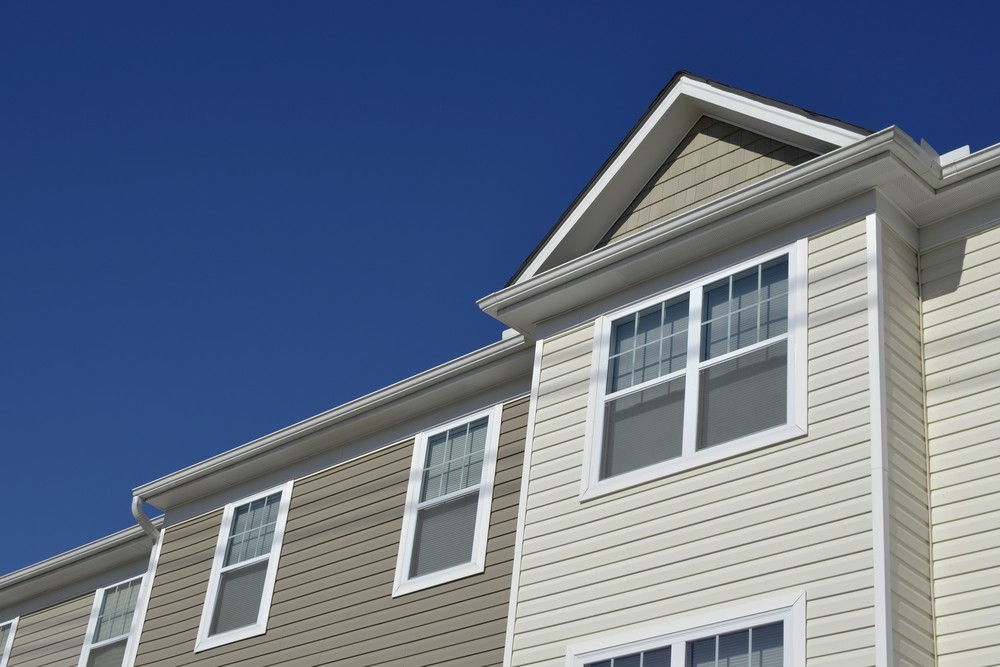
Old windows can really drag down the exterior of a home. Even if you have new siding and a beautiful garden, worn-out windows can stand in the way of your home looking as good as it could. Simply replacing your windows could give your home a whole new look. If you’re thinking of selling your home soon and are looking for ways to boost your home’s curb appeal, replacing your windows could be a way to do just that. Not only will new windows make your home look nicer, vinyl replacement windows can also help add some extra value to your home!

Lower Energy Bills

One of the top reasons why people decide to replace their windows is because they want to make their home more energy efficient and reduce their energy bills. When you have older single-pane windows or double-pane windows that are no longer performing as well as they ought to, you’re losing a lot of money on higher energy bills. Replacing your windows does require an upfront investment, but they can help save you money in the long run by helping to reducing the amount of money you spend on your energy bills.

Your Home Becomes More Comfortable

Bad windows can make your home remarkably uncomfortable. Drafty windows will have you constantly adjusting the thermostat or reaching for sweaters and blankets to keep warm. You shouldn’t have to be so uncomfortable in your own home. By replacing your windows, you won’t have to deal with the nuisance of having one room being colder than others or having to constantly wear bulky sweaters around the house.

Replacing your windows doesn’t just make your home more comfortable temperature-wise, it can also help cut down on noise coming in from the outside or improve the ventilation in your home. For example, if you have single-hung windows in your house, replacing them with new double-hung windows will let you have more control over ventilation and help make your home naturally more comfortable without having to run your air conditioner.