



Blog

Save on Your Cooling Bills With Solar Screens

Save on Your Cooling Bills With Solar Screens Summer isn’t too far away and many homeowners are already looking for ways to save money by using the air conditioner as little as possible during the warmer months ahead. If you’ve already taken the steps of replacing old doors, trading out drafty old windows for new vinyl replacement windows, making sure your weatherstripping is in good shape, and looking for air leaks around doors and windows, you’re off to an excellent start. Ceiling fans are also a great tool to help keep your house more comfortable during the warm summer months. But another great option worth considering is having solar screens installed.

Solar screens are screens that cover your windows to help keep light from the sun and its heat from getting into the house. You can easily extend the solar shades during the daytime and put them up again at night or on days when it’s not so sunny anymore.

So what’s the difference between solar shades and other window treatments like curtains or blinds? After all, can’t you just close either of those when you want to cut down on the amount of sun coming in, too? Solar shades are unique in that, in addition to blocking out sunlight, they can provide you with extra privacy by making it hard to see into your home from the outside, but you can still see out from the inside of your home. You get to have the benefits of having your blinds or curtains shut, but without having them completely block your view.

Since solar screens help keep heat from the sun out of your house, they’re very effective at keeping rooms cooler without having to turn up the air conditioner. In fact, solar screens can help keep rooms up to 15 degrees cooler. On a hot summer day, those 15 degrees can really make a big difference. By putting solar screens on windows that are on the southern side of your home, you could save up to 35% on your cooling bills!

Solar screens also filter out the sun’s ultraviolet rays. Carpeting, furniture, and pictures that hang on walls can become faded and discolored over time if they’re exposed to a lot of sunlight. By installing solar screens, you won’t have to worry about encountering this problem. Solar screens are also a great way to cut down on that annoying glare the sun can cause on TVs and computer screens.

When the weather gets cooler again, you can always raise your solar shades during the day to let the sun help keep your home warmer without having to turn up the thermostat. Solar shades can be a great way to make your home more comfortable and enjoyable all year long. And with all they money you can save on your heating and cooling bills, they should pay for themselves within a matter of a few of years.
Getting the Best Deal on Home Appliances

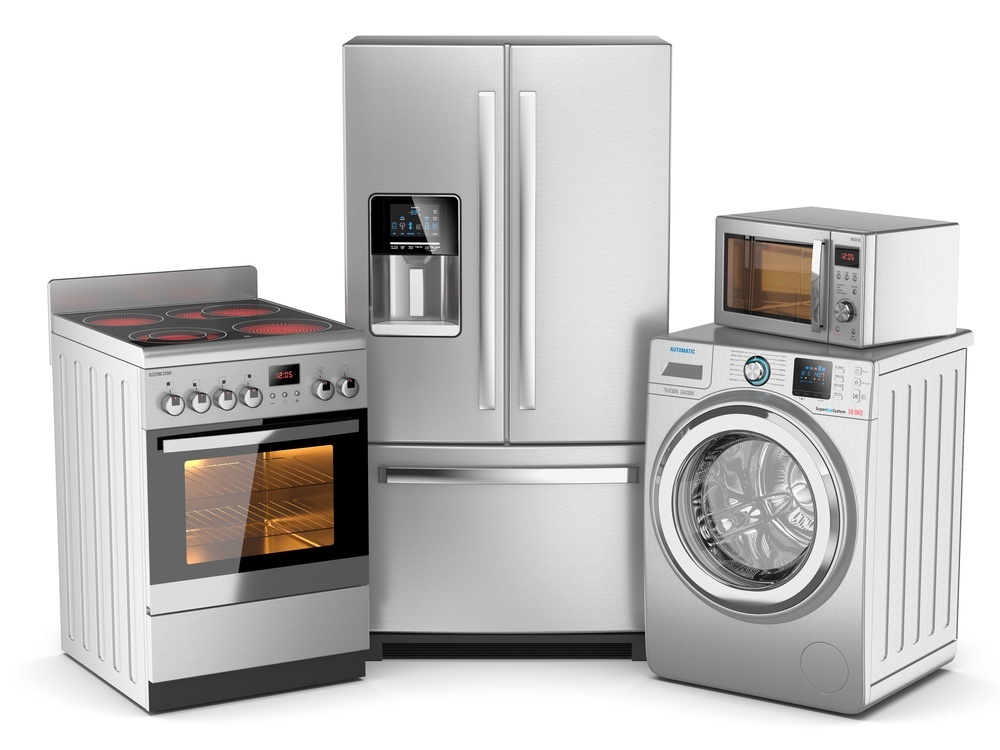
Getting the Best Deal on Home Appliances When something in your home suddenly breaks, it never seems to happen at a convenient time, does it? When you suddenly have to replace one of your major home appliances, not only do you have the inconvenience of having to do without it until you get a new one, there’s also the fact that major appliances can be quite expensive.

If you need a new appliance, but have a budget you need to stick to, here are a few tips to help you get the best deal.

Look for Dented/Scratched Models

One of the best ways to get a sizeable discount on home appliances is to look for scratched and dented models. Many stores have discounted appliances for sale that were damaged while being transported to the store or while on display as a floor model. In most cases, scratches and dents are purely cosmetic flaws that don’t have any impact on how well the appliance works. The damage might not even be very noticeable, but it’s just enough for the store to not be able to sell it at full price anymore. It’s also entirely possible you won’t even be able to see the damage once it’s in your home if the damage is located in a spot that would be facing a wall or covered up by something else. It definitely never hurts to at least look at the scratched and dented models; a fantastic deal could be waiting for you!

Keep an Eye Out for Slightly Older Models

Appliance companies are frequently releasing newer models of their appliances. When a new version of something comes out, that doesn’t necessarily mean all the older models suddenly vanish from the store floors. Those slightly older models are still out there, they just tend to get set off to the side and their price often comes down a little bit. The features will most likely only be slightly different from the newer model and it will probably perform just as well.

Shop on Holiday Weekends

Holiday weekends are famously good times to score some good deals on appliances. You don’t even necessarily have to get up before dawn and fight the crowds on Black Friday; most stores that sell appliances will have sales for practically any other major holiday weekend.

Make Sure You Get the Right Size

When you shop for appliances, it’s easy to be tempted to go with the least expensive option. With appliances, less expensive appliances are often models with smaller capacities. While you might save money up front, you have to think about whether or not it’s a good option in the long run.

If you live alone, looking for things like refrigerators, washers, and dryers with smaller capacities could be a smart way to cut down on the cost of appliances. But if you have a larger family, buying appliances that are too small might just not be worth it. For example, a washer with a smaller capacity could mean you have to do more loads of laundry, driving up your utility bills. If you really get frustrated with not having enough room to work with, you might end up wanting to replace them sooner than you really have to.

Don’t Be Tempted By Added Features

It’s easy to get drawn in by an impressive list of bells and whistles. But if you’re trying to buy appliances on a budget, try not to get too excited about them. In many cases, these types of added features drive up the total cost of the appliance without actually improving its overall performance. Ask yourself if you really think these features are things you actually need or if you already have something else in your home that performs the same function.

Once you buy your new appliance, the best thing you can do to save even more money is by taking good care of it. All home appliances have a lifespan, but regular maintenance can help extend that lifespan for quite a while!

Inexpensive Ways to Fix Up a Bathroom

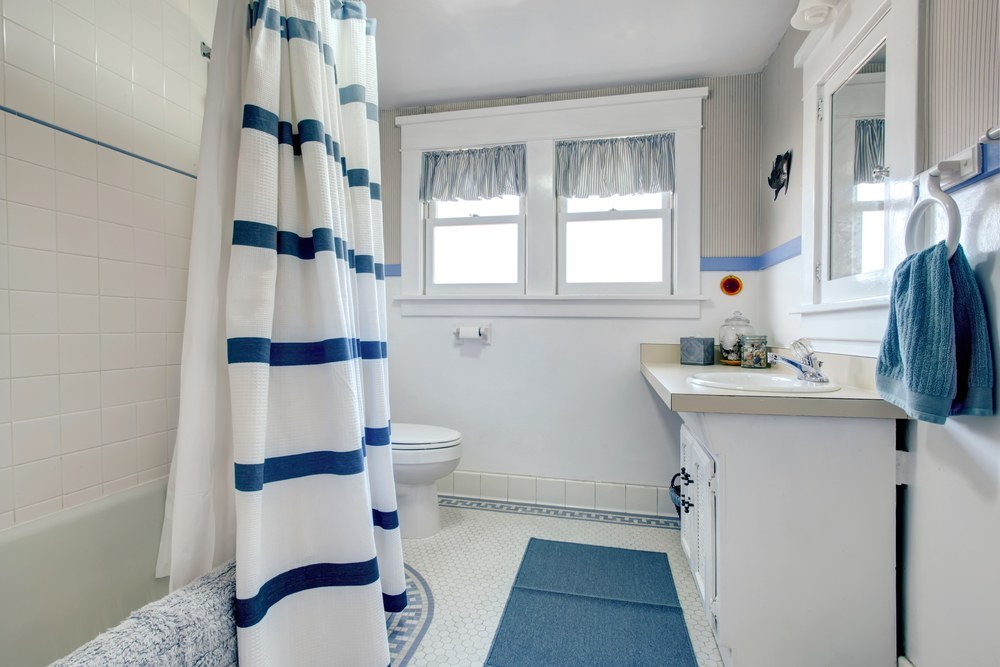
Inexpensive Ways to Fix Up a Bathroom If you were to put your home on the market, the two rooms potential homebuyers are going to be most interested in seeing are the bathroom and the kitchen. Remodeling a bathroom has a reputation for being a great way to add value to your home, but sometimes, you don’t need to take drastic measures to give a bathroom a whole new look and add a little extra value to your home. In fact, there are many very easy and inexpensive ways to make your bathroom a whole new look that don’t involve calling a contractor.

Paint

A can of paint can go a long way in completely changing the way your bathroom looks. For under $50 and a little labor, your bathroom can have a whole new look in just one day. Just be sure to prime your walls with a mildew-resistant primer and choose a paint with a gloss or semigloss finish so that your walls will be easier to clean later on.

You don’t even have to stop at painting the walls. Do you have cabinets or a vanity that could use a little sprucing up? A coat or two of paint can have them looking brand new again!

If you’re not a fan of painting, believe it or not, wallpaper could be an option. There are special types of wallpaper designed to be used in bathrooms which are washable and stand up well to high humidity.

Replace the Fixtures

Worn out or dated-looking fixtures are a surefire way to detract from a bathroom’s look. It doesn’t cost much to replace things like towel racks, light fixtures, door handles on cabinets, or drawer pulls and it hardly takes any effort on your part. If your showerhead or sink’s faucet have seen better days, go ahead and replace those, too. You’ll be amazed at how such simple changes can make such a big difference! And if you replace your faucet or showerhead with environmentally-friendly models, you can have the added benefit of saving on your water bills!

Tile Decals

Ceramic tiles that have a pattern or design on them can add a very stylish touch to a bathroom. But if you already have ceramic tiles on the wall of your shower that are in good shape and you don’t want to go through the hassle of actually replacing any of your tiles, there is an option for you. Tile decals come in a wide variety of patterns and can simply be peeled off and stuck onto your existing tiles. They’re a great way to add some visual interest to your bathroom, but are much more affordable than actually changing out your tiling. As an added bonus, tile decals can be easily removed if you want to change up your look ever again.

New Shower Curtain

Just like how a fresh coat of paint can really brighten up a bathroom, getting a new shower curtain is another great way to make a big decorative change without spending much money. And it even takes less effort than painting, too! Since there are so many different styles of shower curtains out there, you could find one in a bold pattern or a bright color to serve as an accent to your wall color.

Clean Your Grout

Nothing makes a bathroom old like dirty grout. Some grout cleaners are commercially available, but good old hydrogen peroxide and baking soda make a pretty effective grout cleaner. It can take some time and effort to make sure you get all the grout, but it’s well worth it because clean grout can make your bathroom look brand new again.

Cleaning Blinds Made Easy

Cleaning Blinds Made Easy It goes without saying that blinds are one of the most popular types of window treatments around. They come in a wide variety of colors and styles, can be made to fit any window, so it’s easy to understand their appeal. And hey, they make a great addition to a new set of vinyl replacement windows! Of course, all things have their downsides and the biggest disadvantage to blinds is that they can really be a hassle to clean. With so many small spaces for dust to accumulate in, it can be hard to make sure you get everything.

There’s no need to live with dust-covered blinds when we have some helpful tips for you to keep them clean.

First of all, no matter what type of blinds you have, your vacuum cleaner can be a great tool for helping to keep them clean. If your vacuum has a brush attachment, run it in a downward motion across the slats if you have vertical blinds or run it from left to right if you have horizontal blinds. If you have fabric blinds, make sure the vacuum is set on a low power level. Wood, plastic, and aluminum blinds can withstand a little more power than fabric ones, but it’s best to err on the side of caution and not use the highest power setting on your vacuum.

Vacuuming your blinds every few months or so should help cut down on major dust accumulation, but if vacuuming isn’t enough, there are other options. If you can fit your finger in between the slats of the blinds, cover your hand in an old sock and pinch each blind between your thumb and index finger, and run your fingers across each slat. It’s a great way to pick up dust and put those random lone socks you have laying around to good use at the same time!

For very dirty blinds, using some kind of liquid solution may be necessary. For plastic or aluminum blinds, use a damp sponge to apply a mixture of 50% white vinegar and 50% water. You don’t necessarily have to take them down to do this, just make sure your sponge is damp and not soaking wet. If you have wood blinds, try to avoid using liquid to clean them as much as possible since prolonged contact with a liquid can damage them. Some types of fabric blinds can be taken down and put through the washing machine on a delicate setting. Be sure to find out what your blind’s manufacturer recommends, because dry cleaning may be the best option for some types of materials.

If you prefer to take your blinds down to wash them outside, that’s definitely another option. All you have to do is take them down and lay them down flat outside on a mat. When you’re done cleaning one side, don’t forget to turn them over to get the other side. Once you’re done, rinse them off with a hose, making sure the water pressure isn’t too strong so you don’t damage the blinds.

Avoid These Common Painting Mistakes

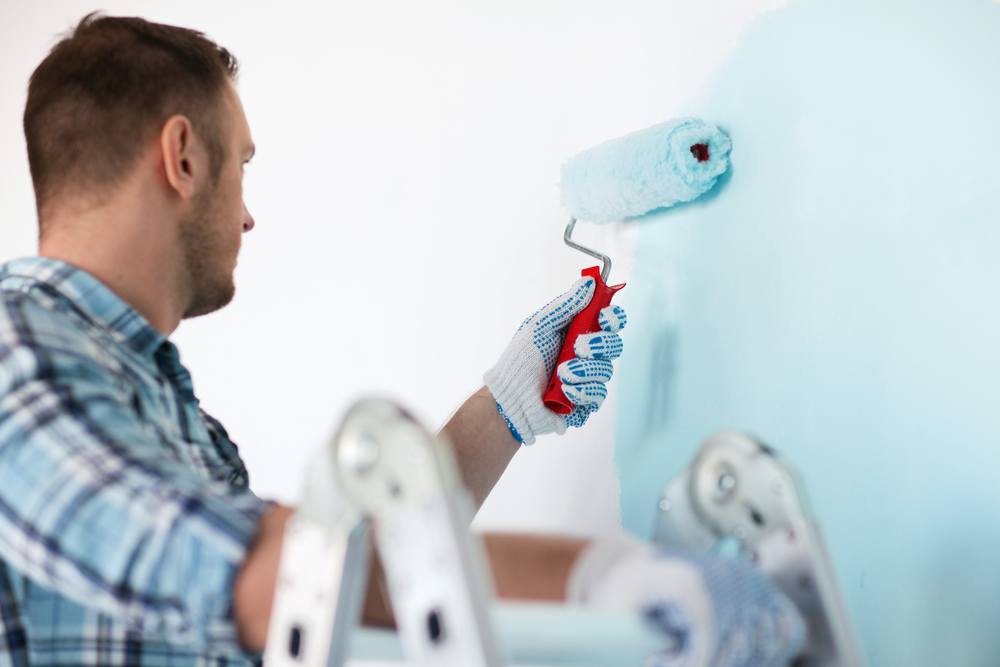
Avoid These Common Painting Mistakes For a home improvement project that makes a big impact at a rather low price, it’s hard to beat painting. For the price of a gallon of paint, some brushes, and some drop cloths, you can completely transform a room in a matter of hours or maybe a day or two, depending on the size of the job. Best of all, it’s a pretty simple job to do, too! In most cases, even somebody with no painting experience can easily paint a room themselves without having to hire someone to do it for them.

But just because painting is a pretty simple task, that doesn’t mean there isn’t room for error. There are lots of common mistakes people make while painting a room that can mar an otherwise nice paint job. By avoiding these mistakes, you can make sure your paint job turns out wonderfully and your room will look fantastic afterward!

Not Looking at Paint Samples in the Room’s Light

When you’re trying to choose a new color to paint a room, you go to the hardware or paint store and see samples of thousands of colors available. If you have a specific color in mind, you’ll have hundreds of different shades of that color to choose from and when you finally find the right shade you want, it can be tempting to go right ahead and buy a gallon.

Always take a paint sample home with you to see how it looks in the room you’re planning to paint. Since colors can look a little different depending on the lighting conditions, the shade that looked fantastic in the store under fluorescent lighting might not look as great when it’s on the walls of a room that gets a lot of natural light. For best results, have a small amount of a color you like mixed up at the store and use it to paint a sheet of white paper or poster board. Hang that paper or poster board on the wall and see how it looks throughout the day.

Choosing the Wrong Finish

Once you figure out which color paint you want, you have to choose a finish of your paint. Since the type of finish you choose can have an impact on the price of the paint, you might just want to choose the cheapest option so you can get to work.

The best finish for you depends on the room you’re planning to paint. Gloss and semigloss finishes are the most durable and easiest to clean, so they’re best for kitchens and bathrooms. Satin finishes aren’t as shiny as gloss finishes, but they’re durable enough to stand-up to being used in high-traffic rooms like living rooms, a child’s bedroom, or a hallway. Eggshell finishes are less durable than satins, so they’re great for areas that aren’t as heavily used like dining rooms, but you don’t want a completely flat finish. Flat finishes can chip very easily, but since they absorb light rather than reflect it, it’s the most forgiving if you’re painting a wall that has a lot of flaws. The shinier the finish, the more flaws on the wall it will show, so keep that in mind when choosing your finish.

Buying Cheap Tools

When you’re planning to paint a room, one thing you absolutely don’t want to cut corners on is the quality of tools you use. Good quality brushes and rollers are essential to making sure you get the get the best possible results. They’ll do a much more effective job of applying the paint to the wall evenly and won’t shed bristles throughout the job. It’s perfectly normal for even a high quality paintbrush to shed a few bristles when it’s being used for the first time, but you certainly don’t want to risk have brush bristles getting stuck to your walls and drying in place there.

If you’re going to use tape to create a clean line, don’t use regular masking tape. Painters tape is designed to prevent paint from bleeding through so it will help you get that nice sharp line you’re looking for.

Skipping Proper Prep Work

We know how tempting it can be to just grab your can of paint and get to work, skipping any real prep work beyond covering the floor with a dropcloth. But proper prep work will ensure that all your effort is worthwhile. Always patch up any holes and sand down uneven textures if necessary before starting. Washing your walls first will make sure any dirt, grease, or other debris doesn’t get stuck to the wall. If you’re trying to paint over a surface that already has a coat of gloss or semigloss paint on it, don’t forget to sand it down first or use a deglosser, otherwise you’re going to have a hard time getting new paint to stick.

If you’re painting a surface that’s already been painted, it’s fine to use a paint with a built-in primer as long as you aren’t making too drastic of a color change, such as from a dark red to a pale blue. But priming your walls first will help to ensure your paint looks true-to-color once it’s on your wall.

Painting in Dim Lighting

Painting a room takes a lot of energy. The last thing you want is to go through all that time and effort, only to realize you have to go back and do more work to fix a job that looked fine before, but doesn’t look so great now that you’re seeing it in brighter light. Painting in low light is a recipe for disaster, so make sure you have lots of light to help you see how you’re doing. If a room has lots of windows, try to paint on a sunny day. If the room doesn’t get much natural light, bring in other sources of light to help you out. You’ll be glad you did!