
Blog

Taking Care of Your Fireplace

Taking Care of Your Fireplace If you have a fireplace in your home, there can be few better ways to spend a cold winter night than sitting around a nice, warm fire and relaxing. Fireplaces might seem like pretty simple objects, but they require some special maintenance to stay in good working order. When fireplaces aren’t properly cared for or maintained, it becomes more likely that the fire could get out of control.

Don’t let that relaxing evening by the fire destroy your home. Taking these steps will help you to safely enjoy your fireplace all winter long.

Annual Inspections

When you have a wood-burning fireplace, the best thing you can do is have your fireplace inspected and cleaned annually. These inspections will take care of many of the most common causes of chimney fires so you’ll be able to relax and enjoy your fireplace.

There are three different levels of chimney inspections. As long as you have your fireplace inspected regularly and haven’t made any changes to your fireplace, a level one inspection will usually suffice. With this, an inspector checks your fireplace and chimney for problems like creosote buildup and other obstructions and sweeps it if necessary. A level two inspection is more thorough and is usually best if you’ve recently moved into a house, if you’ve made changes to the fireplace itself, or if the house has been through a natural disaster. Level three chimney inspections are usually only done when serious hazards are known or believed to exist. A level three inspection involves removing and rebuilding parts of the chimney or walls as needed to get in and fix the problem.

Having your fireplace inspected and cleaned once a year is a minimum recommendation. If you burn more than three cords of wood every year, it’s recommended to have your chimney cleaned twice a year. When looking for a fireplace inspector, look for someone who has been certified by the Chimney Safety Institute of America (CSIA) or is a member of the National Chimney Sweep Guild (NCSG).

Be Careful What You Burn

Fireplaces should only be used to burn seasoned wood or manufactured wood. Do not use fireplaces to burn leftover lumber, treated wood, wooden pallets, painted wood, plywood, particle board, cardboard, driftwood, charcoal, colored paper, charcoal briquettes, rubber, or any other type of garbage. Some types of wood are prone to burning hotter and faster than seasoned or manufactured wood logs do. And if you try burning something that has been painted, treated with chemicals, or has colored ink in it, it could release chemicals into the air.

Fireplace Safety

Before you try starting a fire in the fireplace, make sure you open the damper first. You’ll want to keep this closed when you aren’t using the fireplace to prevent heat from getting out of the house, but opening it while a fire is burning will direct smoke up through the chimney, keeping it out of your house, and will help you to control the intensity of the fire.

If your fireplace has glass doors, make sure they’re kept open while you have a fire going. If you have a mesh guard, use it to make sure it to prevent embers from popping out and damaging your rug or anything else in the room.

When you use your fireplace regularly, make sure you have functioning smoke detector and  carbon monoxide detectors in your home.

Allow fires to burn out on their own. Throwing water on a fire to put it out can damage the firebox. Once a fire has burned out, give the ashes ample time to cool down completely before trying to discard them. Embers can stay hot for upwards of three days after the fire has gone out. Never use a vacuum cleaner to remove ashes from your fireplace. When you do try removing them, transfer them into a metal container and open the damper to help direct airborne ash up the chimney rather than into your home.

Last, but certainly not least, never leave a fire unattended and be particularly sure to keep an eye on children and pets while a fire is burning. By taking these steps, your fireplace will keep your home warm and cozy all winter long!
When is it Time to Replace Your Windows?

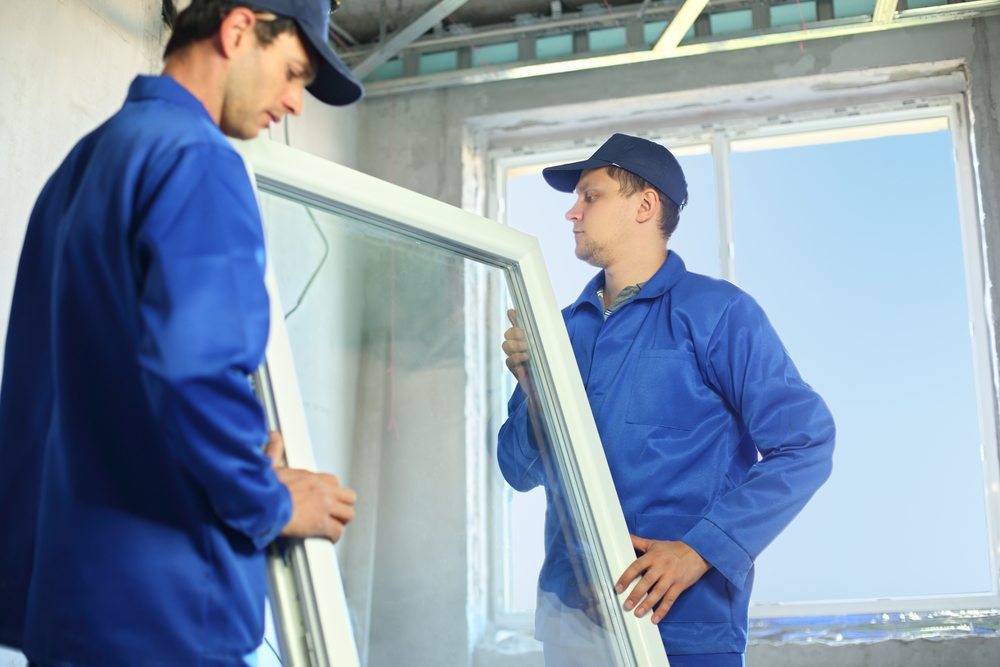
When is it Time to Replace Your Windows Whether you realize it or not, windows get a lot of wear and tear. Even though most people don’t spend all day opening and closing their windows over and over again just for the fun of it, windows do get opened and shut on a regular basis (at least during certain times of the year) and are exposed to the elements every single day. If properly cared for and maintained, windows can serve you well for decades. Although vinyl replacement windows are a very worthwhile home investment, many homeowners want to be absolutely certain their existing windows have reached the end of their lifespan before spending the money on new ones. So, how do you know when it’s a good time to replace a window?

When you stand next to a window, do you have an easy time telling how cold or how warm it is outside? Whether you feel a draft or you can feel the cold by simply touching the window’s pane, this is a major sign it’s time to replace that window. Double and triple pane windows do a great job of keeping heat transfer to a minimum, so if you touch a window pane and it feels quite cold, you probably have single pane windows. Upgrading to double pane windows will help make a room much more comfortable and help to keep your energy bills down.

In some cases, you might start seeing condensation or frost on the inside of the window, which is definitely a sign your windows aren’t working as well as they ought to. If you have double or triple pane windows, you might see frost or condensation between the panes, which is impossible to get rid of by rubbing the window with a cloth. This happens when the seal on one of the glass panes fails. Although it might be possible to simply replace the pane and fix the seal, it could also be a sign of a larger problem like the window frame becoming warped.

Are you having a hard time opening or closing your window? A window that’s hard to open can be annoying, but a window that doesn’t shut correctly will let cold air in and drive up your heating bills. Windows can become difficult to open and shut for a multitude of reasons, ranging from being painted shut to the home’s foundation shifting or the frame deteriorating. Depending on what’s causing the problem, you might be able to have it fixed without replacing the whole window. But in many cases, this is a signal it’s time for that window to be replaced.

Is there a crack in the window? Even a small crack can make a room feel awfully drafty, so you’ll want to replace a cracked window as soon as possible.

If you’re planning to put your home on the market soon, you might want to consider replacing some of your windows. Not only can new windows improve your home’s energy efficiency, they can also improve your home’s appearance, helping to boost your home’s value.

The Pros and Cons of Radiant Floor Heating

The Pros and Cons of Radiant Floor Heating When you live in an area where winters get awfully cold, you know how unpleasant it can be to wake up in the morning and step onto a cold floor. Of course, you can always wear slippers or socks, but you might think it would be nicer to find a way to prevent the floors from getting cold in the first place. This is one reason why radiant floor heating has started to become popular in recent years.

Radiant floor heating systems consist of mats with heated coils that are installed beneath your flooring. Not only does this make your floors nice and warm, it helps to heat the rest of the room, too. If you’re trying to sell a home, many home buyers will see heated flooring as being quite the luxury, even if it’s only installed in one room.

In addition to making your home feel very luxurious, radiant floor heating has a lot of other benefits to offer. Radiant floor heating can heat a room more evenly than a standard furnace so it’s possible you might actually feel more comfortable even with the temperature set at a lower level. Since radiant floor heating doesn’t work by pushing air through ducts and vents, you don’t have to worry about dust, dirt, and other debris getting into the air, which is great if you have problems with allergies. And since you don’t have to worry about blocking vents, you’ll be able to place your furniture anywhere you like.

The biggest drawbacks to using radiant floor heating are that it’s expensive to install and that installing it will involve tearing up your existing flooring. Since radiant floor heating can’t be installed without disturbing your existing flooring, it’s best to have it installed if you’re already planning on replacing your flooring. So not only do you have to consider the costs of having the heating system installed, which can be expensive on its own, you’ll also have to factor in the costs of replacing the flooring, too. If you ever have problems with your radiant floor heating system, it will be more difficult to repair since flooring will have to be removed again to access the necessary parts.

While radiant floor heating can give you more flexibility in terms of how you can arrange your furniture since you won’t have to worry about blocking vents, you have less flexibility in terms of flooring types and floor coverings if you want to get the most out of your radiant floor heating system. Ceramic tile flooring is ideal for radiant floor heating since it conducts heat very well, which is why radiant floor heating tends to be popular to use in bathrooms. You can also use vinyl, laminate, and carpeting. However, carpet can be difficult to use since thicker carpets and padding can insulate the room from the floor, making it less effective. If you’re considering radiant floor heating, tell the person you’re thinking of having install it what type of floor covering you’re planning on using. They may be able to make some adjustments to make the heating system more effective or let you know if there might be a better option.

Adding Window Seats to Your Home

Adding Window Seats to Your Home Winter is a great time of year for creating a cozy home environment. Not only are you making your home a more comfortable place to live, it gives you something to do when you are stuck inside when it’s cold outside. If you have a large window that provides you with a great view of the outdoors, then why not consider building a window seat? That way, you’ll have a comfortable place to sit so you can fully enjoy the natural sunlight or admire your lovely yard.

When the windows next to a window seat are single-pane or have degraded frames, it is nearly impossible to enjoy the area because it’s too cold to want to sit so close to the window. But if you’ve recently had some new vinyl replacement windows installed, adding a window seat is a great way fully enjoy them.

Create a Unique Design

Window seats can be pretty simple to build. Just take a look around to find some design inspiration. There are lots of fantastic photographs of window seat designs in magazines or online to help you create a plan for your own home. You might even want to build more than one window seat after seeing how easy it is and how it adds to the comfort of a home!

Create Additional Storage Space

One of the most valuable aspects of having a window seat is that it can be used to create additional storage. In some cases, a builder can create a window seat with a cover that has hinges in order to store seasonal clothing, holiday decorations or children’s toys. If you are going to have this type of window seat, then make sure it has tiny holes for ventilation and strong hinges to prevent injuries. You can buy or make a soft fabric-covered pad for the top of this window seat to make it more comfortable to sit on while reading a book or listening to music.

Build Large or Small Seats If you have a larger window in your home, then it is possible to create a longer and wider window seat that is perfect for a daybed. This area is perfect for taking a nap, or you can use it for overnight guests. For homes with small windows, it is possible to make a tiny window seat with accessories such as built-in bookshelves on each side or underneath the space. When there is an area above the window seat, you can also have shelves added to hold decorative items such as sculptures or vases.

Dealing with Dry Rot

Dealing with Dry Rot If you notice that your woodwork around your windows or in your attic is crumbly or appears to be damp, you may have a dry rot infestation. Because dry rot can cause major structural damage if it is not controlled, measures should be taken to either replace the affected wood or have the wood treated.

What is Dry Rot?

Dry rot is a fungus that destroys wood fiber that stays damp. Unlike other types of wood rots, dry rot has the ability to spread through other materials, including masonry work. Wood that has been affected by dry rot often forms cube-like cracks and may shrink. In certain conditions, a white fungus that has a fluffy appearance may be visible on the wood. Additionally, a musty odor can also potentially be detected in the area.

Where Can Dry Rot Occur?

This fungus only affects wood components that are damp or where the moisture content is more than 20%. In many cases, dry rot occurs in the attic where undetected leaks are likely to occur. Wood around window frames can also be affected if it cannot dry out following a major rainstorm. If the rot is not taken care of, it can result in structural instability.

Repairing Damage Caused by Dry Rot

If your woodwork has small areas that have been affected by dry rot, those sections can be removed using a sharp tool. A polyester filler can be used to add strength to the remaining wood fibers. The filler takes about 10 to 15 minutes to harden. Once the filler has set, it can be sanded down, primed and painted so it won't stand out.

Preventing Dry Rot

In many cases, simply allowing the wood to fully dry out will control the spread of the fungus. In order for this to work, however, the wood needs to remain dry in the future to prevent the fungus from becoming active again. Depending on the climate, it may not be possible to keep the wood fully dry. Replacing the wood components that are most at risk may be a solution. For structural components, there are pre-treated timbers available that can be used to replace existing affected wood. For wood windows, vinyl replacement windows can also save you the trouble of worrying about dry rot. Ultimately, controlling the rot or removing the affected wood should be a priority to prevent expensive repairs to the home.