
Blog

Hacks to Help You Store Your Holiday Decorations

Hacks to Help You Store Your Holiday Decorations The new year is here, the holidays are over, and it's time to put away all of those wonderful holiday decorations. While packing them all up properly may seem like a lot of work, many people treasure their family’s holiday decorations and don’t want them to get damaged or broken. These hacks will help you keep your decorations organized for next year and are simple to do. From lights to ornaments to wrapping paper, keep reading to find out how storing your holiday decorations can help you get your home organized and take the work out of this annual chore.

Ornaments are lovely hanging from your Christmas tree during the holidays, but they can be tricky to store if you want to keep them intact for next year. It's easy to just throw them in a box or tote but, undoubtedly you will wind up with at least a few broken ornaments that way. Use empty egg cartons or plastic drinking cups to place your ornaments inside of instead. Then, layer those inside of a sturdy plastic tote. This will keep them organized and less vulnerable to breakage when you put that tote in your attic or closet.

What are you going to do with all that leftover wrapping paper? Don't just throw it in a closet or cupboard. Instead, use an empty wine box or crate to store the rolls vertically while keeping them organized.

And then there are all those pretty lights. Don't just throw these in a box so that they become a tangled mess that you will be cursing at next year. Instead, use a clothes hanger, plastic or metal hangers will work nicely, to neatly wrap the strands of lights around. This will keep your lights neat and organized and a snap to put up next year. Already have a nest of tangled lights that you can't get around the hanger? No problem! Just place those inside a potted plant on your porch to light up your topiaries year round for a classy way to improve your home's curbside appeal. All of these hacks also make the actual storage of your decorations more organized as well. With everything able to fit in a large plastic tote, you can easily put it away without it taking up too much space or struggling to find items next year.

Ways You Can Make Your Living Room Look Bigger

Ways You Can Make Your Living Room Look Bigger The living room is where many of us spend a lot of our time, but not everyone has the luxury of having a living room that’ nice and large. If you do not have a lot of space in your living room, don’t worry. There are a number of things you can do in order to make it look more spacious than it really is without having to either move to a new house or knock down any walls.

Add Storage

You should try to keep your living room as clutter-free as possible. Clutter can make a room appear cramped and “bursting at the seams,” so if your space is free of clutter, it will look bigger. If you don’t have room for any more shelving, you might want to look for pieces of furniture that can open up and be used for additional storage. Many coffee tables, for example, have tops that can open up for storage. An ottoman is something else that can be used as storage space that is both functional and decorative.

Furthermore, you may want to add some decorative boxes to your living room. Decorative boxes can be used for storage space and help to enhance the look of your living room.

Use Raised Furniture

Choosing the right furniture is one of the keys to making your living room look bigger. You should consider choosing raised furniture. Raised furniture creates the illusion of more space.

Paint With Light Colors

Dark colors can be very stylish, but they can also make a room appear smaller than it is. When you’re dealing with a smaller space, it’s best to stick with pale colors such as cream, white, and pale grey.

Use Mirrors

Adding mirrors is one of the simplest things you can do to make your living room look bigger. You can hang one large mirror on the wall or you may also want to consider putting multiple smaller windows on the wall.

Color Code Your Living Room

You may want to consider arranging the items in your home by color and height. This will help make your living room look bigger. It will also help you keep your living room organized.

Add One Big Piece Of Furniture To Your Living Room

When you’re dealing with a smaller room, it’s best to select small furniture for a small space. However, you may want to consider adding one big piece of furniture to your living room. That way, you can make a statement with one prominent piece of furniture and without cluttering your living room with several smaller pieces.

How to Find Out if Your Windows are Rotted

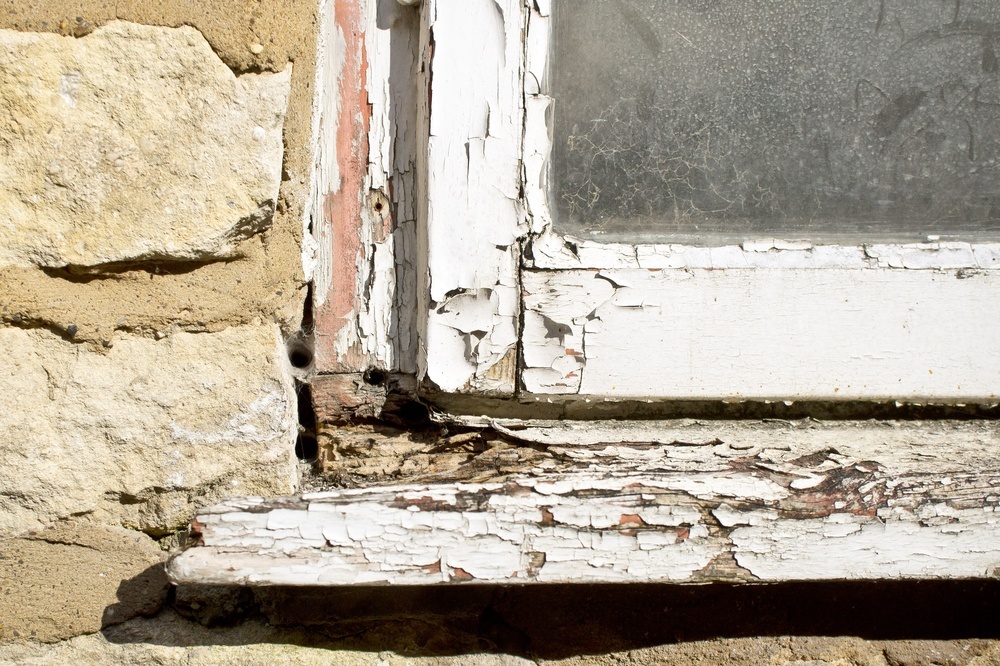
How to Find Out if Your Windows are Rotted While wooden windows look very nice, they are at risk for problems. One of the main issues is that they can rot very easily. This is especially true for homes that are located where there is a lot of rain and humidity. Water and moisture can easily get into the cracks and, if your windows were not installed properly, can sit there on the wood leaving them at risk for rotting. Unfortunately, many homeowners are not even aware that their windows are rotting until something major happens. For this reason, it is important to check them at least once a year.

The first thing you want to do is visibly inspect the windows. If you see any paint that appears wavy or bubbled, it could be a sign of rot. You may also notice that some of the wood appears to have bowed out and is no longer flush. When water gets into the wood, it will cause the wood to swell and warp. These are definitely signs that your windows have a problem.

After a visual inspection, get a small, sharp knife or a metal skewer type tool. Start by poking the knife or metal skewer into the wood where you suspect that it might be rotting. If the wood feels spongy and soft, see how far you can push the tool in. You can tell the extent of the rot by how far you can actually push the tool into the wood. If the rot extends deep, you will need to do some major repairs.

If the rot around your windows is minimal, you may be able to repair it with wood epoxy. The rot will have to be removed first so that it can be replaced with the epoxy. This will harden up and once it is painted, no one will ever notice that there was a problem. If the window sill is completely rotten, you may wish to replace the boards so that it does not spread to your windows themselves. Most people often find that installing vinyl replacement windows is the best solution or them. These replacement windows are affordable and you will no longer have to worry about the windows rotting out. You will still need to check the area surrounding the windows, but your windows will be safe from rot in the future. It is often the simplest solution. Even if you repair the damage on your wooden windows or replace your rotted windows with new wooden windows, you’re still at risk of more rot a few years down the road.

How to Maintain Your Water Heater

How to Maintain Your Water Heater Whether you realize it or not, your water heater is one of the most important appliances in your home. When it’s working properly, you might forget it’s even there. But If your water heater isn’t working right, you’ll know it right away.

Regular maintenance of your home’s water heater will not only help prevent costly problems, but it can also help extend the life of your water heater. There are several things you need to do to maintain your water heater.

Lower Your Water Heater's Temperature

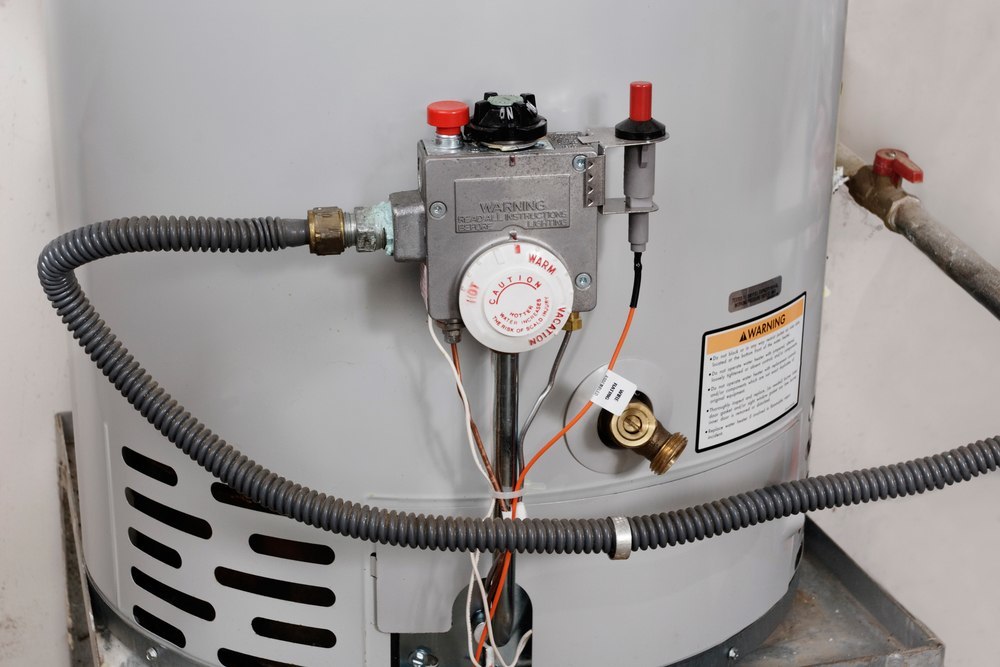
The default temperature setting on most new water heaters is 130 degrees Fahrenheit. However, you should consider keeping the temperature between 115 and 120 degrees Fahrenheit. Lowering the temperature on your water heater has a number of benefits. Your water heater will not have to work as hard and will reduce the risk of you getting burned by hot water. Furthermore, reducing the temperature on your water heater can help you save money on your energy bill.

Flush Your Water Heater

Sediment has a tendency to build up in your water heater over time, cause corrosion, and can also reduce the efficiency of your water heater. That is why it is important to flush your water heater on a regular basis. The acidity and hardness of the water in your area will determine how often you need to flush the water heater.

Before you begin to flush your water heater, turn off the power first. Place a bucket underneath the drain valve and turn the drain valve counterclockwise. Empty one to two gallons of water, then turn the drain valve off by turning it clockwise. When you’re done, turn the power back on again.

Use An Insulated Blanket

Wrapping an insulated blanket around the water heater to help extend the life of your water heater by reducing the demand on it. It also helps reduce energy consumption since it doesn’t have to work as hard to heat your water.

Professional Maintenance Your water heater should receive professional maintenance at least once a year. A professional will thoroughly inspect all of the parts of your water heater and make repairs if necessary. It’s always better to address a small problem while it’s still a small problem, rather than after it becomes a much larger issue.

Managing Your Home Remodel Budget

Managing Your Home Remodel Budget You don’t have to be a long-time homeowner to know that home renovation projects can be very expensive. It can take a long time to save up the money you need and even then, it’s still entirely possible it will end up costing you more than you expected.

After years of saving money to remodel your home, the last thing you want is to run out of money when the remodel is not even close to half way finished. Unfortunately, this happens to a lot of people. They either underestimate the cost of the remodel or they overspend somewhere along the line. For a successful remodel, you need to learn how to manage the budget you have set for it. The following are a few tips that will help you stay on track and see your project through to conclusion.

Be Realistic

Many homeowners often do not set realistic budgets for their home remodel. While we all wish we could spend less, there are certain costs that you are going to have and you can’t make them go away. Your budget has to be realistic or you will run the risk of running out of money before the work is done. Don’t try to cut corners by skipping out on things like permits and licensed contractors. You may spend less money upfront, but it’s entirely likely it will cost you more in the long run.

Plan for the Unknown

When doing a remodel, there is always the risk that something is going to come up that wasn’t planned on. Sometimes, a contractor will discover a problem after they start working that they couldn’t possibly have known about when they came out to give an estimate. It could be that your windows have all rotted out and you hadn’t planned on the cost of vinyl replacement windows. By planning for the unknown and setting a certain amount of contingency money aside, you will be prepared and can still stick to your budget.

Estimates

If you are hiring a contractor to do the remodel, be sure that you shop around to get estimates. While there is more to picking a contractor than the estimate he or she provides, it will give you a better idea of the costs involved. Also, be sure that hire a contractor that is licensed and insured. The last thing you want is to give money to someone who is going to run out on you before the job is complete. If a contractor gives you an estimate you like, don’t forget to look for reviews online.

Stick to Your Plan Once you have planned your remodel, try to stick to the plan. Changing something half way through the remodel is going to cost you more money. For example, if you change the design of your bathroom after it is half done, you may be paying more in material and labor costs. Sticking to your plans will help to ensure that you stay on budget.