


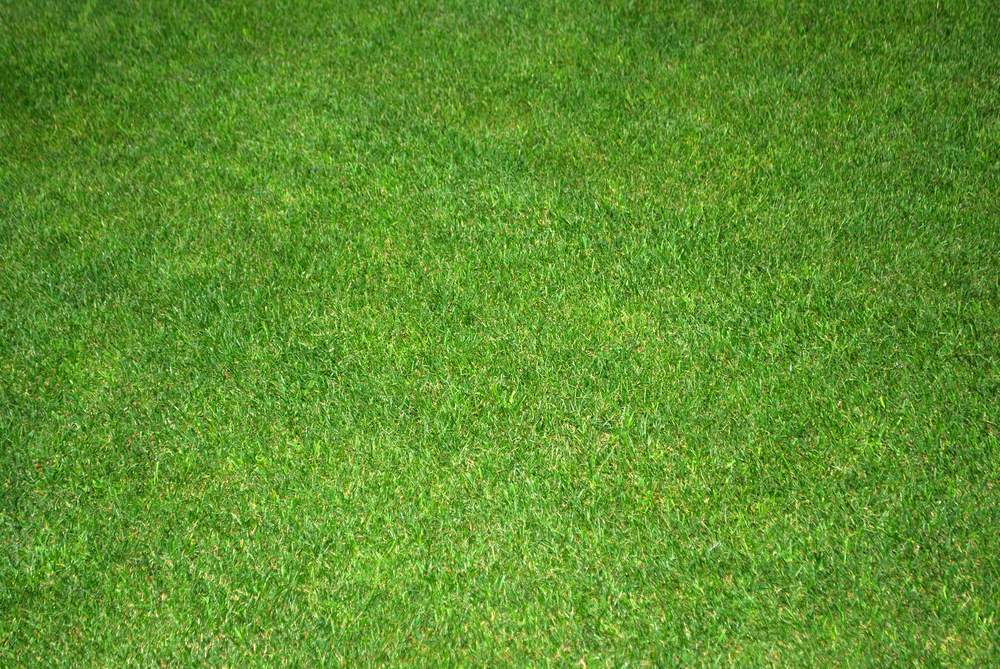
 Preserving a cleanly trimmed lawn is one of the many joys of home ownership. Without regular upkeep, yards can spiral into a mess of weeds and knee-high grass that can seriously hurt a home’s curb appeal.
Quality H2o Before anything else, the first building block to a healthy lawn is watering it on a regular basis. On average, you should water your grass about three times a week. If possible, schedule the sprinklers to run in the morning so that the grass has sufficient time to dry.
Take those weeds down Dandelions, broadleaf plantains, prickly lettuce, and dozens of other species of weeds are renowned lawn invaders. Scan your lawn for these by following a visual weed identification guide. Once spotted, grab the gloves and garden shovel to unearth them by their roots. Another popular alternative is purchasing herbicides, which are scientifically designed to wipe out unruly patches of plants; before using, check the label to make sure it’s the right formula for your lawn and to check any potential health hazards.
Aerate After time, soil can become so tightly compact that it hinders a fluid distribution of water and fertilizer. A common technique to fight this is aeration, which essentially allows air to reach the soil in an efficient manner. Technically, there’s no tested best time to aerate a lawn; generally speaking, the best way to assess if a lawn should be aerated is if it’s recently faced a hefty amount of traffic from people walking over it. Aeration can be done on your own by renting an aerator or hiring a landscaping company to do it for you, whichever you prefer.
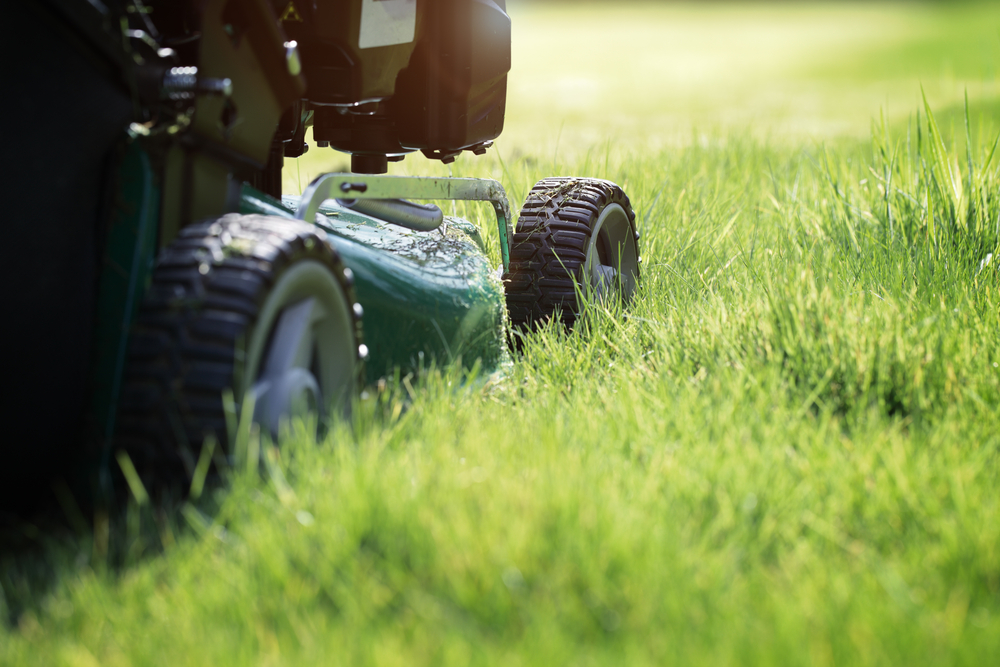
Routine mowing Keeping your lawn’s grass to a tamed length promotes a healthy, spick and span look. The frequency you mow, however, is unique for each lawn and is usually linked to a variety of factors. A helpful tip to gauge when it’s time to cut is following the standard rule of thumb of using no longer than a third of a mower’s leaf blade.
Fertilizer is key In order to facilitate continual long-term growth of your lawn, fertilizer should be applied during the growth stage of your grass. These stages vary with every species of grass and tend to occur at different seasons of the year; so, you will want to do some research to learn the beginning growth period in order to adequately schedule when to deploy the fertilizer. The reason fertilizer is such an important ingredient to a lawn’s development is the sheer amount of nutrients it packs - it fosters growth in plants and acts as a defensive agent against weeds.
References:
http://lifehacker.com/how-often-should-you-mow-a-growing-lawn-1226754116
http://www.familyhandyman.com/landscaping/lawn-care/how-to-achieve-a-healthy-lawn/view-all#step6
 With summer in full swing, the breezy weather and sunny skies provide the ideal conditions to uptake a fun home renovation project. Listed below are some exciting ventures that the whole family can enjoy.
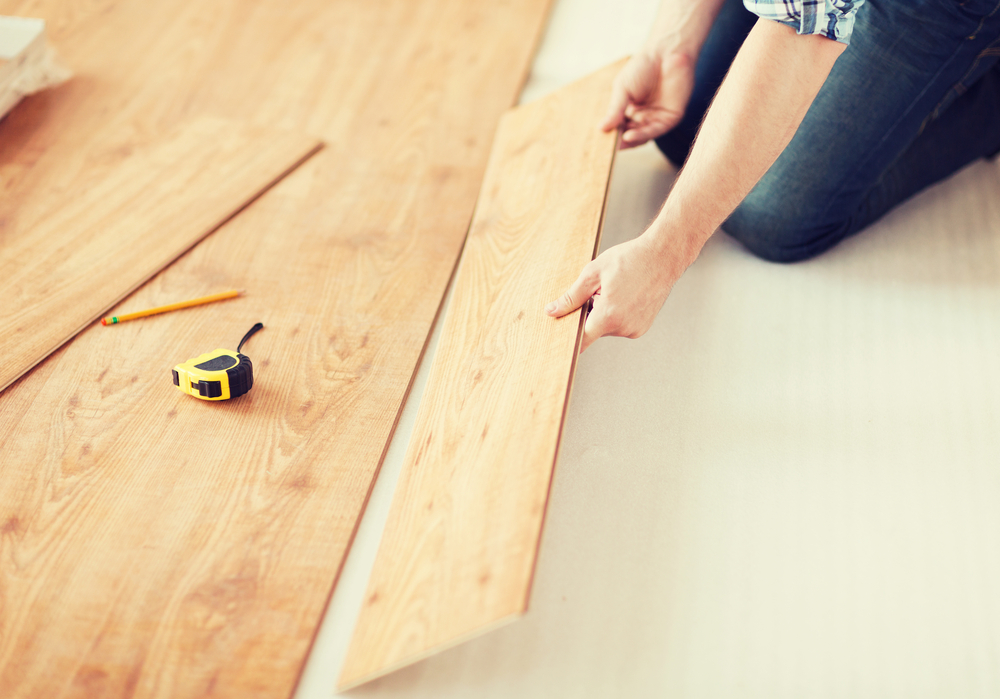 With so many options to choose from, selecting the style of flooring for your home can be a difficult choice. Most of the time, homeowners face the decision to install new flooring directly after moving into a new residence or after years of wear on the same surface and it’s just that time for an upgrade. Whatever your reasoning for new flooring is, it's likely you've decided going with two of the most popular styles: carpet or hardwood. It’s a tough decision to make, so to make things easier, we’ve broken down the pros and cons of each one.
 The work of a landscaper far exceeds planting flowers, bushes, and other renovations for enhancing a home’s curb appeal. A landscaper generally has years of experience working with hundreds of different homes and has faced every landscaping issue under the sun; bottom line, they know what works and what doesn’t. Below we take a look at the many ways a landscaper can improve your home landscape design and make the process as smooth as possible.
They help make your vision a reality
One of the best parts of hiring a landscaper is brainstorming ideas with him or her. Often times, you’ll find landscapers to have an abundance of ideas to soup up your curb appeal in ways you may have never thought before - which comes as no surprise considering it’s their profession to beautify lawns. Seasoned landscapers are known for offering invaluable advice concerning what additions are going to be short-term solutions - a.k.a. ones that quickly wither away - and which ones will stand for years to come.
The work of a landscaper far exceeds planting flowers, bushes, and other renovations for enhancing a home’s curb appeal. A landscaper generally has years of experience working with hundreds of different homes and has faced every landscaping issue under the sun; bottom line, they know what works and what doesn’t. Below we take a look at the many ways a landscaper can improve your home landscape design and make the process as smooth as possible.
They help make your vision a reality
One of the best parts of hiring a landscaper is brainstorming ideas with him or her. Often times, you’ll find landscapers to have an abundance of ideas to soup up your curb appeal in ways you may have never thought before - which comes as no surprise considering it’s their profession to beautify lawns. Seasoned landscapers are known for offering invaluable advice concerning what additions are going to be short-term solutions - a.k.a. ones that quickly wither away - and which ones will stand for years to come. Out of all the household maintenance issues, fixing shoddy Wi-Fi connection might be the most tiresome of the bunch. Additionally, with the majority of today’s daily functions and communication dependent on the internet, maintaining a strong wireless signal is important as ever. Many households suffer from inconsistent, spotty service - or just poor signal overall - and we feel your pain. Because of this, we’ve put together a guide of solutions for those times when your home’s Wi-Fi just won’t comply.
Where’s Your Router Located?
The location of your home’s router plays a vital role in determining the internet quality. Because a router’s reach is limited, the best technique to ensure everyone has access is to hook it up in the home’s central location. For the greatest distribution of service, place it in an open space so that the signal isn’t blocked by any hindrances in the home’s architecture or design. Ultimately, the location that provides peak service will vary for each house, but after testing enough variations out the best spot should be easily identified.
Out of all the household maintenance issues, fixing shoddy Wi-Fi connection might be the most tiresome of the bunch. Additionally, with the majority of today’s daily functions and communication dependent on the internet, maintaining a strong wireless signal is important as ever. Many households suffer from inconsistent, spotty service - or just poor signal overall - and we feel your pain. Because of this, we’ve put together a guide of solutions for those times when your home’s Wi-Fi just won’t comply.
Where’s Your Router Located?
The location of your home’s router plays a vital role in determining the internet quality. Because a router’s reach is limited, the best technique to ensure everyone has access is to hook it up in the home’s central location. For the greatest distribution of service, place it in an open space so that the signal isn’t blocked by any hindrances in the home’s architecture or design. Ultimately, the location that provides peak service will vary for each house, but after testing enough variations out the best spot should be easily identified.