

Simple Ways to Save Water

A home water valve placed outside. According to the Environmental Protection Agency, American families use approximately 300 gallons of water per day. Though that number may seem extremely high, it turns out that water plays a huge role in the majority of daily household activities. Keeping in mind how expensive water bills can get, we put together a mini guide for how to cut down on your water expenditure. By doing so, you get a two-for-one deal of cutting down on home living costs while also looking out for the environment - not too shabby! Take a look below.

Trim Down Shower Time As much as everyone loves their long showers to relax and zone out for a bit, they’re, as you might expect, a major waste of water. Try trimming your shower time to a duration that allows you to get a sufficient cleanse - but nothing past that. Five minutes is a good benchmark goal to set; after doing it enough times, it becomes just another part of your routine and can actually save you a significant chunk of time in the morning.

“Never let the water run” For many of us, this probably goes without saying. While brushing your teeth, washing the dishes, drying your hands, and any other activity that involves a sink faucet, shut the water off when it’s not being utilized.

Watch out for leaks Surprisingly, a high amount of water we expend isn’t actually used at all. The cause of this is linked to leaks in low-profile areas that people normally don’t check everyday such as garden hoses, pipes under the sink, and hidden basement plumbing. Cut down on leaks by performing regular maintenance checks on home utilities that are prone to leakage such as the water supply line, kitchen sink, tub faucet, and a running toilet.

Fully stock the washing machine, dryer, and dishwasher Each of these utilities are notorious for guzzling enormous amounts of water. For this reason, wait to use them until there’s enough materials for a full load. It’s convenient to get things washed and ready to go even when there’s only about a half a load’s worth - especially in emergency situations like hurrying to wash a dress - but in regular circumstances, it will strongly reduce your water bill if you take the time to wait.

Leave out the hose when washing outdoor windows A popular technique to washing outdoor home windows is spraying them with a hose. It’s an effective method, but tends to waste a great deal of water. Although it takes more effort and time, using the old-fashioned technique of a bucket, soap, and sponge gets the job done just as well while also conserving water. When it comes to tall, hard-to-reach windows, use a window washer pole for maximum coverage and reach.

Reference: http://www.homedepot.com/p/Total-Reach-Window-Washer-Kit-with-5-ft-Telescopic-Pole-965620/203177342

http://www.epa.gov/watersense/our_water/water_use_today.html
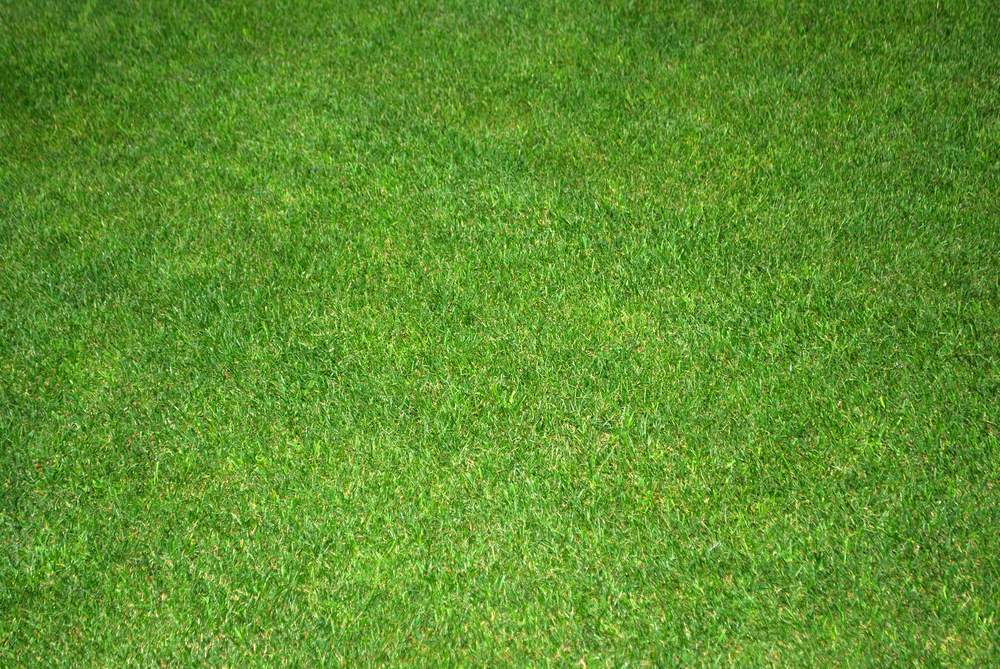
How to Maintain a Well-Manicured Lawn

A picture of trimmed grass. Preserving a cleanly trimmed lawn is one of the many joys of home ownership. Without regular upkeep, yards can spiral into a mess of weeds and knee-high grass that can seriously hurt a home’s curb appeal.
Quality H2o Before anything else, the first building block to a healthy lawn is watering it on a regular basis. On average, you should water your grass about three times a week. If possible, schedule the sprinklers to run in the morning so that the grass has sufficient time to dry.

Take those weeds down Dandelions, broadleaf plantains, prickly lettuce, and dozens of other species of weeds are renowned lawn invaders. Scan your lawn for these by following a visual weed identification guide. Once spotted, grab the gloves and garden shovel to unearth them by their roots. Another popular alternative is purchasing herbicides, which are scientifically designed to wipe out unruly patches of plants; before using, check the label to make sure it’s the right formula for your lawn and to check any potential health hazards.

Aerate After time, soil can become so tightly compact that it hinders a fluid distribution of water and fertilizer. A common technique to fight this is aeration, which essentially allows air to reach the soil in an efficient manner. Technically, there’s no tested best time to aerate a lawn; generally speaking, the best way to assess if a lawn should be aerated is if it’s recently faced a hefty amount of traffic from people walking over it. Aeration can be done on your own by renting an aerator or hiring a landscaping company to do it for you, whichever you prefer.

Routine mowing Keeping your lawn’s grass to a tamed length promotes a healthy, spick and span look. The frequency you mow, however, is unique for each lawn and is usually linked to a variety of factors. A helpful tip to gauge when it’s time to cut is following the standard rule of thumb of using no longer than a third of a mower’s leaf blade.

Fertilizer is key In order to facilitate continual long-term growth of your lawn, fertilizer should be applied during the growth stage of your grass. These stages vary with every species of grass and tend to occur at different seasons of the year; so, you will want to do some research to learn the beginning growth period in order to adequately schedule when to deploy the fertilizer. The reason fertilizer is such an important ingredient to a lawn’s development is the sheer amount of nutrients it packs - it fosters growth in plants and acts as a defensive agent against weeds.

References:

http://lifehacker.com/how-often-should-you-mow-a-growing-lawn-1226754116

http://www.familyhandyman.com/landscaping/lawn-care/how-to-achieve-a-healthy-lawn/view-all#step6

Fun Weekend Projects for Summer

Vibrant-colored hammock in backyard.With summer in full swing, the breezy weather and sunny skies provide the ideal conditions to uptake a fun home renovation project. Listed below are some exciting ventures that the whole family can enjoy.
Build a Cornhole Set For family barbecues and other social gatherings, cornhole is an easy and accessible game for people of all ages. It’s a staple backyard game that involves two players tossing bean bags into the open hole of an opposing wood platform. With the right tools and instructions, it also makes a great weekend project to put together that can be enjoyed for years to come.

Bring the Light Take advantage of the sun’s warming rays by installing new home windows. Seek out a room that lacks natural light or tends to easily get stuffy; from there, decide on the wall you want the light to pour through. Skylights, double-hung windows, and garden windows are excellent ways to promote not only the vitamin-d filled sunshine, but also an inflow of healthy air ventilation.

Use Your Green Thumb Gardens take work - but that doesn’t mean they’re not worth it. Though they require a certain level of time and patience to reach their full potential, maintaining a home garden has been a universally celebrated joy for homeowners throughout the years. When it comes to looks, gardens are a superb way of adding exuberant color and a welcoming feeling of warmth for your home’s exterior. Additionally, you can always choose to grow plants that produce actual food, such as cherry tomatoes, strawberries, blueberries, and dozens of others.

New Hangout Spot Whether you’re a bookworm who loves to read in the great outdoors or maybe just love a good tan, all of us can agree that hanging out under the summer sun is extremely relaxing. If your backyard is lacking the furniture or equipment for you to fully enjoy it, you may want to consider building a hammock or bench. By doing so, you’ll have a reliable outdoor location for you to kick back without the hassle of having to drag out a lawn chair from inside. Enjoy!

Hardwood vs. Carpet Flooring

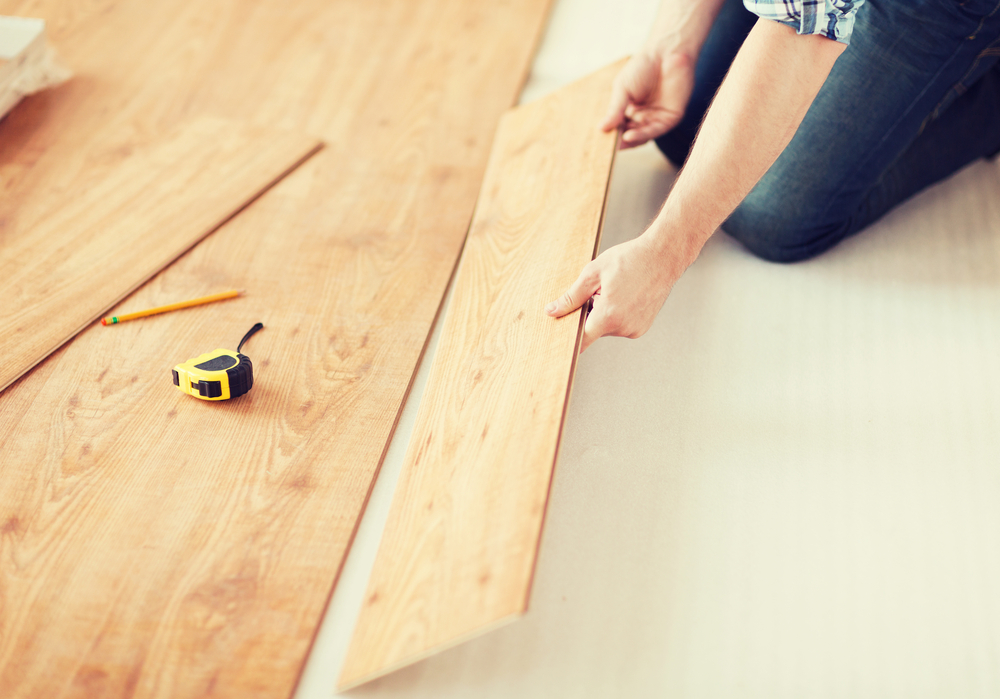
Wood flooring being installed in home. With so many options to choose from, selecting the style of flooring for your home can be a difficult choice. Most of the time, homeowners face the decision to install new flooring directly after moving into a new residence or after years of wear on the same surface and it’s just that time for an upgrade. Whatever your reasoning for new flooring is, it's likely you've decided going with two of the most popular styles: carpet or hardwood. It’s a tough decision to make, so to make things easier, we’ve broken down the pros and cons of each one.
Carpet

Pros When you think of carpet, the first thing that generally comes to mind is the soft, cushy texture. Its fleecy fabric is accommodating to sit on, rest your knees, and sprawl out on when all other seating is filled. But the soft touch of carpet holds a number of advantages to its name that are far greater than just being comfy. With carpet, heavy furniture and equipment are able to be held sturdily in place; only with a significant nudge or push can couches, tables, or other furniture be moved when placed atop it. This is especially important when it comes to delaing with delicate china and other fragile decor that are expensive to replace.

Cons There’s nothing worse than casually walking through your living room and, with the slightest misstep, spilling your beverage. Bright red fruit juice, wines, and soda are notorious for leaving some heavy duty stains on carpet; additionally, for pet owners, dogs and cats are known to have “accidents” every now and then - which can lead to some pretty unfavorableodors and ugly blotches. This said, to be fair, stains can be removed if taken care of in a timely manner with the right cleaning solution.

Secondly, the fuzzy texture embodied by carpets - though pleasant to the touch - are guilty of hosting all kinds of grime between its crevices. Accumulations of dust, hair, food, and other forms of crud can get burrowed into carpet. This can go unnoticed by the naked eye, so it requires regular cleaning by vacuum every two weeks or so.

Hardwood

Pros There’s a certain quality to hardwood floors that make them exude a polished, traditional look. When matched with the rest of a home’s interior, the sleek shine of light against the wood surface surface pronounces the atmosphere with a refined touch. Opposite to carpet, liquid spills and pet stains are much easier to mop up and less likely to stain. However, in the event of serious liquid damage from a flood or leak, it’s likely wood flooring will warp and possibly suffer from molding.

Another nifty feature of hardwood flooring is the significantly lesser degree of upkeep it requires. Any floor will need cleaning no matter what material it’s made out of - the nice part about wood flooring, though, is it’s easy to tell when it needs to be cleaned. Its smooth grain surface works great with the bristles of a broom to effortlessly collect dirt and miscellaneous garbage.

Cons Wood flooring’s greatest shortcoming lies in its susceptibility to scratches. Moving furniture even the tiniest bit can lead to serious scuffs that can last for years. There’s a similar vulnerability to wood when it comes to accidentally dropping heavy objects on it, which create dents and abrasions - thus making for a pretty penny to repair.

Whether it be the windows or the flooring, every aspect of a home’s design plays an indispensable role in defining its overall style, comfort, and value. If you have any questions about replacement windows, contact Wallside to speak with a qualified professional.

Benefits of Hiring a Landscape Professional

Bright grass being cut by lawnmower. The work of a landscaper far exceeds planting flowers, bushes, and other renovations for enhancing a home’s curb appeal. A landscaper generally has years of experience working with hundreds of different homes and has faced every landscaping issue under the sun; bottom line, they know what works and what doesn’t. Below we take a look at the many ways a landscaper can improve your home landscape design and make the process as smooth as possible. They help make your vision a reality One of the best parts of hiring a landscaper is brainstorming ideas with him or her. Often times, you’ll find landscapers to have an abundance of ideas to soup up your curb appeal in ways you may have never thought before - which comes as no surprise considering it’s their profession to beautify lawns. Seasoned landscapers are known for offering invaluable advice concerning what additions are going to be short-term solutions - a.k.a. ones that quickly wither away - and which ones will stand for years to come.

Additionally, contractors are able to spot areas that are lacking in curb appeal and may need remodeling. For example, he or she might point out a stained area of brick and recommend a specific style of bush that could act as a natural cover-up. Lastly, they might do you a favor and clean up any out-of-control plants or pests. For example, if a window is blocked by a shrub that has grown to excessive proportions, a landscaper could you the effort by easily trimming it down for you. If any of your windows have suffered damage or are simply past their prime, contact Wallside to learn about our factory-built replacement windows and how we can install them for you.

Get an inside scoop into the industry Visit any local shop selling mulch, soil, plants, or shrubbery, and you’ll notice there’s an wide selection of brands to choose from, each proffering some lavish type of benefit to separate itself from the others. Landscapers work with these materials everyday; they’ll give you the no-nonsense solution to your lawn’s needs by using the best materials depending on the look you want and budget that you’re working with.

Save time Finding the right flowers, plants, and shrubbery can bite a huge chunk out of your valuable time. Not to mention the whole time-consuming process of regular upkeep, researching the plant qualities, the climate in your area, and figuring out how to work with your own lawn’s characteristics. In most cases, a landscape crew would take care of these duties. Thus, the main thing to consider is the value you place on your time in relation to regular lawn upkeep. Sure, hiring a crew does require a significant sum of cash, but by hiring one you save more than money: the opportunity cost of lost time.

Can’t I do landscape myself? It depends on your experience. Landscaping is a multifaceted job requiring multiple high-level skills to get the job done right. If you’re unsure whether to hire a landscape crew or not, you’ll want to think about whether or not you’re able to mow the lawn, mulch, regularly prune, and research the hospitable conditions for each plant to flourish on a regular basis.