





 You don’t have to spend a fortune to transform a tired room. Below are five inexpensive ways to add life, warmth and style to any room in your house.
1. Paint the ceiling red…or another color
We often forget about the design potential of our fifth wall. But the off-white canvass above your heads is actually an amazing opportunity to change a room’s overall ambience and layout. For a bold, elegant look, try uniting the ceiling and walls with a single color set off by crisp white trim. If your wall color is very rich, then go one or two shades lighter on the ceiling. You can also use the ceiling to inject color and personality into a plain white room. In small rooms, this is a good way to add both visual interest and a sense of vertical space.
2. Downsize your furniture
Writers talk about needing to “kill their darlings” and the same is true of us homemakers, who are often sentimentally attached to items of furniture that we would do better without. This is especially true for over-sized pieces such as sofas, coffee tables and armchairs. Simply by removing one or two bulky items of furniture, you can add space and energy to a room and let it breathe again. Alternatively, substitute smaller pieces. If your coffee table takes up too much real estate, replace it with a smaller table or chest, or throw a stylish runner or mat on an unused piano bench. Transparent tables can also trick your eyes into making the space seem bigger.
3. Cultivate an indoor garden
Nothing livens up a room quite like a touch of nature – verdant pot plants or fragrant flowers. And according to the ancient Chinese philosophy of feng shui, decorating with flora will create harmony in your home. Hang baskets of ferns or feathery herbs such as lavender or woolly lamb's ear in the bedroom and place broad-leaved pot plants such as peace lilies, spider plants and weeping figs in the living room. In the kitchen, an indoor herb garden is a wonderfully practical option. Buy grown plants and keep them in a brightly lit area that is out of direct sunlight, or try a windowsill planter. Also shop for some statement vases to display freshly cut flowers in.
4. Add new colors and textures
You can transform a room for very little cost by introducing new colors, materials and textures. Jazz up a neutral sofa with a bold zebra print cushion or balance a bold armchair with neutral-colored throw in a different texture. Mix and match with patterns if you like an eclectic aesthetic, or choose accessories that fit tonally and use repetition if you’re more of a minimalist. Add warmth to a cool-toned room with a wood or wicker table, or create contrast in a dark room with wall mirrors and an industrial silver lamp. If you have floorboards, don't forget the statement power of a good floor rug.
5. Light up the room
Good lighting adds drama and romance to even the most understated of rooms. Instead of harsh overhead lighting, use the soft, diffused lighting of table and floor lamps. Position them next to your favorite reading spots or your beloved pieces of art. Consider installing uplights and spotlights if your budget allows. Or, if you'd prefer a more natural approach, there's always new replacement windows...
You don’t have to spend a fortune to transform a tired room. Below are five inexpensive ways to add life, warmth and style to any room in your house.
1. Paint the ceiling red…or another color
We often forget about the design potential of our fifth wall. But the off-white canvass above your heads is actually an amazing opportunity to change a room’s overall ambience and layout. For a bold, elegant look, try uniting the ceiling and walls with a single color set off by crisp white trim. If your wall color is very rich, then go one or two shades lighter on the ceiling. You can also use the ceiling to inject color and personality into a plain white room. In small rooms, this is a good way to add both visual interest and a sense of vertical space.
2. Downsize your furniture
Writers talk about needing to “kill their darlings” and the same is true of us homemakers, who are often sentimentally attached to items of furniture that we would do better without. This is especially true for over-sized pieces such as sofas, coffee tables and armchairs. Simply by removing one or two bulky items of furniture, you can add space and energy to a room and let it breathe again. Alternatively, substitute smaller pieces. If your coffee table takes up too much real estate, replace it with a smaller table or chest, or throw a stylish runner or mat on an unused piano bench. Transparent tables can also trick your eyes into making the space seem bigger.
3. Cultivate an indoor garden
Nothing livens up a room quite like a touch of nature – verdant pot plants or fragrant flowers. And according to the ancient Chinese philosophy of feng shui, decorating with flora will create harmony in your home. Hang baskets of ferns or feathery herbs such as lavender or woolly lamb's ear in the bedroom and place broad-leaved pot plants such as peace lilies, spider plants and weeping figs in the living room. In the kitchen, an indoor herb garden is a wonderfully practical option. Buy grown plants and keep them in a brightly lit area that is out of direct sunlight, or try a windowsill planter. Also shop for some statement vases to display freshly cut flowers in.
4. Add new colors and textures
You can transform a room for very little cost by introducing new colors, materials and textures. Jazz up a neutral sofa with a bold zebra print cushion or balance a bold armchair with neutral-colored throw in a different texture. Mix and match with patterns if you like an eclectic aesthetic, or choose accessories that fit tonally and use repetition if you’re more of a minimalist. Add warmth to a cool-toned room with a wood or wicker table, or create contrast in a dark room with wall mirrors and an industrial silver lamp. If you have floorboards, don't forget the statement power of a good floor rug.
5. Light up the room
Good lighting adds drama and romance to even the most understated of rooms. Instead of harsh overhead lighting, use the soft, diffused lighting of table and floor lamps. Position them next to your favorite reading spots or your beloved pieces of art. Consider installing uplights and spotlights if your budget allows. Or, if you'd prefer a more natural approach, there's always new replacement windows...
Tips for Reducing Indoor Allergens
 Unfortunately spring isn’t the only season we have to be on high allergy alert. Winter brings a whole new set of hazards for allergy and asthma sufferers. We’re talking about indoor allergens, such as dust mites, mold, pet dander and cockroaches. In winter we spend around 90 percent of our time inside, so it’s crucial that we keep our indoor air as healthy as possible. The following are some simple ways to reduce potential allergens in your home:
Move in on mold Even during the depths of winter, mold can linger in damp, humid indoor areas such as bathrooms, kitchens and basements. Attack visible mold with a diluted bleach solution and use dehumidifiers in extremely moist areas. Keeping relative humidity down to less than 50 percent will help to reduce both mold and dust mites. Fix leaks and other sources of damp, clear, moldy firewood, leaves and weeds out of your yard.
Allergen-proof your bedding Keep dust mites out by using zippered allergen-proof covers on all your pillows, mattresses and box springs. You should also wash bedding, uncovered pillows and stuffed toys in hot water and dry them on high heat once a week.
Rip up the carpet It sounds drastic, but allergens get trapped in carpet fibers, while hard-surface flooring can be easily dusted and mopped. Bare floors and walls are best, particularly in the bedroom where you sleep. If that’s not feasible, consider washable throw rugs or low-pile carpets, and get your carpets and rugs regularly steam cleaned.
Buy an asthma-friendly vacuum Poor quality vacuums can actually increase dust in the air, so look for models that are certified to be asthma and allergy friendly. You should vacuum and dust once or twice weekly, and use a damp or treated cloth for dusting. If you suffer from severe allergies, wear a dust mask and leave the house for several hours after cleaning. Or even better, pay for a professional cleaner if you can afford it.
Evict the cockroaches Cockroach droppings can trigger allergy and asthma symptoms in some people, another reason you don’t want a roach infestation in your house. Call an exterminator who uses allergen-sensitive materials. Or tackle them on your own with poison baits, boric acid and traps, rather than chemical agents, which can exacerbate rhinitis and asthma. Keep your home clean and a tight lid on your food and trash bins.
Tackle pet hair You love your pet, but not their sneeze-inducing dander. If possible, keep pets out of the bedroom. You could also have them sleep in the basement or garage if there is a spot that is warm enough. Otherwise, you’ll need to be vigilant with vacuuming and you could also consider an indoor air cleaner, such as a HEPA (High Efficiency Particulate Arresting) air cleaner which can pick up fine particles such as pet dander.
Five Ways to Dress Up Your Windows for the Festive Season
Windows are your outlook on the world, and shouldn’t be overlooked when decorating your home for the holiday season. Following are five great ways to adorn your windows in some festive cheer.
 1. Wreaths for a welcoming view
Your front door isn’t the only place to advertise your festive spirit. With eye-catching window wreaths, you can share the season’s cheer with your entire neighborhood. First measure your windows - as a guide, a window that is 36 inches wide will need a 24- to 30-inch wreath. Once you’ve bought your permanent wreaths, you can get creative with nature’s seasonal materials. Try fresh evergreen leaves such as noble fir, eucalyptus, white pine, or magnolia leaves, as they dry naturally and retain a subtle scent throughout the season. A rosemary or bay leaf wreath is a good option for your kitchen window. Or team clusters of red pepper, holly or canella berries with a white ribbon for a classic December wreath. You can secure wreaths to your external windows with suction cups or ribbons.
1. Wreaths for a welcoming view
Your front door isn’t the only place to advertise your festive spirit. With eye-catching window wreaths, you can share the season’s cheer with your entire neighborhood. First measure your windows - as a guide, a window that is 36 inches wide will need a 24- to 30-inch wreath. Once you’ve bought your permanent wreaths, you can get creative with nature’s seasonal materials. Try fresh evergreen leaves such as noble fir, eucalyptus, white pine, or magnolia leaves, as they dry naturally and retain a subtle scent throughout the season. A rosemary or bay leaf wreath is a good option for your kitchen window. Or team clusters of red pepper, holly or canella berries with a white ribbon for a classic December wreath. You can secure wreaths to your external windows with suction cups or ribbons.
2. A festive topiary peering through Think outside the traditional topiary style with a vertical hedge or single plant festooned with festive ornaments. Consider a platted or plaited ficus, a single tropical orchid, a magnolia, a flowering topiary. Or try a topiary in a cone, spiral, triple ball or pillar shape. You can also craft your own topiary. Create a glazed green and red topiary spire from vases and foam balls. For an earthy look on a classic shape, adorn a foam cone with dried seed pods, pine cones and unshelled nuts, or with rose-blushed fruits and rustic branches. Your topiary should be positioned so the top is slightly below the window’s center. Frame it with a draping of greenery of tinsel above and around the window.
3. Candles burning brightly Light up your windows with a holiday glow using elegant hurricane lamps. Or if your windowsill is deep enough, create a rustic look with a tray of different sized candles. Use battery-operated candles inside burnt-down candlesticks for an authentic glow without the fire hazard. Only use real candles with the utmost care – don’t place them near draperies and furniture, or leave them unattended.
4. Throw up a mistletoe ball Maximize your kissing opportunities this festive season with a mistletoe ball. Cover a foam sphere (around nine to 12 inches in diameter) with mistletoe or a ribbon in red, silver,gold, white, blue or green. Attach a wired ribbon to the ball with a T-pin, and make a loop to hang it from the top of your window.
5. Icicles for a cozy winter wonderland Create an enchanting icicle display with strands of pearl beads, rock crystal or holiday lights in your window.
Energy Savings Tips for Your Kitchen, Bathroom and Laundry
 Want to save money on your energy and water bill this year? There's plenty of ways to do that around the house such as with new vinyl windows, but what about your appliances and installations? Kitchens, bathrooms and laundries contain some of our biggest appliances, and are also where we can waste a lot of water if we’re not careful. Following are some ways you can make your kitchen, bathroom and laundry more energy-efficient.
- Save water by fixing leaky faucets and using faucet aerators.
- Look out for the ENERGY STAR brand when buying or replacing major appliances such as fridges, dishwashers and washing machines. You’ll use between 20 and 40 percent less energy, which makes for big savings on your energy bill over the life of the appliance.

- Pack your dishwasher efficiently, and aim to only wash with a full load. Also get familiar with the energy-saving options on your dishwasher - such as rinse only, economy cycle and cold water – and use them where appropriate. Dishwashers can produce considerable heat and humidity, so during summer try to use them in the evening and cooler parts of the day.
- When shopping for a new washing machine, choose a front loader, as it is more energy efficient than a top loader. Also, make sure it suits your household size and needs, and allows you to change the amount of time and water you use in a wash cycle.
- Aim to wash only full loads of clothes and use the right temperature and water setting – switching from hot to warm water can reduce your energy use by half.
- Use your microwave oven instead of your conventional stove when possible, as it uses between a half and one-third of the energy.
- In summer, use the exhaust fan to blow hot cooking air out of your kitchen. You’ll save far more in cooling costs than you’ll spend on the fan’s electricity.
- When cooking on the stovetop, use the burner that best matches the size of the pot you are using. Also place lids on pots and pans so you can cook at lower settings without heat escaping.
- Cut down how often you open the fridge, as well as the oven door while the oven is in-use.
- If possible, place your fridge and freezer away from heat sources such as direct sunlight, stovetops and heating equipment.
- Keep your fridge compartment between 36-38 degrees Fahrenheit and the freezer compartment between zero to five degrees Fahrenheit.
- Regularly defrost and clean your fridge, including the coils and condenser area at the back.
- Make sure the seal on your oven, fridge and freezer are fitted properly – they should hold a piece of paper in place when the appliance doors are closed. Repair any faulty seals to prevent the loss of hot or cold air.
- Reduce heat loss by insulating your hot water pipes and tanks with heat tapes or insulation blankets.
- Install an energy efficient showerhead to save around $250 on your water bill over three years.
- Take showers instead of baths – they use five to ten gallons less water.
Home Security Tips
Security is a top priority for any homeowner. Here are some simple security measures to help protect your home from break-ins.
- Lock, stock and barrel Police suggest many opportunistic burglars break in to homes via unlocked doors or window. So lock up all your doors and windows, even if you are going out for a short time. Locksmiths can advise on the best door and window locks, and even key all the windows to a single key.
- Blow the cover
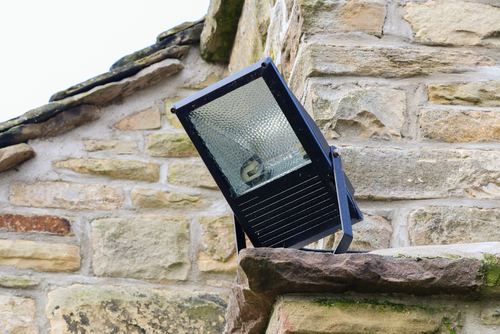
Discourage thieves from targeting your house by getting rid of trees and shrubbery that obscure the view of your door from the street. Keep your porch and exterior well-lit, with internal switches than a burglar can’t reach. You could also consider installing infrared sensor lights. Street lights are a deterrent for your neighborhood, so report broken lights straight away.
- Secure windows and doors Fortifying your doors and windows is one of the best ways to protect against a home invasion. If your door has glass panels (which is easy for a thief to smash) replace it with burglar-resistant glass. Replace rotted door frames with new, solid wood and install deadbolt locks on all your exterior doors. (Of course, I shouldn't have to tell you how important new windows can be either!) A peephole or lockable security screen will also enhance your security. Your windows should have one or more good locks, and you could also consider grilles and shutters. If your door has too much space between its frame, reinforce the a panel of 3/4-inch plywood or piece of sheet metal. If there are door hinges on the outside of your house, take down the door and reset the hinges inside.
- Guard the garage
Garages and sheds are often targets for burglars, who can then use your tools or ladders to break into the main house. Fit a sensor light in your shed or garage and install keyed locks.

- Be careful with your keys…and who you let into your home Keys are easily copied so be scrupulous when lending your keys to cleaners, tradespeople and acquaintances. Check all references, including the reputability of the firm, before handing your house key over to a professional house cleaner or tradesperson. If you lose your keys, change the locks immediately. Professional burglars may pose as salespeople to check out homes, so ask for salespeople to push their ID under the door. If someone comes to your door asking to use the phone to call a mechanic or the police, keep the door locked and make the call yourself.
- Get an alarm or a dog An alarm system is the next layer of defense. For the most effective alarm system, conceal all wiring, and repair faulty alarms that go off too often. Dogs are good deterrents- even a small, dog with a loud bark. Failing that, even a "Beware of the dog" sign will make burglars think twice before targeting your home.
7. Be smart when you travel A burglar can spot the signs of an unoccupied house, so ask friends or neighbors to collect your mail when you head away. Also ask if a neighbor can park in your driveway, as this will help make your house look occupied. Use timers to switch lights and radios on and off and organize for someone to mow your lawn.

