

Blog

Tips for Saving Money on Homeowners Insurance

 Tips for Saving Money on Homeowners Insurance Buying a home is one of the biggest investments you’ll make in your life and it only makes sense to want to protect it. Homeowners insurance is an extremely important way of protecting your home, but you certainly don’t want to be spending more than you have to on it. If you feel like you’re paying too much for insurance, here are a few ways you can cut down on that expense.

Shop Around

Sometimes, taking the time to shop around can really pay off and looking for an insurance provider is one of those times. Each insurance provider has their own unique way of calculating premiums, so it’s entirely possible that one provider would quote you a higher price than another company would without making any changes to the amount of coverage you receive.  

Get Multiple Policies Through the Same Company

The concept of bundling to save money isn’t limited to phone, cable, and internet services. Many insurance providers offer multi-discount policies to customers who get both their home and auto insurance policies through them. According to Consumer Reports, these discounts can help cut your rates by up to 30%, so it’s definitely an option worth investigating.

Raise Your Deductible

A low deductible means you won’t have to pay as much out of pocket when you make a claim with your insurance company, but in turn, you’ll have higher insurance premiums. If you’re able to do so, raising your deductible will help you keep more money in your pocket, especially if you don’t make claims against your insurance very frequently.

Take Care of Your Roof

Your roof does a lot to protect your home from the elements, so it makes sense that insurance companies would be more willing to give homeowners a break on their premiums if they know their roofs are being taken care of. Repairing a roof or replacing it with a new impact-resistant roof will help give the insurance provider the peace of mind of knowing your home is less prone to weather damage.

Improve Your Home

Roof maintenance isn’t the only type of home improvement that can help you get a break on your insurance premium. Since old wiring and plumbing systems are more likely to cause damage to a home, replacing them can help bring down your insurance rates.

Boost Home Security

Insurance companies are always happy to see that a homeowner has taken steps to improve their home’s security. Whether you install stronger doors and locks or get a home security system, smoke detector, or motion-activated outdoor lighting, it all helps make your home safer and more secure. If you live in a gated community, make sure your insurance provider is aware of that fact since the gate offers an extra layer of security. Being a member of a homeowners association may also help you get a discount if the HOA includes a neighborhood watch.

Be Careful What You Insure

It’s important to make sure you have enough insurance coverage, but you also don’t want to be paying to cover things you don’t need to. Make sure you review your policy at least once a year to make sure it’s still relevant to your needs. For example, if you had special coverage to protect something that wasn’t covered by your standard homeowners insurance policy, but you no longer have that item, you’ll want to update your policy. Also, since it’s impossible to steal or damage the land your home sits on, including the value of the land in your policy will only raise your premiums. Instead, just get coverage for the costs to rebuild the structure of your home and any other structures on the property.
Improving Energy Efficiency With Window Treatments

Improving Energy Efficiency With Window Treatments Not all window treatments are created equally. At first, it may seem like a blind is a blind and a curtain is a curtain, but choosing the right kind of window treatment may help in making your vinyl replacement windows even more energy efficient. Why spend more on your heating and cooling costs when you can let your window treatments help you save some money? Here’s what you need to look for.

Awnings

For an excellent way to save money on your heating and cooling bills, think outside your home. Retractable exterior awnings are highly effective at preventing your home from being heated by the sun during the summer, but allow you to let that heat in during the winter. Energy.gov estimates that during the summer, window awnings can reduce solar heat gain by as much as 65 percent when placed on south-facing windows and by 77 percent on windows that face the west. Awnings made out of a lightly-colored material are more effective since they reflect sunlight and keep more heat out of your home.

Curtains

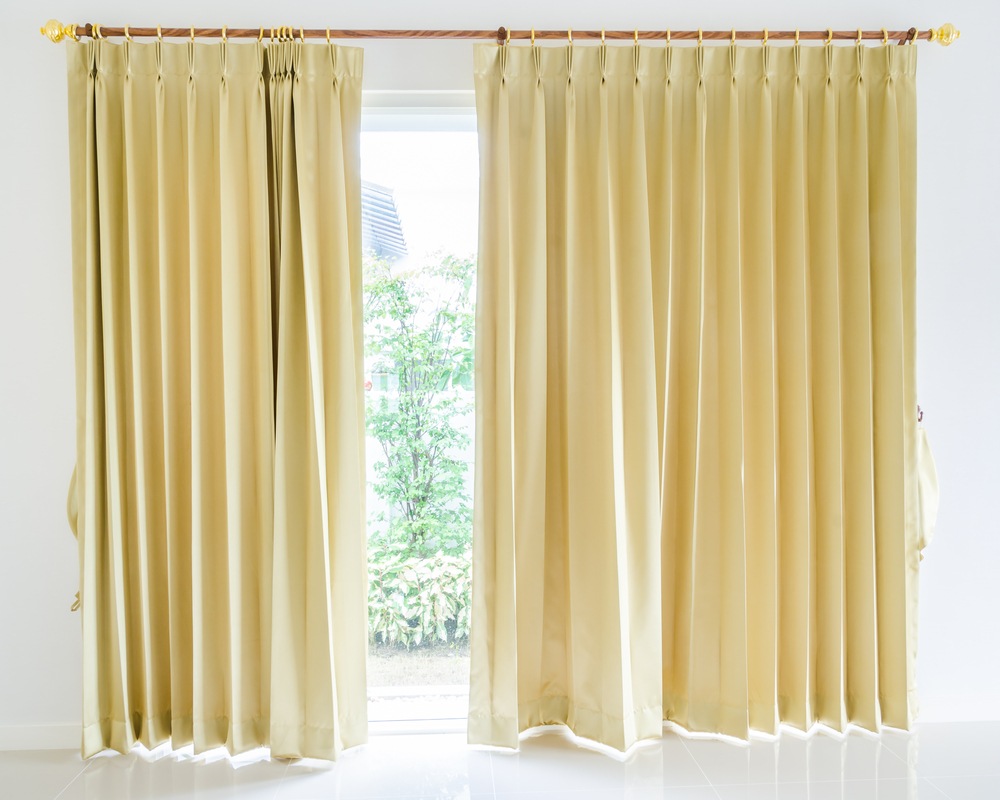
As far as indoor window treatments go, curtains are one of the best ways to control the amount of heat you get from the sun all year long. How well a curtain can control heat from the sun depends on the type of material it’s made out of, so you may want to consider changing your curtains throughout the year for best results. During the winter, look for curtains made out of a heavier fabric and hang them as closely to the window as possible to minimize heat loss. Make sure the curtains are long enough to hit the floor or window sill and, if possible, use velcro or magnetic strips to fasten the sides of curtains to the wall so that heat can’t escape through the sides.

During the warmer months of the year, use curtains that are lined with a white plastic backing to reflect heat from the sun and keep them closed during the day. Doing this can reduce solar heat by up to 33 percent!

Blinds

By design, blinds are better suited for keeping heat from the sun out during the summer than at keeping heat inside the house during the winter. The fact that they’re made out of slats simply means they’re not ideal for keeping heat inside the house. However, lightly-colored blinds made of a reflective material can reduce the amount of solar heat a home gets by about 45 percent when they’re fully lowered and the slats are closed.

Shades

Curtains and blinds are better options if you want more control over the amount of light that comes in through a window, but window shades can also help make your windows more energy efficient. Shades made of fabric, such as roman shades, add an extra layer of insulation on the window when they’re lowered. Honeycomb and cellular shades have a design which helps reduce heat transfer. There are also shades which are a reflective white on one side and black on the other side. Depending on which side the reflective white is facing, they can help keep heat out in the summer and heat in during the winter.

Getting Rid of Energy Vampires Around the House

Getting Rid of Energy Vampires Around the House Making your home more energy efficient is a multi-step process. You can do things like install vinyl replacement windows or add more insulation to reduce your heating and cooling bills, but you also need to look for ways to use electricity more efficiently. Getting in the habit of turning lights off when you leave the room and replacing old appliances with new Energy Star certified models are great ways to start, but sometimes, simply remembering to turn off electronics when you’re not using them isn’t enough to save energy.

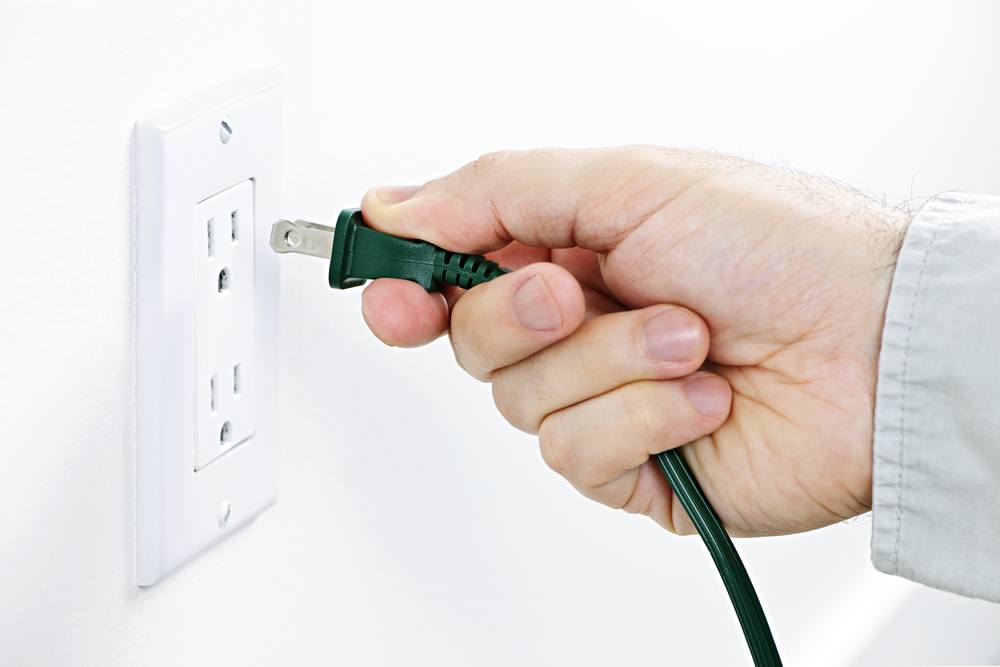
We all have a lot of electronic devices in our homes, but a lot of people don’t realize they might be paying to power those devices when they aren’t actually being used. These sorts of devices, known as  “energy vampires,” use electricity simply by being plugged in or go into a low-power standby mode instead of fully being powered down. Even if an individual item doesn’t use much energy just by being plugged in, when you look around the house and count all the energy vampires you can find, the energy savings can really add up.

Phone chargers are by far one of the most common energy vampires people have in their homes. They get used so often that many people get in the habit of leaving them plugged in at all times. In fact, many homes have multiple chargers plugged in at any given time. Charging a phone doesn’t actually use much power, but keeping a charger plugged in all the time adds up, especially when you keep a few chargers plugged in.

Some of the biggest energy vampires include things like TVs, cable boxes/DVRs, DVD players, and video game systems. In some cases, TVs, DVD players, and video game systems don’t fully power down when they’re turned off. Instead, they enter a low-power standby mode so they can start up again more quickly. If something goes into a standby mode, check its settings to see if you can change it. You can also try keeping these sorts of things plugged into a power strip so you can easily turn off the power to all of them at once when they’re not being used. Cable boxes and DVRs aren’t as easy to simply unplug when they’re not in use since that will cause you to lose all your timers and settings. However, you might want to contact your cable provider to see if you can get a newer cable box/DVR since those are continually being improved to become more energy efficient.

Computers and accessories like printers can also be major energy vampires. If you’re used to leaving your computer on all the time, try to get in the habit of either shutting it down or putting it in sleep mode when you’re not using it. Energy.gov says that turning off a computer when you’re not using it can lower your energy bills by as much as $20. Power strips also work great in home office areas so you can turn off the power to you computer and all its accessories at once. One of the easiest ways to get rid of energy vampires is to just walk through your house and unplug anything that either doesn’t get used very often or doesn’t really need to be plugged in. Is your hair dryer still plugged in, even though you haven’t used it in a few days? Have a spare TV in a guest bedroom? Is the kitchen counter full of small appliances that only get used occasionally? Just unplug them all. You might be surprised by how many energy vampires might be lurking around the house.

Choosing the Right Front Door for Your Home

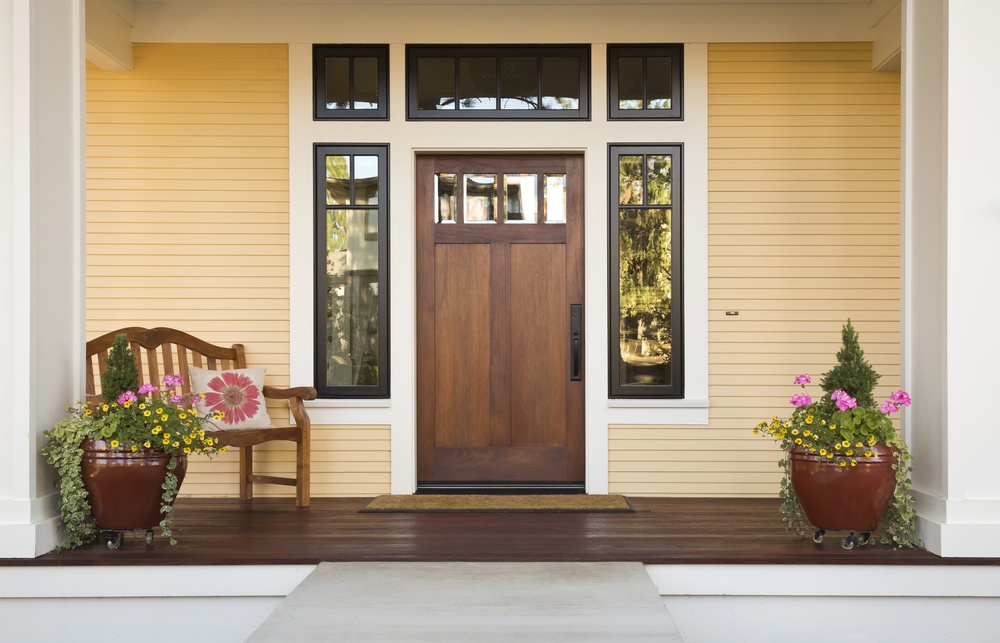
Choosing the Right Front Door for Your Home Whether you’re planning to stay in your home for years to come or you’re thinking of putting your home on the market, replacing your home’s front door is a great way to improve your home. Your front door is a very important part of your home. It’s one of the first things people see when they visit your home, so your front door is an opportunity to reflect your home’s style and personality. If you’re selling your home, replacing your entry door typically has a great return on investment, according to the 2016 Cost vs. Value report. But since your door is exposed to the elements, you need to find a type of door that’s both decorative and durable. And of course, you have to remember that your door doesn’t just impact the appearance of your home, it also makes a difference in your home’s security and energy efficiency.

If you’re in the market for a new front door, there are three main types of materials to choose from:

Wood

For a timeless and luxurious look, it’s hard to top wood doors. Wood doors look great with many different styles of decor and architecture, so you’ll have an easy time finding one that will look great on your home. Unfortunately, wood doors are also the most expensive type of entry door available. Wood doors can also warp or swell in humid conditions and require the most maintenance to stay in good shape. However, there are doors made with a wood veneer over an engineered-wood core which can help you save money and avoid the inconveniences and maintenance that comes with solid wood doors. If you’re interested in one of these types of doors, This Old House recommends looking for a door with a furniture-grade veneer at least 1/16th of an inch thick.

Steel

According to Consumer Reports, steel doors account for about half of the entry door market and it’s pretty easy to understand why. They’re pretty affordable and don’t require much maintenance. They may need to be repainted occasionally and if a steel door gets dented or scratched, it can be repaired. Since steel can rust, steel doors don’t typically hold up as long as wood or fiberglass doors, but they do offer great durability and security at an affordable price.

Fiberglass

As far as price goes, fiberglass doors fall somewhere between wood and steel doors. They’re very durable and are virtually maintenance free. Some styles of fiberglass doors even replicate the look of real wood, so they’re another option if you like the look of wood doors but can’t afford solid wood doors and want less maintenance. And while fiberglass doors feel lightweight, they’re very strong.

Which material you want your new door to be made out of is just one choice you’ll have to make. If you’re interested in making your home more energy efficient, you’ll want to look for a door with a low U-factor, solar heat gain coefficient (SHGC), and air leakage rating. As far as appearance goes, look for a door that suits the architectural style of your home and reflects your own personal style.

5 Important Things You Should Know About Home Warranties

5 Important Things You Should Know About Home Warranties If you just recently purchased a home, there’s a very good chance a home warranty was included as part of the deal. A home warranty probably sounds like a great idea in theory. After all, what homeowner likes getting surprised with expensive home repair bills? But many homeowners question whether or not home warranties really are worth it. If you’re debating whether or not to get a home warranty or whether to keep paying for one, here’s what you need to know about them.

Read Your Agreement Carefully

First of all, it’s important to understand exactly what your home warranty does and doesn’t cover. According to Angie’s List, home warranties are some of the lowest rated categories on their site and a big reason why that is is because a lot of people are unclear about what’s covered and what isn’t. There are a lot of things home warranties don’t cover, so make sure you pay very careful attention to your policy’s inclusions and exclusions.

The Difference Between a Home Warranty and Homeowners Insurance

A home warranty typically covers specific systems and features of a home, like certain appliances, plumbing and electrical systems, the water heater, and heating systems. You can also get a home warranty with extra coverage for things like a swimming pool, septic system, or a central vacuum. On the other hand, homeowners insurance covers the interior and exterior of your home if they’re damaged during something like a fire or a storm. Homeowners insurance also covers your personal belongings if they’re stolen and helps cover damages if someone is injured on your property.

A Home Warranty Doesn’t Necessarily Mean Free Repairs

The annual premium of a home warranty can easily set you back a few hundred dollars, with the exact cost varying depending on the level of coverage it offers. However, that’s not the only cost involved in having a home warranty. Even though home warranties are supposed to keep you from being blindsided by huge bills, that doesn’t mean you won’t have any out-of-pocket expenses. You have to pay a service fee anytime someone comes out to your home to fix something. Your service fee would be less than the full cost of the bill, but it’s still something to keep in mind.

The Pros and Cons of Service Calls

When something that’s covered by your home warranty breaks, you contact your warranty company and they make arrangements for someone to come out and fix it. This system has its advantages and disadvantages to it. On the plus side, you don’t have to spend the time finding someone on your own, which is great if you’ve got a busy schedule. However, this also means that you don’t have any say over which contractor comes out to your home. Many people who have had repair work done through their home warranty have said they weren’t happy with the contractor or the quality of work they did.

Maintenance Matters

If you have a home warranty, it’s extremely important to make sure you regularly maintain anything your warranty covers. If a warranty company feels like a service call could have been avoided with proper maintenance, there’s a good chance they’ll refuse to pay for it. Since home warranties are commonly offered when a person buys a home, be aware that there’s a chance that you might get stuck holding the bag because of a problem caused by the previous owner’s lack of maintenance. What counts as “proper maintenance” can also be highly debatable. And when you stay on top of maintenance, that means you might end up going a long time without having to use your warranty, which makes many people feel like they’re better off not dealing with a warranty and just putting that money into a savings account each year.