
Blog

The Benefits of Turning Your Home Into a Smart Home

The Benefits of Turning Your Home Into a Smart Home Over the past decade, smart technology has revolutionized the way we live our lives. Smartphones have made it possible for us to do anything from check email to plan vacations anytime and anywhere. Smart TVs give us the ability to access streaming services like Netflix and Hulu without having to buy any additional devices. Smart technology has been growing so quickly that there are now several ways you can turn your home into a “smart home.”

Finding ways to include smart home technology around your house can make your lifestyle a lot easier to manage in many different ways, from improving home security to making your home more comfortable and more energy efficient. Are you always wondering whether or not you left something on at home? Now, smart technology can let you check on those sorts of things from anywhere in the world.

If you’re concerned about home security, using smart technology could do a lot to put your mind at ease. Instead of using old fashioned locks, smart locks can be opened using your smartphone or other keyfob. Exact features will vary depending on which smart lock you choose, but they can do things like allow you to let guests in remotely, keep track of visitors, or create virtual guest keys for guests. You can even get outdoor surveillance cameras which can send you updates and be monitored from your phone, tablet, or computer.

Heating and cooling costs often account for a large percentage of the average homeowner’s energy bills, but smart technology can help you keep those expenses under control. A lot of people were frustrated by older programmable thermostats, but smart thermostats are very easy to setup and use. You can turn your thermostat down from your phone once you get to work and turn it back up again before you start heading home at the end of the day. Some smart thermostats don’t even need to be programmed to adjust temperatures at set times of the day; they can adjust themselves automatically if they detect that nobody is at home.

Getting the lighting in your home just right can take a lot of trial and error, but if you were to use smart lights in your home, it would be much easier to make changes. Smart lighting systems can allow you to adjust brightness levels and even the color of your lights throughout the day, or even create a lighting schedule so it can automatically adjust itself.

These are just a few of the ways smart technology can make being a homeowner easier. Smart home technology is only going to be more common and can already also be used to do many other mundane things like make yard maintenance and cooking easier. And one of the nicest things about smart home technology is that isn’t an “all or nothing” sort of home improvement. You can add as many smart features as your budget allows or make sense for your lifestyle. Whether you add lots of features or just a few, you’ll always have the benefit of having less to worry about. If you’re planning to add some smart home technology, just make sure your router and internet plan are capable of keeping up with the new demands being placed on it.

The Facts About Storm Windows

The Facts About Storm Windows Making sure the windows in your home are as energy efficient as possible is one of the best ways to keep your energy bills down and your home comfortable. Windows typically last for decades, but like all things in your home, they can become worn out after a certain amount of time. Even if the windows in your home have been very well maintained over the years, modern windows are designed to meet much higher standards for energy efficiency than they used to be. If you think the windows in your home are driving up your energy bills, you might be wondering if you need new vinyl replacement windows or if storm windows would help.

Storm windows are windows that are mounted either inside or outside the pane of an existing window. As the name suggests, storm windows can protect your windows from being damaged by the elements. But since storm windows create an extra layer on your windows, this helps provide extra insulation to keep your home warmer. According to the U.S. Department of Energy, low-E storm windows can reduce your annual heating and cooling costs by 12-33% over not using storm windows at all. If you live in a noisy area, storm windows can also help reduce outside noise.

One of the biggest reasons why people consider getting storm windows instead of replacing their windows is the cost. Storm windows are less expensive than replacing your windows, but whether or not you’re a good candidate for storm windows depends on the condition of your existing windows. While storm windows can help make the windows you currently have more energy efficient, there are many situations where replacing your windows is a better solution.

If your windows are old (at least 30 years old) or only have one pane, replacing your windows is a better investment in your home. New dual or triple pane vinyl replacement windows will do a much better job of improving your home’s energy efficiency than storm windows would. If you’re thinking of selling your home in the near future, replacing windows is more likely to yield a better return on investment than storm windows would since replacement windows are a long-term solution.

Replacing your windows is also a better option if there are other issues with your existing windows. Storm windows might be able to help minimize the impact of a larger problem with a window, but they won’t actually solve it. If you’re getting drafts because of a crack in the glass or because the window won’t shut all the way because your house has shifted and moved the track out of alignment, you’ll need to replace the window to actually solve the problem.

Tips for a Stress-Free Home Remodel

Tips for a Stress-Free Home Remodel When you’ve made the decision to remodel your home, it’s easy to get so focused on the end result that you forget about how difficult the process of getting there can be. Home remodeling jobs have a reputation for being extremely stressful to deal with, but they don’t have to be. Here are a few things you can do to keep the home remodeling process as simple and stress-free as possible.

Start With a Detailed Plan

The more detailed your remodeling plans are to begin with, the fewer problems and delays you’ll run into later on. Even seemingly small, minor changes to your plan can drive up the total cost and make the job take longer than originally anticipated. If you go in with a very clear vision of what you’re looking for and know exactly what types of materials you want to use for the job, the contractor will also have a clearer understanding of what you want from the get-go.

Do Your Research

Before you agree to hire a contractor, take the time to do some research to make sure they’re licensed and insured. Hiring an unlicensed or uninsured contractor may save you some money upfront, but if the quality of work is poor or they use substandard materials, you’ll have a lot more frustration and more expenses in the long run by having to have the job redone.

While you’re doing research on a contractor, be sure to check their references and look for online reviews to see if other customers were satisfied with the contractor’s work. You may also want to check with the Better Business Bureau to see if there have been any major complaints filed against the contractor.

Get a Detailed Contract

Make sure the contractor you hire gives you a very detailed contract outlining exactly what work will be done. This will spare you any unpleasant surprises like finding out that your contractor won’t be doing any of the cleanup work.

Stay Organized and Keep Records

Save any and all documentation related to your home renovation and keep it all together in one place. If you communicate with your contractor via email or text message, keep copies of all your conversations. Use a notebook to take notes about things like phone conversations and things that happen during the job. That way, you’ll have a complete record of everything pertaining to your project and if there’s a dispute about anything, you’ll have everything you need to make your case.

Making Arrangements

Planning for a home renovation project involves more than deciding what needs to be done and choosing a contractor. If you have kids or pets, it may be best to make arrangements for them to stay elsewhere while workers are in the house. As a courtesy, it’s nice to let your neighbors know about your project, especially if the job involves workers coming close to their house or would make enough noise to disturb them. If you’re doing a very large scale remodel that would disrupt your entire lifestyle, it might be best to make hotel reservations or stay with friends or family while your house is being worked on.

Have an Emergency Fund

Last, but certainly not least, make sure you have some extra money to work with. It’s definitely not unheard of for problems to come up along the way that result in projects costing more than originally planned.

5 Benefits of Keeping Houseplants

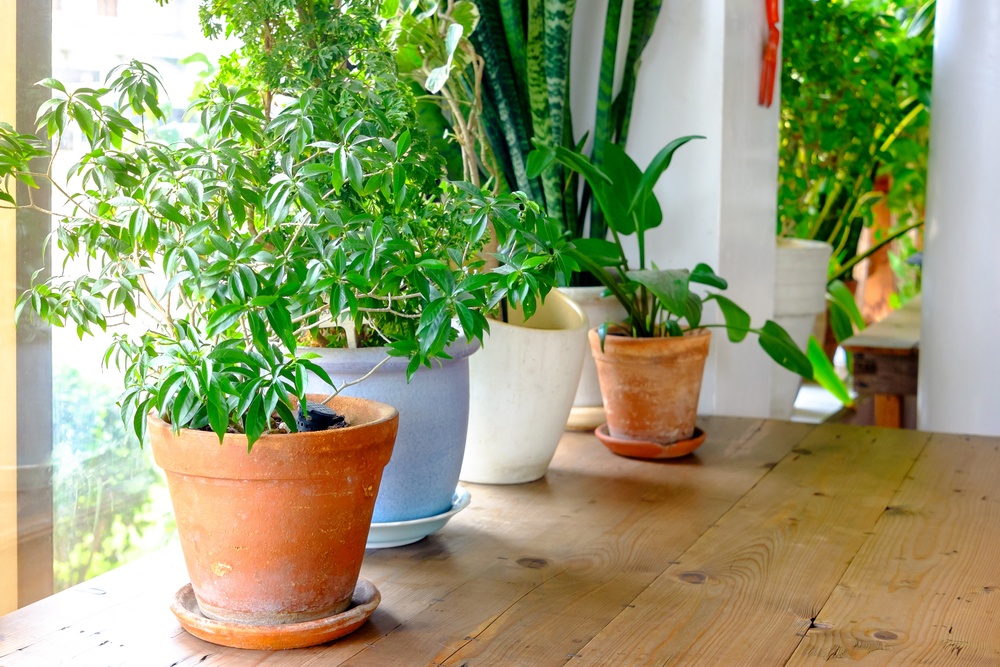
5 Benefits of Keeping Houseplants For many people, one of the most frustrating things about winter is trying to cope with how dreary the days can be. The beautiful flowers and green grass you see during the spring and summer are gone and the leaves have fallen off the trees, leaving little color to see when you go outside. While it’s too cold for many types of plants to grow outside during this time of year, houseplants are a  great way to get some exposure to that plant life that you miss so much.

Not only do houseplants make a beautiful addition to the home and help you feel more connected to nature, many studies have shown that houseplants can offer a wide variety of other benefits.

Improved Air Quality

By far, one of the biggest benefits to keeping houseplants is that they can help improve your home’s air quality. Not only do they generate fresh oxygen, one study conducted by NASA found that plants can remove upwards of 87% of toxic VOCs from the air, including formaldehyde and benzene. English ivy, spider plants, and snake plants are all excellent air purifiers while peace lilies can also help remove mold from the air. Improving the quality of air in your home will also help improve your overall health by reducing exposure to allergens and reducing the rate of colds.

Reduced Stress

Since plants are a part of nature, being around plants tends to have a very soothing and calming effect on people. Houseplants can help lower stress and anxiety while making you feel more optimistic, calm, and energized. Keeping stress and anxiety down can also have its health benefits, such as lower blood pressure.

Natural Humidifiers

Furnaces can cause air in the home to dry out, making dry air a very common nuisance during the winter. When air gets too dry, it can make your skin dry and irritate your throat. The way plants breathe causes them to release moisture back into the air, making them natural humidifiers. Boston Ferns are particularly effective in this regard.

Improved Productivity

If you have rooms in your house where you spend time when you’re trying to concentrate on things, like a home office or a study, houseplants may help you be more productive. Several studies have linked plants to sparking creative inspiration and improving concentration and memory. One study conducted by the Royal College of Agriculture in England found that students who were taught in rooms that contain plants had a 70% higher level of attentiveness. Another study by the University of Michigan found that exposure to plants can help improve memory retention by as much as 20%.

Practical Uses

Some types of plants can serve very practical purposes around the house. If you keep an indoor herb garden, you’ll have an easy and affordable way to add some flavor to your meals. Aloe Vera is another plant which can be grown indoors and can be used to help soothe the pain of burns.

5 Smart Hacks to Make Painting Easier

5 Smart Hacks to Make Painting Easier As far as home improvement projects go, few things will give you a big impact for a fairly low price the way painting does. Whether you want to change the look of an entire room or just want to liven up a piece of furniture, a little bit of paint makes a big difference around the house. Generally, painting is something that can be done without hiring a professional, but that doesn’t necessarily mean that painting is easy. Here’s what you can do to help solve some of the most common challenges that come along with painting.

Swiffer Your Walls

Prep work is a very important part of making sure you get the best results from your paint job. Washing your walls before you start painting gets rid of dust and dirt that could interfere with the finish. If you’re not able to start painting the same day you wash your walls or you just want to make sure your walls are as dust-free as possible, simply run a Swiffer Sweeper over your walls to get rid of any dust that’s still hanging around.

Rinse Brushes in Fabric Softener

Not all painting projects can be finished in one day, but trying to keep your brushes in good shape between painting sessions can be tricky. Even if you rinse a used brush out at the end of the day, it can still end up being stiff and very difficult  to work with the next day. To keep your brushes in good condition, all you have to do is rinse them out thoroughly with plain water, then put them in a mixture of warm water and fabric softener and move them around for about 10 seconds or so. This will help keep the bristles soft and functional. Make sure you either hang your brushes up to dry or lay them out flat. If you need to revive a brush that’s already covered in dried, hardened paint, soak them in vinegar.

Dropcloth Alternatives

Sometimes, those extremely lightweight plastic dropcloths you find at hardware stores are more hassle than they’re worth. They’re perfectly fine if you’re trying to protect large pieces of furniture, but when used on the floor, they’re easy to trip over, awkward to move around, and can get blown around when placed near a vent. But there are other ways you can protect your floor without the annoyance. Cardboard works very well, as do plastic tablecloths.

Wrap Your Brushes in Plastic

Painting can really take a lot of energy. If you need to take a break to get something to eat or to run to the hardware store for more supplies, you can keep your brushes and rollers in ready-to-use condition by simply wrapping them in a plastic bag and placing a rubber band around the handle to hold the bag shut.

Raising Individual Items

If you’re trying to paint something like a piece of furniture or a picture frame, you’ll need a way to raise the item off the ground or the surface of a table while you work. For very lightweight items, cut up egg cartons will do the trick nicely. If you’re painting something like a wooden chair, tapping nails into the ends of each chair leg will give you the extra elevation you need. Bed raisers work well, too, especially for heavier pieces of furniture.