
Blog

5 Benefits of Keeping Houseplants

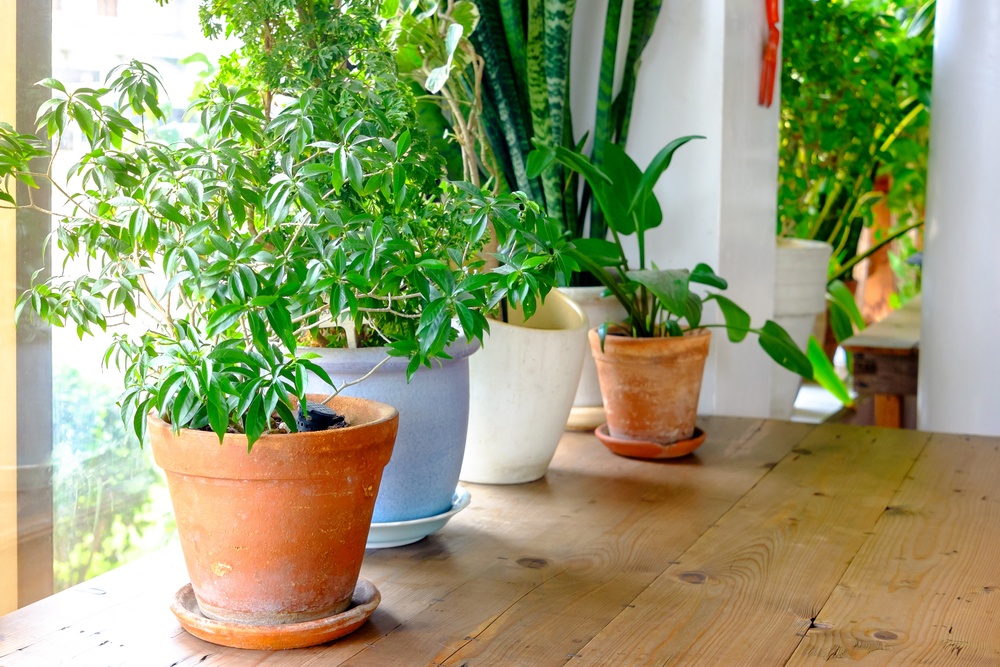
5 Benefits of Keeping Houseplants For many people, one of the most frustrating things about winter is trying to cope with how dreary the days can be. The beautiful flowers and green grass you see during the spring and summer are gone and the leaves have fallen off the trees, leaving little color to see when you go outside. While it’s too cold for many types of plants to grow outside during this time of year, houseplants are a  great way to get some exposure to that plant life that you miss so much.

Not only do houseplants make a beautiful addition to the home and help you feel more connected to nature, many studies have shown that houseplants can offer a wide variety of other benefits.

Improved Air Quality

By far, one of the biggest benefits to keeping houseplants is that they can help improve your home’s air quality. Not only do they generate fresh oxygen, one study conducted by NASA found that plants can remove upwards of 87% of toxic VOCs from the air, including formaldehyde and benzene. English ivy, spider plants, and snake plants are all excellent air purifiers while peace lilies can also help remove mold from the air. Improving the quality of air in your home will also help improve your overall health by reducing exposure to allergens and reducing the rate of colds.

Reduced Stress

Since plants are a part of nature, being around plants tends to have a very soothing and calming effect on people. Houseplants can help lower stress and anxiety while making you feel more optimistic, calm, and energized. Keeping stress and anxiety down can also have its health benefits, such as lower blood pressure.

Natural Humidifiers

Furnaces can cause air in the home to dry out, making dry air a very common nuisance during the winter. When air gets too dry, it can make your skin dry and irritate your throat. The way plants breathe causes them to release moisture back into the air, making them natural humidifiers. Boston Ferns are particularly effective in this regard.

Improved Productivity

If you have rooms in your house where you spend time when you’re trying to concentrate on things, like a home office or a study, houseplants may help you be more productive. Several studies have linked plants to sparking creative inspiration and improving concentration and memory. One study conducted by the Royal College of Agriculture in England found that students who were taught in rooms that contain plants had a 70% higher level of attentiveness. Another study by the University of Michigan found that exposure to plants can help improve memory retention by as much as 20%.

Practical Uses

Some types of plants can serve very practical purposes around the house. If you keep an indoor herb garden, you’ll have an easy and affordable way to add some flavor to your meals. Aloe Vera is another plant which can be grown indoors and can be used to help soothe the pain of burns.

5 Smart Hacks to Make Painting Easier

5 Smart Hacks to Make Painting Easier As far as home improvement projects go, few things will give you a big impact for a fairly low price the way painting does. Whether you want to change the look of an entire room or just want to liven up a piece of furniture, a little bit of paint makes a big difference around the house. Generally, painting is something that can be done without hiring a professional, but that doesn’t necessarily mean that painting is easy. Here’s what you can do to help solve some of the most common challenges that come along with painting.

Swiffer Your Walls

Prep work is a very important part of making sure you get the best results from your paint job. Washing your walls before you start painting gets rid of dust and dirt that could interfere with the finish. If you’re not able to start painting the same day you wash your walls or you just want to make sure your walls are as dust-free as possible, simply run a Swiffer Sweeper over your walls to get rid of any dust that’s still hanging around.

Rinse Brushes in Fabric Softener

Not all painting projects can be finished in one day, but trying to keep your brushes in good shape between painting sessions can be tricky. Even if you rinse a used brush out at the end of the day, it can still end up being stiff and very difficult  to work with the next day. To keep your brushes in good condition, all you have to do is rinse them out thoroughly with plain water, then put them in a mixture of warm water and fabric softener and move them around for about 10 seconds or so. This will help keep the bristles soft and functional. Make sure you either hang your brushes up to dry or lay them out flat. If you need to revive a brush that’s already covered in dried, hardened paint, soak them in vinegar.

Dropcloth Alternatives

Sometimes, those extremely lightweight plastic dropcloths you find at hardware stores are more hassle than they’re worth. They’re perfectly fine if you’re trying to protect large pieces of furniture, but when used on the floor, they’re easy to trip over, awkward to move around, and can get blown around when placed near a vent. But there are other ways you can protect your floor without the annoyance. Cardboard works very well, as do plastic tablecloths.

Wrap Your Brushes in Plastic

Painting can really take a lot of energy. If you need to take a break to get something to eat or to run to the hardware store for more supplies, you can keep your brushes and rollers in ready-to-use condition by simply wrapping them in a plastic bag and placing a rubber band around the handle to hold the bag shut.

Raising Individual Items

If you’re trying to paint something like a piece of furniture or a picture frame, you’ll need a way to raise the item off the ground or the surface of a table while you work. For very lightweight items, cut up egg cartons will do the trick nicely. If you’re painting something like a wooden chair, tapping nails into the ends of each chair leg will give you the extra elevation you need. Bed raisers work well, too, especially for heavier pieces of furniture.

Your Guide to Choosing Weatherstripping

Your Guide to Choosing Weatherstripping Anyplace an opening has been cut into a wall can become a source of drafts if it hasn’t been insulated correctly. Doors and windows can be a particularly big source of energy loss, especially if you have older windows and doors that aren’t very energy efficient. But even if you do have newer doors and vinyl replacement windows, adding weatherstripping is a great way to make sure your home stays as comfortable as possible all year long. According to Energy.gov, sealing air leaks can help reduce energy bills by as much as 20%.

If you already have weatherstripping on your doors and windows, you may need to replace it occasionally as it becomes worn over time. But whether you’re replacing your weatherstripping or installing it for the first time, there are many different types of weatherstripping out there and each of them has its pros and cons.

Adhesive Tapes

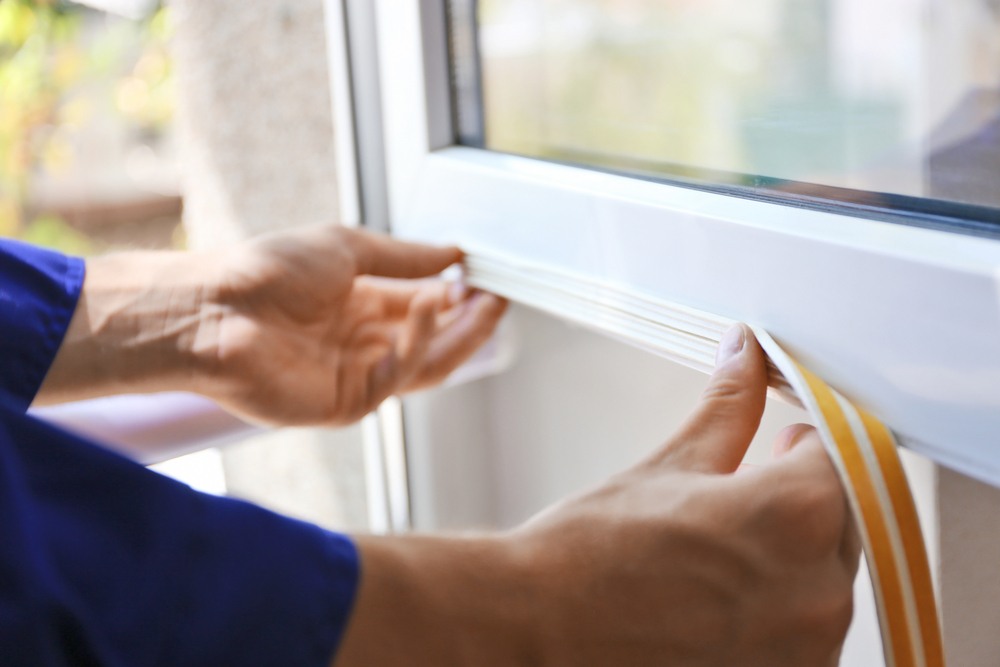
Adhesive tape weatherstripping is one of the most popular types of weatherstripping on the market. Best for use along the bottoms of doors, door and window jambs, and window sashes, this kind of weatherstripping is made of foam or rubber and has a strip of self adhesive strip on the back. You can easily find this kind of weatherstripping at any hardware store, it’s inexpensive, and it’s extremely easy to install. The biggest downside is that it tends to wear out fairly quickly and tends to need to be replaced every one to two years.

Felt

Like adhesive tape styles, felt weatherstripping is very inexpensive and easy to install. However, it requires a little more effort to install than adhesive type styles, often needing to be nailed, stapled, or glued into place. Felt weatherstripping is also the least effective type of weatherstripping available and tends to wear out quickly and get damaged pretty easily.

Tubular Rubber or Vinyl

If you have a door or window with a larger gap along an edge that other types of weatherstripping don’t seem to completely fill, tubular rubber and vinyl weatherstripping gaskets may be just what you need. Tubular rubber and vinyl weatherstripping is typically more expensive than felt or adhesive tape styles, but on the plus side, it’s also more durable and very efficient. You can generally get a few years of use out of this kind of weatherstripping, but over time, it can become brittle or crack.

V-Strips/Tension Seals

This type of weatherstripping is made out of plastic or metal shaped in a “V” formation to help bridge gaps. It works great when placed inside the tracks of double-hung and sliding windows, but also works along the tops and sides of doors. While not quite as easy to install as some of the other types of weatherstripping available, it’s still not too difficult to install. It’s also more expensive than many other types of weatherstripping (the exact price varies depending on whether you use plastic or metal), but it is very effective and durable.

Improving Your Home’s Curb Appeal During the Winter

Improving Your Home’s Curb Appeal During the Winter If you’re thinking of selling your home, you might feel like you have to wait until spring before you put your home on the market. There are plenty of articles out there that will tell you spring is the best time of year to sell you home, but ultimately, there people are looking to buy new homes all year long.

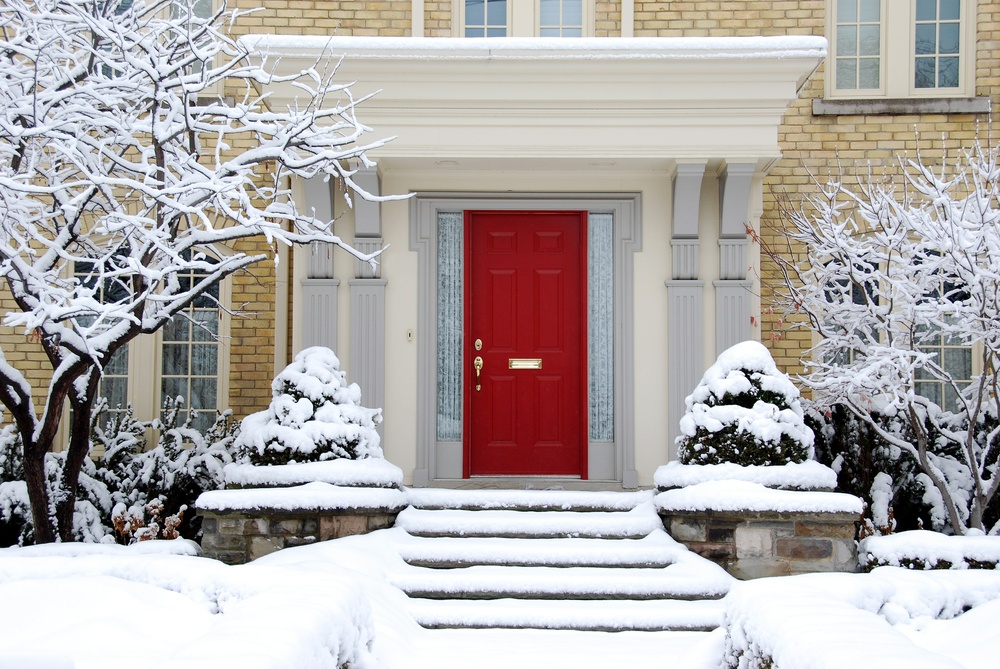
One reason why so many people feel like they should wait for spring or summer to list their home is because that’s when the grass is green and flowers are in bloom, giving the house’s exterior a natural lift. Since the exterior of your home is the first thing potential buyers see, curb appeal is a very important thing to consider, but improving your curb appeal isn’t impossible in winter. Here are a few things you can do to give your home’s exterior a boost, even on the coldest, snowiest day of the year.

Clear Your Walkways

Keeping your sidewalks and driveway clear of snow and ice will go a long way in helping to keep your home’s exterior looking nice. Not only does it show that you’re putting effort into maintaining your home, it makes your home look more inviting and people who are interested in your home won’t have to worry about slipping and falling if they were to make an appointment to look at your home.

Winter Plants and Flowers

Although you are a bit limited about what you can do with your yard during the winter, you do still have options. Many plants and flowers can handle the cold weather. Things like evergreen shrubs, holly, pansies, and camellias all bring a touch of color to the dreary winter landscape. If you don’t have any winter plants or flowers planted in the ground, potted plants will do the trick.

Exterior Lighting

Another challenge to selling your home during the winter is that there’s less daylight. Since many potential homebuyers look at the homes they’re interested in after they’re done with work for the day, that means they’ll most likely be visiting after the sun has gone down for the day. But well-planned exterior lighting can bring a lot of visual interest to your home and improve safety for your visitors. Consider using solar-powered lights to line the driveway and walkway to your home, getting a new porch light, or making sure the lamp post in your yard is in good working order.

New Front Door and Windows

Many people feel like getting a new exterior door or vinyl replacement windows are things that can only be done during the warmer months, but this isn’t true at all. If your exterior doors and windows have seen better days, replacing them is a very effective way to give your home’s exterior a boost. Replacing doors and windows can also help improve your home’s energy efficiency, which is something many people look for in new homes. Best of all, since companies that replace doors and windows tend to be less busy during the winter, they may be offering some great deals during this time of year.

Top Warning Signs You Need a New Furnace

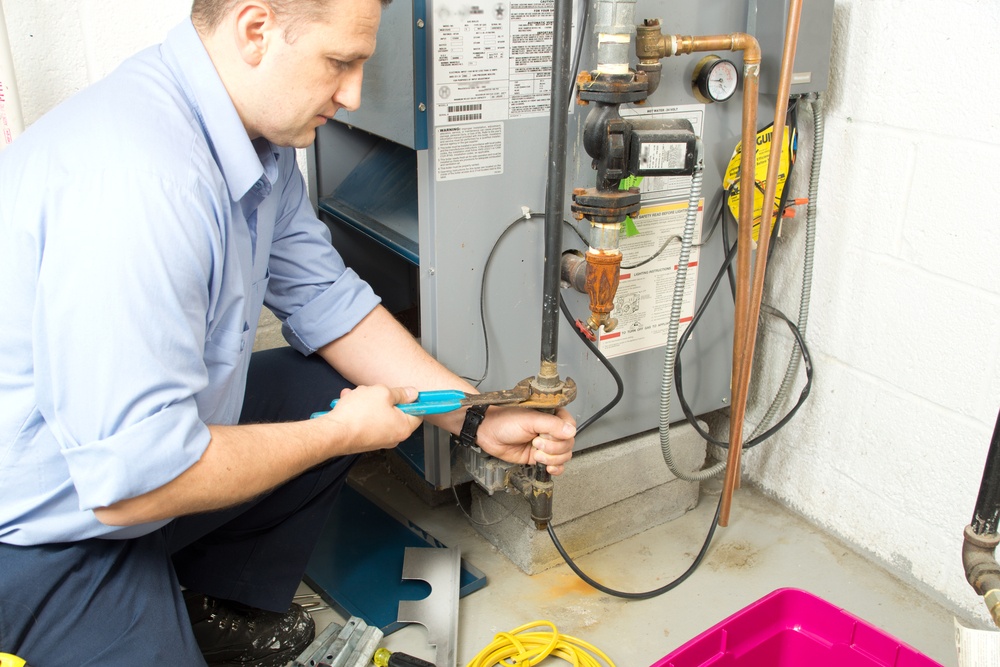
Furnace repairman repairing home furnace When the weather’s cold, you don’t want to be without your furnace. With a little maintenance here and there, your furnace will keep your home warm for a long time. But how do you know when it’s time to get a new furnace? Here are a few of the biggest warning signs that it’s time to think about getting a new one.

Age

How old is your furnace? Like all household appliances and fixtures, furnaces have an expected lifespan. On average, a furnace lasts anywhere from 15 to 20 years, so if your furnace is already in that age range or getting very close to it, it’s time to start planning for a new furnace in the not too distant future.

High Heating Bills

There are many different reasons why your energy bills might be higher than you’d like them to be, such as you don’t have enough insulation in your home or your windows and doors are drafty. But if you’ve gone through your home and taken steps to make your home more energy efficient by adding weatherstripping, having more insulation installed, or getting new vinyl replacement windows, but you still aren’t seeing the results you want, your furnace might be the problem. If you have an older furnace, it might not be as energy efficient as a newer model is. Over time, furnaces also tend to stop operating at their peak performance levels, meaning they have to work harder to produce the same results.

Frequent Service Calls

Over the past couple of years, has your furnace broken down so many times that you’ve gotten to be on a first-name basis with your service technician? While an occasional service call here and there is to be expected, furnaces tend to break down the most frequently in the last couple of years of their useful life. Of course, you can always just keep repairing your current furnace, but after a certain point, it may be easier and more affordable for you to get a new furnace.

Your Home Is Unevenly Heated

When a furnace is running correctly, your house should pretty consistently be the same temperature from room to room. But if you notice that some rooms are considerably warmer or colder than others, there could be an issue that’s preventing your furnace from evenly heating your home. If you’re having this problem with an older furnace, it’s often a sign that it’s time to get a new furnace.

Unusual Sounds

It’s perfectly normal for a furnace to make some noise when it’s running, but noises like rattling, screeching, popping, banging, or grinding are not the kinds of things you should be hearing. Those types of noises are a big red flag that your furnace needs attention and, depending on the problem, may need to be replaced.

Signs of Carbon Monoxide

Old, failing furnaces can leak dangerous carbon monoxide into your home. Since carbon monoxide is colorless and odorless, it’s entirely possible for you to have dangerous levels of carbon monoxide in your home without even realizing it. Your best bet is to keep a carbon monoxide detector by your furnace, but there are other signs that your furnace is giving off carbon monoxide. If you look at the pilot light and the flame is yellow instead of blue, that’s a big sign. You might also see condensation accumulating on walls and windows, soot marks near the furnace or rust on the furnace’s pipes. If you have a fireplace, you might also notice that there isn’t an upward draft in your chimney.