
Blog

Your Guide to Choosing Weatherstripping

Your Guide to Choosing Weatherstripping Anyplace an opening has been cut into a wall can become a source of drafts if it hasn’t been insulated correctly. Doors and windows can be a particularly big source of energy loss, especially if you have older windows and doors that aren’t very energy efficient. But even if you do have newer doors and vinyl replacement windows, adding weatherstripping is a great way to make sure your home stays as comfortable as possible all year long. According to Energy.gov, sealing air leaks can help reduce energy bills by as much as 20%.

If you already have weatherstripping on your doors and windows, you may need to replace it occasionally as it becomes worn over time. But whether you’re replacing your weatherstripping or installing it for the first time, there are many different types of weatherstripping out there and each of them has its pros and cons.

Adhesive Tapes

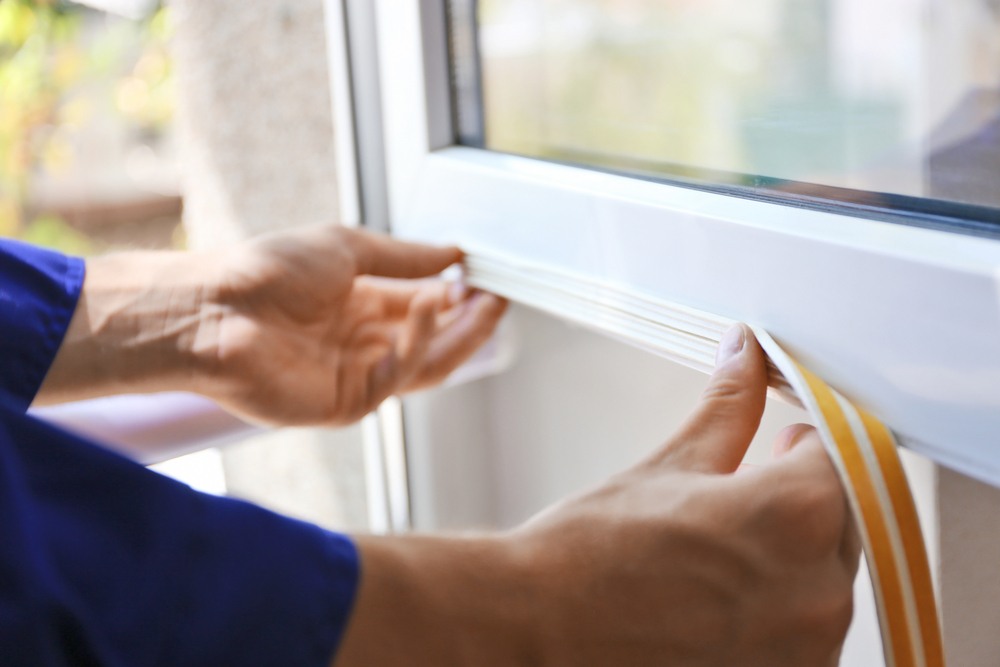
Adhesive tape weatherstripping is one of the most popular types of weatherstripping on the market. Best for use along the bottoms of doors, door and window jambs, and window sashes, this kind of weatherstripping is made of foam or rubber and has a strip of self adhesive strip on the back. You can easily find this kind of weatherstripping at any hardware store, it’s inexpensive, and it’s extremely easy to install. The biggest downside is that it tends to wear out fairly quickly and tends to need to be replaced every one to two years.

Felt

Like adhesive tape styles, felt weatherstripping is very inexpensive and easy to install. However, it requires a little more effort to install than adhesive type styles, often needing to be nailed, stapled, or glued into place. Felt weatherstripping is also the least effective type of weatherstripping available and tends to wear out quickly and get damaged pretty easily.

Tubular Rubber or Vinyl

If you have a door or window with a larger gap along an edge that other types of weatherstripping don’t seem to completely fill, tubular rubber and vinyl weatherstripping gaskets may be just what you need. Tubular rubber and vinyl weatherstripping is typically more expensive than felt or adhesive tape styles, but on the plus side, it’s also more durable and very efficient. You can generally get a few years of use out of this kind of weatherstripping, but over time, it can become brittle or crack.

V-Strips/Tension Seals

This type of weatherstripping is made out of plastic or metal shaped in a “V” formation to help bridge gaps. It works great when placed inside the tracks of double-hung and sliding windows, but also works along the tops and sides of doors. While not quite as easy to install as some of the other types of weatherstripping available, it’s still not too difficult to install. It’s also more expensive than many other types of weatherstripping (the exact price varies depending on whether you use plastic or metal), but it is very effective and durable.
Improving Your Home’s Curb Appeal During the Winter

Improving Your Home’s Curb Appeal During the Winter If you’re thinking of selling your home, you might feel like you have to wait until spring before you put your home on the market. There are plenty of articles out there that will tell you spring is the best time of year to sell you home, but ultimately, there people are looking to buy new homes all year long.

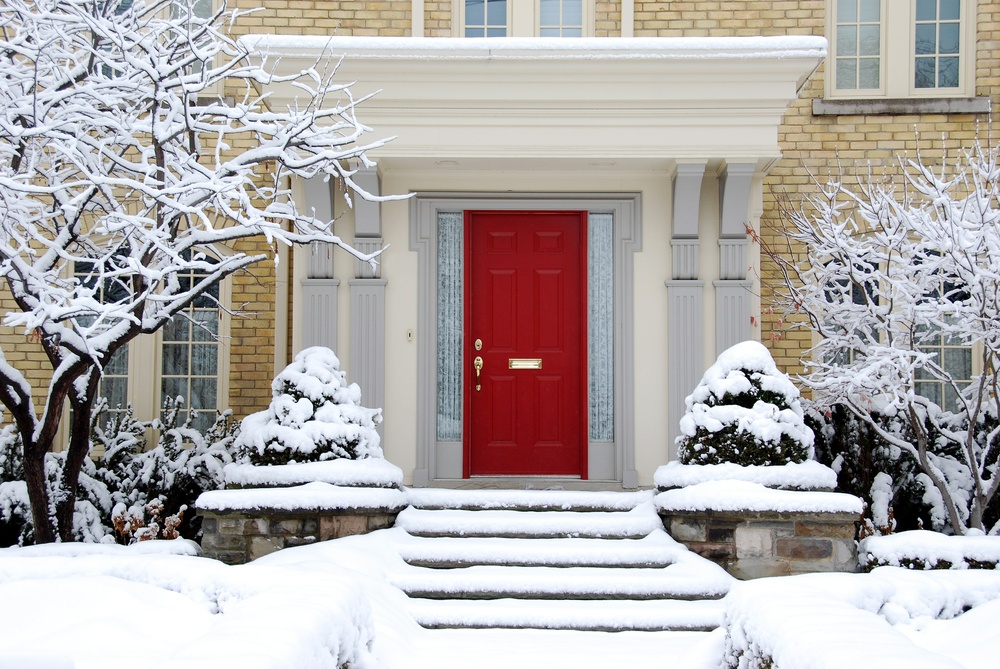
One reason why so many people feel like they should wait for spring or summer to list their home is because that’s when the grass is green and flowers are in bloom, giving the house’s exterior a natural lift. Since the exterior of your home is the first thing potential buyers see, curb appeal is a very important thing to consider, but improving your curb appeal isn’t impossible in winter. Here are a few things you can do to give your home’s exterior a boost, even on the coldest, snowiest day of the year.

Clear Your Walkways

Keeping your sidewalks and driveway clear of snow and ice will go a long way in helping to keep your home’s exterior looking nice. Not only does it show that you’re putting effort into maintaining your home, it makes your home look more inviting and people who are interested in your home won’t have to worry about slipping and falling if they were to make an appointment to look at your home.

Winter Plants and Flowers

Although you are a bit limited about what you can do with your yard during the winter, you do still have options. Many plants and flowers can handle the cold weather. Things like evergreen shrubs, holly, pansies, and camellias all bring a touch of color to the dreary winter landscape. If you don’t have any winter plants or flowers planted in the ground, potted plants will do the trick.

Exterior Lighting

Another challenge to selling your home during the winter is that there’s less daylight. Since many potential homebuyers look at the homes they’re interested in after they’re done with work for the day, that means they’ll most likely be visiting after the sun has gone down for the day. But well-planned exterior lighting can bring a lot of visual interest to your home and improve safety for your visitors. Consider using solar-powered lights to line the driveway and walkway to your home, getting a new porch light, or making sure the lamp post in your yard is in good working order.

New Front Door and Windows

Many people feel like getting a new exterior door or vinyl replacement windows are things that can only be done during the warmer months, but this isn’t true at all. If your exterior doors and windows have seen better days, replacing them is a very effective way to give your home’s exterior a boost. Replacing doors and windows can also help improve your home’s energy efficiency, which is something many people look for in new homes. Best of all, since companies that replace doors and windows tend to be less busy during the winter, they may be offering some great deals during this time of year.

Top Warning Signs You Need a New Furnace

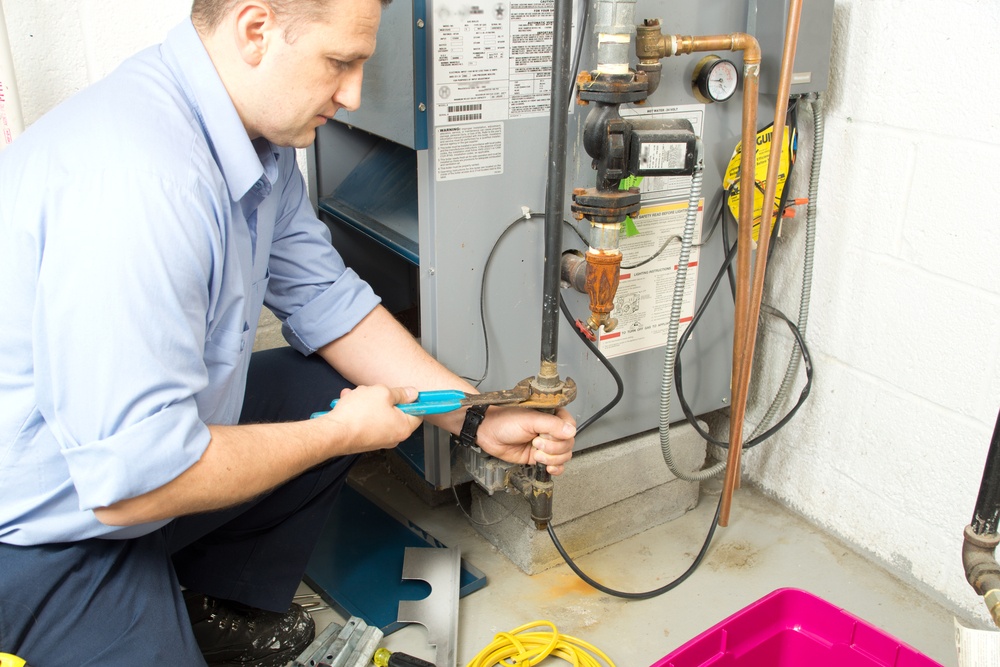
Furnace repairman repairing home furnace When the weather’s cold, you don’t want to be without your furnace. With a little maintenance here and there, your furnace will keep your home warm for a long time. But how do you know when it’s time to get a new furnace? Here are a few of the biggest warning signs that it’s time to think about getting a new one.

Age

How old is your furnace? Like all household appliances and fixtures, furnaces have an expected lifespan. On average, a furnace lasts anywhere from 15 to 20 years, so if your furnace is already in that age range or getting very close to it, it’s time to start planning for a new furnace in the not too distant future.

High Heating Bills

There are many different reasons why your energy bills might be higher than you’d like them to be, such as you don’t have enough insulation in your home or your windows and doors are drafty. But if you’ve gone through your home and taken steps to make your home more energy efficient by adding weatherstripping, having more insulation installed, or getting new vinyl replacement windows, but you still aren’t seeing the results you want, your furnace might be the problem. If you have an older furnace, it might not be as energy efficient as a newer model is. Over time, furnaces also tend to stop operating at their peak performance levels, meaning they have to work harder to produce the same results.

Frequent Service Calls

Over the past couple of years, has your furnace broken down so many times that you’ve gotten to be on a first-name basis with your service technician? While an occasional service call here and there is to be expected, furnaces tend to break down the most frequently in the last couple of years of their useful life. Of course, you can always just keep repairing your current furnace, but after a certain point, it may be easier and more affordable for you to get a new furnace.

Your Home Is Unevenly Heated

When a furnace is running correctly, your house should pretty consistently be the same temperature from room to room. But if you notice that some rooms are considerably warmer or colder than others, there could be an issue that’s preventing your furnace from evenly heating your home. If you’re having this problem with an older furnace, it’s often a sign that it’s time to get a new furnace.

Unusual Sounds

It’s perfectly normal for a furnace to make some noise when it’s running, but noises like rattling, screeching, popping, banging, or grinding are not the kinds of things you should be hearing. Those types of noises are a big red flag that your furnace needs attention and, depending on the problem, may need to be replaced.

Signs of Carbon Monoxide

Old, failing furnaces can leak dangerous carbon monoxide into your home. Since carbon monoxide is colorless and odorless, it’s entirely possible for you to have dangerous levels of carbon monoxide in your home without even realizing it. Your best bet is to keep a carbon monoxide detector by your furnace, but there are other signs that your furnace is giving off carbon monoxide. If you look at the pilot light and the flame is yellow instead of blue, that’s a big sign. You might also see condensation accumulating on walls and windows, soot marks near the furnace or rust on the furnace’s pipes. If you have a fireplace, you might also notice that there isn’t an upward draft in your chimney.

Know Your Styles of Windows

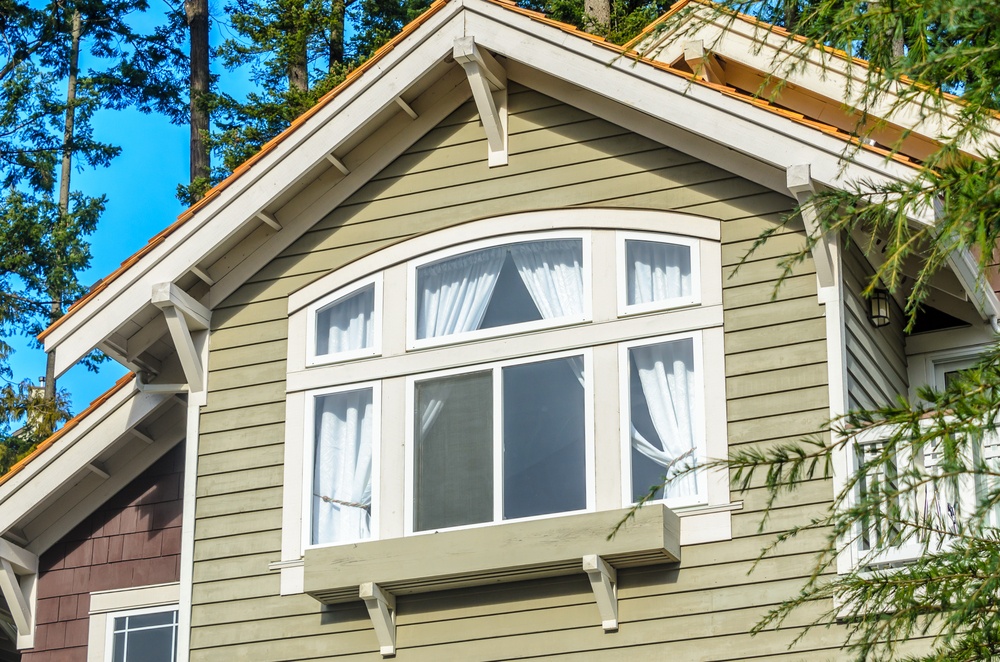
Picture window in upper level of house Well-maintained, high quality windows can easily last for decades, but sooner or later, the time will come for you to think about replacing them. Regardless if it’s been a long time since you last got new windows for your home or if this is a first time project for you, it can be easy to feel a little overwhelmed by all the styles of vinyl replacement windows out there. Don’t worry! Here’s what you need to know about some of the most common styles of windows.

Double-Hung Windows

Double-hung windows are one of the most popular styles of window on the market right now. Unlike single-hung windows where only one half of the window can be opened, both sashes of double-hung windows are operable, giving you a lot of control over the ventilation in your home. Many double-hung windows are designed to tilt inward, making it very easy to clean both sides of the glass.

Picture/Fixed Windows

Picture windows are perfect for any room of the house where you want to let natural light in and enjoy the view. Unlike other types of windows, picture windows do not open, which is why you might also hear them referred to as “fixed windows.” Since picture windows don’t open, they’re very low maintenance since you don’t have to worry about moving parts breaking. The fact that they don’t open also means they’re the most energy efficient style of window.

Picture windows look great by themselves, but many homeowners like to use picture smaller  picture windows to enhance other windows, such as by placing a half-circle shaped picture window over a rectangular window which opens.

Bay and Bow Windows

Bay and bow windows are very similar, but not exactly the same. Both styles of windows extend outward, allowing more light to enter the room and help make a room feel larger and more open. Bay windows typically consist of three main panes of glass and the panes on either side of the center window placed at a defined angle. Bow windows, on the other hand, have more window panes, but form a more softly-curved shape than bay windows.

Bay and bow windows both can create space for a window seat, but since bay windows consist of fewer window panes, they offer a more unobstructed view. Regardless of which style you prefer, both styles suit many different types of architectural styles and help improve your home’s curb appeal.

Casement Windows

If you like to get lots of fresh air in your home, you might be a big fan of casement windows. While many other styles of windows open either vertically or horizontally, casement windows have hinges on the side and open outward like a door, allowing you to let lots of air in. Because of the unique way they open, casement windows are a very energy efficient option since the window sash is pressed flat against the window frame when closed, forming a nice, tight seal. Casement windows are also a very secure style of window because their locks are placed in a way that makes it very difficult for burglars to break into them.

Garden Windows

Do you like to keep plants around your house? If so, a garden window would make a perfect addition to your home. Garden windows are similar to bay windows, but they tend to be smaller in size, have side panes that meet the center pane at a 90 degree angle, and have a top pane which angles downward toward the center pane. The side panes can be opened outward like casement windows to let in fresh air. Since garden windows extend outward, they create a nice shelf on the inside of a room to place plants. Garden windows can be installed anywhere in the home, but are most commonly placed in kitchens above sinks.

Hopper and Awning Windows

Like casement windows, hopper and awning windows are both types of windows that open by moving outward. But while casement windows have hinges on the vertical sides of the windows, hopper and awning windows have hinges on the horizontal sides. Hopper windows have hinges on the bottom of the window while awning windows are hinged at the top.

Dealing With Frozen Pipes

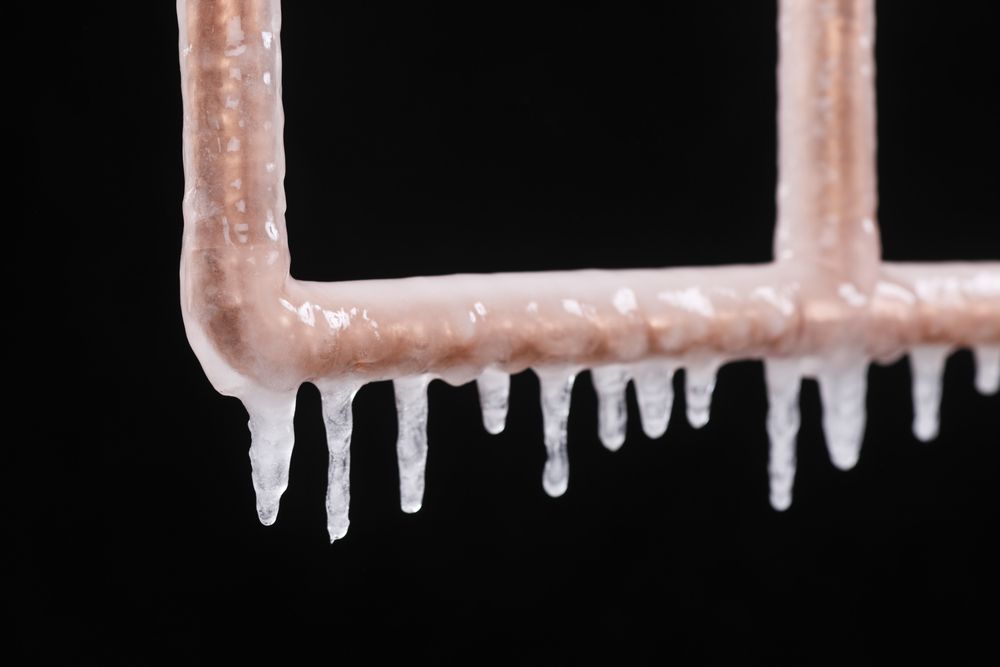
Frozen pipes with icicles hanging off When you wake up on a cold, snowy day, the last thing you want to discover is that you have a frozen pipe. Not only are frozen pipes a huge inconvenience, they can potentially burst and cause thousands of dollars worth of water damage to your home. But if you live in a colder climate, odds are that you’ll have to deal with a frozen pipe at some point in your life. So, what can you do about them?

Thawing a Frozen Pipe

When you realize a pipe has frozen, the first thing you need to do is turn off the water supply to the pipe, but leave the faucet open so that the frozen water will have a place to go when it melts. Now it’s time to start thawing out that pipe. Never use anything like a torch, kerosene or propane heater, or or anything with an open flame to thaw a frozen pipe. Instead, use things like a hair dryer, a space heater, or an electric heating pad to warm the pipe up. Keep applying heat to the area until water is able to move through again and turn the main water supply back on.

In many cases, frozen pipes can be dealt with without having to call a professional to take care of them. But if you’ve tried thawing the pipe out and it still won’t work or you think a pipe located behind a wall has frozen, calling a plumber may be the best solution. If a pipe has burst after freezing, turn off the water supply and call a plumber to help.

Preventing Frozen Pipes

If the weather forecast is predicting very cold temperatures and you’ve had problems with your pipes freezing before, one of the best things you can do is turn the faucet on so just a trickle of water is running through. Having just a small amount of water moving through the pipes will help prevent them from freezing. If the pipes that freeze tend to be in the kitchen or bathroom, keep the thermostat turned up at night and open up your cupboards to allow the warmer air to reach the pipes.

When pipes freeze, they’re most commonly pipes located along exterior walls, in unheated areas like crawl spaces, or where the water line comes into your home through the foundation. Adding insulation in these areas can help prevent freezing, but you may also want to consider applying heating cable or tape to these pipes for a more effective way to keep them working properly. Are you planning on taking a vacation this winter? Make sure you keep your thermostat set to at least 55℉ while you’re gone and leave the cabinet doors open so your pipes (hopefully) won’t freeze while you’re away. If you’re planning on being away for a more extended amount of time, you may want to shut off your home’s water supply just to play it safe.