
Blog

Giving Your Home an Energy Audit

Giving Your Home an Energy Audit You know that improving your home’s energy efficiency is important, but with so many different ways you could go about doing that, it can be hard to know where to begin. Should you add insulation, get vinyl replacement windows, or buy an adjustable thermostat? All of these can help make your home more energy efficient, but are they things you really need to do? If you want to pinpoint the best steps to take to make your home more energy efficient, the best way to figure it out is by giving your home an energy audit.

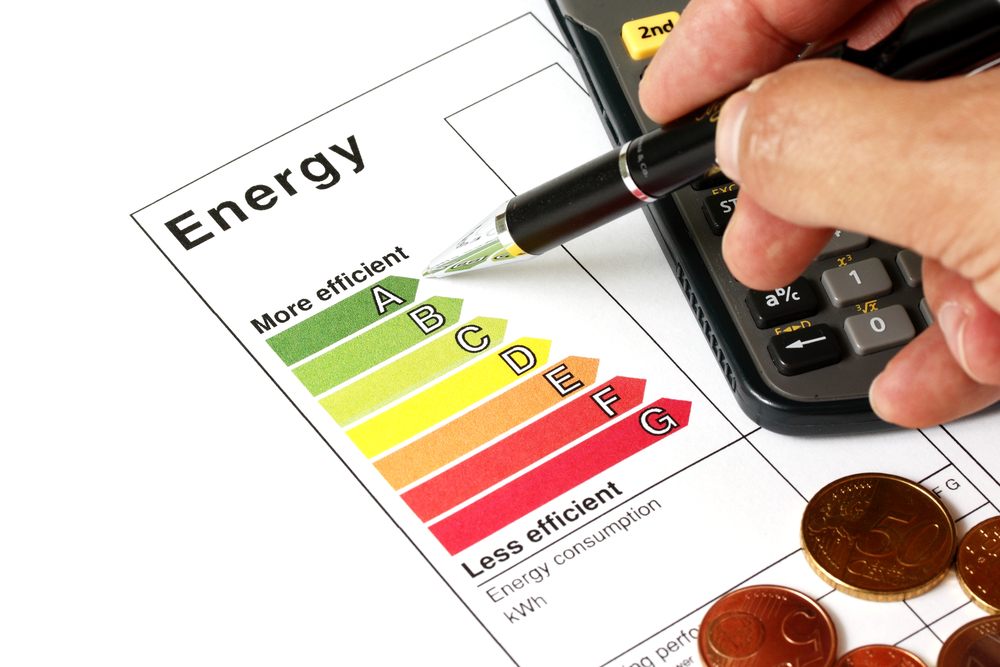
During a home energy audit, you inspect your home for things like drafts and evaluate your electricity usage. If you take steps to solve the problems found in your energy audit, you may be able to save between 5% and 30% on your energy bills.

One of the best ways to start your energy audit is by looking for drafts or air leaks. These most commonly occur in areas where openings are cut into walls or ceilings, such as around exterior doors, windows, electrical outlets, openings where phone or cable wiring enter the house, and skylights. Drafts also can happen around baseboards, mail slots in doors, and where a chimney meets the side of your house. To find these drafts, look for things like visible gaps and worn caulking or weatherstripping. You could also try (carefully) moving a lit candle along areas where drafts commonly form. If you see the flame flicker, you know you’ll have found a draft. Ideally, this should be done on a cool, windy day to make any existing drafts more evident. Things like worn caulk or weatherstripping can easily be fixed, but if your windows are simply old and not very energy efficient by nature, completely replacing them may be your best bet for bigger energy savings.

Getting an idea of how much energy is being used by your appliances, electronics, and lighting is a very important part of an energy audit. But looking at your energy bills only shows you how much energy you used in total, not how much each specific item used, which makes it difficult to see exactly where you can make improvements. To help you get an idea of how much energy some common household items use, energy.gov has an energy usage calculator that may be useful. Some appliances have information about energy usage printed somewhere on the product. But if you aren’t able to find an exact number about how much energy something uses, getting an electricity usage monitor from a hardware store can help you figure it out.

Checking your home for air leaks and evaluating your energy usage are excellent steps to take, but if you want a more extensive inspection, you might want to hire a professional to do an energy audit for you. A professional energy auditor will come to your house with all sorts of specialized tools that will allow them to perform a more thorough inspection than the average person is able to do on their own.

During a professional energy audit, the auditor will come to your house equipped with things like infrared cameras and several different types of gauges to find sources of energy loss that you may have missed. A professional energy auditor will also be able to perform a blower door test, which lowers the interior air pressure in your home and makes it easier for the auditor to figure out where air escapes through. They’ll also check your home’s insulation to make sure you have enough. In addition to their thorough room-by-room inspection, a professional energy auditor will also ask to see your recent energy bills and ask you questions about your home in general to help them get a better understanding of your home and its energy usage patterns.


Add Color to Your Yard With These Fall Flowers

Add Color to Your Yard With These Fall Flowers If you enjoy working in the yard, the end of summer can feel almost anticlimactic. After spending so much of your spring and summer planning, planting, and maintaining your garden, it can be a let down to see the peak gardening season come to an end. But not all flowers wither and fade away after Labor Day or when the leaves start to change colors. In fact, many plants and flowers thrive in fall weather conditions and don’t start to bloom until later in the summer. Here are just a few plants that can keep your garden looking beautiful all through fall.

Chrysanthemum

Chrysanthemums are easily one of the most quintessential fall flowers. They come in many different colors, but the varieties that have vibrant yellow, bronze, red, or orange coloring look spectacular with all the fall color. If you live in an apartment or don’t have a large yard to work in, chrysanthemums can work just as well in a container like a window box as they do planted in the ground. If planted early enough in the year, chrysanthemums will have enough time for roots to gain strength to help them survive the cold weather and come back next year.

Aster

Pinks, blues, and purples may not be traditional fall colors, but these are some of the colors of aster flowers and they don’t start coming into full bloom until late August, bringing a lovely touch of color to gardens late in the season. Aster is a very versatile flower and looks great when planted next to a wide variety of other plants. Another reason why many gardeners love aster is because they’re very attractive to bees, butterflies, and other pollinators.

Perennial Sunflower

The perennial sunflower doesn’t grow as tall or as large as regular sunflowers, but they do stand out during the fall. Perennial sunflowers look more like daisies than they do regular sunflowers, but they still have those bright yellow petals which looks great during the fall months.

Sedum

Sedum is frequently called “Autumn Joy” for very good reasons. It’s a plant that can easily survive all year long, but it doesn’t start to bloom until late summer or early fall. It’s an excellent plant to use as edging and also be used in planting containers. Sedum typically has a pink or burgundy color that deepens as the blooms mature, providing an excellent pop of color. Best of all, sedum is an extremely low maintenance plant that can grow in lots of different environments.

Marigold

Marigolds aren’t as hardy as many other fall flowers and plants, but they do come in the classic fall colors, which still makes them a popular choice for fall gardens. They tend to do well in the types of soil conditions that come later in the summer and early in fall. If you’re looking to add some marigolds to your garden, you may be able to get better prices on them later in the year since they are annuals and nurseries are looking to sell as many remaining annuals while they still can still be enjoyed.

Toad Lily

For a more unusual type of fall flower, you may want to look for toad lilies.Its petals have a speckled appearance that helps it stand out from many other types of fall flowers. These flowers grow well in shaded areas and may look delicate, but they can handle the sudden drops in temperature that often happen during the fall months.

Avoid These Common Curtain Mistakes

Avoid These Common Curtain Mistakes Curtains are a wonderful addition to your vinyl replacement windows. They make a decorative statement, add privacy to a room when you need it, and the right types of curtains can even help improve energy efficiency. Curtains are fairly simple household items, but choosing the right ones and hanging them up correctly can be surprisingly complicated. Many homeowners have a hard time finding the right ones and getting them placed just right.

Choosing Curtains Last

When you’re planning to redecorate a room, it can be easy to make choosing the right wall color your top priority. But since paint can be purchased in any color you can imagine, it’s much easier to choose your curtains first and plan your paint colors around them. Many homeowners make the mistake of making curtains one of the last things they buy for a room, thinking they’ll easily be able to find curtains to go with their decor, only to realize it’s not quite as easy as it sounds.

Overlooking Your Curtain Rod

Since curtains are such a large focal point of a room, it can be easy to put all your energy into choosing the right curtains and make the curtain rod an afterthought. However, your curtain rod is very important. The placement, size, and type of curtain rod you use will all make a difference in how your curtains look. When you’re looking for a curtain rod, consider the type of curtain you have. For example, if you have heavier curtains, you’ll need a curtain rod that’s sturdy enough to support the weight of them. Or if you have curtains with grommets at the top, you’ll need a rod that will work well with those.

Unless you’re hanging a valance, curtains should be hung closer to the ceiling than to the top of your window frame. Many designers recommend that curtain rods be placed at about two-thirds of the height between the top of the window and the ceiling. This helps make ceilings seem taller, which can be particularly nice if you’re dealing with a rather small room.

You’ll also want to consider the width of your curtain rod. You curtain rod shouldn’t be the exact width of your window, it should be about 10 to 12 inches wider. That way, your windows will look larger and your curtains won’t block your view when they’re opened.

Measure Carefully

One of the most common mistakes people make when choosing curtains is that they only measure the size of the window the curtain will be covering. While this is certainly something you’ll want to be aware of, the curtain will be covering more than just the area of the window and you’ll need to account for that. Curtains that are too short look awkward and ones that are too long can be a magnet for dirt and pet hair. If they’re too wide, they’ll block your window when pushed to the sides and they’ll look proportionately strange if they aren’t wide enough.

To measure your window for curtains, measure the width of your window and double that number. If you want a little extra fabric to work with, you may want to multiply the width of your window by 2.5 instead. As for length, don’t forget to account for the height of your curtain rod! If your curtains are the right size and your curtain rod is placed correctly, your curtains should come no more than an inch above the floor.

Get Rid of Wrinkles

Once you’ve finally found some curtains you love, it can be tempting to hang them up as soon as you get them home. But brand new curtains will inevitably have some wrinkles when they’re straight out of the package. Don’t just expect the wrinkles to fall after being hung for a while. Unless your curtains have an intentionally crinkled texture to them, iron or steam your curtains first to get rid of the wrinkles. It may not be a particularly fun chore, but it will help your room look much neater in the end. In some cases, wrinkles might interfere with the way your curtains hang.

Taking Care of Your Yard in the Fall

Taking Care of Your Yard in the Fall Now that summer is winding down, you might think that it’s time to cut back on the yard work. On the contrary, the fall months are actually a crucial time of year when it comes to lawn care. The things you do to take care of your lawn now can keep your lawn healthy throughout the winter and help get it ready to look amazing next year.

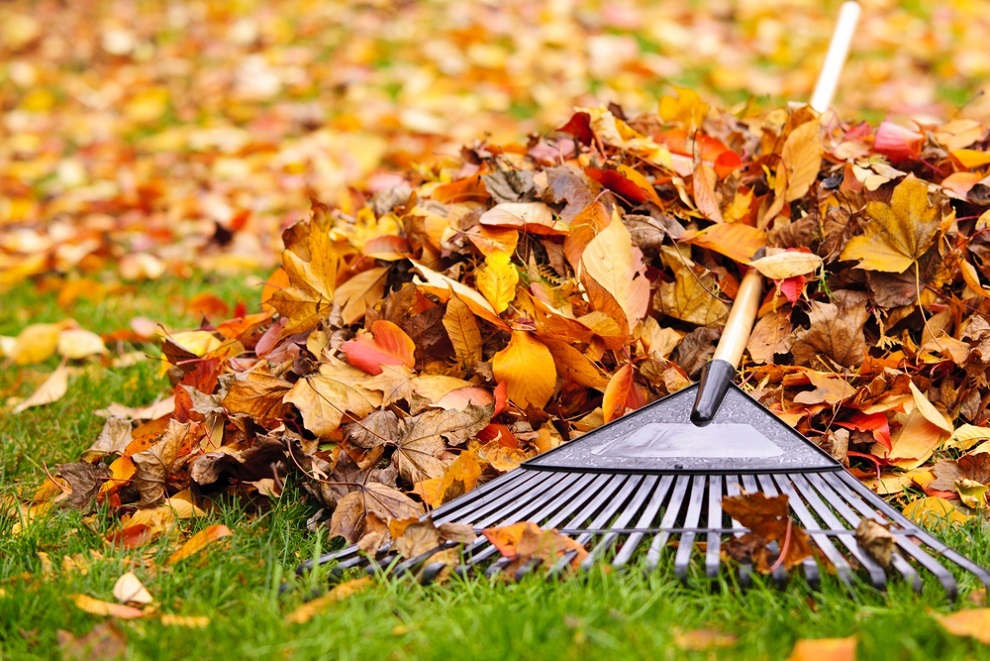
Once leaves start falling, it’s very important that they be raked up regularly. Raking isn’t always a fun chore, especially if you have a large yard full of trees, but getting rid of fallen leaves is essential to keeping your lawn healthy. Fallen leaves will prevent sunlight from getting to the grass underneath and will trap the moisture in that comes from dew and rainfall. If that moisture is left trapped underneath the leaves for too long, it can cause problems like mold and fungus growth.

If your lawn has some spots where the grass is looking a little thin or the soil has become compacted, perhaps a result of spending lots of time in the yard with your family over the summer, now is an excellent time to act. Fall weather is perfect for filling in bare spots around your lawn, whether it’s with seed or sod. Since there tends to be plenty of rainfall and more moderate temperatures, these conditions tend to encourage growth. And if your soil has become compacted, aerating your lawn will help oxygen and other nutrients reach the roots of your grass.

After aerating your lawn, you may want to have your lawn fertilized. Many lawn care experts believe that fall is actually the best time of year to have your lawn fertilized since the roots of your grass are still growing at very strongly, even if the visible grass blades are not growing as quickly anymore. By fertilizing your lawn in the middle or late fall, you’re giving it the extra nutrients it needs to survive the cold winter and come back strongly in the spring.

Don’t be too eager to put away the lawn mower or the sprinkler just yet! If grass is allowed to grow too long, it can get matted down under the weight of fallen leaves and snow, which is another thing that can lead to mold growth on your lawn. But cutting your lawn too short isn’t necessarily healthy for your lawn, either. During the fall months, you want to keep your grass about 3 inches long. Continue mowing your lawn until the first major frost of the year.

As for watering your lawn, how often you should do that depends on how much rain you’re getting. If you’re getting at least an inch of rainfall every week, you don’t need to do anything more. But if you’re dealing with an unusually warm, dry fall, your sprinklers will need to make up for the lack of rain, so keep them around until around Halloween.

When you’re out taking care of your lawn, don’t forget the other things in your yard. Trees and bushes often need to be trimmed back to prevent them from being damaged by snow and ice over the winter. Be sure to go through your garden and get rid of the annual plants that have lived their life and cut back the your perennials so they’ll be ready to grow back next year. And once it’s time to retire the lawn mower and the sprinklers for the year, don’t forget to have them winterized. Make sure you turn off the water going to your outdoor faucets, drain the remaining water from them, and put the hoses away.

6 Home Projects You Should Always Hire a Professional For

6 Home Projects You Should Always Hire a Professional For Home repairs can be expensive and when you’re on a budget, it can be tempting to save some money by doing your own repair work. In many cases, this is a great idea. Plenty of repair projects are simple enough for someone with a little basic knowledge and the right tools to handle on their own. Unfortunately, not all projects are quite so easy. Some types of home repair projects are too complicated or dangerous for even an experienced DIY-er to do.

Demolishing a Wall

Knocking down a wall might not seem like a difficult task and you might even think it looks like fun, but you’ll definitely want to at least consult a professional before you break out the sledgehammer. If you accidentally take out a load-bearing wall, it’s going to cause structural problems in your home that will be much more expensive than it would have been to hire someone to remove the wall for you. Even if a wall isn’t load bearing, you don’t want to start knocking a wall down only to discover the wall was hiding electrical wiring or components of your plumbing system. Accidentally damaging any of these can also easily result in more expensive repairs than you anticipated.

Installing Doors, Windows, and Skylights

Installing an interior door might be easy enough to manage by yourself, but exterior doors, windows, and skylights are another story. Since these things separate your home from the elements, it’s extremely important to make sure they are installed correctly, otherwise you might end up with leaks that drive up your energy bills or cause costly water damage. One of the most common reasons why people decide to get new exterior doors or vinyl replacement windows is to get rid of drafts and doors and windows that aren’t properly installed won’t solve those problems.

Skylights are a particularly DIY-unfriendly project since not only do you run the risk of installing them improperly, the fact that you need to spend time on the roof makes installing them inherently more dangerous. You’ll also have to cut an opening in your roof, which can cause larger, more expensive problems if not done correctly.

Anything That Would Disturb Lead Paint or Asbestos

If you live in a home built before 1978, there’s a good chance you have lead paint or asbestos somewhere in your home. If you’re planning a project that would disturb lead paint, such as knocking a wall down or cutting an opening into a wall, you’ll need to call a professional to make sure the job is properly handled to prevent you and your family from being harmed by the paint.

At one time, asbestos was widely used in many items that went into homes like insulation and flooring tiles. But since we now know asbestos can cause a multitude of health problems if not handled correctly, there are many laws regarding how to safely handle and remove it. If you’re planning a project that could disturb asbestos in your home, leave it to a professional. When asbestos isn’t removed properly, it not only can be harmful to you, it can be dangerous to other people who live in your home, visitors, neighbors, and more.

Major Plumbing and Electrical Wiring Repairs

While some types of plumbing and electrical repairs can easily be done by yourself, like fixing a leaking faucet or replacing a light switch, anything more complicated is probably be best handled by a trained professional. Improper electrical wiring can easily start a fire and plumbing work that goes wrong can easily cause thousands of dollars in water damage.

Removing a Large Tree

Trees can make a great addition to any yard, but if the tree is no longer healthy, it’s best to have it removed. But cutting down a large tree is much easier said than done. You not only have to use power saws while working at a high elevation, falling branches can damage your house, other property, or even injure someone. Your city might even have ordinances about how trees need to be removed. In any case, calling a professional to get rid of that problematic tree will save you a lot of headaches.

Making Changes to the Gas Line

Need to replace your water heater? Want to trade out your electric stove for a gas-powered one? Both of these projects would involve working with your home’s gas line, which can be a recipe for disaster if not done correctly. Rather than facing the risk of explosions or carbon monoxide leaks, leave any chore that involves your home’s gas line to someone who has been trained and is licensed to work with gas lines.