
Blog

Improving Garage Security

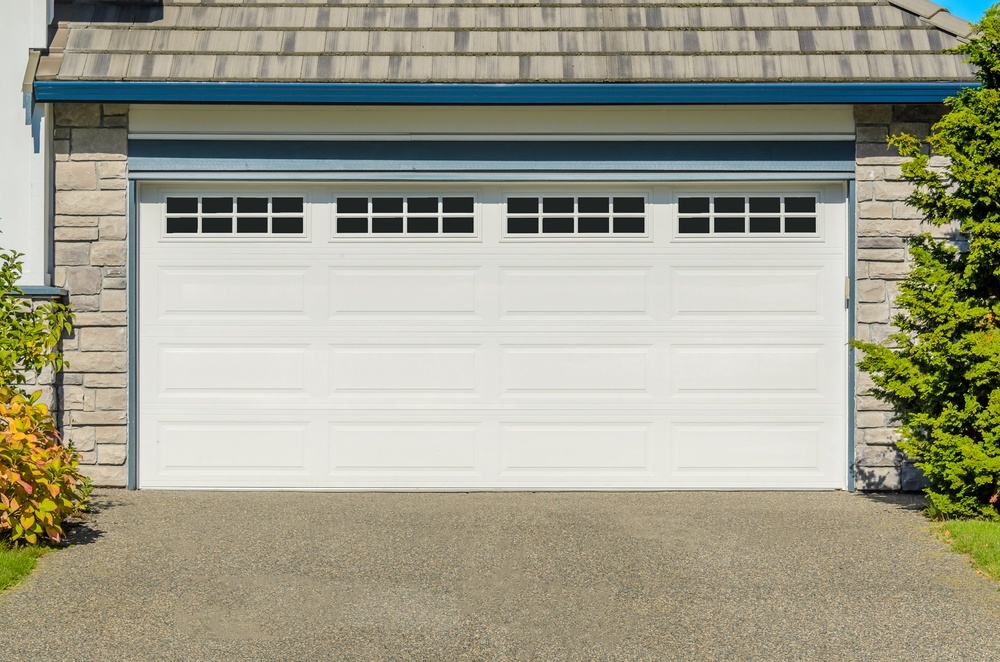
Improving Garage Security When it comes to improving your home’s security, the first places you’ll probably think to start are your home’s doors and windows. But if you’re looking for ways to make your home more secure, one place that shouldn’t be overlooked is your garage. 9% of burglars access homes through the garage, so if your home has an attached garage, keeping your garage secure should definitely be a top priority. Even if your garage is detached, making sure it’s secure will help protect expensive things like tools, sporting equipment, and your car.

First of all, if your garage is attached to the house, it’s extremely important to make sure the door leading to your home is very secure. Always keep this door locked and deadbolted. If this door is getting a bit old, replacing it with a new steel exterior door will help give your home an added security boost.

Do you have an automatic garage door opener? If so, do you know how old it is? If your garage door opener was made before 1999, you might want to consider replacing it with a newer model. Newer garage door openers have more advanced security features than older models. Not able to replace your garage door opener system right now? If you have an opener that uses a series of dip switches to create a unique code that’s set on both your opener and its remote, simply changing that combination could help boost your security. When many people got those types of door openers, they never changed the default combination, which is a fact that many burglars are aware of. If a burglar has a garage door opener that happens to work with your system, they can get in very easily as long as the combination is on the default settings.

If you’re in the habit of leaving your garage door opener in your car, it’s time to break the habit. If someone breaks into your car while it’s sitting in your driveway, you’ll be making the burglar’s job incredibly easy. Even if someone breaks into your car while it’s in a parking lot away from home, many people leave things in their cars that have their home address printed on it. Many newer garage door openers have remotes that conveniently attach to your key ring so you don’t have to worry about carrying anything extra with you when you go in the house.

Try to keep your garage door closed as much as possible. The last thing you want to do is show the entire neighborhood what things you keep in your garage. Remember, it only takes a few seconds for a thief to run up and grab something from your garage if you leave your garage door open unattended!

Last, but certainly not least, remember that many of the same things you do to improve security in the rest of your home will also help make your garage more secure. Many garages have a side door, so make sure that door is always locked. Use curtains or blinds to cover your windows or apply a film that will make it harder to see in through them. Make sure the windows are securely locked. Consider installing motion-activated lights on the outside of your garage. If you have a home security system installed in the rest of your home, make sure it includes the garage as well. If your garage door isn’t in such great condition, you may want to think about replacing it with a new one. With these steps, your garage will be well protected!


Dealing With a Cracked or Broken Window

Dealing With a Cracked or Broken Window It’s never a good thing to have a broken window in your home, but if you ever find yourself with one, it might not be possible to have it fixed immediately. A repairman might not be able to come out right away or if your budget’s tight, you might not be able to have it repaired right away. But that doesn’t mean you have to worry about drafts and other elements getting into your home in the meantime!

If you only have a small crack or chip in your window, you’re in luck! You might be able to patch it up and prevent the crack from spreading by using items you might already have around the house. Small cracks or chips can often be filled in with clear nail polish, super glue, or clear shellac. In many cases, this can fill in window cracks well enough to be almost completely invisible and you won’t even need to have the entire pane of glass replaced. Just remember to apply it in thin layers and let each layer dry completely before applying a new one.

For cracks that are a bit too large to be patched up with nail polish, ordinary packing tape could do the trick. Simply apply the tape to both sides of the window pane, being very careful not to apply too much pressure and cause more damage to the window. It may not be the most attractive solution and it certainly wouldn’t be a long-term fix, but it would at least help keep drafts and rain out until you’re able to have the pane of glass in your window replaced.

For windows that have larger holes in them, start by removing any loose pieces of glass from the pane and from the area surrounding the window, being very careful not to cut yourself in the process. Once you’re done, measure how large the area is that you need to cover up. With a smaller hole, simply tape a piece of heavy duty plastic, such as a piece of a tarp or a thicker garbage bag that’s been cut to be slightly larger than the hole, to the window pane.If the window has more extensive damage, you might want to use a piece of plywood or heavy duty plastic to cover up the entire window. If you have vinyl replacement windows, use tape to attach the plastic to the frame. For wood windows, you can use a staple gun to attach the plywood or plastic to the window’s frame.

Determining the Right Price for Your Home

Determining the Right Price for Your Home One of the hardest things about getting your home ready to sell is figuring out what you want your home’s asking price to be. Trying to determine the value of a home is no easy task since the value of a home depends on many different factors such as its size, features, location, condition, and the real estate market in your area.

If you’ve made some improvements to your home or property values in your neighborhood have increased since you moved in, you’ll certainly want to be sure you’re not selling yourself short. But if you set your asking price too high to begin with, which many homeowners often do just to see if anyone will be willing to pay that much, you run the risk of your home staying on the market longer than it should. The longer a home stays on the market, the harder it is to sell and more its price tends to come down. One study from 2013 found that homes that sell within their first week on the market typically sell for over the asking price whereas homes that spent four months on the market sold for 11.53% less than than the original asking price.

Before you put your home on the market, here are a few ways to help you set the right price for your home.

Have Your Home Appraised

One problem many homeowners run into when trying to price their home is that they overestimate the value of certain improvements they made. Not all home renovations and improvements have a particularly good return on investment. Things like adding a swimming pool or a backup power generator actually tend to have a rather low return on investment. And while there are lots of home improvements that do have an excellent return on investment, like new vinyl replacement windows or a new steel front door, it’s still important to determine the right value of your improvements.

Many homeowners also have a tendency to add a little more to their home’s asking price because of their own sentimental attachment to the home. Having an appraiser come out and evaluate your property is definitely one of the best ways to get an accurate, unbiased idea of what your home is really worth. While many real estate websites like Zillow will provide estimates of a home’s value, it’s not always the most accurate or reliable source of information.

Talk to a Real Estate Agent

Even if you’re thinking of selling your home yourself, talking to a real estate agent or two about a comparative market analysis (CMA) could be very valuable. This will provide you with information like the prices that similar homes in your area have recently sold for, comparable homes in your area that are currently for sale, and some homes that were recently removed from the market because they didn’t sell. This type of information about what the real estate market is currently like will be very helpful in giving you guidance about what your home’s price should be.

Remember How People Search for Homes

When most home buyers look for homes, they typically search online by entering a price range in round amounts, like $150,000 to $200,000. If your home is appraised at an amount that’s very close to a round number, such as $202,000, asking $200,000 instead might actually work more in your favor. A person who is looking to spend up to $200,000 on their new home might be willing to consider one just slightly over that amount, but they simply won’t see those listings if they search by setting the maximum amount at $200,000. Asking just a tiny bit less might be worthwhile if it helps your home sell faster by making it visible to a wider audience.

Protecting Your Home from Storm Damage

Protecting Your Home from Storm Damage After a long, dreary winter, the weather that comes with the spring and summer seasons can be a very welcome change of pace. Unfortunately, while spring and summer can be full of warm, sunny, beautiful days, they can also bring about some severe weather. These months can be full of strong thunderstorms that cause high winds and flooding. And while tornadoes can happen at any time of the year, they tend to happen more frequently during the spring and summer in many parts of the country.

Severe weather often strikes quickly, without giving homeowners much time to get ready. This is why it’s so important to make sure your home is prepared for storms ahead of time. Here are a few ways to make sure your home is prepared!

Check Your Trees

Trees can be a beautiful addition to any yard, but if you’re not careful, tree branches can easily cause lots of damage during a storm. If you have a tree that has some branches that are very close to your home or the roof. trim those branches back a bit. Keep an eye out for branches that appear to be unhealthy or are coming loose from the tree and remove them as needed. If a tree in your yard has a large branch that is starting to come loose, a storm could easily remove that branch all together and cause thousands of dollars of damage to your home, your car, or your neighbor’s property.

Watch for Basement Flooding

Few problems strike fear into the hearts of homeowners quite the way flooding does. Even if you’ve never had a problem with flooding in your basement, keep in mind that 20% of flood insurance claims are made by people who live in low flood risk areas. A small amount of water getting into your home can easily cause huge amounts of damage and most homeowners insurance policies do not cover flood damage. If you have cracks in your basement wall that water could get in through or have seen very small amounts of water coming into your basement when it rains, you may want to contact a basement waterproofer to see what they recommend for your home. This is one situation where an ounce of prevention can save you a lot of money and headaches later on.

Inspect Your Roof and Siding

Once the weather starts warming up, it’s a good idea to inspect your home’s roof and siding to make sure there aren’t any shingles or sections of siding that have come loose. Strong winds can easily grab loose shingles or pieces of siding and send them flying, making your home more vulnerable to damage from the storm. Of course, you’ll also want to keep an eye out for signs that your roof might have a leak.

Protect Windows and Doors

Regardless if you have vinyl replacement windows or wood windows, the panes of your windows can potentially be damaged by storms. One way to protect your windows from severe weather is by installing storm shutters. If a storm is headed your way, all you’ll have to do is close your shutters to have an added layer of protection. If you live in an area that tends to get a lot of tornadoes or storms that cause high winds, you may also want to consider having impact-resistant exterior or garage doors installed.

Secure Outdoor Items

Many people have things like lawn furniture, kids’ toys, gardening tools, and grills in their yard. While these things can be useful or fun on a nice day, they can easily be picked up by strong winds and cause expensive damage to your property during a storm. Since storms can happen so suddenly, it’s best to keep as many things in your yard secured as possible. Make sure any gardening tools are put back in the shed or garage as soon as you’re done using them. If you have kids  who like to play outside, encourage them to put outdoor toys like balls and bikes away when they’re done playing with them. If you see a storm looming, try to quickly move things like lightweight lawn furniture and grills (larger, heavier grills are usually okay to leave alone) to a place where they won’t be damaged.  

By taking these easy steps, your home will be prepared to handle the storms that often come up during this time of year. Have a safe summer!

What You Should Know About Building Permits

What You Should Know About Building Permits When you’re ready to start a home improvement or renovation project, it’s understandable that you might want to get started right away. But before you do any work on your project, one of the best things you can do is check to see if your project requires a building permit. Getting a building permit is just one of many steps in the home improvement process and the cost of getting one is something that many homeowners often forget to consider before planning a project. So when many people discover they need a permit, they’re often tempted to just skip the permit, do the work anyway, and hope nobody will notice.

Regardless if you’re doing a project yourself or hiring a contractor, building permits are required for many types of home improvement projects. As annoying as it can be to realize you need a permit for a project, it’s very important to get one. Building permits help to protect you and your family since the work being done will be inspected to ensure it meets local building code standards and that your home will still be safe and structurally sound.

Building codes vary from city to city and some cities are more restrictive than others. The only way to find out for sure whether or not you need a project for your job is to contact your local building department and ask. Generally speaking, you mainly need permits for anything that could have an impact on your home’s overall structure, involves altering your home’s electrical or plumbing systems, and some types of roofing changes. Cosmetic changes generally don’t require a permit since they won’t have an impact on your home’s structure.

There are many projects where you don’t need a permit in some circumstances, but need them in others. For example, having new vinyl replacement windows installed doesn’t typically require a permit. But if you wanted to enlarge a window, that would most likely require a permit since it  would involve making changes to the wall. Building codes can also change so frequently that even contractors have a hard time keeping up with all the changes. This is why it’s so important to contact your local building department before you start working.

The time it takes to find out whether or not you need a permit and to get one is time well spent. If your city finds out you’ve had work done without getting a permit, you may have to pay to get a permit retroactively, which can be expensive and difficult to do since you may have to do something like have walls opened up for work to be inspected. You may also need to have the work removed or pay to have the job done again correctly.

Even if you think you can get away with it, unpermitted work is very frequently discovered when a person tries to sell their home and a buyer has an inspection done. If you’re trying to sell your home and unpermitted work is found, it’s a bad thing for many reasons. The buyer might back out of the deal or you may need to have the job redone before you can sell the home. Or the buyer might still be willing to buy, but they might not be willing to pay as much for your home. In any case, getting the permits first will save you a lot of trouble in the long run.