
Blog

Taking Care of Your Sprinkler System

Taking Care of Your Sprinkler System If you want to have a yard full of lush, green grass and beautiful flowers, you’re going to have to put a lot of time and effort into taking care of your yard. Depending on how big your yard is, making sure everything is being watered properly can be one of the most time consuming yard maintenance tasks on your list.

When you have a larger yard, simply setting one sprinkler, the kind your kids might like to play around in, on your lawn for a little while probably won’t be enough to get the job done. Having a sprinkler system would be a much more efficient way to make sure your yard is being watered adequately. No need to be constantly moving a single sprinkler around or wandering around the yard with a hose; you can just turn your sprinkler system on and let it do the work for you. You can even set it to run on a timer, if you want.

Since your sprinkler system can be such a valuable tool, you’ll want to be sure to maintain it to keep it in good working order. Once springtime rolls around and your lawn doesn’t have any snow on it, turn your sprinkler system on for a little while and see if you notice any problems like low water pressure or if any sprinkler heads are out of alignment or not working at all. Since it’s been awhile since you last used your sprinkler system, it’s good to give it a test run before you get into the peak summer watering season. Sometimes, sprinkler heads can get clogged or moved out of alignment, causing them to either not work optimally or spray in a less-than-ideal direction. If you notice any of these problems, fix them and you should be good to go. Also, be sure to take a look at each sprinkler head to make sure they’re all even with the ground when the system is off so that nobody trips over them. If you notice any problems with low water pressure and it’s not because your sprinkler heads are clogged, you might have a leak somewhere in your system.

During the summer, be sure to keep an eye on your sprinkler system and test it every now and then just like you did in the spring to make sure everything is still working correctly. You might notice that one area is getting too much water, or maybe not enough water, so you should readjust your sprinkler heads as needed. Be sure to keep an eye out for spots that constantly seem to always be wet since this could be a sign of a leak.

Since your sprinkler system could be damaged if water is left in the line and freezes, you should always have your sprinkler system winterized when the weather starts getting colder, before the end of November. Winterizing your sprinkler system will drain the water from the system so that there’s nothing left inside to freeze. If you call an irrigation specialist, they’ll come out and winterize your system for a fairly low price and save you hundreds of dollars in damage once spring comes around again.

The Pros and Cons of Tankless Water Heaters

Pros and Cons of Tankless Water Heaters On any given day, how much time do you spend thinking about your home’s water heater? Odds are, you don’t typically give it much thought at all. As long as you’re getting the hot water you need, it can be easy to forget your water heater is even there. But as soon as your water heater starts having problems or quits working altogether, it’s the kind of problem you can’t possibly ignore.

Water heaters typically last about 10-15 years and if you’ve reached the point where it’s time to replace your water heater, one option you might be considering is a tankless water heater. Traditional tank water heaters are still very popular, but tankless water heaters have become more popular in America in recent years thanks to their energy efficient nature. Since heating water is one of the most expensive parts of your home’s utility bill, it’s easy to see how finding a way to make getting hot water more efficient could be appealing.

Traditional storage tank water heaters work by storing water in a tank and heating it there so it’s ready to go when you need it to take a shower, do laundry, or wash dishes. As the name suggests, tankless water heaters don’t use a tank to store water. Instead, tankless water heaters work by heating water right on the spot with a heating element in the water heater. Since you’re only heating water when you need it, you aren’t losing money on standby energy losses that are very common with traditional storage tank water heaters.

Another big advantage of tankless water heaters is that they can produce hot water for as long as you need it. You could spend over an hour in the shower if you wanted to and you wouldn’t run out of hot water, you’d just have to wait a few seconds for water to warm up in the beginning. However, one of the biggest disadvantages of tankless water heaters is that they put out fewer gallons per minute than traditional storage tank water heaters, which could be a problem if you tend to do things like have the dishwasher and the washing machine running while you’re in the shower. In fact, tankless water heaters tend to be most efficient if you typically have rather low water consumption levels.

One of the nice things about tankless water heaters is that they take up much less space than more traditional water heaters do. They’re small enough that some people will go as far as to install multiple water heaters throughout the house so that, for example, their washing machine has its own water heater. Although this might sound like a great solution for the problem of tankless water heaters putting out less water per minute than other types of water heaters, this brings us to the biggest problem with tankless water heaters -- they’re expensive. According to Consumer Reports, tankless water heaters can cost between $800 and $1,150, while tank water heaters only cost about $300-$400.

Tankless water heaters can also require more maintenance than other types of water heaters. With a traditional storage tank style of water heater, all you really have to do is drain some of the water in the tank a couple times a year to help get rid of sediment and check the anode rod every few years. But tankless water heaters can be prone to limescale and calcium buildup and many people will recommend having it checked out annually to keep it running correctly. Depending on how hard your water is, a water softener could help prevent things like lime and calcium buildup, but that’s an added expense you’d have to account for.

Get Your Heating Bills Under Control With a Programmable Thermostat
Lady programming thermostat Get Your Heating Bills Under Control With a Programmable Thermostat

If you’re looking for ways to cut down on your home’s heating and cooling bills, one of the most common tips you’ll find is to adjust your thermostat throughout the day -- turn the heat down during or the air conditioner up during the summer, turn them back up or down only when you’re actually at home, and turn them up or down again when it’s time for bed. In theory, this is a great idea since your furnace or air conditioner won’t be working as hard to heat or cool the house when you’re not actually home or aren’t actively up and moving around the house.

According to Energy.gov, turning your thermostat down by 7℉-10℉ for 8 hours a day can help you save up to 10% on your energy bills every year. But if you’re not used to constantly adjusting your thermostat, it can be very easy to forget to change it before you leave the house so you might not reduce your bills as much as you’d like.

Programmable thermostats can give you the energy-saving benefits of adjusting your thermostat throughout the day while taking out the work of having to manually adjust it yourself. All you have to do is program it to adjust to certain temperatures at certain times of the day. You also won’t have to worry about coming home to a cold home and having to wait for it to heat up again because you can always program the thermostat to start warming things up again a little while before you get home.

All you have to do is set it to tell it what time you want the temperature to change. There are different types of programmable thermostats out there that you can set depending on what type of schedule would work best for you. A 5-1-1 programmable thermostat will let you have one schedule on weekdays and different schedules for Saturdays and Sundays while 5-2 models will let you have one schedule for weekdays and a different schedule for weekends. These models are great if your schedules tend to be pretty consistent. But if you have a more irregular schedule, a 7-day model thermostat will let you program a different schedule for each day of the week. Some types of programmable thermostats can even be adjusted through a computer or smartphone app so you’ll be able to adjust your thermostat if needed, even when you’re not at home.

If your home has zoned heating and cooling, programmable thermostats can be very nice to have. Is there someone in your home who is always freezing while there’s another person who is always too hot? If you have zoned heating, you can easily program their bedrooms to be at different temperatures so they’re both comfortable. Are there certain rooms in your house, such as an extra guest bedroom, that doesn’t get used very often? A programmable thermostat can keep those rooms consistently cooler (or warmer, depending on the time of year) than the other rooms in the house.

Benefits of Vinyl Windows

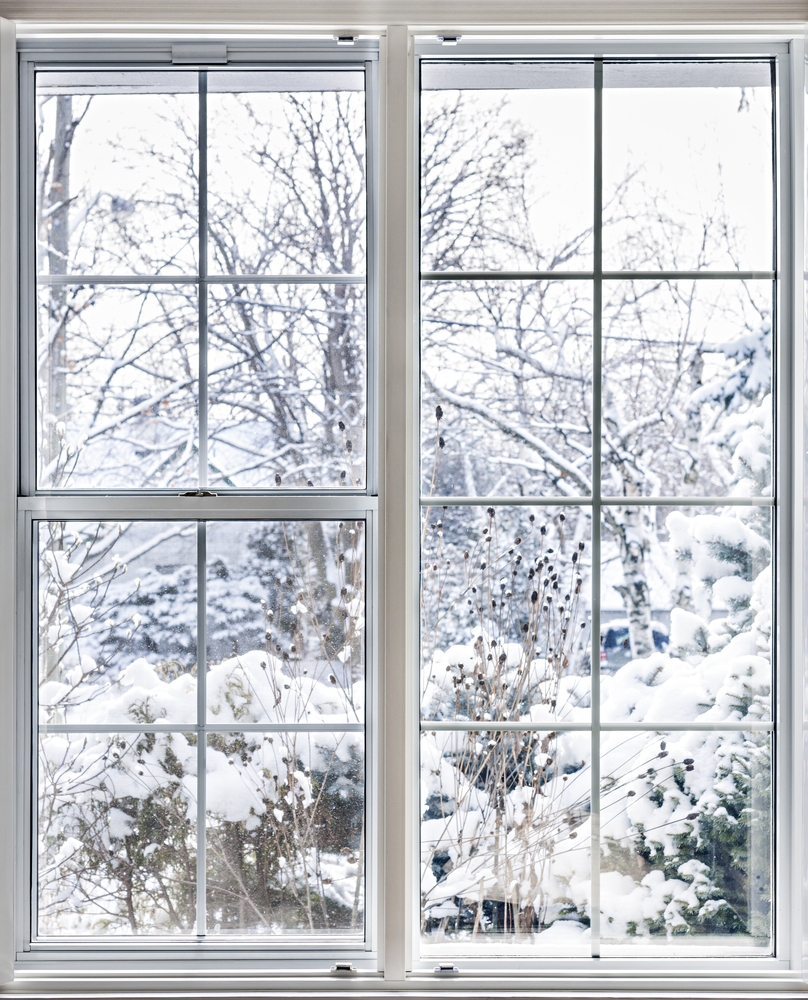
Vinyl window Benefits of Vinyl Replacement Windows

The time has come for you to replace your windows, but which type of window should you choose replace them with? There are several different types of replacement windows you can choose from, with vinyl replacement windows being one of the most popular options. It’s easy to understand why they’re such a hit with homeowners when they have so many great benefits to offer.

Less Maintenance

If your current windows are wood windows, or you’ve lived in a home with wood windows before, you know exactly how much effort you have to put into keeping them in good condition. Wood windows need to be scraped and painted or stained regularly to stay in good shape. They’re also prone to warping and wood rot. Many people feel like wood windows are just more effort than they really want to deal with and would prefer a type of window that doesn’t need so much attention.

If this is the case for you, vinyl replacement windows are an excellent choice. They’re easy to clean, don’t need to be painted or stained, and you won’t have to worry about the damage that can happen to wood if it comes into contact with moisture.

Save Money on Heating and Cooling

Nobody really wants to spend more money than they have to on their heating and cooling bills. We all have more important (and more fun) things to spend our hard-earned money on. Making your home as energy efficient as possible not only saves you money, it’s better for the environment, too. Aluminum windows are another popular type of replacement window, but vinyl windows are more effective at helping keep your home warm since vinyl doesn’t conduct heat like aluminum does so you won’t have to worry about your window frames leading heat out of your home.

More Affordable

Replacing the windows in your home can be a pretty big investment, but just how big of an investment it is can depend on which type of windows you get. On average, vinyl windows tend to be more affordable than other options. But just because they’re less expensive than other types of windows, that doesn’t mean you’re sacrificing quality at all. Vinyl windows are very durable and with proper care, can last for decades.

Lots of Options

Many people are under the impression that if you get vinyl replacement windows, you’ll be stuck with either white or beige for the color of your trim. Nowadays, there are a lot more window trim color options available. You can even get trim with a faux wood veneer if that’s what you want! Vinyl replacement windows can also be custom made to fit your windows so you’ll never have to worry that your window is too big, too small, or too oddly shaped to be a good candidate for vinyl replacement windows.

Easy Ways to Improve Your Home's Security

"Beware of the dog" sign Easy Ways to Improve Your Home’s Security

One of the last things any homeowner wants to discover is that their home has been broken into. Your home is your sanctuary and having an intruder can be deeply unsettling, so home security is a top priority for many homeowners. Fortunately, many of the best things you can do to improve your home’s security aren’t very time consuming or even very expensive.

Check Your Doors and Windows

When it comes to finding ways to get in your home, burglars aren’t all that creative -- your doors and windows will be the first places they look.

Your home’s front door and first floor windows will be a burglar’s first targets, so stay diligent about locking them and make sure there’s nothing nearby that could help them get in. Overgrown shrubbery, for example, can offer a great place for a burglar to hide while they try to open a window. Back doors and the doors and windows leading to a garage are also common points of entry since many people tend to be more lax about securing them. And don’t be tempted to leave a spare key under the welcome mat, in the mailbox, on top of a doorframe, or in a fake rock -- burglars are on to that trick.

Does your home have wooden entry doors? Replacing them with new steel doors will offer you a lot more security. If you use a window air conditioner unit, you’ll want to be sure it’s secured with brackets or braces and a window lock to make it harder for someone to push the air conditioner out of the way.

Make sure all of your windows have blinds or curtains to cover them. A thief will be less tempted to break into your home if they can’t tell if there’s anything worth stealing.

Upgrade Your Door Locks

If you’ve just recently moved into a new home, now would be a good time to either replace the locks in your home or have them rekeyed. You never know how many copies of the key the previous owner handed out or who they gave them to.

While some people are very diligent about remembering to lock the door anytime they leave the house, others are a little more forgetful. If you have a hard time remembering to lock the door behind you when you leave, you might want to look into getting smart locks for your home that can automatically lock behind you. If you also have a hard time remembering to take your key with you, some smart locks can be programmed to be unlocked with a numerical code or with your smart phone.

Fake It

Two things that are sure to make a burglar think twice about trying to break into your home is a decal saying your home is protected by a security system and a “Beware of Dog” sign. Don’t have either of these things? Just pretend that you do. You can easily pick up a “Beware of Dog” sign at any hardware store for a couple of dollars and fake home security system decals can be found on sites like eBay. Most burglars won’t be willing to push their luck to find out whether or not you actually have these things.

Light it Up

Burglars love having a cloak of darkness to work in. Motion-activated lights outside of your home can be a great way to deter someone thinking of breaking into your home. But it’s important to remember that the majority of burglaries in the United States happen on weekdays during times people are typically at work or school. To prevent daytime burglaries, you might want to look into putting a timer on your lights, TV, or radio so these things will go on and off throughout the day, making it seem like someone is at home.