

Blog

What You Should Know Before Buying a Fixer-Upper Home

What You Should Know Before Buying a Fixer-Upper Home No matter what you’re shopping for, it can be hard to resist a great bargain. This is particularly true when it comes to homes. Buying a home is one of the biggest, most significant purchases the average person makes during their lifetime, so when faced with the opportunity to buy a home at a great price, it can be hard to say no.

In many cases, these amazing home bargains are often homes that need some TLC. There’s an old adage when it comes to real estate that it’s smart to buy the worst home on the best block. Homes that are in a great neighborhood, but need a bit of work, can be a great investment opportunity, but renovating them can turn into a completely overwhelming, expensive, time consuming project if you don’t know what you’re getting yourself into. If you’re thinking of buying a home and fixing it up, whether you want to live in it yourself or want to flip it, here are a few things you should keep in mind.

Don’t Get Too Excited Until It’s Been Inspected

When you walk into a home that you see a lot of potential in, it can be really easy to fall in love with it and lose sight of what condition a home is really in. Try to curb your enthusiasm until you’ve had an inspector come out. This is particularly true with very old homes. If you’re considering purchasing and renovating a historic home, you’ll want to make sure you’ll want to make sure you find an inspector who has a lot of experience working with older homes.

The most important things to look for in a home is that is has good bones: a solid foundation, no structural issues, and a roof that’s in good shape. If a home is at least in good, basic structural condition, you’re off to a good start. Even if you need to make other important improvements like installing vinyl replacement windows, upgrading the electrical and plumbing systems, or getting a new HVAC system, those sorts of things are easy when compared to something like foundation repair.

Expect Everything to Cost More and Take Longer Than You Thought

If you have an extremely limited budget or want to have it ready by a certain date, buying a fixer-upper home might not be the best idea. If a home is older or has been neglected for a while, there might be problems your contractor had no way of knowing about until they got in there and started working. Unfortunately, these delays can drive up the cost of the project and make it take longer than you originally expected.

Be Careful Not to Over-Improve

Believe it or not, it is possible to over-improve a property. Remember, people tend to look for homes in a certain neighborhood for a specific reason so in the end, you want your home to fit in with the rest of the neighborhood. For example, if your home is located in a neighborhood full of one story homes, adding a second story will make your home stand out like a sore thumb. Or a home full of added luxury features might actually be tough to sell in a neighborhood where the other homes are more modestly priced.

Do Your Homework on Historic Homes

Older, historic homes can be full of beautiful charm and architectural details that you just don’t find in newer homes, which is why they’re so appealing to so many people. But historic homes tend to be particularly challenging to renovate, so it’s best to do your research before you make the commitment. You may need to get special permits from the city or approval from the local historical society before you get started. Older homes tend to have a lot of unique needs, so you’ll also want to find contractors who have lots of experience in working on older homes. Not only do they know all the best ways to work on these special homes, they’ll know to anticipate things like asbestos or lead paint, which are very commonly found in older homes.

Buying a home and fixing it up can be an extremely rewarding experience that you’ll remember for the rest of your life. Just be careful to not get in over your head!

Making the Most of Your Laundry Room

Making the Most of Your Laundry Room When you think of all the rooms in your home you’d like to improve, your laundry room might not be at the top of your list.  You might not go into the laundry room on a daily basis, but ultimately, everyone has to do laundry and having a nice, organized space to do it in can make it less of a chore.

The good news is that finding ways to fix up your laundry room doesn’t have to mean making big, expensive renovations or buying all new appliances. Think about how you do laundry and the time you spend in your laundry room. Is there anything that could make the process more efficient? There are lots of ways you can spruce up your laundry room and make it easier to get the job done without breaking the bank.

Get a Table or Counter

One thing every laundry room should have (aside from a washer and dryer, of course) is a flat surface to fold clothes on. After all, you don’t want to give your freshly washed clothes time to get wrinkled while you bring them to another room where you’ll have more room to fold them. Besides, that just creates more work for you.

Installing a counter where you have room to can make your job a lot easier. Some people who have side-by-side front-loading washers and dryers like to install countertops right over the top of their washer and dryer. Or instead of installing a counter, you could always get a table to use instead. If you have an old table that fits the space and isn’t being used anymore, you’re all set!

A Place to Hang Clothes

If your laundry room doesn’t already have an area to hang clothes, you’ll definitely want to get one. There are a lot of different ways you can go about adding one, depending on how much space you have to work with. If you don’t have a lot of room, you can always go with a rack that hangs from the ceiling or wall. For laundry rooms with a little more space, there are several different styles of drying racks and garment racks available that can easily be found at stores like Target and Bed Bath & Beyond. Or for something different, you can always make a good old fashioned clothesline with a piece of rope.

Maximize Your Wall Space

Laundry rooms aren’t typically one of the most spacious rooms in the house, so it’s smart to make the most of the space that you do have. In this case, finding ways to optimize their wall space is a good option. Wall shelves are a great way to do this and are usually pretty easy to install yourself. That way, your laundry detergent, fabric softener, and other cleaning products will be easy to grab anytime you need them.

Do you tend to have a lot of ironing to do? If so, you might want to look into getting a wall-mounted ironing board. That way, your ironing board will always be right there when you need it, but can very easily be moved out of the way when you don’t need it.

Pedestals for Washers and Dryers

Do you have a front-loading washer and dryer? You might want to consider getting elevated pedestals for them. These pedestals not only help raise your washer and dryer, making them more comfortable to use, they also have drawers for extra storage.

Baskets, Bins, and Other Storage Containers

Having a way to keep your different loads of laundry separated will help make laundry day a lot easier. Whether you prefer to use baskets, storage bins, or another type of storage container, it’s completely up to you! You can even have a separate container for all those random lone socks, for clothes that need special care, or things that get found in pockets. If you’re thinking of putting your home on the market soon, you might want to consider putting some effort into making sure your laundry room is in good shape. A home with a separate laundry room is one of the top features homebuyers are currently looking for in a new home. But even if your home doesn’t have a separate laundry room, making sure the laundry area you do have looks as efficient as possible can help make a good impression on a potential homebuyer.

Liven Up Your Home With Houseplants

Liven Up Your Home With Houseplants Looking for a new way to make your home more vibrant? Houseplants are a great way to do just that! Not only do houseplants make a very nice decorative touch, they can help improve the air quality of your home or even be edible. Plus, they look great sitting next to a new set of vinyl replacement windows!

If you’ve never tried keeping houseplants before or haven’t been very successful in keeping them alive, it’s important to make sure you choose the right types of plants. Some types of plants thrive best in certain temperatures or lighting conditions, so be sure to consider the conditions of the room it’s going to be placed in. Does the room have big windows that let in a lot of direct sunlight or is it in an area of the house that just doesn’t get a lot of sunshine? How warm do you like to keep your house? These are all important factors that can make a big difference in how well your plants grow. If a plant isn’t being kept in the right conditions, it’s just not going to grow and thrive, no matter how good you are at remembering to water it.

Many people feel like they can’t keep houseplants because they’re too forgetful to remember to water them. The good news is there are many types of plants that don’t need a lot of attention. Snake plants, Chinese evergreens, ponytail palms, cast iron plants, peperomia, and pothos are just a few types of plants that are pretty forgiving if you forget to water them now and then.

Want to add some greenery to a room that doesn’t get a lot of light? Look for plants like English ivy, peperomia, cast iron plants, spider plants, Boston ferns, ZZ plants, or philodendrons. These are just a few plants that do well in rooms that have low to medium light levels.

Some types of houseplants can even have practical purposes around the house. For example, aloe is a very popular type of plant to keep in the house. Not only does it grow well indoors, you’ll always have a natural treatment on hand if you ever get burned. Many types of herbs can also be grown indoors. If you’ve ever gone to the grocery store and seen the prices of things like fresh basil or chives, you know how expensive it can be. If you like to cook with fresh herbs a lot, wouldn’t it be nice to have your own herbs on hand?

Houseplants make a wonderful addition to any home. Try keeping them and you might be surprised by how nice it can be to have your own little indoor garden.

Your Guide to Choosing the Right Blinds

Your Guide to Choosing the Right Blinds Looking for some new window coverings to adorn your new vinyl replacement windows? You’re probably looking at lots of curtains and blinds, trying to decide which one suits your home the best. While curtains are fantastic, blinds certainly do have a lot of advantages. They give you the chance to let in as much or as little light as you like and you can always adjust them as the mood strikes you.

But which type of blinds would work best for you? There are lots of different options out there, so let us help you figure it out.

Horizontal Blinds

Horizontal blinds are the type of blind that you’ll most commonly see used as window coverings in homes. But not all horizontal blinds are created equally. First, there are mini blinds, which are a very popular choice. They’re the most inexpensive type of blind and, as the name suggests, they have smaller slats than other types of blinds. You can find mini blinds in lots of durable materials such as vinyl and aluminum. Mini blinds can be used in just about any room in the house, so it’s easy to see why they’re such a popular choice.

Plantation blinds are another very popular type of horizontal blinds and have larger slats than mini blinds. Thanks to how great they look in so many different styles of decor and how they can help insulate your home, they’ve been referred to as “the ultimate window covering.” Plantation blinds come in vinyl, wood, and faux wood and can be used in any room you’d like. They’re also the only type of window covering that can help add value to your home since they’ll stay with the home when you sell it.

Wood blinds are another type of horizontal blind. Depending on the decor of your room, wood blinds could be a more stylish choice than using blinds made out of something like vinyl or aluminum. Since wood blinds can have a more sophisticated look to them, they’re great for rooms like bedrooms, living rooms, dens, and home offices; anyplace where a room’s decor is important to keep in mind.

Unfortunately, since wood blinds don’t react well to moisture in the air, they shouldn’t be used in kitchens or bathrooms. The biggest downside to wood blinds is that they can be fairly expensive. However, there are a lot of great faux wood blind options that look just like the real deal, but are less expensive and can be used in rooms like kitchens and bathrooms if you want.

Vertical Blinds

Do you have a sliding glass door that leads out to a deck or patio? Vertical blinds are ideal for covering these types of larger windows. Just like any other type of blind, vertical blinds can be opened and shut as needed to let light in and they can be drawn in to be out of the way of the way if you want to go out to your patio or deck. Vertical blinds are available in a multitude of materials, including vinyl, sheer fabrics, faux wood, and aluminum. Vertical blinds are also a great option for other types of windows that are wider than they are tall.

Child Safety

If you have young children to worry about, you’ll want to make sure they’re protected from the strangulation hazards that pull cords on blinds can pose. Many blinds nowadays come with cord free designs and blinds that aren’t cord free typically come with accessories to keep them safe around children.

Things to Consider Before Converting Your Attic

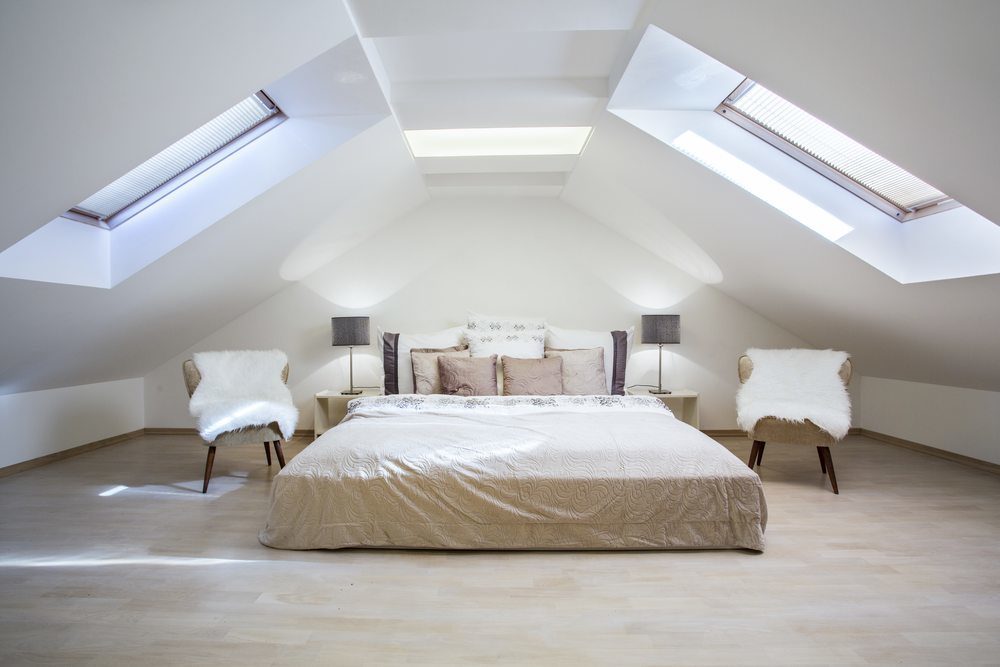
Things to Consider Before Converting Your Attic Is your home starting to feel a little cramped? Maybe you could really use an extra bedroom or some extra space for a home office. Or maybe you’ve always wanted to have a really cool entertainment room. If you have an attic that goes underutilized, you might want to consider having your attic converted into a more liveable space. That way, you’ll be able to get the extra space you need without having to move to a larger home.

If you’re thinking of converting your attic, the best thing you can do is call a contractor and have them come out to determine whether or not your attic is suitable for being remodeled. There are a lot of very important factors that come into remodeling an attic and unfortunately, not all attics are suitable for a project like this. A good rule of thumb is that if your attic has A-shaped rafters that leave a lot of space open under the rafters, you might be able to remodel it. But if you have a lot of W-shaped trusses, converting your attic probably won’t be an option for you.

Building codes vary from area to area, but many places have building codes that prevent attics from being renovated. In many areas, building codes require that rooms used as living spaces be at least seven feet tall by seven feet wide for at least 50% of the room. Keep in mind that you’ll also have to consider the thickness of the finishing materials you’ll use on the walls and ceilings when you figure this out. A good contractor will be very knowledgeable about all the building codes that apply to your home and will be very helpful in figuring out whether or not remodeling your attic is a feasible option.

You will also most likely be required to have at least two options for an escape route in the event of an emergency. With attics, this is typically a window and a staircase. But while it’s acceptable to use a pull-down ladder to access an attic when it’s being used for regular attic space, you’ll need to have a permanent staircase if you want to use it as a living area. If you don’t already have a permanent staircase leading to your attic, one will have to be built, so you’ll have to consider how much space that will take up on the lower level of your home.

Another very important thing to look into before remodeling your attic is whether or not the flooring joists are strong enough to be used as a living area. The joists in your attic might be adequate to support things like boxes of holiday decorations, old clothes, or photo albums, but you may need to have your joists strengthened to be able to support the extra weight of furniture and people walking around on a regular basis. Strengthening the floor joists in your attic will also help to reduce noise coming from the attic to the lower level of your home.

A contractor will also be able to help you figure out other things you might not have initially thought of, such as whether or not your existing electrical system would be able to handle the extra demands of this extra room.

If the contractor thinks your attic is a good candidate for remodeling, it’s a project that can help add value to the home and make your home much more enjoyable!