

Blog

The Best Home Improvement Projects to Help Your Home Sell

The Best Home Improvement Projects to Help Your Home Sell If you’re thinking of putting your home on the market in the near future, it’s only natural that you might be looking for improvements you can make that will make your home more appealing to potential buyers. But since home improvement projects can often be expensive, frustrating, and time consuming, you’ll want to make sure you’re putting your time, money, and energy into projects that will have the most impact. Here are a few types of home improvement projects that can be very effective in helping your home sell.

Basic Maintenance

One of the best places to start is by looking at the basics. Think of the things that, if you were looking for a new home yourself, you’d expect to be in good shape as a bare minimum. For most people, this includes things like the roof, windows, exterior doors, and flooring.

These are the sorts of things that you might not be able to ignore fixing. Unless someone is buying a property for the sole purpose of flipping it, nobody wants to walk into a home and immediately start thinking of how much it would cost to repair or replace something, especially when it’s something major like a roof repair. A leaky roof or rooms full of drafty, old windows can be an automatic deal breaker for many homebuyers. Taking care of problems with the roof, getting vinyl replacement windows, or replacing your doors can make your home significantly more attractive.

Even if the problem is something purely cosmetic, like wear and tear on flooring, replacing it will do a lot to make your home more appealing.

Exterior Improvements

As you research ideas for how to get your home ready to sell, you’ll inevitably see the term “curb appeal” used a lot -- and for good reason. Although we’re often told not to judge a book by its cover, a lot of home buyers will be hesitant to even consider a home that has old, worn-out siding or overgrown trees and shrubbery in the front yard, no matter how fantastic the interior is. If your home’s siding has seen better days, replacing it is a great way to help make sure your home makes a great first impression.

As far as gardening goes, you don’t have to hire a landscaper to plan out an elaborate garden for you. Simply making sure your lawn, trees, and shrubs are neatly trimmed and keeping a simple garden can do a lot to boost your home’s curb appeal. If you have a porch, make the most of it! A lot of people have a hard time resisting a nice, inviting-looking porch.

Kitchens and Bathrooms

Kitchens and bathrooms are two of the best areas of your home to put money into improving. Best of all, you probably won’t have to resort to knocking down walls or completely tearing out existing countertops and sinks to make these rooms more appealing. Actually, it’s often the mid-range improvements for kitchens and bathrooms that tend to have the best return on investment. With kitchens, for example, simply getting rid of old appliances in favor of new, energy efficient ones can help make a home buyer be willing to pay more. In the bathroom, doing basic things like replacing sink faucets, applying new caulking, and replacing other fixtures can make a potential homebuyer very happy.

More extensive kitchen and bathroom remodeling jobs tend to be most worthwhile if the rooms look very dated or have issues that can only be addressed by taking drastic measures. If you’re planning a big kitchen renovation, be careful to not go overboard. Unless you’re dealing with an upscale home in a very upper class neighborhood, going all out and turning it into a very high end kitchen might not have a very good return on investment because it could seem out of place with the rest of the home and other homes in the neighborhood.

Streak-Free Windows Made Easy

Streak-Free Windows Made Easy Washing windows is a chore most people don’t generally look forward to doing. After all, it can take a lot of time to do, depending on how many windows you have, and trying to get your windows look perfectly clear without any streaks can be frustrating. But this is something that should be done at least once, if not twice a year. And if you’ve recently replaced your old, worn out windows with new vinyl replacement windows, you’ll want to keep them looking as nice as possible. The good news is that if you have the right tools for the job, washing your windows and keeping them streak-free doesn’t have to be a challenge.

First of all, always wash your windows on days when the windows won’t be getting much direct sunlight. If you wash windows while they’re in the line of direct sunlight, it can cause your cleaning solution to dry and leave streaks and water spots behind.

Whether you’re washing your windows from the inside or the outside, a squeegee can be one of the best tools you can possibly have to keep your windows streak-free. There’s a good reason why they’re a must-have tool for professional window washers! You should be able to find some for sale at your local hardware store. While you’re there, it couldn’t hurt to pick up a couple extra replacement blades so you’ll have some extras handy in case your blade gets nicked or worn as you’re working. If you start seeing streaks as you wash windows with your squeegee, it’s time to replace your blade.

You can still use squeegees even if you have multi-paned or divided windows. If you aren’t able to find a squeegee in the size you need, it’s possible to cut down a larger one. All you need to do is remove the blade and use a hacksaw to cut the blade holder down until it’s slightly smaller than the width of your window panes. Sand down the cut edge until it’s smooth, then cut the blade down to fit using a utility knife.

Another major key to getting streak-free windows is to start getting rid of dirt, cobwebs, and other debris before you start using cleanser and your squeegee. If you’re washing your windows on the inside, you can simply take a lint-free cloth and wipe the windows, window sills, and window tracks. For outdoor windows, simply spraying them down with a hose should do the trick. This will get rid of the major pieces of dirt so they don’t get stuck to your cloth and get spread around the window as you wash it.

When you apply a cleaning solution to your windows, it’s important to use just enough to get the job done. Using an excessive amount of cleanser can cause streaks. If you’re applying a cleanser with a spray bottle, spray on enough to get the window damp, but not dripping wet. If you’ve made your own cleanser and are applying it from a bucket, apply it with a damp sponge or lint-free cloth, not one that’s soaking wet.

While we’re on the subject of cleansers, you don’t need to spend a lot of money on a special cleanser. A window cleaner like Windex will do just fine, or you can make your own cleanser using one part white vinegar to two parts of water. You can either put this mixture into a spray bottle or in a bucket, which ever works best for you.
If you’ve washed and dried your windows once and still see streaks, wash and dry them again. It’s very common for windows, particularly very dirty ones, to need to be washed and dried more than once. Last, but certainly not least, be sure to take a clean lint-free cloth and go around the edges to pick up any excess water or drips that may have been left behind. By now, your windows should be as nice and clear as they were the day they were installed!

Planning to Paint a Room? Don’t Forget These Steps!

Planning to Paint a Room? Don’t Forget These Steps! If you’re looking for a relatively fast and inexpensive  way to give a room a whole new look, painting the walls is one of the best ways to go. Even if you don’t change the color of the walls, giving them a fresh coat of paint can make the room feel fresh and new again.

However, it’s important to remember that to get the best results from your paint job, you don’t want to just open a can of paint, pick up a paintbrush or roller, and start painting. Doing a proper paint job takes some prep work, but taking the extra time to make sure the job is done right will help produce great results.

Smooth Rough Spots and Patch Holes and Dents

When you’re painting a room, you’ll want to make sure your surface is as smooth as possible. If there are dents, holes, or other imperfections on the wall, now is a good time to grab some spackle and patch them up. If there are holes in the wall, all you have to do is take some spackle and use a putty knife to fill in the holes, let it dry, and sand it down. If there are any other rough spots on the wall, take some sandpaper and smooth them down, too.

Wash Your Walls

If you’re going to go through the effort of painting your walls, the last thing you want is for your hard work to be marred by lint, dirt, or other debris getting stuck in the paint. These things will show up once the paint has dried, so always wash your walls before starting to paint. This step is particularly in areas like kitchens, where it’s very common for grease and food to splatter onto the walls.

Preparing Your Room

No matter how careful you think you’re being, paint has a way of making its way onto things you don’t it to. Before you start painting, remove covers on light switches and electrical outlets and clear as many things out of the room as you possibly can if you don’t want them accidentally getting paint on them. For larger pieces of furniture, try to move them into the center of the room and make sure they are completely covered by drop cloths. Don’t forget to cover the floor in drop cloths, too.

If you’re only planning to paint your walls, not the ceiling, doorframes, baseboards, or window sills, be sure to place tape around the edges of those things to prevent paint from getting into those areas. Wait until the paint is completely dry before removing it.

Choose the Right Tools

Paint brushes and rollers are not all created equally. Some types of brushes and rollers work better with some types of paints than others do. If you’re using a latex-based paint, you’ll want to use a brush with synthetic brushes, while oil-based paints can be used with synthetic or natural bristle brushes. The same rule applies for rollers. When you’re looking for a roller, consider the texture of the surface you’re painting. If you’re painting a smooth surface, look for a roller with a shorter nap. Longer nap rollers should be used on rougher surfaces.

Do You Need a Primer?

Using a primer before painting isn’t always a necessary step in the painting process. If you’re simply painting the walls the same color to freshen up a room or are painting them a similar color, you can probably get away with skipping the primer, especially now that many paints have built-in primers. But if you’re making a drastic change in color, such as going from a dark color to something lighter, priming could help make the job easier. In a case like that, there’s a chance the original color could bleed through after one coat, requiring you to do multiple coats of paint. Since primer is generally less expensive than paint, using a primer first could be more cost effective. Keep these tips in mind for your next paint job and you’re sure to get great results!

Tips for Hiring a Great Contractor

Tips for Hiring a Great Contractor Choosing a contractor to handle a home repair or renovation project is a major decision. Home renovations are major projects; the sort of thing homeowners often spend a while saving up enough money to be able to afford. The last thing you want to do is make the mistake of hiring someone who won’t do the job right.

Home renovations can be stressful even in the best of circumstances and hiring the wrong contractor can only make things worse. Here are a few helpful hints to help you find a good home contractor and hopefully avoid some headaches and frustration.

Do Your Research

You can always check online to see if there are any reviews for a contractor, but one of the best ways to find a good contractor is by asking your friends, family, neighbors, or coworkers for recommendations. If they’ve had a similar project done at their home in the past, they’ll probably be happy to give you the name of the person they hired. Better yet, they might be able to show you the work that person did so you’ll be able to examine their work up close.

Depending on the experience your friends have had with their contractors, they might also be able to recommend people to avoid, which can be just as valuable to know as it is to know who the good contractors are.

Be Inquisitive

When you’re interviewing potential contractors, don’t be afraid to ask questions. Ask about things like how many similar jobs they’ve handled in the past year, if they’re licensed and insured, how long they’ve been in business, if they can provide references, how many other projects they have going on right now, if they use subcontractors, and if a job requires a permit. No reputable contractor will be bothered by answering these sorts of questions.

It’s particularly important to know if a contractor is licensed and and insured. Contractors should carry insurance coverage for personal liability, property damage, and worker’s compensation. If a contractor doesn’t have insurance and something goes wrong with the job, such as a subcontractor is injured on the job or your property or a neighbor’s property is damaged, you could be on the hook for the damage. If you want to verify that a contractor is currently licensed, contact your local consumer protection agency or building department.

If a contractor works with subcontractors, be sure to ask if they’re also licensed and how long the contractor has worked with them.

Be Clear About Your Needs

Are there any particular constraints that come along with your job? Do you absolutely need a project completed by a certain date? Do you only want contractors to work during certain hours? If so, make sure you make this clear to a contractor before hiring them. Details like these could make a big difference in whether or not a contractor is a good match for you. A contractor might have other jobs to finish before starting yours, which would be a problem if you need a project completed right away. Only being able to have a contractor work during certain hours might not be a big issue if you’re dealing with a small project, but it could mean a larger project could take longer to complete.

Be Skeptical of Low Estimates

There are lots of times in life where you can go with a less expensive option and everything will be fine. Trying to find a contractor is not one of those times. If you ask for several estimates and you get one that is considerably lower than the others, there might be a very good reason for that. A person charging an exceptionally low amount for a job could be inexperienced, unlicensed, lack proper insurance, use subpar materials, or cut corners in some other way. It’s easy to get excited about a low price, but in many cases, going with the lowest bidder for a home improvement job can end up costing a lot more in the long run.

Find Out What You’ll Have to Do

Before a contractor starts to work on your home, there might be some things you’ll have to do first. For example, many contractors will not move furniture or other items out of a room because they don’t want to be liable if something is damaged. You may also have to make sure your pet is kept in an area where it will be safe and out of the way. Asking about these things ahead of time will help ensure your job gets off to a smooth start.

Get it in Writing

Once you’ve found a contractor you like and want to hire, make sure you have a written contract. The FTC has a great list of things any good contract should have when working with a contractor. So many business arrangements run into problems because there’s confusion about what’s expected of them and a clear contract prevents that from happening. Even if you hire a contractor who happens to be someone you know, you still need a contract.

Top 5 Features Buyers Want in New Homes

Top 5 Features Buyers Want in New Homes If you ask five different people which features they think a perfect home should have, you will probably get five different answers. What is and isn’t a perfect home will largely vary from person to person. But in spite of that, there are always trends in which features homebuyers are looking for in a new home. Here are just a few of the top things homebuyers are currently looking for:

Energy Efficiency

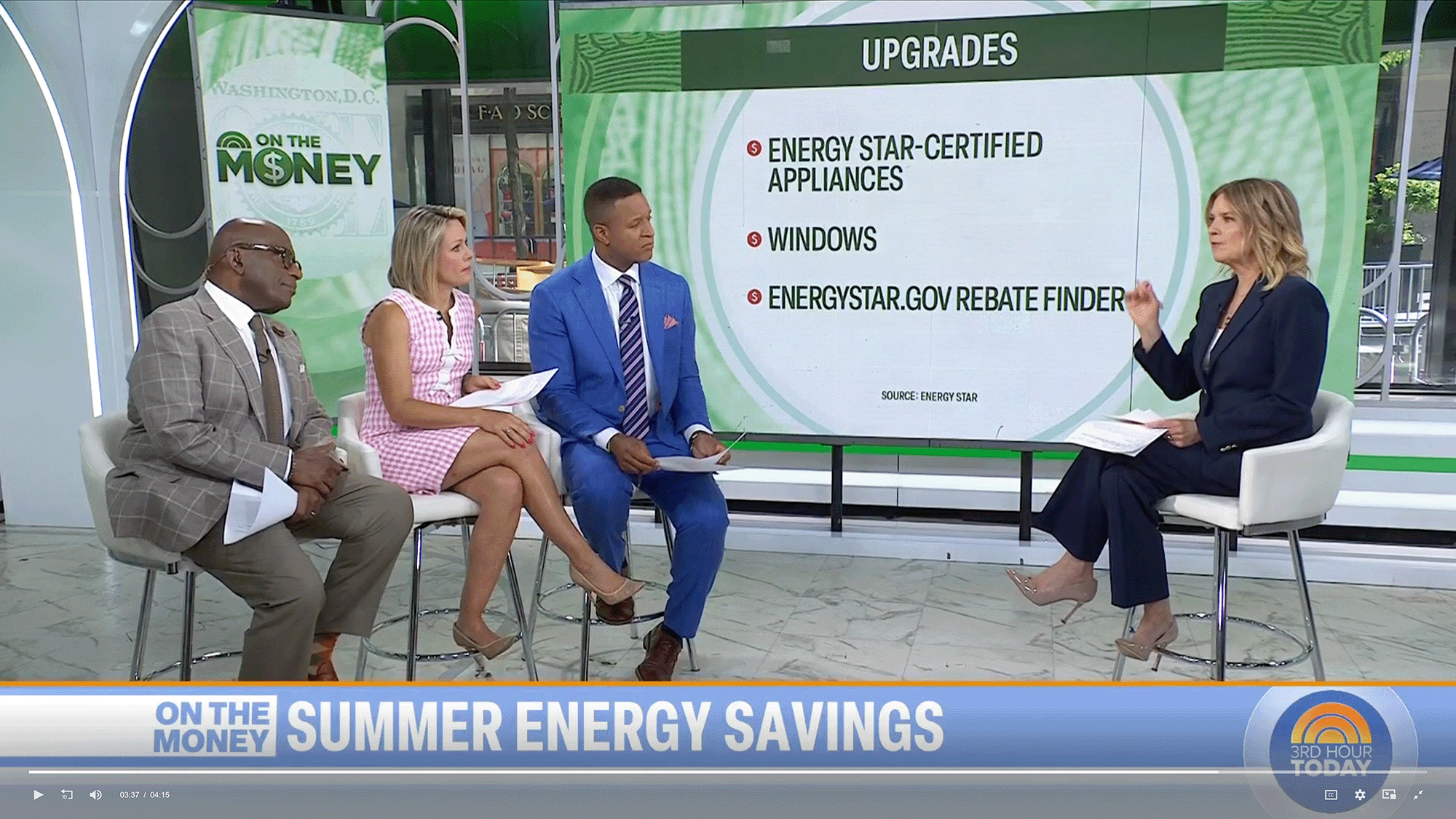
Energy efficiency is one of the top things people are looking for in homes right now. More people are looking for ways to be more environmentally friendly and nobody really wants to spend more money than necessary on things like electricity or heating and cooling bills. A home that is well insulated, has been updated with new vinyl windows, and/or comes with Energy Star certified appliances is bound to be very attractive to potential homebuyers. In a 2013 survey conducted by the National Association of Homebuilders, 36% of respondents said Energy Star appliances were a “must have” and 58% said they were “desirable,” while energy efficient windows were called “desirable” by 54% of respondents.

Eat-In Kitchens

While formal dining rooms may have been popular for years, it’s now more popular for a kitchen to have room for a table right in the kitchen. Many home buyers with young kids want their home to have a cozy place for the whole family to get together for a meal. If given a choice between having a home with a formal dining room or a home with an extra room that could be used for a home office, many home buyers would rather have the space for a home office.

Walk-In Pantries

Ample storage space never seems to go out of style. Spacious walk-in closets in bedrooms are always a hit with homebuyers, but right now, buyers seem to love the idea of having a walk-in pantry. Between food, small kitchen appliances, pots and pans, and plates and utensils, kitchens require a lot of storage space and walk-in pantries are an excellent way to keep all of those things organized.

Hardwood Floors

For a long time, carpet was seen as being more desirable than hardwood floors since it helps to keep heating bills down. But despite the trend toward homes being more energy efficient in many ways, hardwood floors have become extremely popular in recent years. Not only can hardwood flooring look more inviting than carpet, it can often be easier to maintain than carpet, which will require frequent vacuuming or shampooing.

Laundry Room

We all need to do laundry and having a dedicated laundry room makes that chore a lot easier. Separate laundry rooms not only keep washers out of sight and should also have room for a space to fold laundry and to hang clothes to dry as necessary.

If you’re thinking of putting your home on the market in the near future, you might want to consider adding some of these features to your home first. Many of these things can be accomplished pretty easily, such replacing your windows, flooring, or appliances, and can make your home much more appealing to house hunters.