

Blog

Keeping Pests Out of Your Home During the Winter

Keeping Pests Out of Your Home During the Winter The winter months often bring unwanted pests. Just like humans, pests also want to stay warm during the winter months and one of the ways they can do that is by trying to move into your home. The good news is that there are many things you can do in order to keep the winter pests out. Below is a list of tips for keeping your home pest free during the winter months:

Seal The Openings

Pests can enter your home through any gaps, cracks, or other openings that exist. Many pests don’t need a big opening to be able to get into your home and start wreaking havoc. Keeping pests out is just one reason why it’s important to make sure you keep an eye out for openings and make sure they get sealed as soon as possible. Sealing these openings will not only prevent pests from entering, but it will also help keep the warm air in and cold air out.

If your home has an attic, go up and inspect it to make sure everything is secured tightly. Additionally, you should check any crawl spaces and doorways that lead outdoors. Worn caulk and weatherstripping will need to be replaced or repaired.

Inspect Things Before Bringing Them In Your Home

Pests can find creative ways to get into your home, such as sneaking in by hiding in things that get brought into your home. If there is something that’s been left outside for any significant amount of time, you might want to give it a shake before you bring it inside to make sure nothing is hiding inside or clinging to it.

Keep Your Home Tidy And Neat

One of the best things you can do in order to prevent pests from entering your home is to keep it tidy to eliminate things that might be attractive pests. Make sure that you keep your kitchen counters clean and that all food is stored in air-tight containers. If you store pet food in your garage, make sure it also gets stored in an air-tight container or with something heavy on top of the lid so it’s hard for any unwanted pests to help themselves. Also, try to store food in a container that would be difficult to chew through. 

Eliminate Potential Pest Habitats

Pests may be using areas outside of your home to seek out shelter, so you’ll want to look around and get rid of anything that might make areas good places to live. Try to store trash cans away from your house and make sure that the downspouts are directed away from your home. If you use firewood, try to store it away from your home. Additionally, you will need to store mulch away from your home.
Winter Blues? Start Thinking About Spring Landscaping Now!

Winter Blues? Start Thinking about Spring Now Even though 2016 is only just getting started, it's time to start thinking about springtime, especially in regard to landscaping and gardening. When the ground thaws, it's go time and it's best to have your strategy set beforehand so you're not stuck in a mad dash for the last pot of blue hydrangeas at the local nursery come April.

Benefits of Landscaping

Improving your home with greenery may involve a little dirty work, but the effort is well worth it. According to the Arbor Day Foundation, "Landscaping, especially with trees, can increase property values as much as 20%” and "a mature tree can often have an appraised value of between $1,000 and $10,000."

Add to that the psychological and environmental benefits of a beautiful yard and there's no reason not to landscape!

Making Plans

Buying plants based on how they look alone spells horticultural tragedy. Some plants need more sun, others more shade; some need lots of water and others not so much. Your yard has more characteristics than you might think, so be sure to take the time to notice them so your hard work and money aren't wasted.

Consider asking yourself questions like these before shopping for greenery:

  • Which areas of your yard get the most sun? The most shade?
  • Are there any low spots where large puddles tend to form during a rainfall?
  • Could growing roots potentially interfere with sidewalks/foundations/etc.?
  • How involved do you want to be in the ongoing care of your yard?

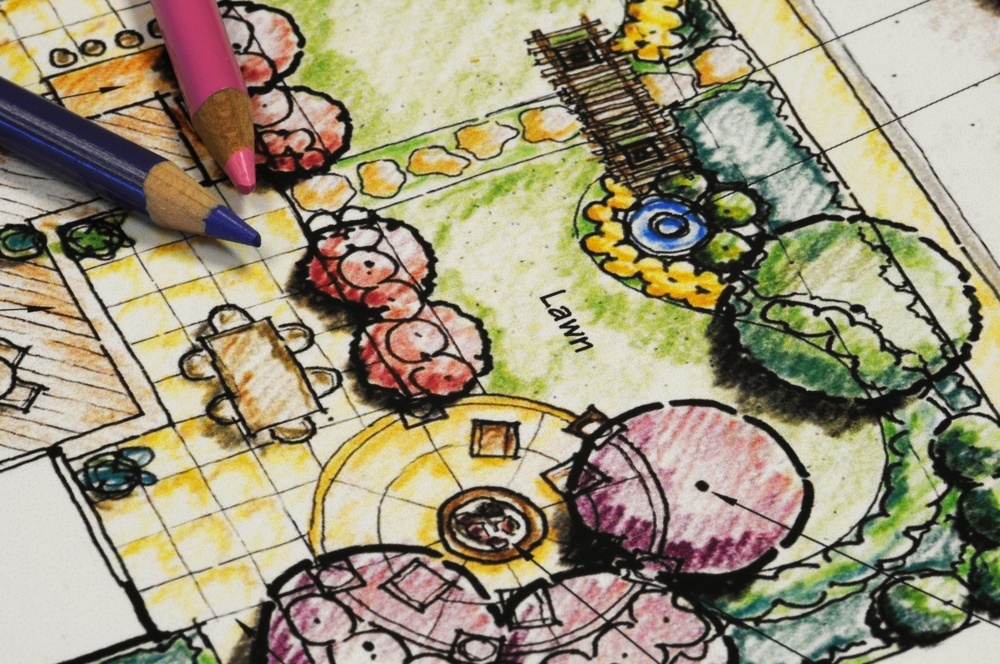
Before you buy, draw out a rough diagram of your yard and identify wet spots, dry spots, sunny and shady areas, etc., and then choose plants according to those characteristics. From there, you can visit a nursery and scout out the right plants. Or you could map out what you'd like your yard to look like using an online tool like the Better Homes and Gardens Plan-a-Garden app.

Good Timing

Spring is the best time to plant trees, but other plants may do better a little further into the warmer months. Reading tags and researching for the perfect plants takes time. Go slow, but start now while you have the time to alleviate any last minute decisions. Doing so will help guarantee excellent results -- and long life -- from your landscaping project.

Winter Roof Maintenance Tips

Winter Roof Maintenance Tips No matter what time of year it is, your roof needs basic maintenance to keep it in good condition. Even if you have thoroughly prepared your roof for the winter by taking steps to prevent ice dams, continuous maintenance throughout the winter season will increase the overall life of your roof, prevent damages that could go undetected all winter long, and reduce repair and maintenance costs in the long run.

Take a Good Look at Your Roof

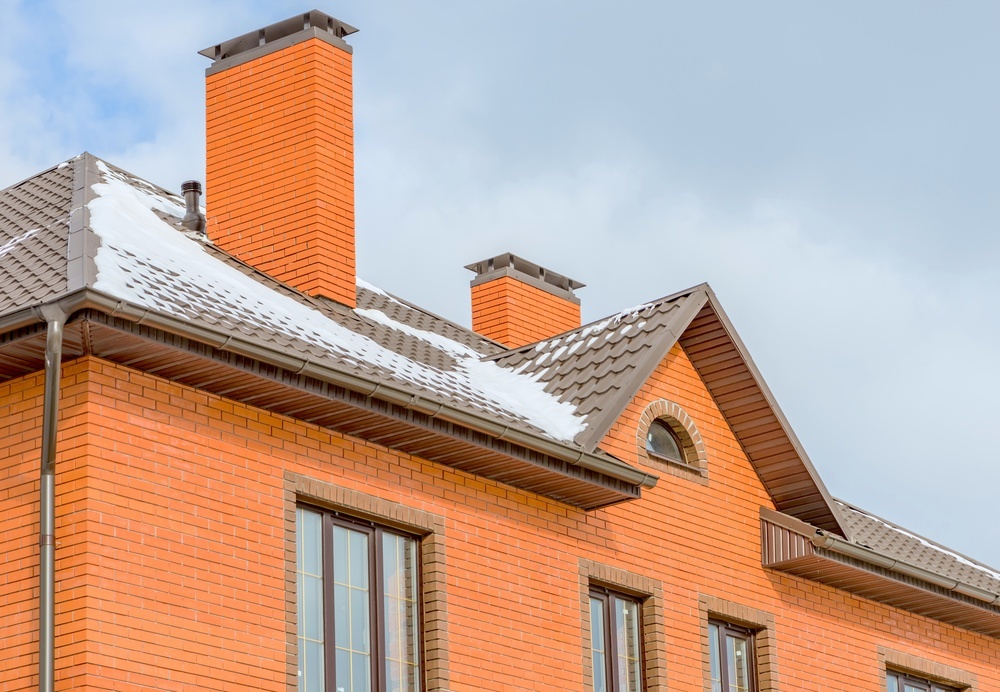
The harsh winter weather can take a toll on the exterior components of your roof. As such, you want to keep an eye on your shingles, flashing and gutters to ensure that there are no major problems. On a clear day, take a few minutes to walk around the perimeter of your home while looking at your roof.

You'll want to look for shingles that may have been damaged by snow, ice or windstorms. If you notice cracked or blistered shingles, you'll want to replace the shingles or call a professional roofer as soon as possible. Damaged shingles may indicate that water and moisture can get into your home. Double check to ensure that your flashing, which can be found in your roof valley or around chimneys and skylights, is free from corrosion and holes.

Investigate Your Attic

Even if your roof looks strong and sturdy from the outside, your attic can potentially reveal problems that you may have missed. By going into your attic on a sunny day, you can look for any light shining through the shingles and into your attic space. If you see light, your roof needs to be repaired right away as moisture and pests can easily access your home.

The attic is also the first place to look for moisture. As the heated air escapes from your home, it can mix with the cold air in your attic, resulting in condensation. If the moisture is allowed to remain, it could potentially lead to wood rot or cause your roof structure to become weakened. Wood rot requires major repairs and should be avoided if possible.

Don't Wait to Repair Your Roof

It can be distressing to find something wrong with your roof in the dead of winter. However, most basic repairs can be easily completed no matter the season. Because your roof plays such a vital role in keeping you and your family safe, keep roof maintenance a top priority.

Taking Care of Your Home’s Exterior During the Winter

Taking Care of Your Home’s Exterior During the Winter Why do we only think of the way our homes look when things are growing? We think about landscaping, watering, mowing, trimming and all those other things we do to keep our homes looking great during the spring, summer and fall, but our homes are on display year around.

Your home should still be beautiful in the winter time. Keeping sidewalks and other walkways clear of snow, ice and debris is important, of course, but there's more to it than that.

Trees should be kept neatly trimmed to keep branches from breaking due to heavy snow and wind. Not only is a broken branch unsightly, it can be dangerous if the tree is near a walkway, door, window, or car. Winter winds can blow branches back and forth for several feet before they break!

Other growth, such as bushes or tall grasses, should be trimmed for compactness during winter weather stress, too. If you live where you get a lot of wind, it's even more important to keep everything trimmed to minimize damage.

The door to your home is the main welcoming feature, so make sure to keep the entire area clear of ice and snow and put out a colorful and seasonal welcome mat so visitors can clean their boots or shoes before entering. This will beautify your home as well as keep it safe.

Windows can be cheerful assets to your home, but they're not always so nice if they’re old, worn out, or aren’t decorated nicely. What you put in them and on them makes a big difference between having a lovely, welcoming home and an empty and cold looking home. Plants or other decorative items on the windowsills, pretty drapes or curtains and windows in good condition makes a lot of difference in the way your home looks. Good quality vinyl replacement windows always look good and make it a lot easier for you to make your windows welcoming.

Some things stand out more after the growth of summer is done and leaves or snow is on the ground. If you keep your home in good condition and be aware of safety hazards, your home will be one of the most beautiful on the block, no matter what the weather.

Be Extreme When It Comes to Saving Energy Costs

Be Extreme When It Comes to Saving Energy Costs Each year, more people struggle with the cost of heating their homes. The truth is that the costs are going to continue to rise and, if you do not want to end up in the cold, it is time to cut down on this expense. The following are some extreme things you can do to save energy costs. Many of them seem quite simple, but you would be surprised by how many people don’t do them.

Your Drying Habits

How easy is it to take your laundry out of the washing machine and throw it in the dryer? This is the habit of most homeowners. A drying rack can save you a ton of money. Simply hang up your clothes to dry instead of using the dryer. It may take longer, but it will save you money. If you are not ready to give up your dryer yet, at least make sure that the dryer-vent hose is as short as it can be. It will work more efficiently with a shorter hose.

Reduce Heated Space

The square footage of your home will have a lot to do with the size of your heating bill. Reduce some of the heated space in your home to save money. This means keeping closet doors shut, turning off the heat to bedrooms or rooms that you do not use, and even keeping cupboard doors shut. All of this could lead up to big savings each month.

Perform Maintenance on Your HVAC

Your heating and cooling system needs to be maintained on a regular basis in order for it to function properly. Filters need to be cleaned or replaced at regular intervals. A system that is not working at its best is going to use more energy. This energy is going to cost you. You may not want to invest in maintenance when your system is still putting out heat, but it is an investment with a great return. These three things may seem like minor changes, but they really add up and will save you money. Sometimes, it is a simple matter of changing habits to see the savings. Turn the thermostat down just a couple of degrees and put a sweater on or put an extra blanket on the beds. All of this is going mean that you spend less on energy and can put your money toward something that you and your family really want.