
Dealing with Dry Rot

Dealing with Dry Rot If you notice that your woodwork around your windows or in your attic is crumbly or appears to be damp, you may have a dry rot infestation. Because dry rot can cause major structural damage if it is not controlled, measures should be taken to either replace the affected wood or have the wood treated.

What is Dry Rot?

Dry rot is a fungus that destroys wood fiber that stays damp. Unlike other types of wood rots, dry rot has the ability to spread through other materials, including masonry work. Wood that has been affected by dry rot often forms cube-like cracks and may shrink. In certain conditions, a white fungus that has a fluffy appearance may be visible on the wood. Additionally, a musty odor can also potentially be detected in the area.

Where Can Dry Rot Occur?

This fungus only affects wood components that are damp or where the moisture content is more than 20%. In many cases, dry rot occurs in the attic where undetected leaks are likely to occur. Wood around window frames can also be affected if it cannot dry out following a major rainstorm. If the rot is not taken care of, it can result in structural instability.

Repairing Damage Caused by Dry Rot

If your woodwork has small areas that have been affected by dry rot, those sections can be removed using a sharp tool. A polyester filler can be used to add strength to the remaining wood fibers. The filler takes about 10 to 15 minutes to harden. Once the filler has set, it can be sanded down, primed and painted so it won't stand out.

Preventing Dry Rot

In many cases, simply allowing the wood to fully dry out will control the spread of the fungus. In order for this to work, however, the wood needs to remain dry in the future to prevent the fungus from becoming active again. Depending on the climate, it may not be possible to keep the wood fully dry. Replacing the wood components that are most at risk may be a solution. For structural components, there are pre-treated timbers available that can be used to replace existing affected wood. For wood windows, vinyl replacement windows can also save you the trouble of worrying about dry rot. Ultimately, controlling the rot or removing the affected wood should be a priority to prevent expensive repairs to the home.
Keep Your Home Secure This Winter

Keep Your Home Secure This Winter Most homeowners think that burglaries only occur in the hot summer months. Although open windows and people traveling more can make it easier for burglars to break in, it’s important to remember that criminals don’t take an off season. Robbers know that many people take advantage of holiday sales to purchase things like new TVs or get expensive things like electronics and jewelry as gifts. As January rolls around and homeowners return to work and children go back to school, the daytime hours an easier time to break into a home and help themselves to all your new valuables.

Upgrade Your Windows

An important way to add security to a home is by investing in vinyl replacement windows. Burglars are always looking for an easy way to enter a home to steal valuables and single-pane windows in worn out, wooden frames are an easy target because they’re much easier to get in through.

While sturdier windows make it more difficult to break into a home, you should still take other security measures. One of the most important things you can do is make sure your windows have sturdy locks and don’t forget about the locks on sliding doors leading out to patios. You can also make it more difficult for thieves to see inside by closing window blinds or curtains.

Keep Snow Cleared Away from a Home’s Exterior

It’s easy to remember to keep the shrubs that are located outside a home’s windows trimmed in the summer, but it’s also easy to forget to make sure there are no hiding spots outside in the wintertime. If the area you live in gets lots of snow, there’s a good chance that deep piles of snow could form on the ground outside of your windows. Mountains of snow provide an excellent place for a burglar to hide behind while breaking in without being seen by nearby neighbors or people driving past.

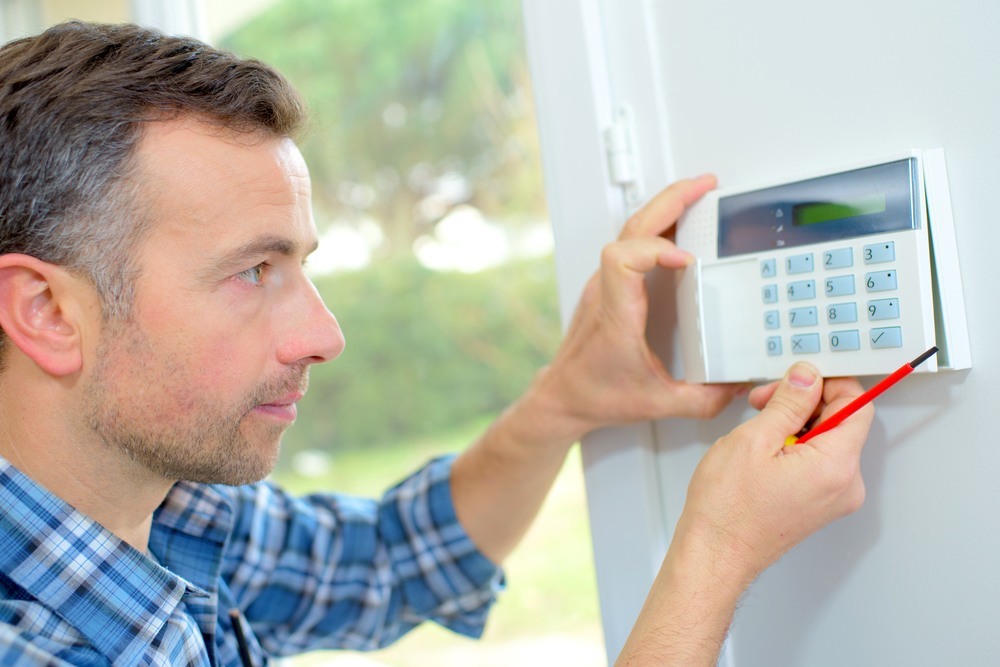
Use a Security Alarm System If you live in an area with a high crime rate, then it is time to invest in a security alarm for your home. With an alarm system, you can have it set up to alert you through a cell phone when someone is entering your home. The device can also notify a security company or law officials about a break-in that is occurring. You can also set the alarm to make loud blasting noises that will alert neighbors about illegal activity. Don’t forget to use security devices on basement and garage windows because these are very common places where burglars try to enter.

Improve Your Home’s Value By Renovating Your Kitchen

Improve Your Home’s Value By Renovating Your Kitchen In today's modern homes, just as it was decades or even centuries ago, the kitchen is considered the most important room in the house. Not only is the kitchen a place to prepare family meals, it also serves as a gathering place for family and friends. However, over the course of time, even the best kitchens need a makeover now and then. If your kitchen could use a few updates and you’re looking for ways to improve your home’s value, the good news is that renovating your kitchen is a great way to accomplish both these things!

How Much Should I Spend?

This is usually the first question asked, and the answer can vary greatly. Many kitchen renovations range between $5,000-$75,000, with some being well into six figures, depending on how extensive your renovations are. However, a kitchen renovation costs a homeowner $15,000-$25,000 on average, with most people being able to recoup up to 120% of their investment. Just be careful not to make the kitchen fancier than the rest of the home, since that can take away value from other rooms.

Don't Go Overboard

While most people who renovate their kitchens want the best of everything, some make the mistake of going overboard on a variety of items. For example, since everyone loves a kitchen filled with sunlight, some people choose to have extremely large and fancy windows custom-designed for their kitchens. However, it's usually best to opt for more mainstream windows, such as vinyl replacement windows. Not only do they look great and let in plenty of light, but they are also much more energy efficient than their fancier counterparts.

Invest in Energy-Efficient Appliances

Along with windows that look great and save on energy costs, investing in energy efficient appliances is also a great way to increase the value of a home. Refrigerators, stoves, dishwashers, freezers, garbage disposals, and many more appliances are all made to be as energy-efficient as possible today, making them great long-term investments for any home. To make sure the best appliances are purchased, be sure to look for ones that are Energy Star rated, since they meet strict environmental guidelines as well as help save money each month.

By taking the time to think about the best options for your kitchen renovation, it's possible to not only create the kitchen of your dreams, but also significantly increase the value of your home. If both of these objectives are achieved, it's a win-win situation for everyone.

Keeping Pests Out of Your Home During the Winter

Keeping Pests Out of Your Home During the Winter The winter months often bring unwanted pests. Just like humans, pests also want to stay warm during the winter months and one of the ways they can do that is by trying to move into your home. The good news is that there are many things you can do in order to keep the winter pests out. Below is a list of tips for keeping your home pest free during the winter months:

Seal The Openings

Pests can enter your home through any gaps, cracks, or other openings that exist. Many pests don’t need a big opening to be able to get into your home and start wreaking havoc. Keeping pests out is just one reason why it’s important to make sure you keep an eye out for openings and make sure they get sealed as soon as possible. Sealing these openings will not only prevent pests from entering, but it will also help keep the warm air in and cold air out.

If your home has an attic, go up and inspect it to make sure everything is secured tightly. Additionally, you should check any crawl spaces and doorways that lead outdoors. Worn caulk and weatherstripping will need to be replaced or repaired.

Inspect Things Before Bringing Them In Your Home

Pests can find creative ways to get into your home, such as sneaking in by hiding in things that get brought into your home. If there is something that’s been left outside for any significant amount of time, you might want to give it a shake before you bring it inside to make sure nothing is hiding inside or clinging to it.

Keep Your Home Tidy And Neat

One of the best things you can do in order to prevent pests from entering your home is to keep it tidy to eliminate things that might be attractive pests. Make sure that you keep your kitchen counters clean and that all food is stored in air-tight containers. If you store pet food in your garage, make sure it also gets stored in an air-tight container or with something heavy on top of the lid so it’s hard for any unwanted pests to help themselves. Also, try to store food in a container that would be difficult to chew through. 

Eliminate Potential Pest Habitats

Pests may be using areas outside of your home to seek out shelter, so you’ll want to look around and get rid of anything that might make areas good places to live. Try to store trash cans away from your house and make sure that the downspouts are directed away from your home. If you use firewood, try to store it away from your home. Additionally, you will need to store mulch away from your home.

Winter Blues? Start Thinking About Spring Landscaping Now!

Winter Blues? Start Thinking about Spring Now Even though 2016 is only just getting started, it's time to start thinking about springtime, especially in regard to landscaping and gardening. When the ground thaws, it's go time and it's best to have your strategy set beforehand so you're not stuck in a mad dash for the last pot of blue hydrangeas at the local nursery come April.

Benefits of Landscaping

Improving your home with greenery may involve a little dirty work, but the effort is well worth it. According to the Arbor Day Foundation, "Landscaping, especially with trees, can increase property values as much as 20%” and "a mature tree can often have an appraised value of between $1,000 and $10,000."

Add to that the psychological and environmental benefits of a beautiful yard and there's no reason not to landscape!

Making Plans

Buying plants based on how they look alone spells horticultural tragedy. Some plants need more sun, others more shade; some need lots of water and others not so much. Your yard has more characteristics than you might think, so be sure to take the time to notice them so your hard work and money aren't wasted.

Consider asking yourself questions like these before shopping for greenery:

  • Which areas of your yard get the most sun? The most shade?
  • Are there any low spots where large puddles tend to form during a rainfall?
  • Could growing roots potentially interfere with sidewalks/foundations/etc.?
  • How involved do you want to be in the ongoing care of your yard?

Before you buy, draw out a rough diagram of your yard and identify wet spots, dry spots, sunny and shady areas, etc., and then choose plants according to those characteristics. From there, you can visit a nursery and scout out the right plants. Or you could map out what you'd like your yard to look like using an online tool like the Better Homes and Gardens Plan-a-Garden app.

Good Timing

Spring is the best time to plant trees, but other plants may do better a little further into the warmer months. Reading tags and researching for the perfect plants takes time. Go slow, but start now while you have the time to alleviate any last minute decisions. Doing so will help guarantee excellent results -- and long life -- from your landscaping project.