
Blog

Easy Home Improvement Projects You Can Do in a Weekend

Easy Home Improvement Projects You Can Do in a Weekend Weekends are the perfect time to relax, have fun, and get some work done around the house. But you don’t necessarily have to spend an entire weekend hard at work to make a big difference around your house. There are lots of easy projects that make a big impact and can easily be done over the course of a weekend and without having to spend a small fortune. Best of all, you’ll still have plenty of time to relax and have some fun! Here are a few quick and easy project ideas to help you get started!

Paint or Wallpaper a Room

Sometimes, all a room needs is a fresh coat of paint to make it feel brand new again. Simply changing the colors on the wall can completely change the vibe of a room or make a small space seem more open. Not many home projects can have that level of impact for such a low price. Painting a larger room might take a whole weekend, but smaller rooms can easily be painted in a day or less.

You might not even necessarily have to paint your entire room to make a nice change. Turning one wall into an accent wall by painting it a different color is a great way to add a dramatic touch. Or rather than have an accent wall that’s simply a solid color, you could try wallpapering one wall instead.

Add Wainscoting or Crown Molding

If the walls in a room are a solid color, you might want to consider adding some crown molding or wainscoting to your walls. These help add a little dimension to solid-colored walls and can give a room a more polished look. Many people feel like wainscoting and crown molding on walls makes a room look more upscale, but it isn’t a terribly expensive or difficult project to do.

Change Up Your Doors

If you aren’t quite ready to replace your home’s exterior doors, giving them a new coat of paint can be an excellent way to boost your home’s curb appeal. A bright color can be very eye catching and help your home stand out from the other homes in the neighborhood. The color of your front door can also help accent the colors used on the exterior of your home and reflect the style of the rest of your home’s decor.

Don’t forget about your interior doors, either! Do you have a house full of plain, generic-looking doors? Painting them is a great way to make them look a little bit nicer. If you like the idea of adding some crown molding or wainscoting to a room in your house, you could buy a little extra and use it to liven up some of your doors. Between paint and crown molding, your visitors would be surprised to learn you didn’t actually buy new doors!

Update Your Hardware

Do you still have the original doorknobs and drawer pulls that came with your doors, cabinets, and drawers? Replacing your old hardware with a brand new style is a very easy way to change up the look of a room and keep it from looking dated. If you don’t want to change up your home’s decor without replacing your hardware, you could always simply spray paint them a new color instead! This is a particularly great project to undertake if you’re thinking of selling your home soon. Since hardware can often start to look dated, giving it an update can be an easy yet effective way to make your home more appealing to potential buyers.  
Benefits of Improving Your Home’s Energy Efficiency

Benefits of Improving Your Home's Energy Efficiency Over the past few years, energy efficiency has become a hot topic among homeowners. Is your home energy efficient enough? What can you do to make it better? And, of course, why should you be concerned about energy efficiency?

Making your home more energy efficient has a lot of benefits that are not only great for you, but for the whole world around you. Here are just a few of the best reasons why you should take steps to make your home more energy efficient:

You’ll Help the Environment

By cutting down on the amount of energy your home consumes, you’re helping to reduce the amount of carbon generated by power plants and cut down on the amount of non-renewable sources of your home uses. When you keep these sorts of things to a minimum, you’re keeping pollution out of the air and making the world a healthier place to live.

You’ll Save Money

Who wouldn’t like to have a little extra money in their bank accounts? By reducing the amount of energy you consume in your home, you’ll be able to do just that! The average U.S. household often spends thousands of dollars on energy bills every year. The amount of money you can save depends on which specific steps you take, but any changes you make can really add up. For example, an Energy Star refrigerator can cost $165 less to run per year than a regular refrigerator. Using energy efficient CFL or LED lights can help you save between $50 and $100 on your energy bill every year.

You’ll Be More Comfortable

Old, worn out windows and drafty exterior doors are only good for two things: making your home more uncomfortable than it ought to be and driving up your energy bills. Nobody should feel uncomfortable in their own home. Having new vinyl replacement windows installed or getting a new front door requires a little bit of an upfront investment, but they will make your home so much more comfortable and the money they can help you save on energy bills will really add up over time. By making these sorts of changes, you’ll be better able to stay warm in the winter and cool in the summer without having to rely so much on your furnace or air conditioner.

You’ll Improve Your Home’s Value

If you’re thinking of putting your home on the market soon, it’s important to know what sorts of things homebuyers are looking for in a new home. Energy efficient features are definitely very desirable right now thanks to the fact that many people are looking for ways to lead more environmentally friendly lifestyles and that people like the idea of being able to save money on their energy bills. If a potential buyer takes a look at your home and sees things like Energy Star appliances, vinyl replacement windows, and lots of insulation, they’ll be more inclined to pay a bit more for your home.

Things You Should Know Before Buying a Foreclosed Home

Things You Should Know Before Buying a Foreclosed Home Owning a home is still a very important part of the American dream. Since buying a home is a very large investment and most of us don’t have unlimited amounts of money to work with, a homebuyer on a budget might be tempted to consider buying a foreclosed home. By buying a foreclosed property, you could be getting a great home for you and your family at a bargain price. Or if you’d like to own a property you could rent out, buying a foreclosed home could be a more affordable way to make that happen.

However, before getting too excited about the lower price of a foreclosed home, remember that it can be an overwhelming process. Many homeowners have ended up getting in over their heads when they realize some of the pitfalls involved with buying these bargain properties.

Be Prepared to Make Repairs

By far, one of the biggest downsides to buying a foreclosed home is the fact that you’ll be buying the home in as-is condition. Whether a foreclosed home is up for auction or is being sold by the bank, you’re not going to be able to get the seller to make repairs to a property before selling it to you. Even a foreclosed home that’s in pretty decent condition will still very likely need some degree of work done to it. Depending on the condition of the home, the cost of repairs could be a pretty significant expense for you to deal with.

Foreclosed homes are frequently vacant for a while before they’re sold, so a home might have problems caused by being empty and unused. If the previous owner was unable to keep up with payments, they also may not have been able to keep up with home maintenance. There’s also the chance that the previous owner may have vandalized the property before leaving. Broken windows are a very common problem in foreclosed homes, so you may need to pay to have the panes replaced or to have new vinyl replacement windows installed. You may also need to pay for things like roof repairs, a new furnace, or repairs to the plumbing or electrical system.

Auctions vs. REOs

There are two main ways foreclosed homes are sold: at auction or by buying them from a bank (called real-estate owned, or REO). Of the two options, buying at auction is the riskiest.  In many cases, you won’t be able to see the inside of the home or have an inspection done before the auction. If a home has a lien against it or has outstanding taxes that need to be paid, you’ll be on the hook for those if you buy it at auction. You’ll also have to be prepared to pay the full amount of the home in cash at the time of the sale.

Buying a REO offers buyers a lot more protection. Since the bank will have a real estate agent handling the sale of the home, you’ll have the chance to see inside and have an inspection before buying. You’ll also be able to get a mortgage from a lender instead of When you buy an REO, you’ll also have the assurance of knowing that you’ll be getting a clear title if you decide to buy; you won’t have to worry about outstanding liens or back taxes.

Although buying a foreclosed home has its risks, it can still be a great investment opportunity, especially if you find a home in a neighborhood with rising property values. Just by keeping the above facts in mind, you’ll hopefully be able to avoid getting in over your head.

Signs You Might Need a New Roof

Signs You Might Need a New Roof One of the biggest lines of defense between your home and the elements is its roof. If your roof is in good shape, it will protect your home and help keep you and your family safe, warm, and dry for decades to come. But if your roof is damaged or falling apart, your home is vulnerable to damage.

No matter how good you are about staying on top of home maintenance, everything in your home has a lifespan, including the roof. Good maintenance can help extend a roof’s lifespan, but eventually, it will have to be replaced. While many roof problems can be fixed without having to replace the entire roof, there are some very big signs that you might need to have your roof replaced soon.

It’s Over 20 Years Old

How long a roof can last can depend on the material it’s made of, but many types of roofs will last between 20 and 30 years. Once you hit the 20 year mark, it’s usually a good time to start considering having your roof replaced in the not-too-distant future.

It Leaks

Every homeowner dreads having to deal with water getting into their home. If water is getting in through your roof, it can damage the underlying wood on your roof and the water damage can extend into other areas of your home. If you don’t see any signs of water getting in, it’s still smart to go up to your attic now and then to check if you can see sunlight coming in through any areas of the roof.

Shingles are Damaged or Missing

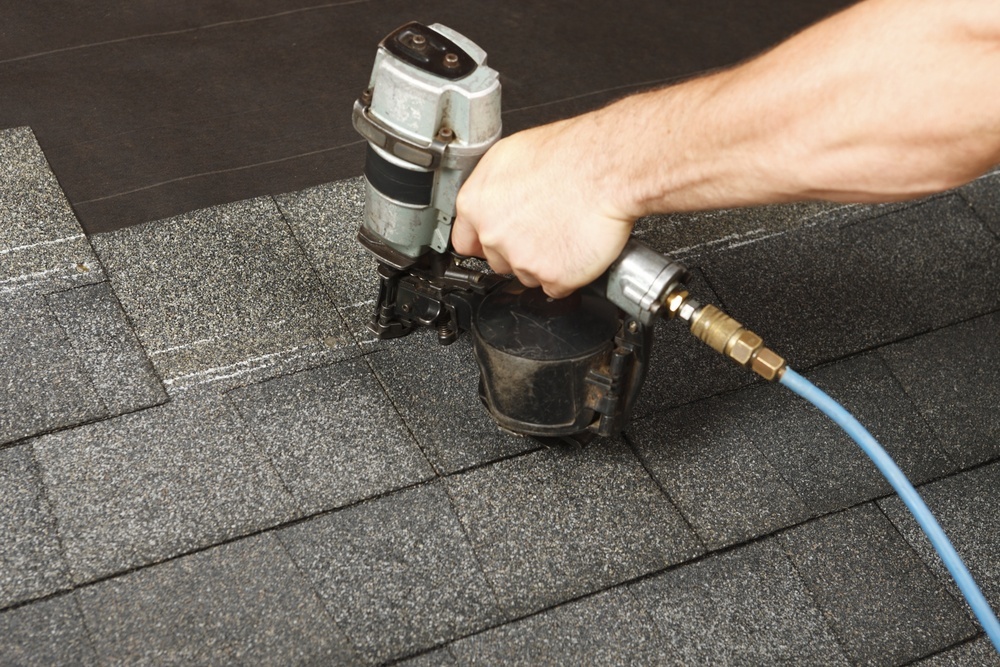
When roofing shingles are damaged or missing, your roof has less protection than it ought to. Over time, shingles can crack, start to curl at the edges, or curl in the middle while the edges stay flat. If just a few shingles are cracked or damaged or missing, you might be able to just replace the damaged or missing shingles. But if the damage seems to be more widespread throughout your entire roof or your roof is starting to get a checkerboard-type of look because of so many different repair jobs, you might be better off replacing your roof.

You’re Finding Granules

If you’ve been finding dark, sand-like granules in your gutters or on the ground around your home, they’re most likely coming from your roof. As roofing shingles wear down over time, they begin to shed these granules. Since these granules help to protect your singles, your shingles are at a greater risk for being damaged when the granules start to fall off. In addition to finding the granules around your house, you might also be able to notice a difference in color in sections of your roof where the granules have fallen off.

If you’ve recently had your roof replaced and you’re finding these granules around, don’t worry. It’s very common for new shingles to have some excess granules fall off at first.

Your Neighbors are Getting New Roofs

In many cases, the homes in neighborhoods were all built around the same time. If that applies to you, it couldn’t hurt to keep an eye on what sorts of repairs your neighbors are having done to their homes. Since the other homes in your neighborhood are encountering the same types of weather conditions as you are, there’s a good chance that if other people in your neighborhood are having their roofs replaced, it might be about time for your roof to be replaced, too.

Making Your Water Heater More Energy Efficient

Making Your Water Heater More Energy Efficient When you’re looking for ways to cut down on your home’s energy usage, the first places you’ll probably think to look are your heating and cooling systems. Heating and cooling costs typically account for the largest percentage of a home’s utility bills. Doing simple things like turning the thermostat down in the winter, running the air conditioner less in the summertime, and replacing drafty windows with new vinyl replacement windows can help you save quite a bit of money in the long run. But once you’ve done that, the next best place to look would be your home’s water heater.

Water heaters typically account for 14% to 18% of a home’s total energy costs, so taking steps to help your water heater more efficient could help save you a good amount of money, too. Here are a few ways you could help bring that number down and keep more money in your pocket.

Adjust the Temperature

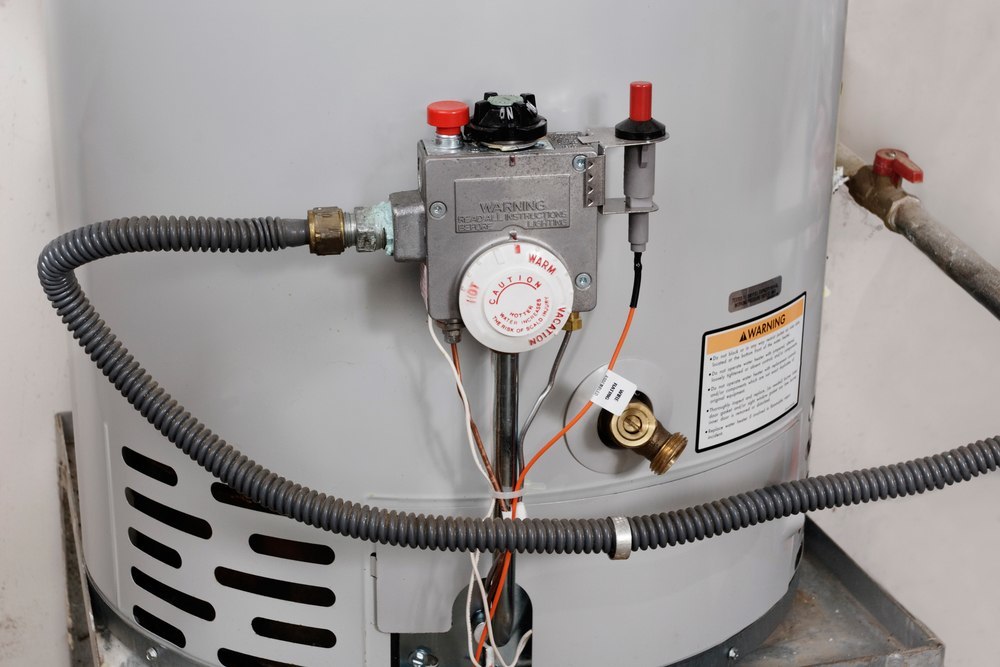
What temperature is your water heater set to? If it’s currently set to anything over 120℉, lowering the temperature is a great way to cut down on the amount of energy your water heater needs. For every 10℉ you lower your water heater, you could reduce the amount of energy your water heater needs by between 3% and 5%. Many water heaters are installed set at 140℉, but the Consumer Product Safety Commission and the Environmental Protection Agency recommend 120℉ for most households. This temperature helps save money while keeping your water warm enough to prevent pathogens and bacteria from growing, but not so hot that people will get scalded.  

However, there are a few circumstances where you might want to keep your water heater set at 140℉. If you have a chronic respiratory disease or a suppressed immune system, keeping set at 140℉ will more effectively prevent bacteria from growing in your water. If you have an older dishwasher that doesn’t have a booster heater, a temperature of 130℉ or 140℉ will help ensure your dishes are cleaned properly.

Insulate Your Tank

One way that your water heater wastes energy is through standby heat loss. As water sits in your water heater’s tank waiting to be used, it will naturally start to cool down, which will prompt your water heater to start heating the water up again. Many modern water heaters have a good amount of insulation to help keep the water in the tank warmer longer, but if you have an older water heater, wrapping it in an insulated blanket can help reduce standby heating losses. If you have an electric water heater, be careful your insulated blanket doesn’t block the thermostat. If you have a gas powered water heater, make sure the blanket doesn’t cover the burner compartment or thermostat or the top or bottom of the tank.

Drain the Sediment

Over time, water heaters often accumulate a sediment on the inside of the tank. When this sediment builds up, it can make it harder for water heaters to run efficiently. To prevent sediment from building up, it’s good to drain about a quart of water from your water heater tank every three months.

If you have an electric water heater, you’ll need to start by shutting off its power. If you have a gas powered water heater, set the burner to “Pilot.” Then, turn off the water heater’s water supply source. Go turn on the hot water faucet in a sink or bathtub in another area of the house and let it run to help prevent a vacuum from forming in the plumbing lines. Attach a garden hose to the spigot at the base of your water heater’s tank and let it run into either a bucket or the floor drain. Find the pressure relief valve on your water heater and adjust it to let some water out. Remember, you don’t need to drain very much water. A quart of water is plenty!

By following these simple steps, you should start to see a nice reduction in your home’s energy bills over time.