

Blog

4 Tips for a Green Lawn This Spring

4 Tips for a Green Lawn This Spring Now that spring has officially arrived, it’s time to start getting out there and getting your yard ready for the warmer months ahead. To have a beautiful, green lawn in the spring and summer, there are things you need to do throughout the year to make it look as good as you want it to, including right at the beginning of springtime.

Winter can be a very tough on your lawn and will need a little extra help to look its best. By taking these four steps, you’ll be well on your way to a beautiful lawn this spring and summer!

Rake

If you thought you wouldn’t need your rake again until fall, think again. Raking in the springtime is a very important step in making sure you have the nice, healthy lawn of your dreams in the summer. It’s best to do this once you’re pretty sure you won’t be getting any more snow for the year. By raking in the springtime, you get rid of any leaves you may have missed in the fall, as well as any branches and other debris that may have fallen on your lawn over the winter months. It also helps to fluff up any blades of grass that may have gotten matted down and removes dead blades of grass that could turn into thatch.

Aerate Your Lawn

The soil on your lawn can become compacted over time as people walk around on it, making it more difficult for oxygen and water to get in and help your lawn grow. In colder climates, it’s actually best to do this during the fall, but if you didn’t get around to it then or if you didn’t realize you had a problem with soil compaction.

Check Your Soil’s pH Levels

Few things will stand in your way of a beautiful lawn quite like a soil’s pH level. In fact, if you’ve consistently had a hard time getting a nice lawn, it might not have been your fault. If your soil is too alkaline or too acidic, you will have a very difficult time getting anything to grow. Soil testers can be picked up quite inexpensively at any hardware store and will tell you what your soil’s pH level is in a matter of minutes. If your soil’s pH is 8 or higher, your soil is too alkaline and can be treated with sulfur to bring the pH level down. A soil with a pH level of 5 or lower is too acidic and can be corrected by adding lime to the soil. If you need to add lime or sulfur to the soil, it’s best to do so right before a rainstorm. If you can’t wait for rain, water your lawn for an hour after applying it.

Look Out for Snow Mold

In many cases, all that snow that fell on your lawn during the winter months will melt away without issue once the weather starts to warm up again. But in some cases, you might notice small circles of discolored grass on your lawn, which is known as snow mold. Snow mold can be prevented by raking leaves during the fall and comes in two varieties: gray and pink. Gray snow mold is fairly easy to deal with since it’s a cosmetic issue and typically goes away with regular lawn care as the season progresses. Pink snow mold is more difficult to deal with as it can cause much more damage to the the grass and may require the help of a landscaper to prevent it from coming back.
Making the Most of Your Kitchen Renovation

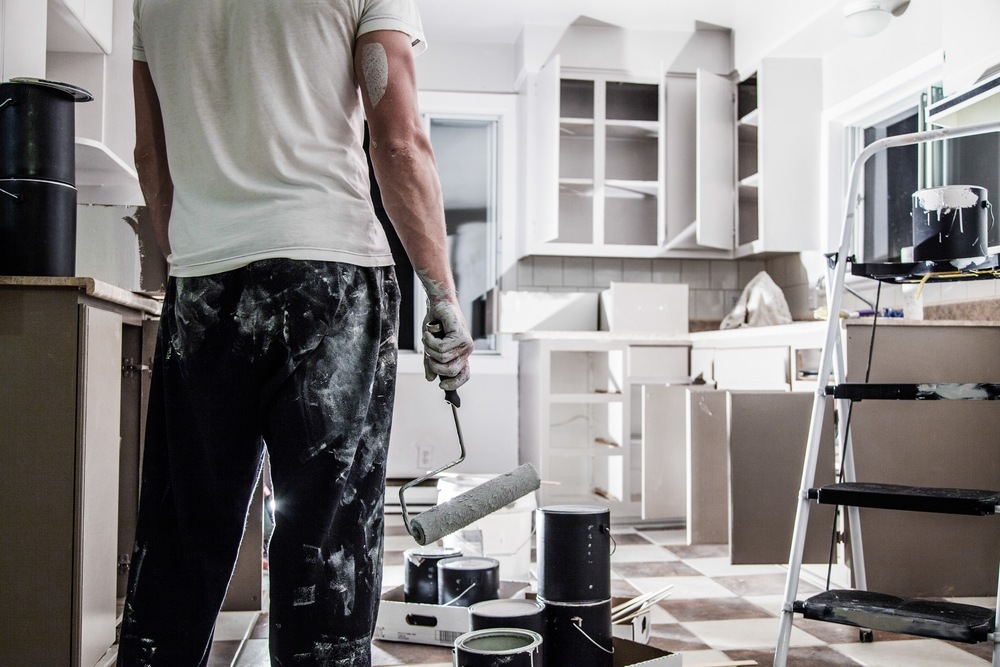
Making the Most of Your Kitchen Renovation If you’re thinking of selling your home and are looking for some ways to add value to it, spending money on your kitchen is one of the best ways to go. Out of all the rooms in your house, the kitchen is going to be one of the rooms a potential homebuyer will be most interested in. Since the kitchen is one of the most frequently used homes in the house, it’s completely understandable that so many homebuyers put such a high priority on them.

While it’s smart to make improvements to your home to help boost its value and make it more appealing to potential buyers, it’s easy to get carried away and end up getting in over your head with improvements. Before you get started, here are a few important things to keep in mind:

Think Like a Buyer

You don’t necessarily have to go high-end all the way to get the most bang for your buck. Remember, buyers tend to look for homes in a certain neighborhood for a specific reason and very often, it’s because of the price of other homes in the area or because they like other homes in the area. If your home is in a very middle class neighborhood, go for improvements that will appeal to that type of person. A middle class family isn’t going to care about marble countertops; they’d much rather have something like granite countertops, which look very nice, are less expensive, and easy to take care of. Or if you have a window in your kitchen that has seen better days, a new vinyl replacement window would be something a homebuyer would definitely like to see.

Go for Quality

Although it’s important to not go overboard on your kitchen renovations, that doesn’t necessarily mean you should go for the cheapest possible options, either. People still want to see things that are of decent quality. No homebuyer is going to be excited about seeing particleboard, cheap-looking handles on the drawers, and hinges that don’t hold cupboard doors all the way shut. There are always ways to get a nice level of quality without going for the most expensive option available.

Design to Appeal to a Broad Audience

When you’re renovating your kitchen ahead of selling it, now is not the time to start decorating to suit your own personal style. You’ll want your kitchen to appeal to lots of different people. Think neutral colors, mid-range improvements, and a simple design scheme. Go ahead and check out home decor and home improvement magazines and websites to get some ideas of what trends are currently popular. You may even want to talk to a real estate agent about what sorts of features homebuyers want in kitchens right now.

Problems With Your Home You Should Never Ignore

Problems With Your Home You Should Never Ignore No homeowner likes the prospect of having to deal with a home repair. They’re often unexpected and have a tendency to come up at the least convenient possible times, so it’s completely understandable that many people would want to put off dealing with them if possible. While some problems are relatively minor and are absolutely fine to delay for a more convenient time, other problems should never be ignored.

If you’re dealing with any of the following problems, don’t wait. Ignoring them can allow them to grow out of control, become much more expensive, and even put your own personal safety at risk.

Roof Problems

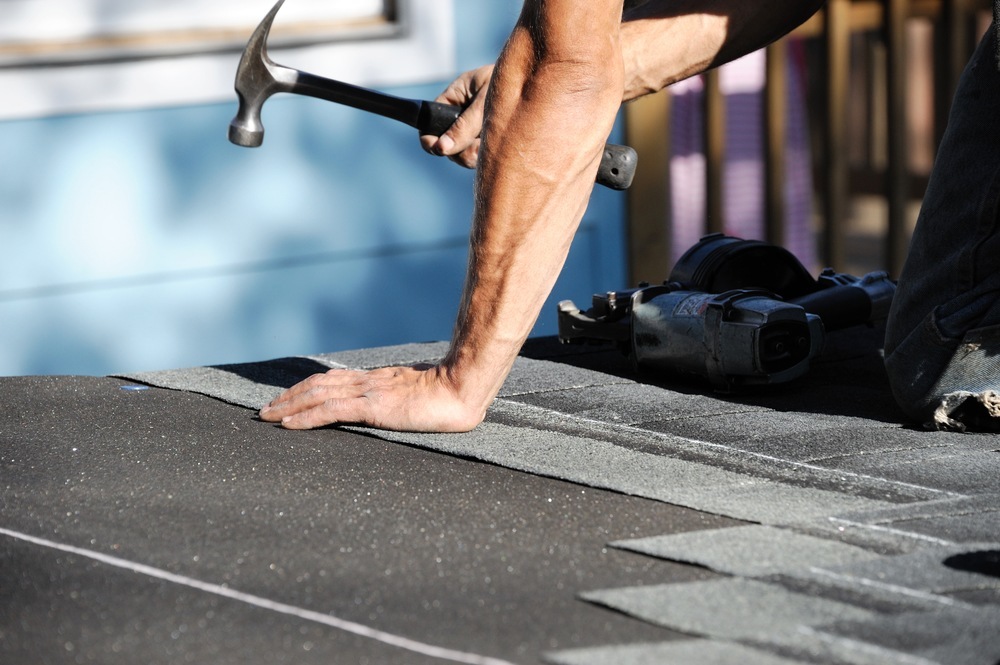
It’s so easy for a small roof problem to turn into a much bigger and more expensive problem if it isn’t dealt with right away. A missing shingle can let water in and damage the structure underneath and a small leak can quickly grow and cause lots of water damage in the house. Ignoring a problem with your roof might not be the sort of thing you can afford to ignore.

Foundation Issues

When you go to sell your home, no problem will make a potential homebuyer walk away from your home faster than foundation problems. Even if you aren’t planning to sell your home anytime soon, foundation problems can spell big trouble. Cracks in your ceiling or walls, especially ones that are more than a quarter of an inch wide or seem to be growing, can be a sign of foundation problems. Don’t forget to go outside to check for buckling, pitting, or gaps near the foundation. Foundation repairs can be a major headache, but since foundation problems can have an impact on your home’s structural integrity, you don’t want to put them off.

Mold

Mold can commonly form in rooms like bathrooms and kitchens where there’s a lot of heat and moisture in the air, but it’s still not a problem you want to let get out of hand. Mold in any room of the house can lead to breathing problems, other health issues, and, if left alone, can damage the walls, ceilings, and floors of your home.

Plumbing and Electrical Problems

Two things you really don’t want to play games with are your home’s plumbing and electrical systems. A plumbing problem can potentially cause thousands of dollars of water damage and problems with your electrical system might start a fire. Since these systems are mostly hidden behind the walls of your home, it can be easy to miss small problems with them, but problems can show themselves in many ways. For your plumbing system, be sure to keep an eye out for things like dripping faucets, low water pressure, and unusually high water bills. If you notice things like flickering or dimming lights, definitely call an electrician as soon as possible.

Windows

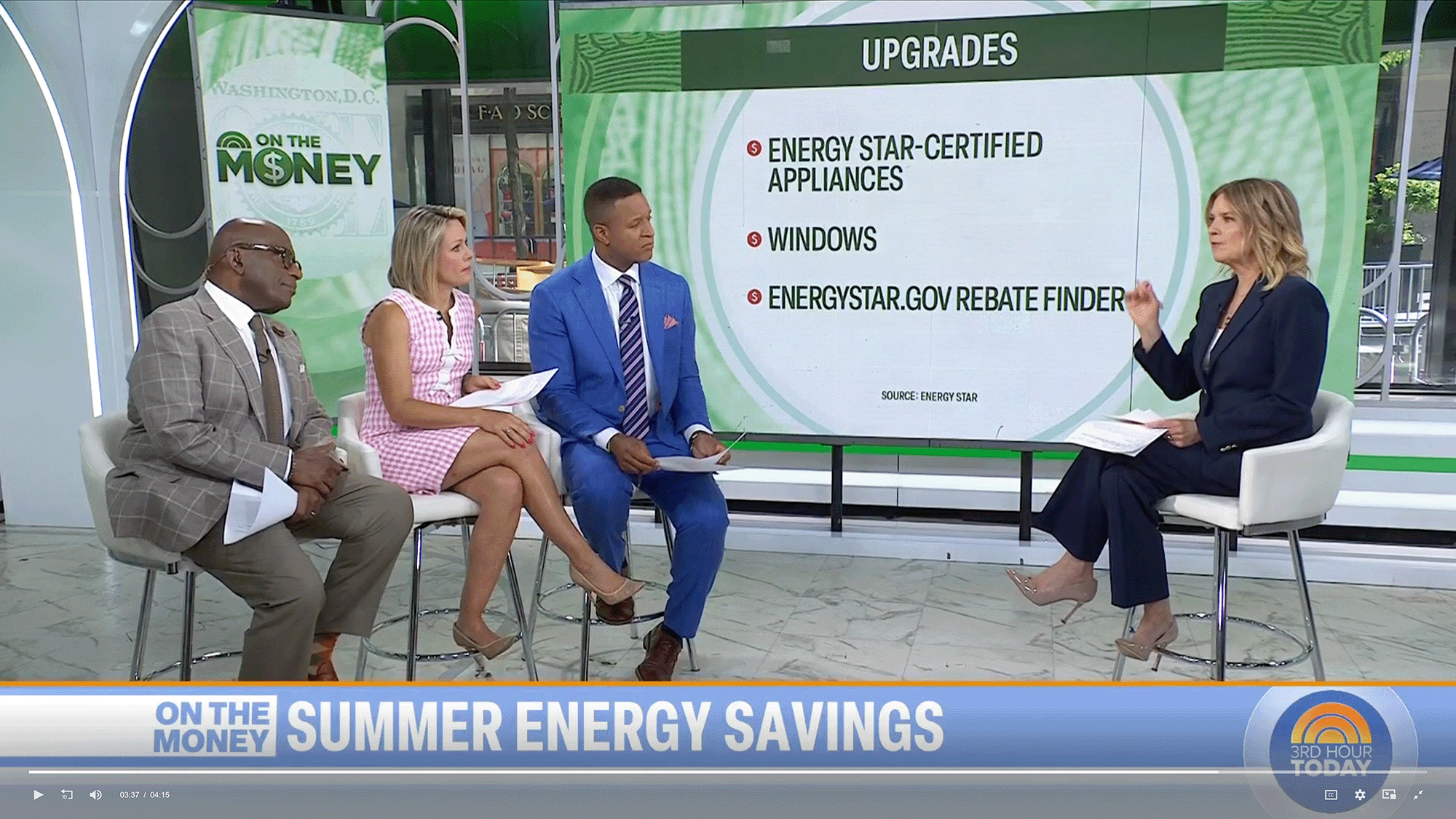
Since windows provide a barrier between your home and outside elements, it’s not wise to wait to deal with things like drafty windows, broken window panes, or windows that stick. Windows with broken panes or windows that are drafty in other ways can make your home very uncomfortable and drive up your energy bills. If it’s been a long time since your home had new windows, you might want to consider getting vinyl replacement windows. Windows can stick for many reasons and can be annoying, but remember that windows can offer an escape route in the event of an emergency, so it’s best to try to figure out what’s causing your windows to stick. If a window has been painted shut, that’s a relatively easy thing to fix.

Pest Infestations

The only residents of your home should be human, plus any pets you choose to have. Mice, rats, and other unwelcome critters can cause damage to your home and can carry germs that could make you sick. Termites in particular can cause a lot of damage to your home’s structure. If you see any signs of a pest infestation, don’t wait to take care of it yourself or call the exterminator. The last thing you want is for your unwelcome visitors to breed and cause even more problems in your home.

Smart Things to Do Before Putting Your Home on the Market

 Smart Things to Do Before Putting Your Home on the Market Your home may have seemed absolutely perfect when you first bought it, but after living in it for a while, maybe it’s no longer quite what you need. It’s served you well over the years, but now it’s time for you to move on to another home. You’ve decided to put your house on the market and between looking for a new place to live and dealing with selling your home, it can be a very stressful time. Before you call the real estate agent about publishing that listing, taking some of these steps could make the process a little bit easier for you:

Schedule a Pre-Sale Inspection

While it’s really easy to look around your house and find things you could do to spruce it up a bit -- give walls a fresh coat of paint, replace old windows with new vinyl replacement windows, switch out dated-looking light fixtures with new ones -- many issues might not be so obvious. Having a pre-sale home inspection is a great way to find some of the more hidden issues that are lurking in your house that could make a potential homebuyer reconsider when they have their own inspection done. After all, a lot of the most important things in your home like electrical wiring and plumbing systems are all largely hidden behind walls so small problems with them often go unnoticed until they turn into big problems.

If a pre-sale inspection uncovers problems and you fix them right away, you’re going to be in great shape once your house hits the market. Just think of how happy a person thinking of buying your home is going to be when they have an inspection done and no major issues are found!

Find Your Warranties

What things around your house have warranties? Don’t worry about the warranties on things like your computer or your food processer, think of the things that will stay with your home when you sell it like your air conditioner, furnace, water heater, and your roof. If any of these things are still covered by warranties, it would be helpful to have proof of that ready to show.

Get Estimates

If there’s something around your house that needs to be repaired or replaced, go ahead and get an estimate for how much that would cost. Even if you aren’t going to make the repair or replacement yourself, just having the estimate on hand could be very helpful when negotiating prices for your home. Many potential homebuyers tend to see an issue and overestimate how much it would cost to fix it. So if you have a homebuyer who sees something they don’t like and says, “Oh, it’s going to cost at least $7,000 to fix that,” your real estate agent can easily show them proof of how much it would really cost.

Rent a Storage Unit

One thing many homebuyers struggle with when getting their homes ready to sell is de-personalizing their homes for showings. When a potential homebuyer takes a tour of a home they’re interested in, they want to get an idea of what it would look like if they lived there. It’s hard to do that when a home is full of extremely personal touches like family photos and mementos from various events of your life.

It can be hard to see your home suddenly not looking like your home, but putting those things away, at least during showings, will make a better impression on homebuyers. Actually, renting a storage unit is a good move in general. Too much clutter can also be a big turn-off for potential homebuyers so if you have extra furniture that isn’t used very often, closets jam-packed with clothes and other items, or have a lot of other random clutter around the house, go ahead and put some of it in storage for a while.

Taking Care of Vinyl Siding

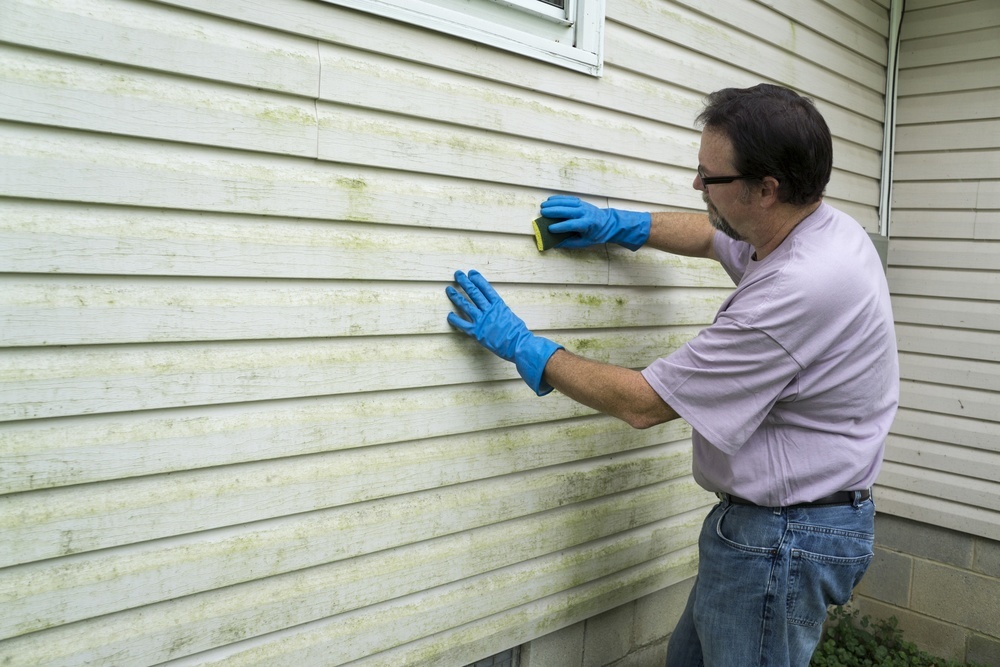
Taking Care of Vinyl Siding If you had a chance to choose the type of siding that is currently on your home and you chose vinyl siding, we can probably guess why you made that choice: it doesn’t need much maintenance. While it’s true that vinyl siding doesn’t need a lot of maintenance, don’t think this means vinyl siding is maintenance-free. After all, vinyl siding is exposed to the elements all day long, every single day of the year, through rain, snow, hail, and heat. Vinyl siding may be durable, but those kinds of elements can still take a toll.

Vinyl siding can get dirty and stained or even have problems with mildew or mold. Yes, it’s true -- vinyl siding isn’t necessarily immune to mold and mildew. But these types of problems can easily be prevented or dealt with by washing your home’s siding once a year. In addition to detracting from the way your home looks, dirt, mold, and mildew can shorten the lifespan of your vinyl siding so regularly cleaning it can help make your siding last as long as possible.

If you don’t have a pressure washer, don’t worry: you can do a very effective job of cleaning your home’s siding without one. In fact, pressure washers can potentially damage your home’s siding if not used correctly. All you really need is a soft-bristle brush with a long handle, a sponge, a bucket of water, some liquid dish soap, and a garden hose, but there lots of different mixtures you can use to clean with. Bob Vila recommends using a mixture of 70% water and 30% white vinegar to clean with.

If you have more difficult spots to remove, a mixture of water, dish soap, and oxygen bleach could do the trick. Just be sure to use oxygen bleach, not chlorine bleach. Oxygen bleach won’t discolor the siding or damage any plants that are growing near the house.

Do not use things like nail polish remover/acetone, furniture polish, undiluted chlorine bleach, or extremely abrasive cleaning tools like steel wool. These will damage your home’s siding.

Before you get started, make sure you turn off the power to any outdoor electrical outlets and light fixtures that are attached to your house and cover them with plastic. Walk around the area where you’ll be working and make sure you have a clear space to work. When you’re ready to start washing, start at the bottom and work your way up, using your hose to rinse as you go. Although vinyl siding isn’t completely maintenance-free, the upside is that at least vinyl siding tends to come clean pretty easily. This chore might take an afternoon to handle, but taking the time to do it is very worthwhile.