

Blog

Does My Home Need a Dehumidifier?

Dehumidifier in a room Does My Home Need a Dehumidifier?

We all know how damaging moisture can be for your home. Diligent home owners regularly check their gutters to make sure they’re effectively directing water away from their home, look for signs that water is getting in in the basement, and keep an eye out for water getting in around their windows. But a source of moisture that often gets overlooked is the moisture in the air.

It’s very important to maintain appropriate levels of humidity in your home. Not having enough moisture in the air can make you very uncomfortable and too much humidity can foster mold and mildew growth and damage wooden floors and other wooden objects in your home.

So, how do you know if your home has an appropriate level of humidity? A hygrometer measures the level of moisture in the air and can be purchased quite inexpensively at hardware stores or online. Ideally, your home’s humidity should be under 60% during the summer months and between 25% and 40% during the winter.

You don’t need to have a hygrometer to see the signs of excessive humidity around your house, though. First of all, you might notice a musty smell or spots of mold forming on ceilings or walls. Since musty smells are a sign of mold, you’ll want to be sure you find where it’s coming from and make sure it gets taken care of. When you notice spots of mold on a wall or ceiling, make sure to clean the area with a cleaner that will inhibit mold re-growth. A solution of equal parts white vinegar and water can do the trick. Make sure you repaint the area using a primer and paint designed to resist mold and mildew.

If you have hardwood floors or wooden doors or windows, excessive humidity can cause them to warp, buckle, or become creaky. Does your basement tend to flood? A dehumidifier can be helpful in removing moisture from the air in your basement, but just remember you still have to address the root cause of how water is getting into your basement.

Your windows can also be very good at letting you know when there’s too much humidity in your home. Is there frequently condensation on the interior pane of glass of your window? While it’s very common for condensation to form on windows if you’re doing something like taking a shower or cooking, having condensation on your windows all the time is a telltale sign of too much humidity. If you have wood windows, all that condensation puts you at a higher risk of wood rot. If you have vinyl replacement windows, you won’t have to worry about wood rot, but you’ll still have to address your home’s humidity levels.

Whole-house dehumidifiers can be helpful if you live in a very humid climate, but In many cases, people who could benefit from a dehumidifier only need one in specific rooms like bathrooms, kitchens, basements, and laundry rooms. Portable dehumidifiers work great in these situations and only cost a few hundred dollars. Many types of portable dehumidifiers have sensors that will automatically shut it off if its water tank gets full, so you won’t have to worry about your dehumidifier overflowing if you aren’t there to shut it off. You might not even need to run your dehumidifier at all times. For example, portable dehumidifiers are very popular to have in bathrooms that don’t have exhaust fans or windows. Since people aren’t taking showers around the clock, the dehumidifier would only have to be run while people are showering and for a little while afterward.

If your home has an air conditioner, you might think you don’t really need a dehumidifier since air conditioners also remove moisture from the air. This is true, but only to a certain extent. Although air conditioners can help with humidity, they typically aren’t effective at doing that until the temperature gets to be 80 degrees or higher. When temperatures are in the 70s, your air conditioner probably won’t be running enough to remove a lot of humidity from the air and a dehumidifier would be more effective.
Things to Consider Before Building a Deck

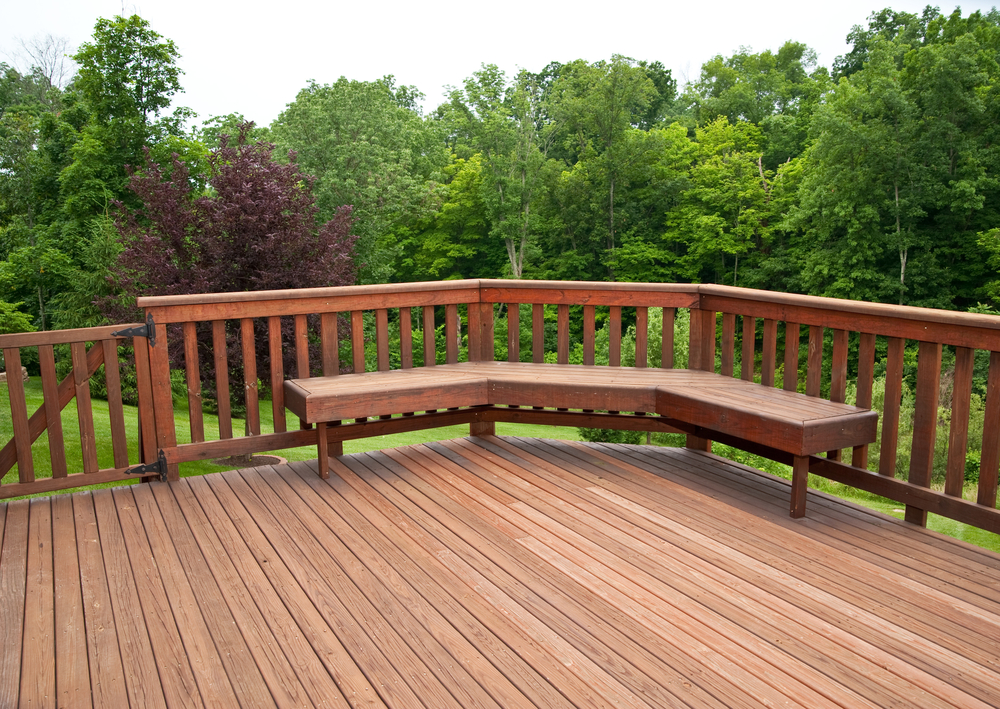
Good looking deck over looking trees Things to Consider Before Building a Deck

Since the weather is about to start getting nicer, you might be thinking about all the fun things you’re looking forward to doing during the spring and summer. One project many homeowners start looking into this time of year is building a deck. Decks can make wonderful additions to any home. During the summer months, they’re an ideal place to relax by yourself, to have fun with the kids, or to host friends for a cookout.

But before you get started, here are a few important things you should keep in mind.

Check the Building Codes

Before you get too carried away with planning the deck of your dreams, check with your city to see if there are any building codes you’ll need to adhere to. Depending on the size of the deck you want to build, you may need to get permits before construction can begin. Building codes can vary from city to city, so you’ll want to be sure you’re fully in accordance with the rules where you live. Don’t try to cut corners by trying to do it yourself to skirt the building codes. Decks can be a great way to add some value to your home, but if you try to sell your home and an inspector discovers your deck isn’t up to code, you’ll have to pay to have it fixed later.

Can My Deck Be a DIY Project?

If you have some carpentry experience, building a small deck can be the sort of project you might be able do yourself, particularly if it’s a free-standing deck that isn’t directly connected to your home. But in most cases, it’s best to hire a professional to build a deck, particularly if you’re looking to build on a sloped area or want a more complex deck. Decks can require a lot of planning and special consideration to make sure it’s safe and structurally sound. A professional will be certain your deck is strong enough to support the weight of multiple people, plus furniture, a grill, and anything else that you might have on your deck. And since many decks are directly connected to the home, a professional will make sure it’s secured in a way that won’t damage your home. Professionals will also be able to come up with any blueprints or renderings your city might need to approve.

The Right Materials

Choosing the right materials for your deck is essential. The material you choose to have your deck made out of are a major factor in how much your deck will cost and how much maintenance you’ll have to do on it. Wood is a very popular choice, but will require staining to protect it from the elements. Some types of wood are naturally resistant to wood rot and/or pests, but can be more expensive than other types of wood. PVC and composite wood both stand up well to moisture, insects, and won’t warp or swell the way wood can, but they’re not the least expensive option out there and some types of PVC or composite materials aren’t as convincingly wood-like as others. Pressure-treated wood is the least expensive decking material option, but isn’t as durable and requires more maintenance than other types of materials.

Adding a deck to your house can do a lot to make your home more enjoyable during the summer months. Being sure to take these steps before you get started will help save you headaches later on so all you’ll have to do is sit back, relax, and enjoy your new deck!

Getting Your Home Ready for Spring

House with bordering flowers Getting Your Home Ready for Spring

Winter is almost over and it’s already time to start looking ahead to the warmer months ahead of us. Even if you got lucky and only had to deal with a rather mild winter, winter can still be a tough time of year, particularly on your home and yard. As the weather starts warming up again, it’s  good to take a good look around your home to look for any problems that might have come up over the winter. That way, you’ll be able to take care of any potential problems before they turn into big headaches and you’ll be able to relax and enjoy the nice weather that lies ahead.

Check Your Gutters

When was the last time you had your gutters cleaned? If it’s been a while, now would be a good time to see how they’re doing. We’ve all heard the saying “April showers bring May flowers,” but the last thing you want is for the water from those April showers to start making its way into your house. Gutters direct water away from your home, so if your gutters are full of leaves and other debris, they won’t be able to do their job effectively and there’s a chance water could start making its way into your basement. In addition to making sure your gutters are clear, make sure they’re still firmly secured and aren’t coming loose anywhere.

Look at the Roof

Inspecting your roof is another excellent way to make sure water doesn’t start making its way into your home. You don’t have to get up on the roof yourself, but take a look at it from the ground and see if you notice any potential problems such as missing shingles or shingles that have started coming loose. If you think you might see some problems, you can always call a roofer to come out and give your roof a more thorough inspection.

Check Your Windows and Doors

No matter what time of year it is, you don’t want doors and windows that aren’t good at keeping the elements out of your home. Check around them to make sure your weather stripping and other seals are still in good shape so you won’t have to worry about water getting in or losing your home’s cooled air during the summer. If you’ve noticed condensation forming between the panes of your glass over the winter, it could be a sign that there’s a problem with the seal between the two panes of glass. In some cases, this can simply be repaired, but in some cases, you might be better off getting new vinyl replacement windows instead.

Take Care of Your Air Conditioner

If there’s a problem with your air conditioner, you don’t want to find out about it when the first hot day of the year rolls around. In addition to changing your filters on a regular basis, you should have a heating and cooling specialist come out and inspect your air conditioner and make sure it’s still in good working order. If you have any plants or shrubs growing near your air conditioner, make sure they’re not overgrown or blocking the airflow around the unit.

Look Around the Foundation

Take a walk around the perimeter of your home and see if there are any problems around the foundation. Look for cracks that might have formed in the foundation or any spots where the ground near your home dips down low. When there are low spots in the ground near the home, it’s easy for rainwater to start pooling up and eventually start making its way into your house. If you spot any of these, a landscaping contractor can come out and regrade your lawn so that water drains better. If you notice any cracks in the foundation, contact someone who specializes in foundations so they can come out and patch those cracks up professionally.

Clean Up The Yard

When your lawn has spent a lot of time hidden under snow, it’s easy to forget what it looks like  underneath. Did you forget to rake up the last of the leaves that fell in your yard during the fall? Maybe a couple of branches fell down over the winter that need to be picked up. These sorts of things can suffocate your lawn and make it more difficult for it to grow into the nice, green lawn you want it to be.

Home Renovation Projects That Don't Pay Off

Outline of wooden model house Home Improvement Projects That Don’t Pay Off
No homeowner ever wants to see their homes depreciate in value. Unfortunately, not all home improvement projects necessarily pay off if you decide to sell your home later on. A lot of homeowners take on big improvement projects, thinking they’re making a great investment in their homes that will pay off if they later decide to sell their homes, only to be disappointed to find out those projects didn’t add as much value as they’d expected. So, if you’re looking to add value to your home, which projects should you avoid?

Swimming Pools

While having your very own swimming pool at home has long been seen as a symbol of luxury, it’s important to remember that many people see swimming pools as more of a burden than a luxury. Sure, it can be nice to spend a hot summer day by the pool, but pools require time and money to maintain. In some parts of the country, swimming pools can only be used for a few months out of the year so a lot of people see them as being more hassle than they’re worth. A lot of people also don’t want to risk being held liable if someone is injured or drowns in their pool. A home having a swimming pool might actually be a deal breaker for families with young children.

Permanently Converting Extra Rooms

Now and then, we all need a little extra space in our homes. When that happens, people often look for areas in their homes that are being underutilized and try to find ways to adapt them and make them more functional. If you have a job that lets you work from home, you might want to turn the guest bedroom into an office. Or maybe you’d like to turn your garage into a fun playroom for the kids or a large rec room the whole family can enjoy.

There’s nothing inherently wrong with turning under-utilized areas of your home into more usable spaces, but if you want to add value to your home, the key is to make sure they’re easy to return to their original state. You might have loved your home office, but if a potential homebuyer doesn’t work from home and has a larger family, they’d be much more interested in a bedroom than an office. A lot of potential homebuyers might also want a home with a garage that actually functions as a garage, so they might not be impressed by a garage-turned-rec room.

However, converting an attic into a liveable space seems to be an exception to this rule. This has become increasingly popular in recent years and it often does help to add value to a home.

Adding Carpeting

Homes full of carpeting were popular for decades, but nowadays, many homebuyers prefer the look of hardwood floors. Not only do many home buyers simply prefer the look of wooden floors, they also don’t want to deal with the frequent vacuuming carpets need.

Backup Power Generators

Power outages can easily happen to anyone, so you might think that a lot of people would like having the peace of mind that a home they’re considering buying has a backup power generator to keep things going if the power goes out. But backup power generators actually have a rather low return on investment.

Many High-End Luxury Upgrades

When you’re looking for ways to add value to your home, it’s important to keep the rest of your home in mind. For example, if you absolutely love to cook and spend a considerable amount of time in your kitchen, it can be tempting to go all out and turn your kitchen into a top-of-the-line cooking space with marble countertops all the best appliances. However, going over the top with luxury upgrades in one room while the other rooms in your home doesn’t get the same kind of treatment can actually make a home more difficult to sell. Not only does it not flow well with the rest of the house, there’s always the chance that potential homebuyers won’t share your enthusiasm for cooking and won’t be willing to pay more for those upgrades.

It’s also smart to consider the other homes in your neighborhood. One reason why home buyers often look for homes in certain neighborhoods is because of price. If your home is in a neighborhood full of modestly-priced homes, a home full of high-end luxury upgrades could be a very tough sell.

It’s important to remember that although these projects don’t have the best return on investment for your home, that doesn’t necessarily mean they’re not worth doing if it’s something you’ll personally get a lot of enjoyment out of. If you’re planning on staying in your home for a long time to come, it’s important to do things that will make you comfortable and let you get the most out of your home. However, if you’re thinking of putting your home on the market and are looking for some ways to boost your home’s value a little bit, you’d be better off looking into improvements like garage door replacement, vinyl replacement windows, or replacing your entry doors, which all have good returns on investment.

Fixing Up Your Kitchen Cabinets Without Replacing Them

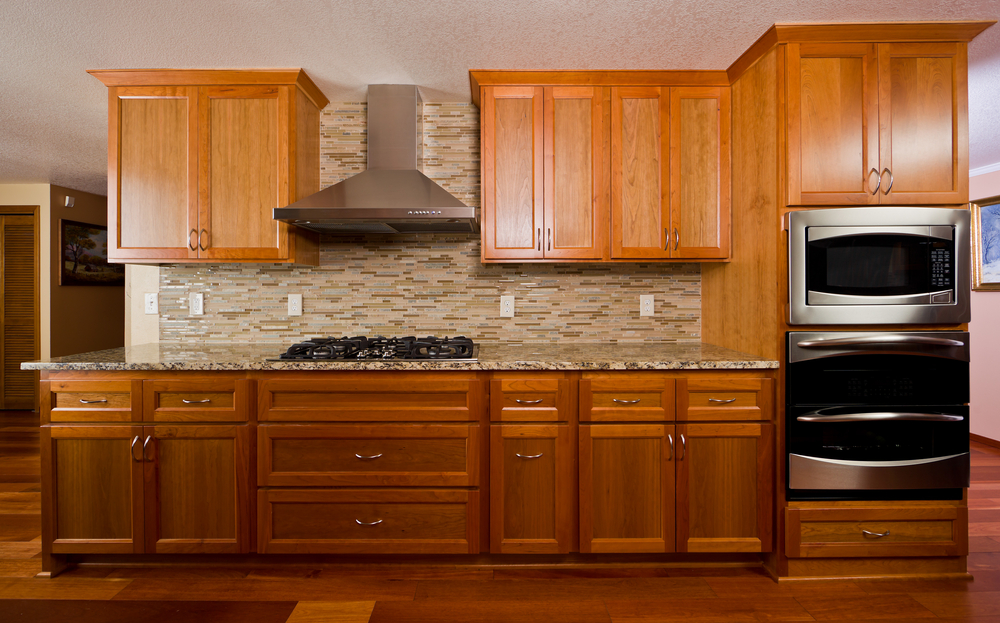
  Brown cabinets compliments kitchen

Fixing Up Your Kitchen Cabinets Without Replacing Them

If you were to list the rooms in your house where you spend the most time, the kitchen is probably going to be at the top of your list. Even if you’re the type of person who uses their oven for storage and orders take-out for every meal, you’re probably still going to spend time in your kitchen every day. When you spend so much time in a room every day, it’s totally understandable that you might want to change up its appearance every now and then.

Unfortunately, full kitchen remodels are simply too expensive for the average person to be able to do every few years. But there are lots of ways to dramatically change up the look of your kitchen without having to tear everything out and start over. Your kitchen cabinets are a great place to start. They’re a major focal point of any kitchen, but having them completely replaced is typically one of the largest parts of any kitchen renovation budget. For many people, there’s nothing functionally wrong with their cabinets, which makes it hard to justify spending the money on new ones, they’re just starting to look a bit dated.

The least expensive way to give your kitchen cabinets a facelift is to paint them and get some new hardware. Painting them can be a little labor intensive and can take several days to do the job properly, but the results can bring new life into your kitchen. First of all, be sure to remove your cabinets, wash them with a product like TSP, and sand them down. Kitchen cabinets are typically painted with a glossy finish to make them easy to clean, so taking the time to sand them down will make it easier for new paint to stick. When you remove the cupboards from the hardware, be sure to label where each piece goes.

Once you’ve removed your cabinet doors, you might want to bring one of them to the store with you when you go to pick up your paint, primer, and other supplies. The best tools for the job might vary depending on what type of materials your cupboards are made out of and an employee at the store could be able to make some good recommendations for you and potentially save you some frustration. Since kitchens tend to be areas that get dirty easily, you’ll want a paint with a gloss or semi-gloss finish since they are easier to clean than paints with more matte finishes. And don’t be tempted to skip the primer. Taking the time to prime your cabinets first will make sure you get the best results from your paint job.

If painting your cupboards seems too time consuming for you, you might want to consider having your cabinets refaced. With cabinet refacing, the workers simply replace the cabinet doors, drawer fronts, and hardware and place a new veneer on top of the existing cabinet boxes. Cabinet refacing is more expensive than painting them yourself, but it’s much less expensive than having them fully replaced and it’s faster and less disruptive than painting them or having them replaced. You don’t even have to remove the appliances from your kitchen so you won’t have to worry about not being able to use your kitchen for days at a time.

Whether you decide to paint your cabinets or have them refaced, you have two great options to change the look of your kitchen for a fraction of the cost of having your cabinets replaced!